
My Garage
My Account
Cart
Genuine 2015 Jeep Wrangler Lash Adjuster
Lash Adjuster Lifter- Select Vehicle by Model
- Select Vehicle by VIN
Select Vehicle by Model
orMake
Model
Year
Select Vehicle by VIN
For the most accurate results, select vehicle by your VIN (Vehicle Identification Number).
2 Lash Adjusters found
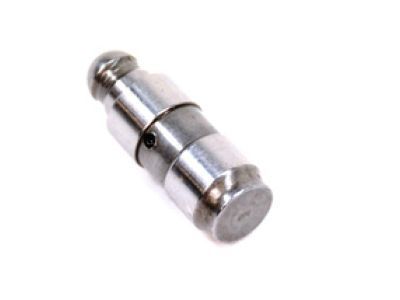
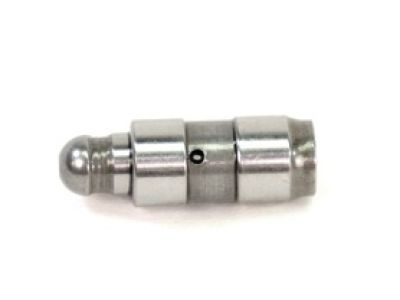
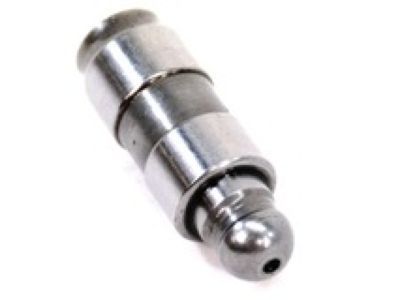
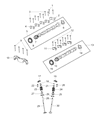 Product Specifications
- Other Name: Tappet-Valve Lash ; Adjuster Valve Lash; Valve Lifters
- Item Weight: 0.30 Pounds
- Item Dimensions: 0.7 x 0.7 x 1.7 inches
- Condition: New
- Fitment Type: Direct Replacement
- SKU: 5184332AA
- Warranty: This genuine part is guaranteed by Mopar's factory warranty.
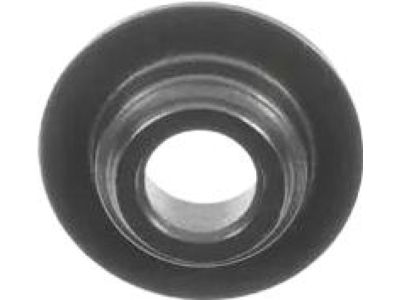
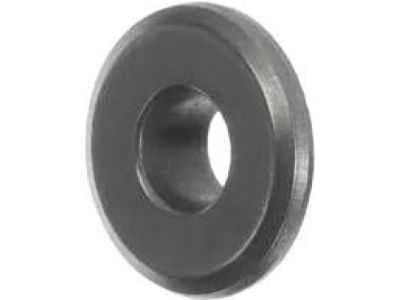
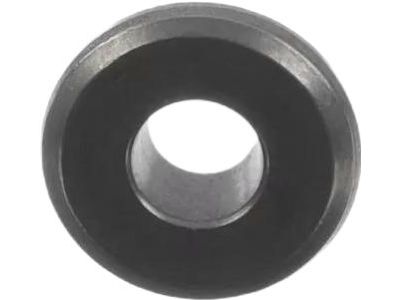
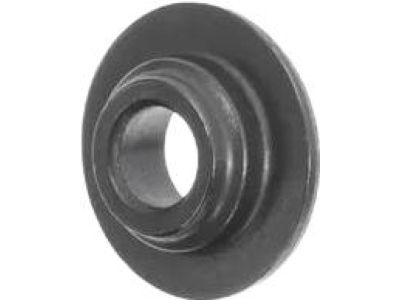

 Product Specifications
- Other Name: Tappet-Valve Spring ; Retainer Valve Spring; Valve Spring Retainer
- Item Weight: 0.30 Pounds
- Item Dimensions: 1.1 x 1.2 x 0.5 inches
- Condition: New
- Fitment Type: Direct Replacement
- SKU: 5093892AA
- Warranty: This genuine part is guaranteed by Mopar's factory warranty.
2015 Jeep Wrangler Lash Adjuster
On our website, we proudly offer genuine 2015 Jeep Wrangler Lash Adjuster at the market's great competitive prices. We are confident that choosing brand new OEM 2015 Jeep Wrangler Lash Adjuster from our site will save you both trouble and money.
2015 Jeep Wrangler Lash Adjuster Parts Questions & Experts Answers
- Q:What Role Does the Lash Adjuster Play in Isolating and Addressing Noisy Valve Lifters in a 2.5L Four Cylinder Engine on 2015 Jeep Wrangler?A:A noisy valve lash adjuster can be isolated when the engine is idling by placing a length of hose or tubing on the valve cover near each valve while listening at the other end, or by removing the valve cover and placing a finger on each valve spring retainer one at a time; a defective valve lash adjuster will be evident from the shock felt at the retainer as the valve opens. The most likely cause of a noisy valve lash adjuster is dirt trapped between the plunger and the lash adjuster body. To address this, remove the valve cover, then take out both rocker arms and pushrods at the cylinder with the noisy lash adjuster, followed by removing the lash adjusters through the pushrod openings in the cylinder head; a special removal tool is available but may not always be necessary, as lash adjusters on newer engines without significant varnish buildup can often be removed with a magnet attached to a long handle. Store the lash adjusters in a clearly labeled box to ensure their reinstallation in the same bores, keeping them in order if more than one is removed. Clean the lash adjusters with solvent and dry them thoroughly, checking each lash adjuster wall, pushrod seat, and foot for scuffing, score marks, and uneven wear; the foot of each lash adjuster should be slightly convex, and if any lash adjuster is worn concave, scratched, or galled, replace the entire set. If new lash adjusters are being installed, a new camshaft must also be installed, and used lash adjusters should only be installed with the original camshaft in their original locations. When reinstalling, the used lash adjusters must go back into their original bores, coated with moly-base grease or engine assembly lube, and the bearing surfaces of the lash adjuster bores should be lubricated with engine oil before installing the lash adjusters, followed by the pushrods and rocker arms, tightening the rocker arm cap screws to the specified torque, and finally reinstalling the valve cover.
