My Garage
My Account
Cart
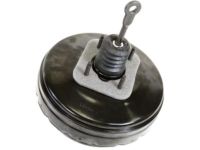
Genuine Chrysler Sebring Brake Booster
Brake Power Booster- Select Vehicle by Model
- Select Vehicle by VIN
Select Vehicle by Model
orMake
Model
Year
Select Vehicle by VIN
For the most accurate results, select vehicle by your VIN (Vehicle Identification Number).
9 Brake Boosters found
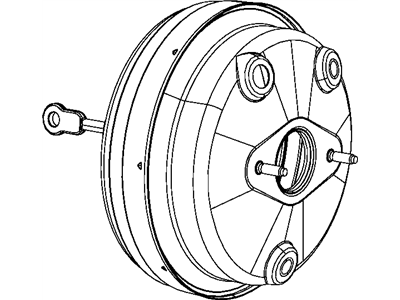
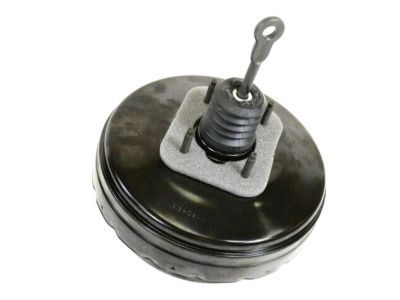
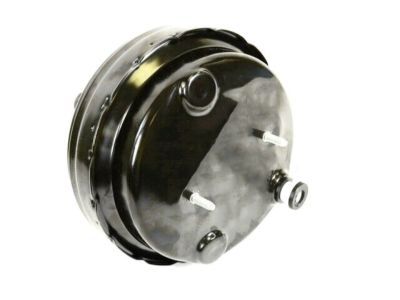
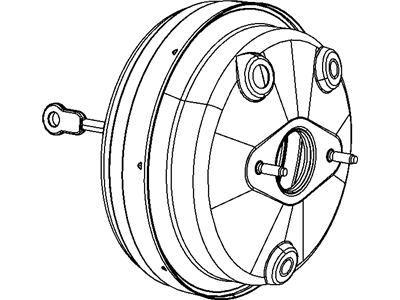
Chrysler Sebring Power Brake Booster
Part Number: 68020653AB$277.49 MSRP: $412.00You Save: $134.51 (33%)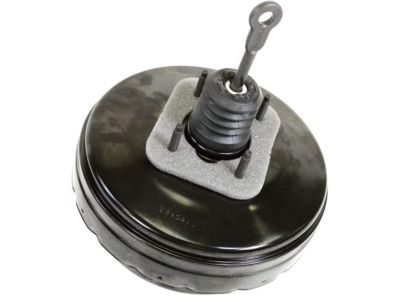
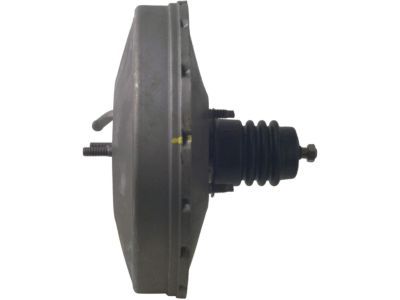
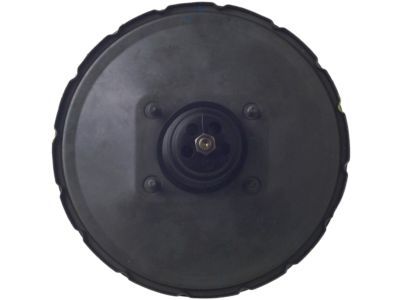
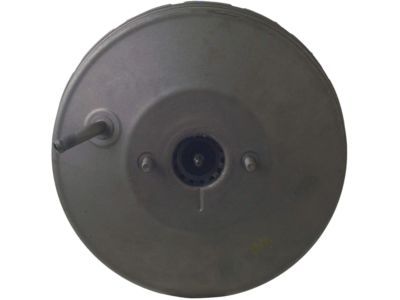
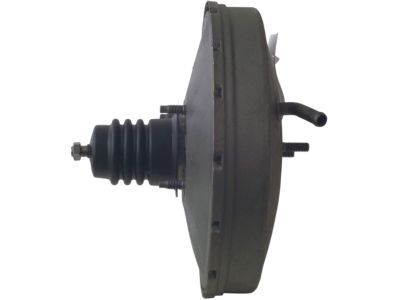
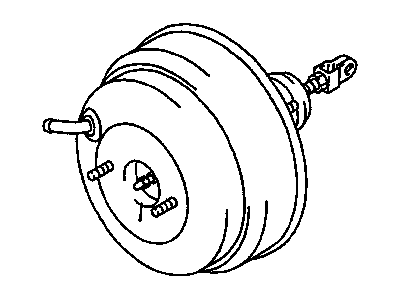
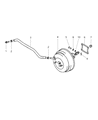
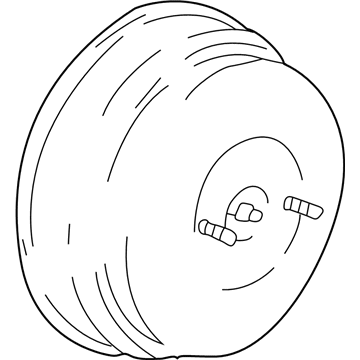
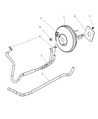

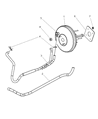
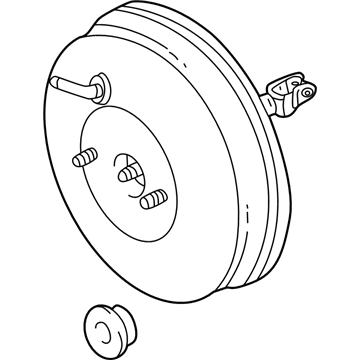
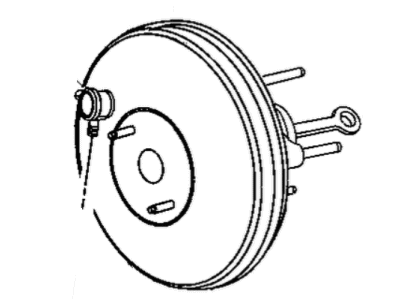
Chrysler Sebring Brake Booster
The Chrysler Sebring Brake Booster is an important part used to decrease the supply of pressure for engagement of the brake. The brake booster comprise of a vacuum chamber that works in a manner of increasing the hydraulic pressure from the master cylinder making the force from the driver on the brake pedal to be greatly boosted. There are two main types of boosters used in Sebring vehicles: types of boosters are; vacuum operated boosters and hydraulic boosters. Vacuum boosters work on the difference in vacuum pressure in the engine and atmospheric pressure to create the force that helps to stop the car whereas hydraulic boosters work in the same way through fluid pressure. Variations include the size and configuration of the booster head possibly single or double diaphragm, the more voluminous the diaphragm the more power assisted.
Looking for affordable and high-quality auto parts? Then you have already arrived at the proper online shop. We offer all Chrysler Sebring Brake Booster at great affordable prices. Moreover, all genuine Chrysler Sebring Brake Booster come with a manufacturer's warranty. In the long run, you would realize you have saved a lot of trouble and money with OEM parts from here.
Chrysler Sebring Brake Booster Parts Questions & Experts Answers
- Q:How to Operate and Check a Power Brake Booster on Chrysler Sebring?A:In 2014 vehicles and earlier, you can test the operation by starting the engine while pressing down on the pedal; when normal, the pedal should move down a small amount. Pedal down twice with the running engine to see if the pedal stays the same distance from hitting the floor. You can check for a leak-free power brake system this way: Turn the engine on for one or two minutes and switch it off. Then press the brake pedal several times very slowly. If it moves downward the first time you press it, but returns to its original height by the second or third time, the system is not losing air. Hold down the brake pedal and stop the engine when running; the booster is airtight if the brake pedal stay at the same travel distance for 30 seconds with the pedal still press Keep an eye on the vacuum hoses and booster container but leave the booster alone; fixing problems means swapping the whole unit. Squeeze the pedal several times when the engine is off to smooth out air trapped in the booster unit. Pull the connection wire from its vacuum ground point. Disconnect the Powertrain Control Module (PCM) with its bolts, and put it somewhere safe. Start by cleaning the part where the master cylinder links to the power brake booster. After that, take off the master cylinder and break the Brake Lines from the junction block at the booster's bottom, closing all exposed ends with plugs. Pull off the vacuum hose from the check valve outside the brake booster, without disturbing its grip on the valve. Get under the dash, take out and remove the Brake Light Switch. Without harming yourself, open the brake pedal pushrod from the top by sliding in a small screwdriver to loosen the hard lock on the retaining clip. Treat the old clip as dangerous and replace it with a new one when reinstalling the brake system. Crack open and take off the bolts holding the booster to the firewall. Be very careful when pulling out the brake booster unit from the firewall and out of the engine space. Fit the booster onto the firewall. Tighten its holding nuts to the correct pressure, and join the brake pedal to the brake booster pushrod with a fresh holding clip. Starting with the master cylinder, apply a fresh vacuum seal, then put it back on the power brake booster to complete installation. Finish by emptying the brake system of air, then check that the brakes work correctly before putting the car into regular driving.