My Garage
My Account
Cart
Genuine Dodge Dakota Brake Booster
Brake Power Booster- Select Vehicle by Model
- Select Vehicle by VIN
Select Vehicle by Model
orMake
Model
Year
Select Vehicle by VIN
For the most accurate results, select vehicle by your VIN (Vehicle Identification Number).
4 Brake Boosters found
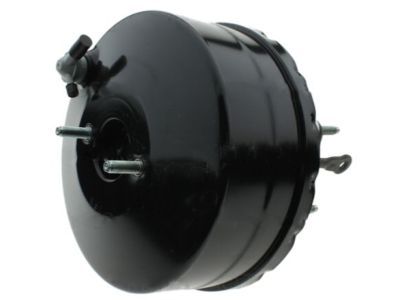
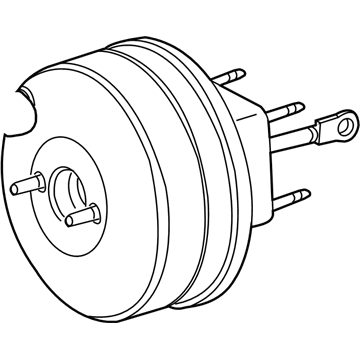
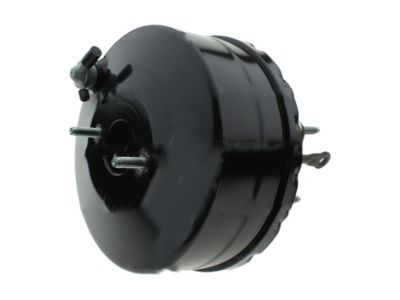
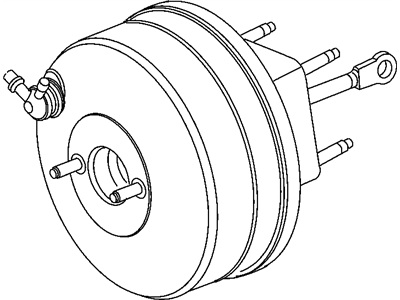
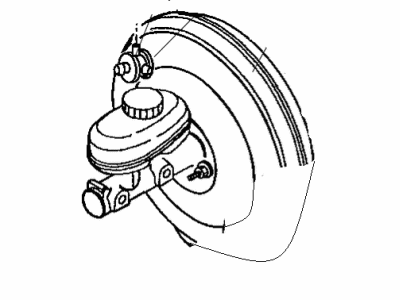
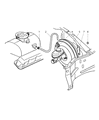
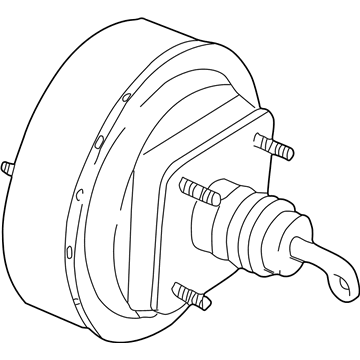
Dodge Dakota Brake Booster
The Brake Booster in Dodge Dakota vehicles is critical in the increase of the brake system force through the reduction of the driver effort. Sits between the brake pedal and the master cylinder, it uses either vacuum or hydraulic means to actuate the force exerted on the brakes. Vacuum-operated boosters are those boosters that function by applying a difference of engine vacuum pressure and atmospheric pressure on the brake pedal whereas hydraulic boosters are those boosters that make use of the pressure fluid derived from the power steering pump or from the electric assembly indeed. Throughout the production years of the Dodge Dakota, the Brake Booster utilized has been of different types, single/dual diaphragm, it comes in different diameters and different finishes. In general, larger diameter boosters create more support, however, the dual diaphragm boosters are able to deliver similar help even if the engine compartment is more compact. This versatility enables the caliper to provide the optimal braking whereby the Dodge Dakota vehicle is either fitted with the disc or drum brakes.
Looking for affordable and high-quality auto parts? Then you have already arrived at the proper online shop. We offer all Dodge Dakota Brake Booster at great affordable prices. Moreover, all genuine Dodge Dakota Brake Booster come with a manufacturer's warranty. In the long run, you would realize you have saved a lot of trouble and money with OEM parts from here.
Dodge Dakota Brake Booster Parts Questions & Experts Answers
- Q:What Is the Maintenance and Operating Check for a Power Brake Booster Unit on Dodge Dakota?A:The brake power unit doesn't need extra care; you only need to check the condition of the vacuum hose and the case every now and then, and if something goes wrong, you have to replace the entire unit. Hit the brake pedal several times without running the engine to make sure brake response doesn't change. Then, press the pedal and start the engine; if the pedal sinks a bit, the brake works normally. To make sure your brake booster has no air leaks, switch on your engine for a couple of minutes and then shut it down. Depress and release the brake pedal several times. Good sealing when the pedal first dips a bit and stays there. When the engine runs, hold down the brake pedal, and stop the engine with the pedal still pressed down. If your pedal travel doesn't change after keeping the pedal engaged for 30 seconds without loss of pressure, your booster holds air tightly. To detach the booster, unwind its hose from the brake booster and then pry off its push-rod clip at the pedal's top before loosening the firewall bolts. Take care to lift the booster out of the engine space by the firewall, paying attention to how gaskets and spacer blocks should fit in place. Position the booster, lock down the retaining nuts tightly to specs, attach the booster push rod with the brake pedal, install the master cylinder, hook the vacuum hose to the assembly, drain the brakes completely before putting it back to normal road use.