
My Garage
My Account
Cart
Genuine Jeep Grand Cherokee Fuel Tank
Gas Tank- Select Vehicle by Model
- Select Vehicle by VIN
Select Vehicle by Model
orMake
Model
Year
Select Vehicle by VIN
For the most accurate results, select vehicle by your VIN (Vehicle Identification Number).
30 Fuel Tanks found



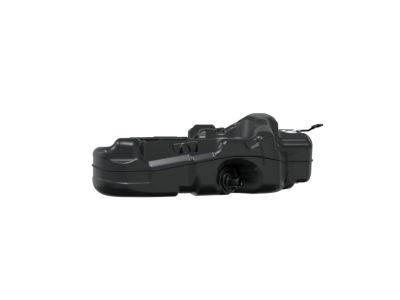
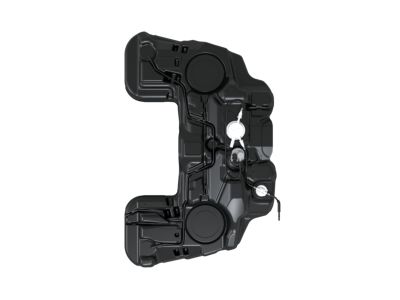

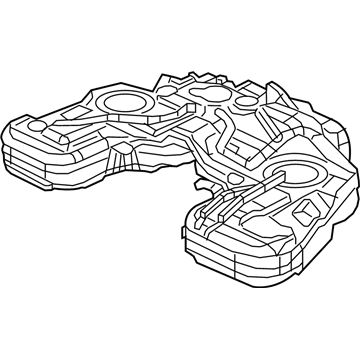
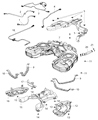

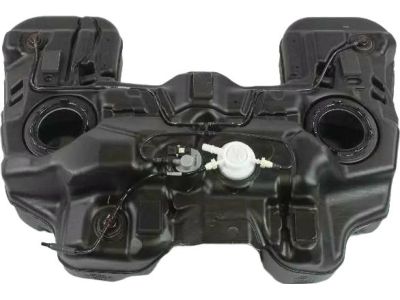

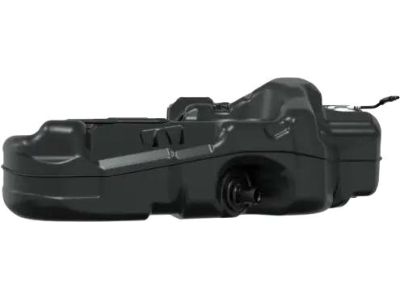
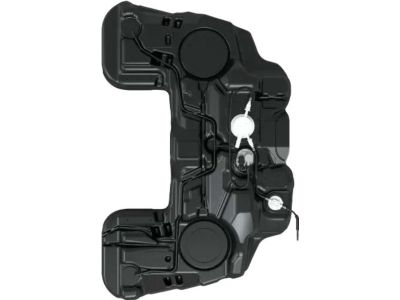
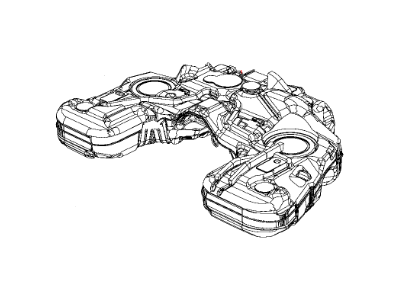
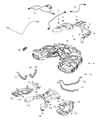
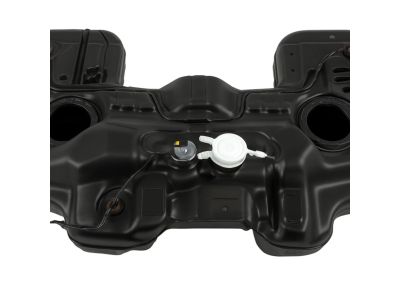
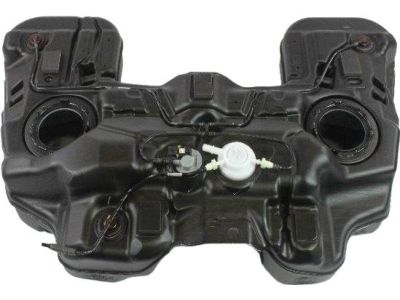



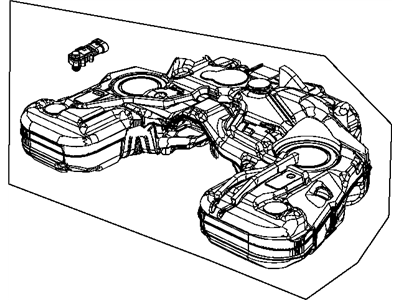
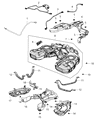
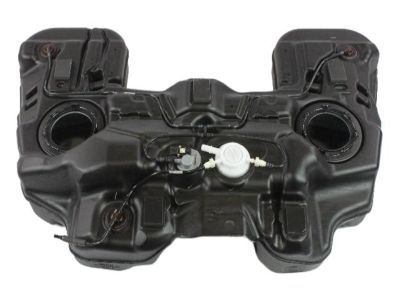


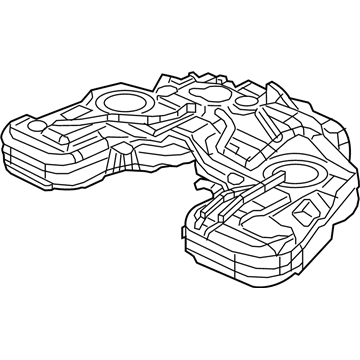
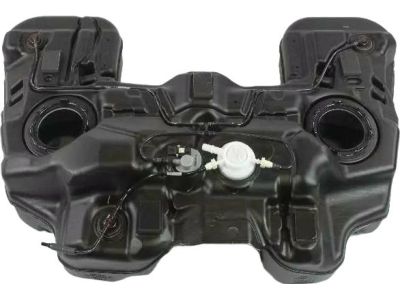
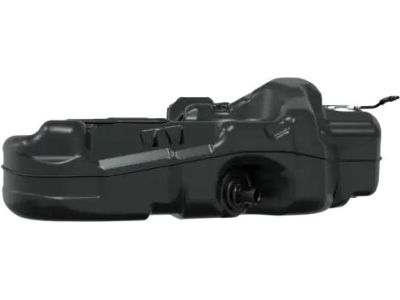
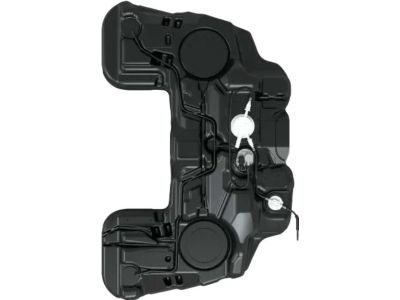
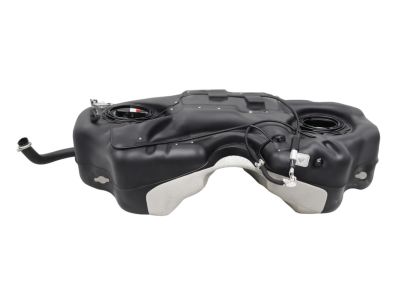
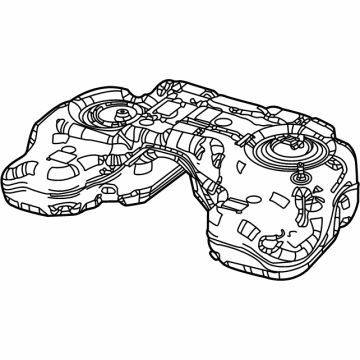
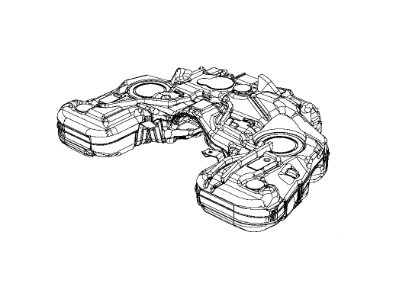
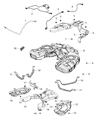
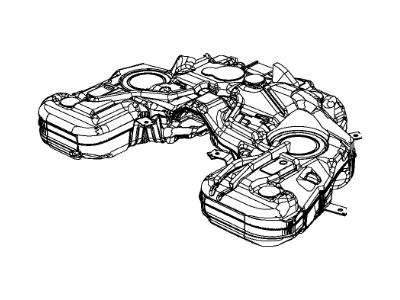
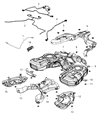
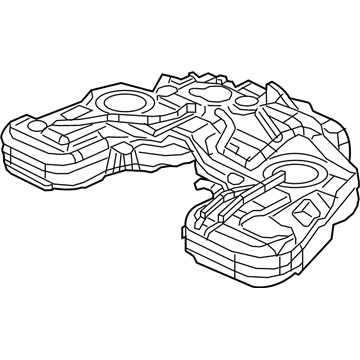
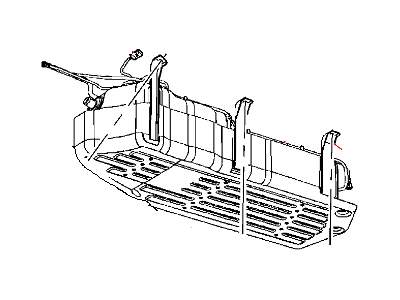
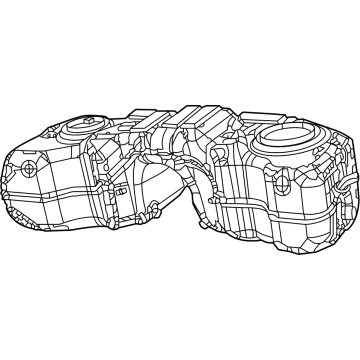
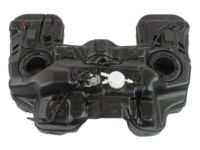
Jeep Grand Cherokee Fuel Tank Rear
Part Number: 68338691AA$886.60 MSRP: $1345.00You Save: $458.40 (35%)






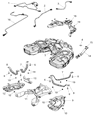
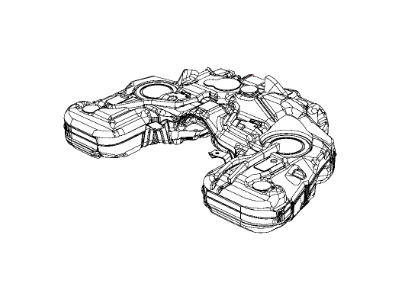
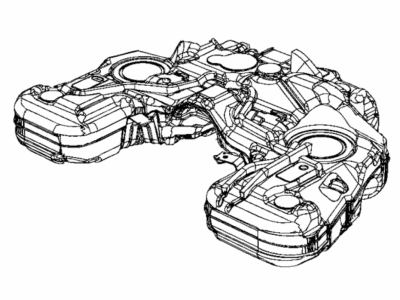
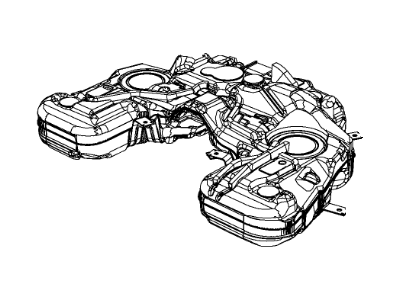
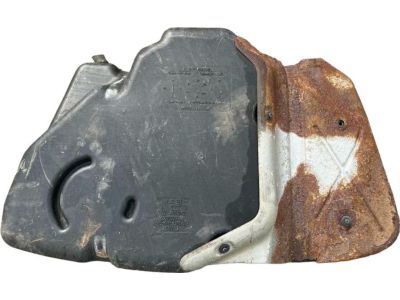
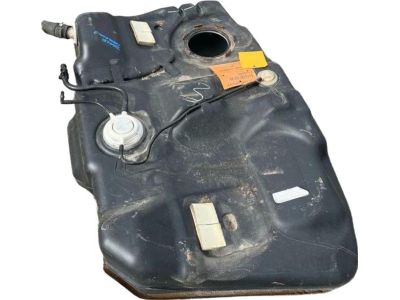
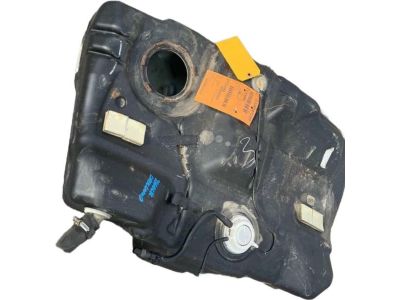
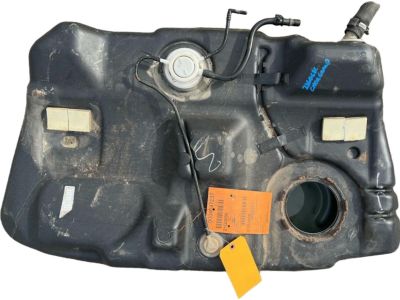
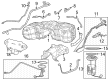

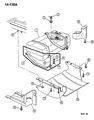
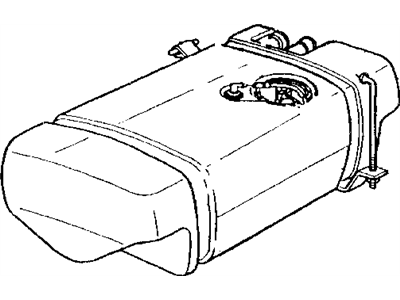
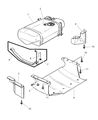
| Page 1 of 2 |Next >
1-20 of 30 Results
Jeep Grand Cherokee Fuel Tank
The Fuel Tank of the Jeep Grand Cherokee is known as a fuel supply tank which help in supplying fuel to the engine and also contains other important components like electric fuel pump as well as fuel gauge sender. Constructed for robust, the tank comes with internal structures known as baffles that reduce fuel movement and the noise it makes, besides, it is part of the Evaporative Emission Control System (EVAP) that prevents vapor loss. In the production of Jeep Grand Cherokee vehicles over the years metal and plastic fuel tanks have been used at some point in time. Metallic tanks are made either of steel or aluminum and are susceptible to corrosion and rusting while the plastic tanks, preferably made of High Density Polyethylene (HDPE) are almost immune to corrosion but are brittle under conditions of extreme stress. Also, high capacity fuel tanks developed using military standard polymer material are available which offers much higher driving range than conventional steel tanks with added design freedom unlike steel tanks.
Looking for affordable and high-quality auto parts? Then you have already arrived at the proper online shop. We offer all Jeep Grand Cherokee Fuel Tank at great affordable prices. Moreover, all genuine Jeep Grand Cherokee Fuel Tank come with a manufacturer's warranty. In the long run, you would realize you have saved a lot of trouble and money with OEM parts from here.
Jeep Grand Cherokee Fuel Tank Parts Questions & Experts Answers
- Q:How to relieve the fuel system pressure and disconnect the battery cable for fuel tank removal on Jeep Grand Cherokee?A:Relieve the fuel system pressure and disconnect the cable from the negative terminal of the battery. Raise the vehicle and place it securely on jackstands. Loosen the hose clamp for the fuel filler neck hose and disconnect the fuel filler neck pipe from the filler neck hose. Disconnect the EVAP fuel vent hose quick-connect fitting from the metal EVAP vent pipe by squeezing the two flat spots together and pulling the fitting off. If the fuel tank still has a lot of fuel, siphon the remaining fuel from the tank through the rubber fuel filler neck hose into an approved gasoline container using a siphoning kit. For 2011 and later models, remove the rear exhaust pipe/muffler assembly, rear driveshaft, exhaust pipe heat shield, and skid plate, if equipped, to access the fuel tank for removal. Support the fuel tank with a pair of floor jacks and remove the fuel tank retaining strap bolts, then detach both retaining straps by lifting the left end of each strap and moving it to the left. Carefully lower the fuel tank just enough to disconnect the electrical connector and fuel supply line from the Fuel Pump/fuel level sending unit module, then locate and disconnect the EVAP fitting at the upper right end of the EVAP canister before lowering the fuel tank the rest of the way to the ground. Installation is basically the reverse of removal, ensuring to remove all components from the old fuel tank if replacing it and securely tighten the fuel tank strap bolts.
Related Jeep Grand Cherokee Parts
 Jeep Grand Cherokee Fuel Pump
 Jeep Grand Cherokee Fuel Filter
 Jeep Grand Cherokee Fuel Tank Strap
 Jeep Grand Cherokee Fuel Pressure Regulator
 Jeep Grand Cherokee Fuel Filler Neck
 Jeep Grand Cherokee Gas Cap
 Jeep Grand Cherokee Fuel Door
 Jeep Grand Cherokee Fuel Door Release Cable
Browse by Year
2025 Fuel Tank 2024 Fuel Tank 2023 Fuel Tank 2022 Fuel Tank 2021 Fuel Tank 2020 Fuel Tank 2019 Fuel Tank 2018 Fuel Tank 2017 Fuel Tank 2016 Fuel Tank 2015 Fuel Tank 2014 Fuel Tank 2013 Fuel Tank 2012 Fuel Tank 2011 Fuel Tank 2010 Fuel Tank 2009 Fuel Tank 2008 Fuel Tank 2007 Fuel Tank 2006 Fuel Tank 2005 Fuel Tank 2004 Fuel Tank 2003 Fuel Tank 2001 Fuel Tank 2000 Fuel Tank 1999 Fuel Tank 1998 Fuel Tank 1997 Fuel Tank 1996 Fuel Tank 1995 Fuel Tank 1994 Fuel Tank