
My Garage
My Account
Cart
Genuine Jeep Grand Cherokee Oil Cooler
Engine Oil Cooler- Select Vehicle by Model
- Select Vehicle by VIN
Select Vehicle by Model
orMake
Model
Year
Select Vehicle by VIN
For the most accurate results, select vehicle by your VIN (Vehicle Identification Number).
18 Oil Coolers found
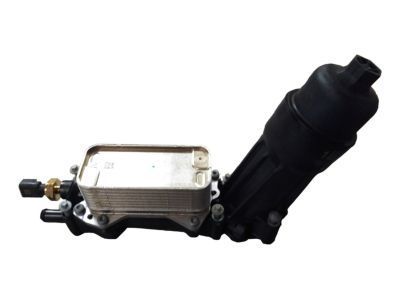
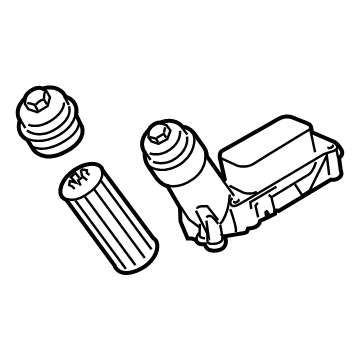
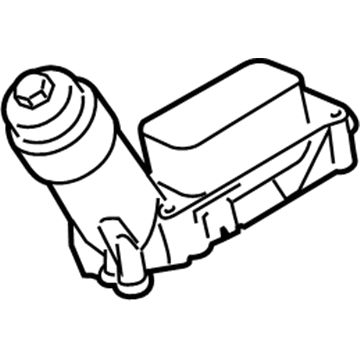
Jeep Grand Cherokee Engine Oil Filter Adapter
Part Number: 68365931AA$162.00 MSRP: $240.00You Save: $78.00 (33%)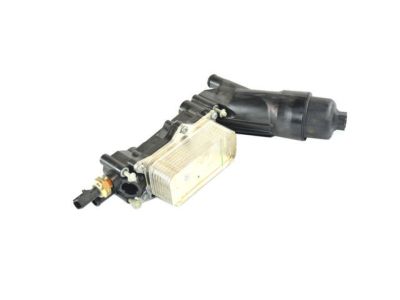
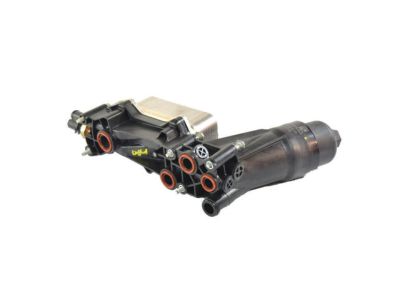
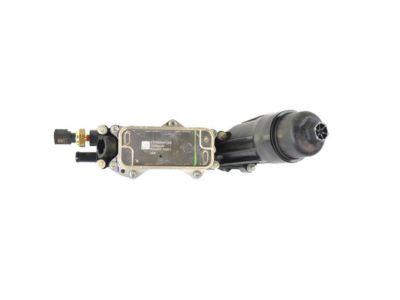
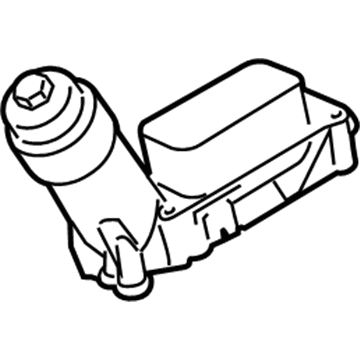
Jeep Grand Cherokee Engine Oil Filter Adapter
Part Number: 68596318AB$162.00 MSRP: $240.00You Save: $78.00 (33%)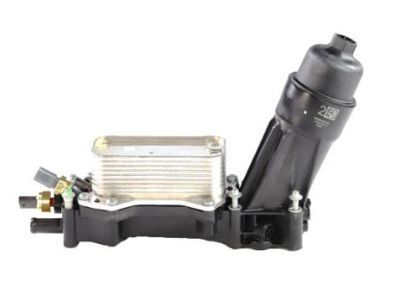
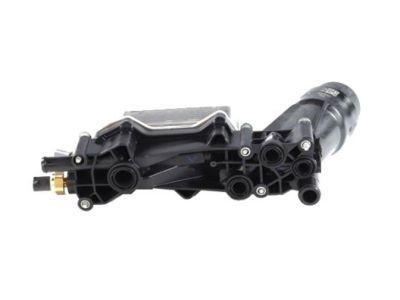
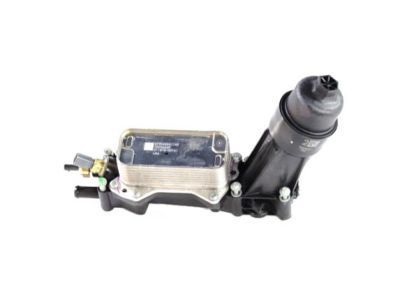
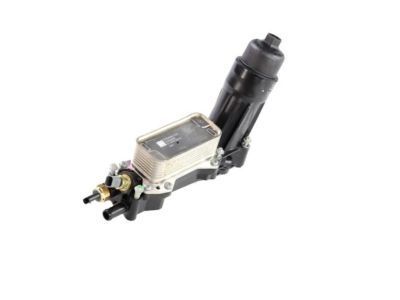
Jeep Grand Cherokee Engine Oil Filter Adapter
Part Number: 68365925AA$193.50 MSRP: $286.00You Save: $92.50 (33%)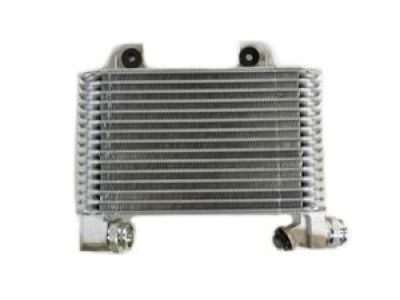
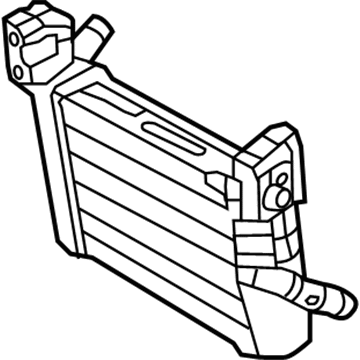
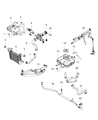
Jeep Grand Cherokee Engine Oil Cooler
Part Number: 5181879AE$359.60 MSRP: $580.00You Save: $220.40 (38%)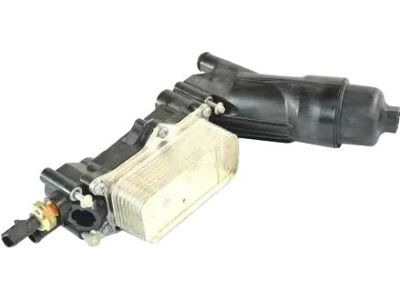
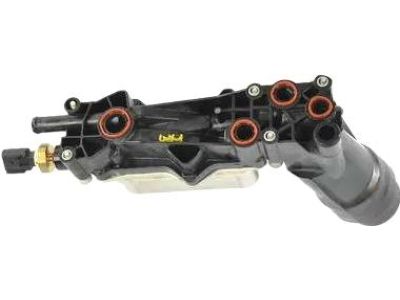
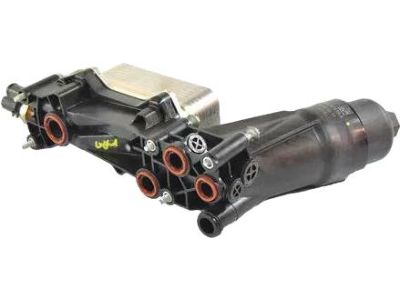
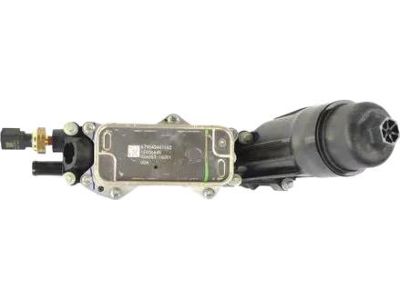
Jeep Grand Cherokee Engine Oil Filter
Part Number: 68365931AB$162.00 MSRP: $240.00You Save: $78.00 (33%)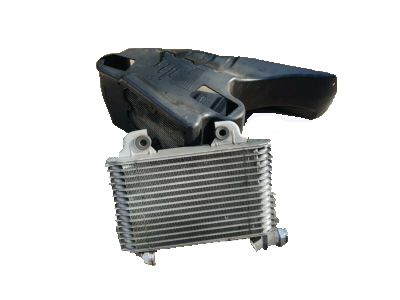
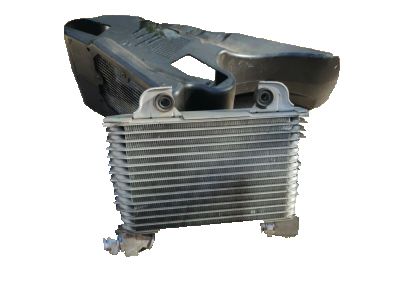
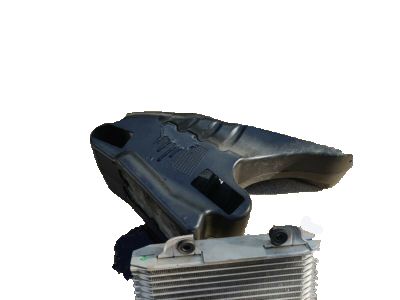
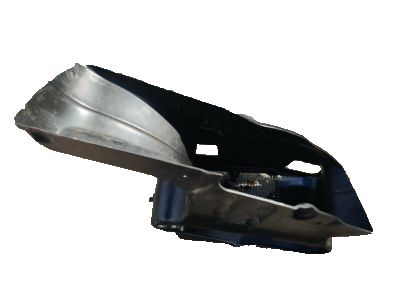
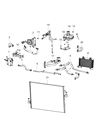
Jeep Grand Cherokee Engine Oil Cooler
Part Number: 5181879AD$359.60 MSRP: $580.00You Save: $220.40 (38%)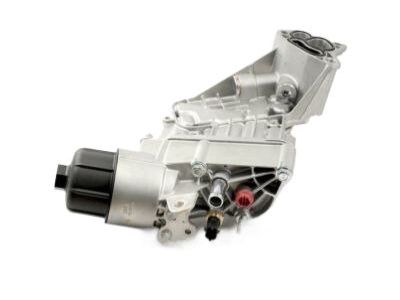
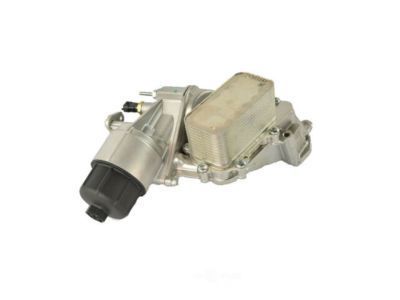
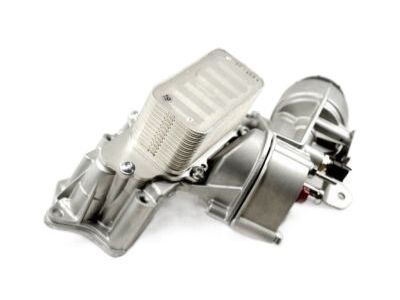
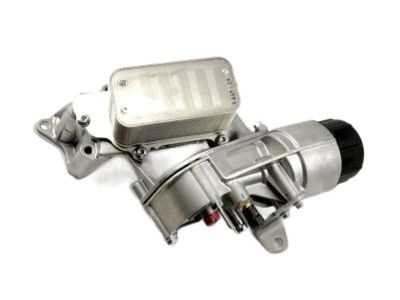
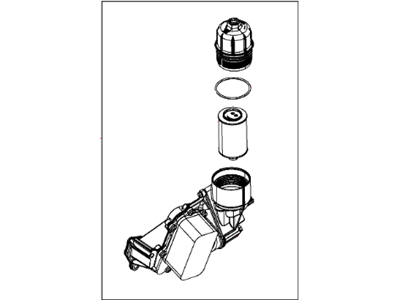
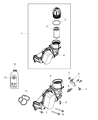
Jeep Grand Cherokee Engine Oil Cooler
Part Number: 68269916AB$580.80 MSRP: $880.00You Save: $299.20 (34%)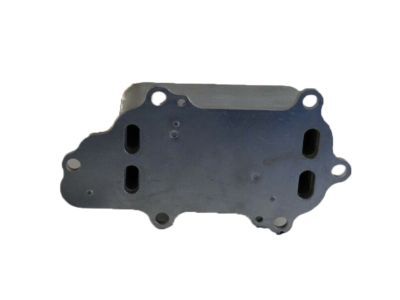
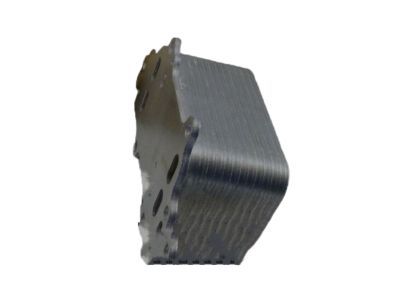
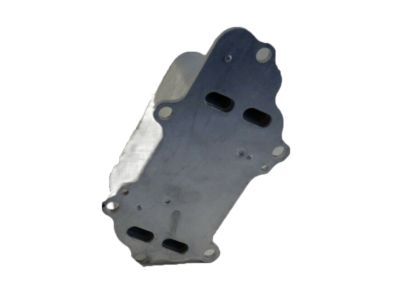
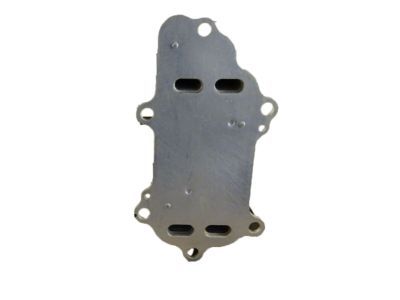
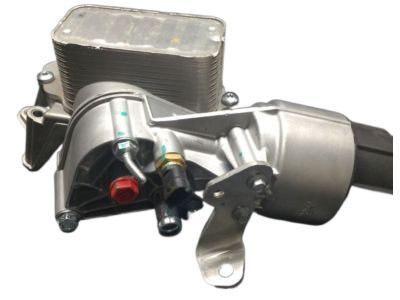
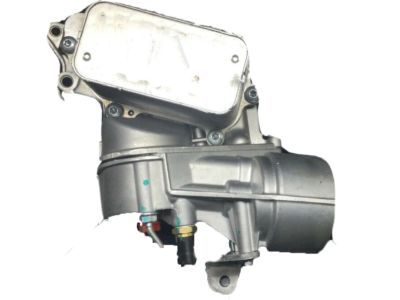
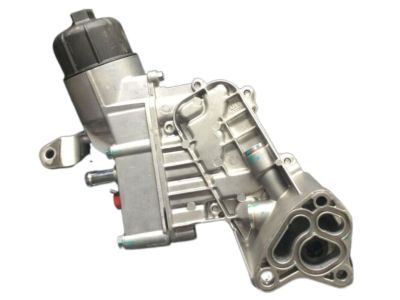
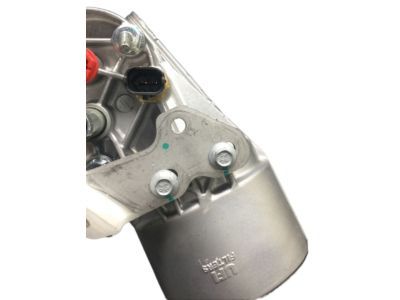
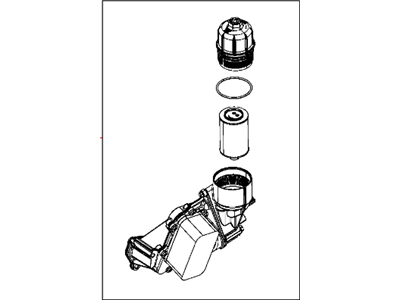
Jeep Grand Cherokee Engine Oil Cooler
Part Number: 68211440AC$369.36 MSRP: $541.00You Save: $171.64 (32%)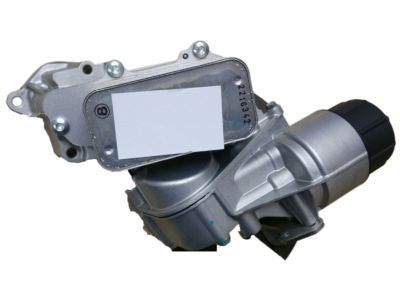
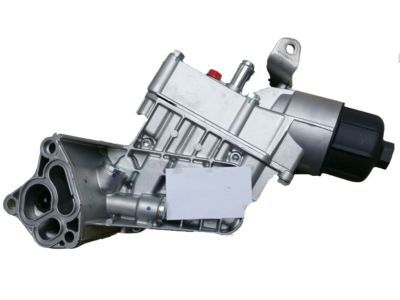
Jeep Grand Cherokee Engine Oil Cooler
Part Number: 68211440AA$369.36 MSRP: $541.00You Save: $171.64 (32%)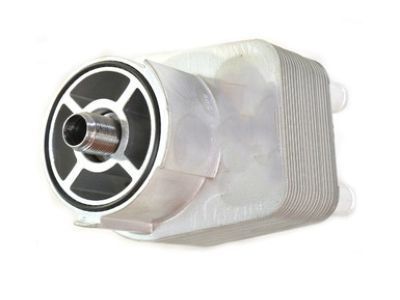
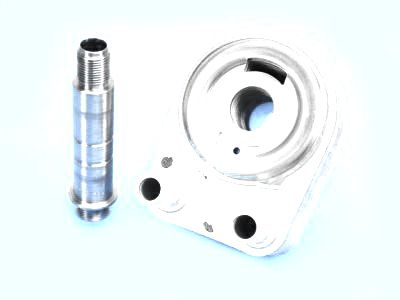
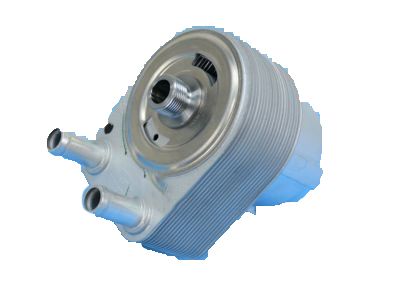
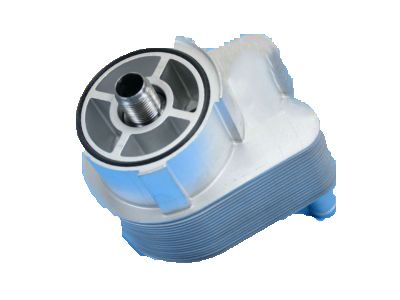
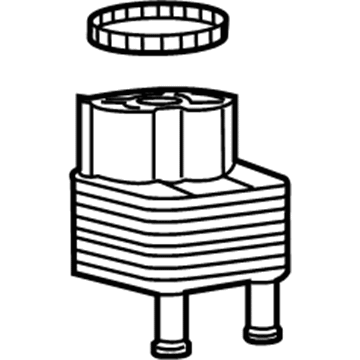
Jeep Grand Cherokee Engine Oil Cooler
Part Number: 5037523AB$207.00 MSRP: $307.00You Save: $100.00 (33%)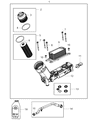
Jeep Grand Cherokee Engine Oil Filter Adapter
Part Number: 68365931AC$162.00 MSRP: $240.00You Save: $78.00 (33%)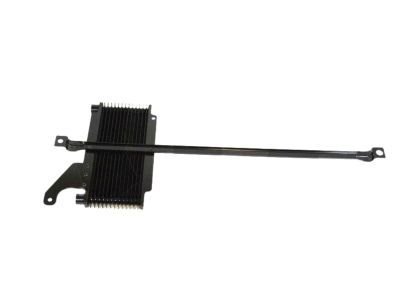
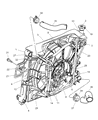
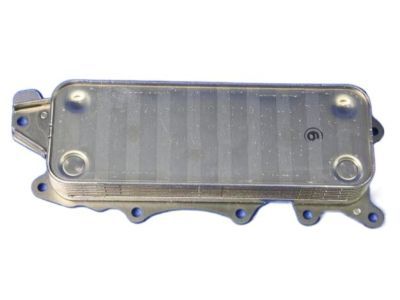
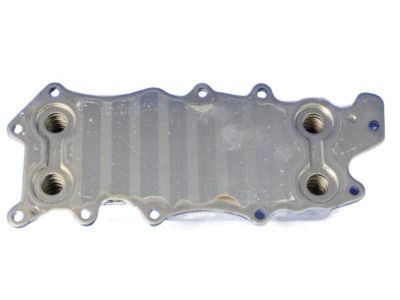
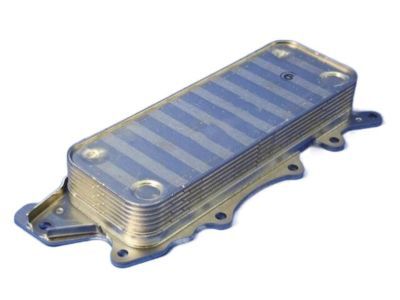
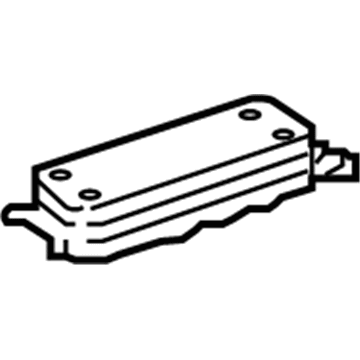
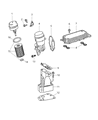
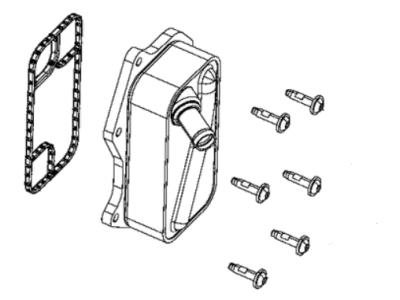
Jeep Grand Cherokee Engine Oil Cooler
Part Number: 5048312AC$94.36 MSRP: $140.00You Save: $45.64 (33%)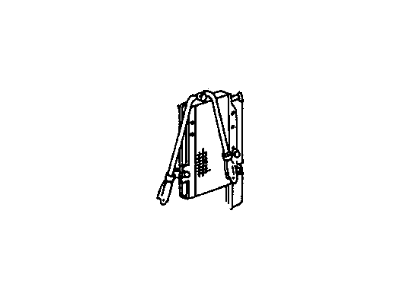
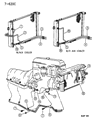
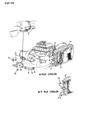
Jeep Grand Cherokee Oil Cooler
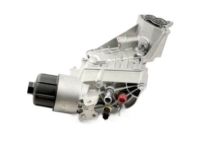
The Oil Cooler in Jeep Grand Cherokee automobiles is quite vital as it facilitates regulation of temperature of the engine oil for efficiency and durability. The Oil Cooler operates through oil-to-water cooling mechanism that forms part of the car's cooling system and enables the oil to warm-up effectively without reaching an excessive heat that otherwise leads to deterioration of its lubricating features. In Jeep Grand Cherokee models, different types of Oil Coolers have been utilized over the years and the factory fitted units have often been found to be inadequate especially when vehicles are being towed in hot conditions. Problems such as chocking and forming of rust may pose problems in the functionality of these coolers and may cause oil contamination. Incase of cooler failures or where an Oil Cooler is absent, one can find kits and parts to properly cool Jeep Grand Cherokee oil temperatures and thus improving on the engine life.
Looking for affordable and high-quality auto parts? Then you have already arrived at the proper online shop. We offer all Jeep Grand Cherokee Oil Cooler at great affordable prices. Moreover, all genuine Jeep Grand Cherokee Oil Cooler come with a manufacturer's warranty. In the long run, you would realize you have saved a lot of trouble and money with OEM parts from here.
Jeep Grand Cherokee Oil Cooler Parts Questions & Experts Answers
- Q:How to Effectively Replace the Oil Cooler and Manage Transmission Fluid and Components on Jeep Grand Cherokee?A:Models from 2010 and earlier are equipped with an external air-to-oil cooler and an internal oil-to-coolant cooler, either as standard or optional equipment, with external transmission oil coolers mounted in front of the radiator, varying in size and mounting configurations. In contrast, models from 2011 and later feature transmission coolers integrated into the condenser. To replace the condenser/transmission cooler assembly, first disconnect the cable from the negative battery terminal, then place a drain pan underneath the oil cooler line fittings to catch any spilled transmission fluid. Raise the front of the vehicle securely on jackstands, and use a quick-connect release tool to disconnect the transmission oil cooler line fittings by inserting the tool into each fitting to release the locking fingers, then pull the fittings apart and plug the lines to prevent spills. Detach the transmission oil cooler lines from the radiator side tank or from the transmission, using a back-up wrench on stationary fittings to avoid damage. Remove the upper radiator panel cover to access the cooler, then take out the transmission oil cooler mounting bolts and carefully remove the cooler, ensuring not to damage the oil cooler tubes or radiator cooling fins. If the cooler was removed for flushing after a transmission failure, have it flushed by a dealer service department or transmission shop, as special tools are required for proper flushing. Installation follows the reverse order of removal, and check the transmission fluid level, adding more if necessary.
Related Jeep Grand Cherokee Parts
 Jeep Grand Cherokee Oil Filter
 Jeep Grand Cherokee Oil Pan
 Jeep Grand Cherokee Oil Pan Gasket
 Jeep Grand Cherokee Oil Pump
 Jeep Grand Cherokee Dipstick
 Jeep Grand Cherokee Drain Plug
 Jeep Grand Cherokee Oil Pump Gasket
 Jeep Grand Cherokee Drain Plug Washer
 Jeep Grand Cherokee Dipstick Tube
 Jeep Grand Cherokee Oil Filler Cap
Browse by Year
2025 Oil Cooler 2024 Oil Cooler 2023 Oil Cooler 2022 Oil Cooler 2021 Oil Cooler 2020 Oil Cooler 2019 Oil Cooler 2018 Oil Cooler 2017 Oil Cooler 2016 Oil Cooler 2015 Oil Cooler 2014 Oil Cooler 2013 Oil Cooler 2012 Oil Cooler 2011 Oil Cooler 2008 Oil Cooler 2007 Oil Cooler 2001 Oil Cooler 2000 Oil Cooler 1999 Oil Cooler 1997 Oil Cooler 1996 Oil Cooler 1995 Oil Cooler 1994 Oil Cooler 1993 Oil Cooler