My Garage
My Account
Cart
Genuine Jeep Liberty Transfer Case
Speed Transfer Case- Select Vehicle by Model
- Select Vehicle by VIN
Select Vehicle by Model
orMake
Model
Year
Select Vehicle by VIN
For the most accurate results, select vehicle by your VIN (Vehicle Identification Number).
33 Transfer Cases found
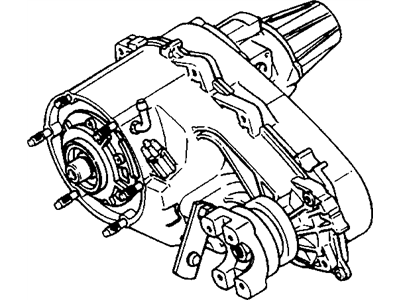
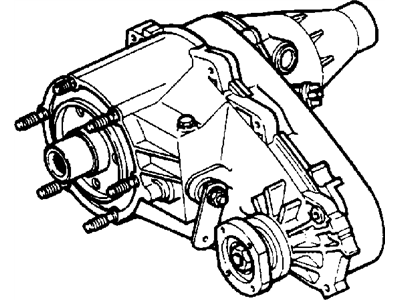
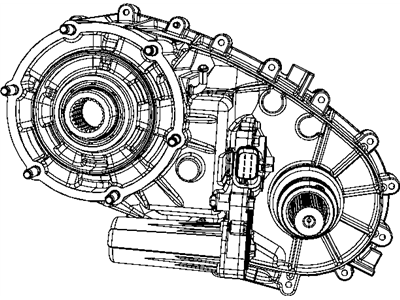
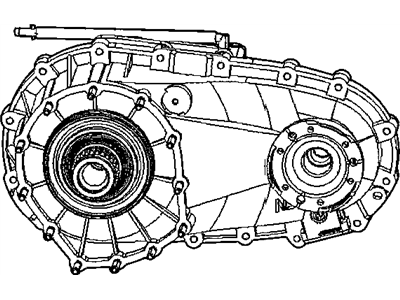
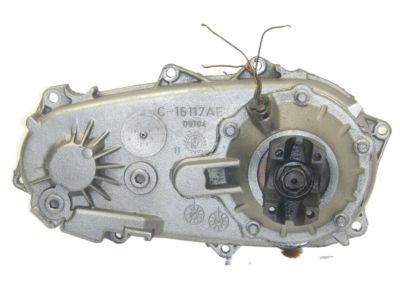
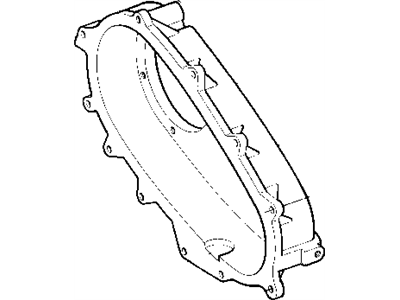
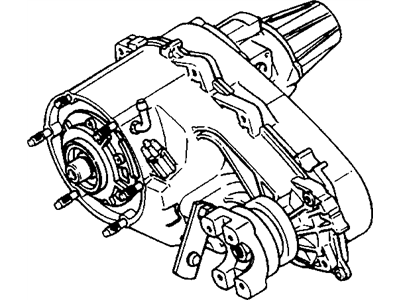
Jeep Liberty Transfer Case Assembly
Part Number: RL853123AD$2196.25 MSRP: $2575.00You Save: $378.75 (15%)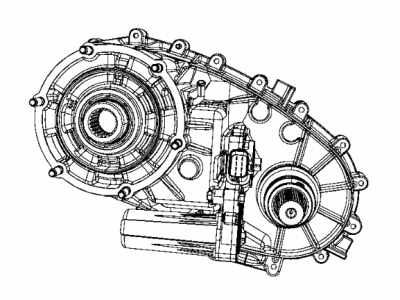
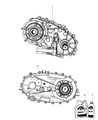
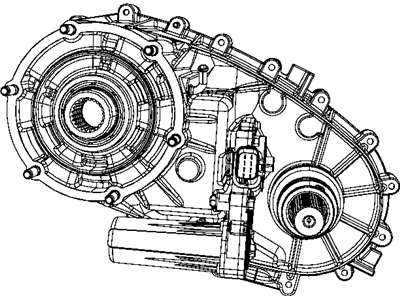
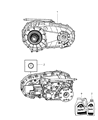
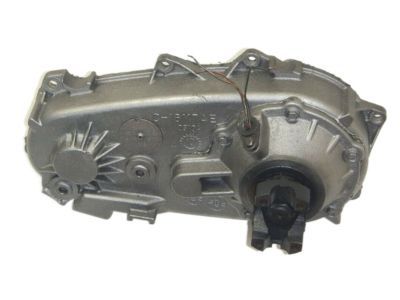
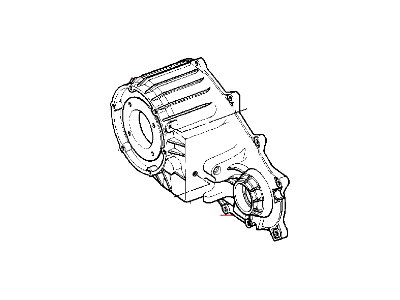
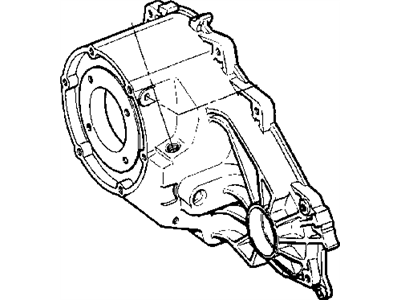
Jeep Liberty Transfer Case Assembly Model
Part Number: 52853751AA$303.97 MSRP: $3250.00You Save: $2946.03 (91%)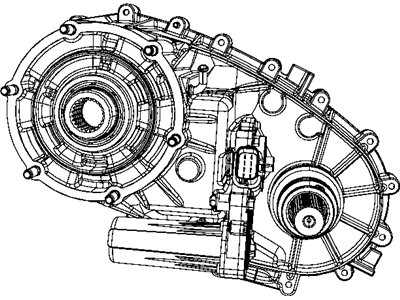
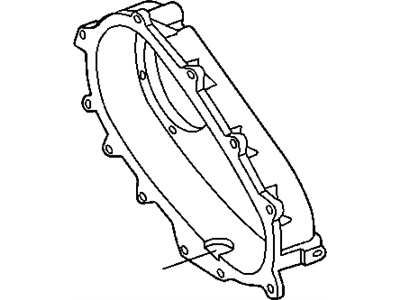
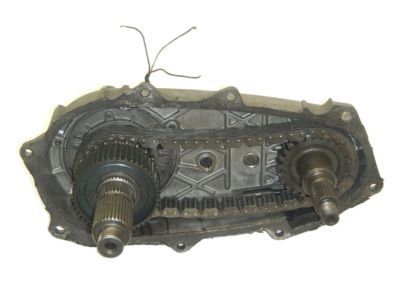
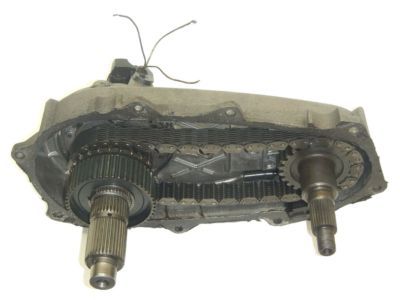
Jeep Liberty Transfer Case Assembly Model
Part Number: 52853751AB$303.97 MSRP: $3250.00You Save: $2946.03 (91%)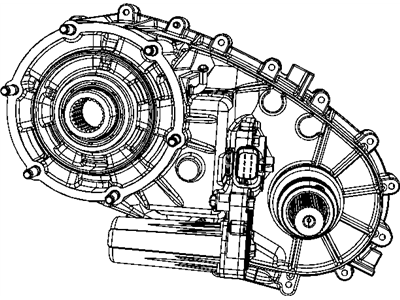

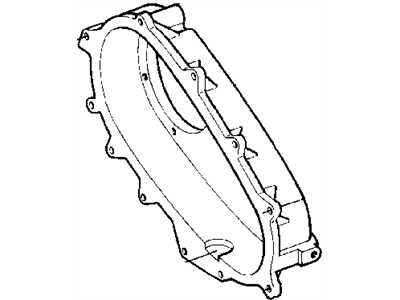
| Page 1 of 2 |Next >
1-20 of 33 Results
Jeep Liberty Transfer Case
The Jeep Liberty Transfer Case gives the SUV the vital ability to split engine power between front and rear axles for confident four wheel traction. Bolted behind the transmission, this Transfer Case uses internal gears or a sturdy chain to send torque through both driveshafts. Early Liberty models relied on a lever controlled part time design, letting drivers swap from 2WD to 4WD High on the move, or shift into 4WD Low while stopped for rock crawling. Later Jeep editions introduced an electric motor and dash switch that engage the same functions without a floor shifter. Part time units remain common because they avoid driveline bind by running in 2WD on dry pavement, while full time or AWD style Transfer Case variants found on some Liberty trims add a center differential or viscous coupling so front and rear shafts can spin at different speeds during daily driving. Regardless of style, the Transfer Case houses a low range for extra torque and stands as the link that makes every Jeep Liberty ready for snow, mud, and steep trails. Warning signs such as loud popping, delayed engagement, or difficulty shifting point to chain or gear wear inside the Transfer Case and, if ignored, can leave the Jeep stuck in two wheel drive or unable to move at all.
Looking for affordable and high-quality auto parts? Then you have already arrived at the proper online shop. We offer all Jeep Liberty Transfer Case at great affordable prices. Moreover, all genuine Jeep Liberty Transfer Case come with a manufacturer's warranty. In the long run, you would realize you have saved a lot of trouble and money with OEM parts from here.
Jeep Liberty Transfer Case Parts Questions & Experts Answers
- Q:How to remove and install a transfer case on Jeep Liberty?A:To have the transfer case pulled out, lift the car and safely jack it on stands and also shift the transfer case to Neutral. If so provided, unbolt the skid plate and then drain the transfer case of its lubrication fluid. Unplug the electrical connectors from the transfer case position sensor, the shift motor, shift mode sensor provided that you are working on them and the vent hose of the transfer case. Remove the shift cable from the transfer case shift lever and bracket, and the driveshafts. Place support on the transfer case using a jack, and ideally the jack which is appropriate for this function, and it is advisable to connect it by safe chains. Lose all the nuts that hold the transfer case to the transmission, and ensure that all the wiring and hoses are disconnected from it, before then using the jack to shift the transfer case and jack rearward till the it is free from the transmission, while maintaining a level position. Once the input shaft is clear place the transfer case back into the low gear, and then lower and pull out from underneath the car. To install place the transfer case in the jack and lift it into position behind the transmission and gently slide it forward until the input shaft engages the output shaft of the transmission without the need to apply much force. Torque the transfer case-to-transmission nuts, pull the safety chains and put away the jack. If equipped, reinstall the skid plate and driveshafts, reconnect the transfer case vent hose, reconnect the shift cable to the transfer case gear shift lever, reconnect the electrical connector. Ensure that the transfer case is properly lubricated and top up where necessary, the same case applies to the lubricant level of the manual transmission if any. Lastly, take out the jackstands, lower the vehicle and perform a road test to check for all the functions of the vehicle and also to check if there is any leakage.