My Garage
My Account
Cart
Genuine Jeep Patriot Parking Brake Shoe
Emergency Parking Brake Shoe- Select Vehicle by Model
- Select Vehicle by VIN
Select Vehicle by Model
orMake
Model
Year
Select Vehicle by VIN
For the most accurate results, select vehicle by your VIN (Vehicle Identification Number).
5 Parking Brake Shoes found
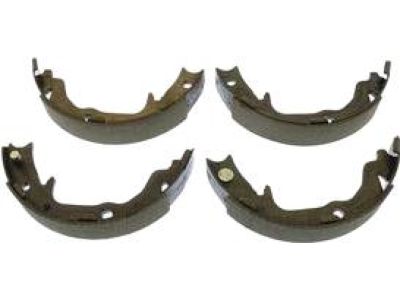
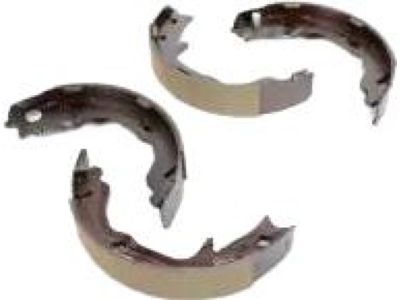
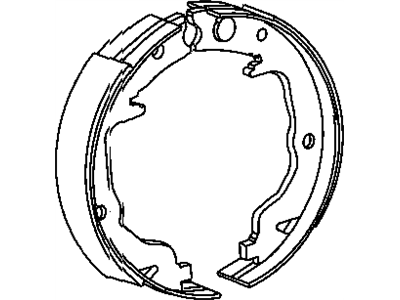
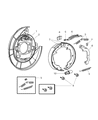
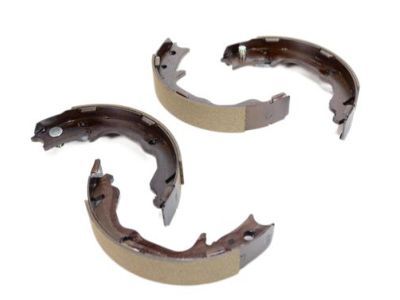
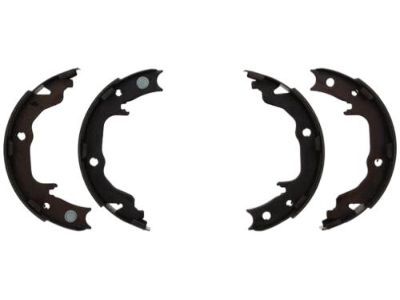
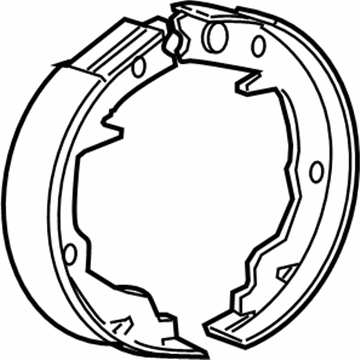
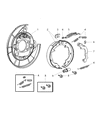
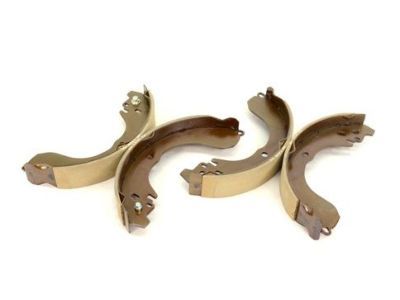
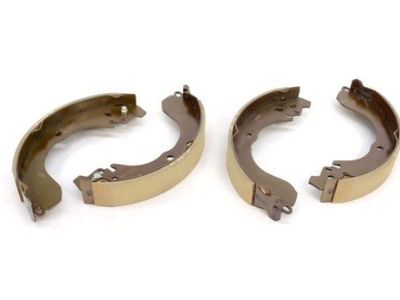
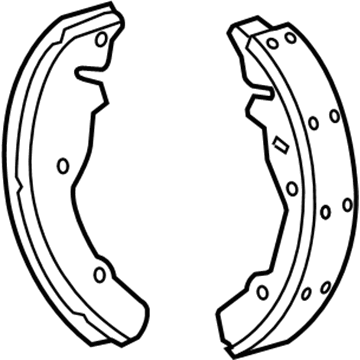
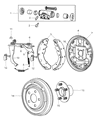
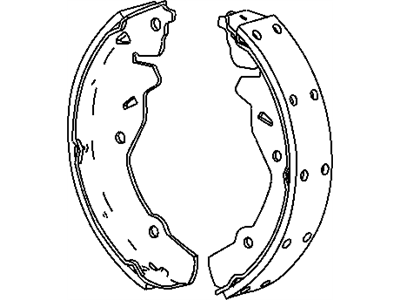
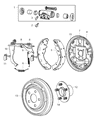
Jeep Patriot Parking Brake Shoe
The Parking Brake Shoe in Jeep Patriot Models is important part because it helps to immobilize the wheels of the car when parked. This is realized through the use of brake lining that rubs on the drum wall to create friction that will eradicate any movement of the wheel in case the parking brake is applied. There may be different varieties of Parking Brake Shoe that has been applied in different Jeep Patriot models in the years but certain types are not defined. The major differences that are normally observed in classification of these styles are therefore based on design and material they are made from which may impact on their performance and longevity.
Looking for affordable and high-quality auto parts? Then you have already arrived at the proper online shop. We offer all Jeep Patriot Parking Brake Shoe at great affordable prices. Moreover, all genuine Jeep Patriot Parking Brake Shoe come with a manufacturer's warranty. In the long run, you would realize you have saved a lot of trouble and money with OEM parts from here.
Jeep Patriot Parking Brake Shoe Parts Questions & Experts Answers
- Q:How to replace and adjust the parking brake shoes on Jeep Patriot?A:Loosen the rear wheel lug nuts, raise the rear end of the vehicle, and support it securely on jackstands. Block the front wheels to keep the vehicle from rolling. Release the parking brake and remove the rear wheels. Remove the Brake Caliper and Brake Disc. Once the disc is removed clean the parking brake assembly with brake system cleaner. Using locking pliers, unhook and remove the springs. Remove the adjuster assembly and strut from between the brake shoes. Grasp one of the shoe hold-down cups with pliers and push it toward the brake backing plate to compress the hold-down spring. Twist the cup 1/4-turn to align the slot in the hold-down pin with the cup, then release the spring pressure and take off the cup and spring. Repeat this with the cup and spring on the other parking brake shoe. Take the shoes off the backing plate. Disengage the parking brake lever from the cable. Check all parts for wear and damage paying special attention to metal-to-metal contact points. Replace worn or damaged parts. Check the parking brake drum surface inside the brake disc for score marks, cracks, deep scratches, and hard spots. If necessary, resurface the drum. Apply a small amount of high-temperature brake grease to the friction points of the backing plate and adjuster screw assembly. Reverse the removal steps to install the brake shoes. Install the brake disc and caliper. Adjust the parking brake. Install the wheel and lug nuts. Lower the vehicle and tighten the lug nuts. Check the operation of the parking brake.