
My Garage
My Account
Cart
Genuine Jeep Wrangler Intake Manifold
Engine Intake Manifold- Select Vehicle by Model
- Select Vehicle by VIN
Select Vehicle by Model
orMake
Model
Year
Select Vehicle by VIN
For the most accurate results, select vehicle by your VIN (Vehicle Identification Number).
28 Intake Manifolds found
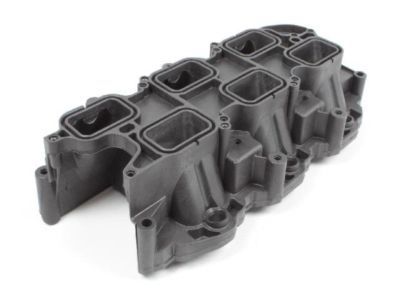
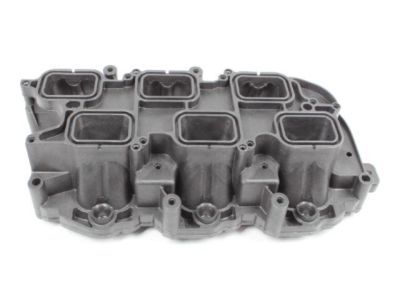
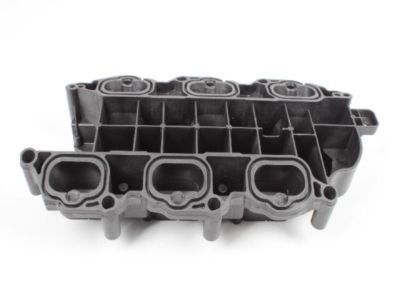
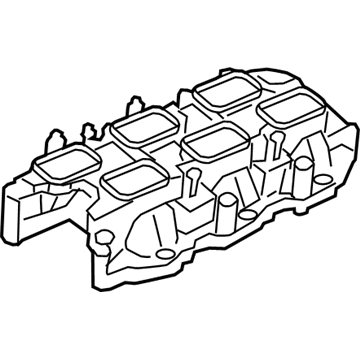
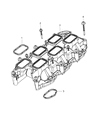
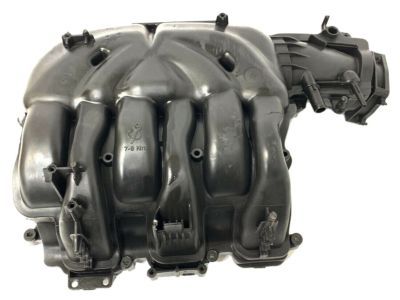
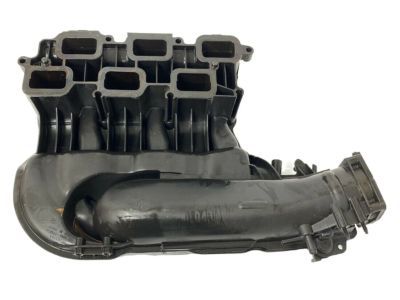
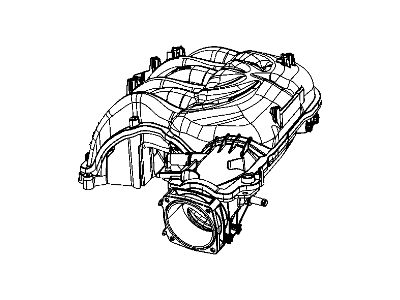
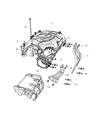
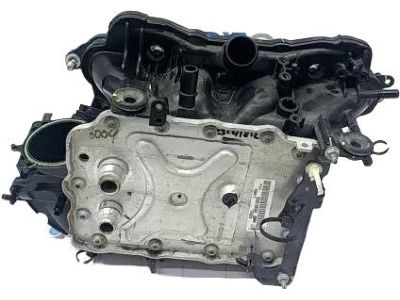
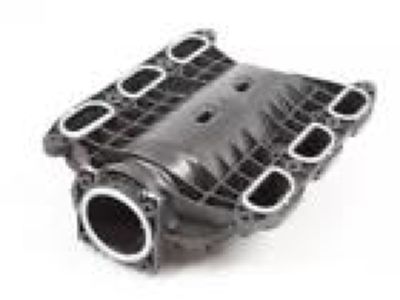
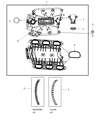
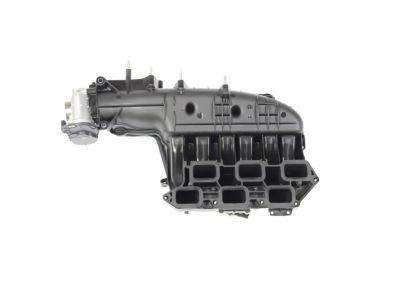
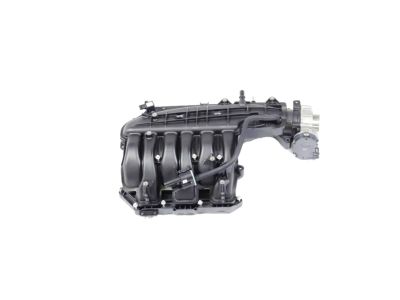
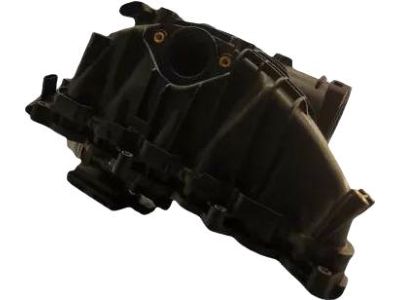
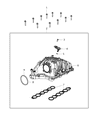
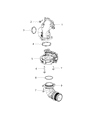
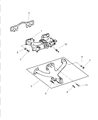
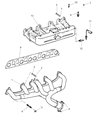
Jeep Wrangler Engine Intake Manifold
Part Number: 68141333AA$387.60 MSRP: $572.00You Save: $184.40 (33%)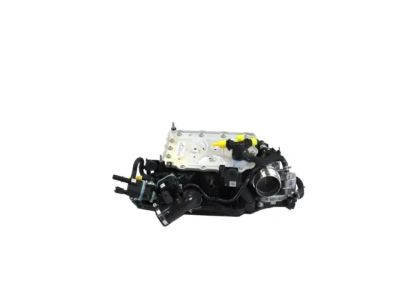
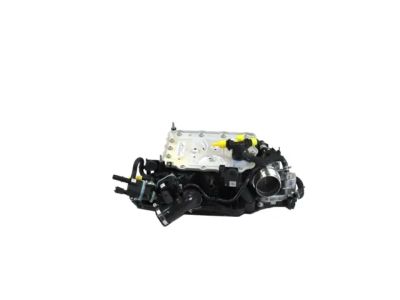
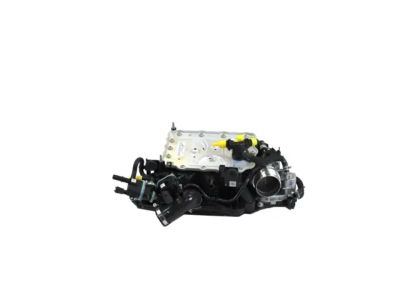
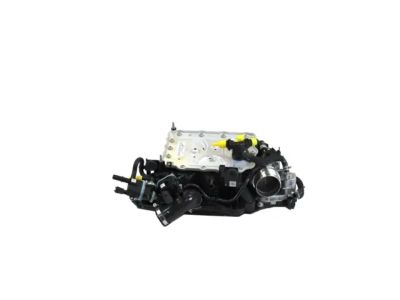
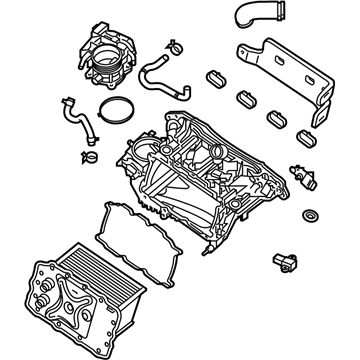
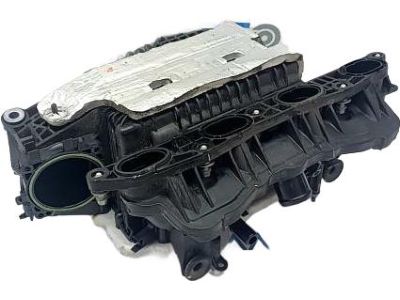
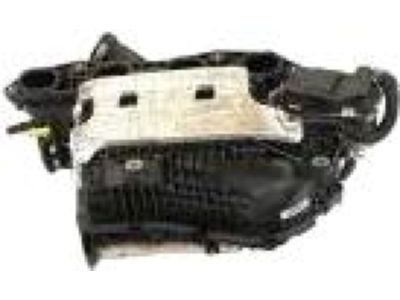
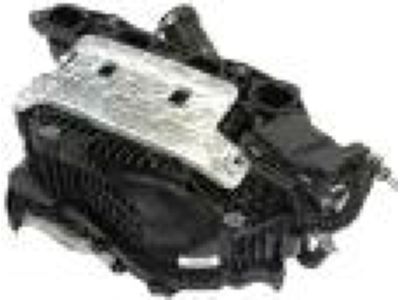
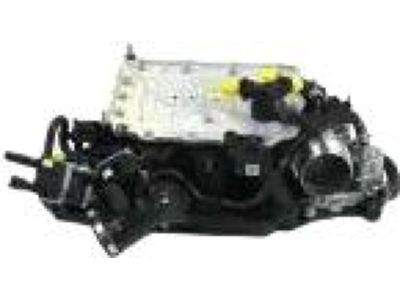
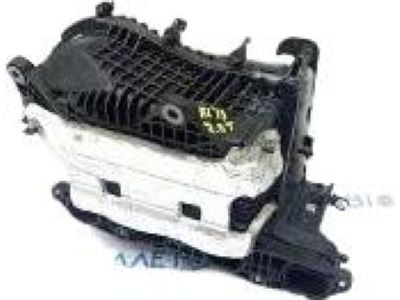

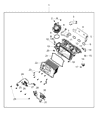
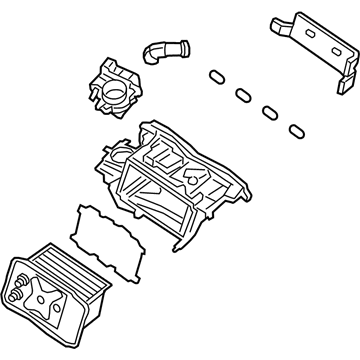
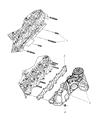
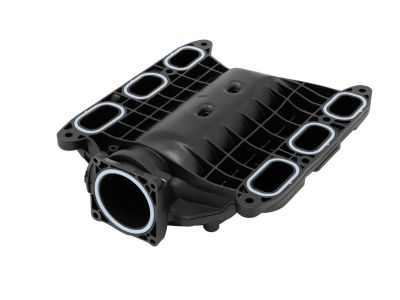
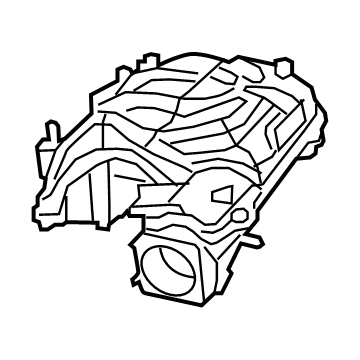
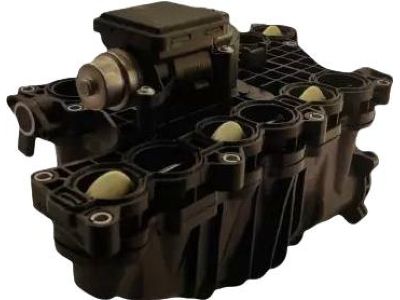
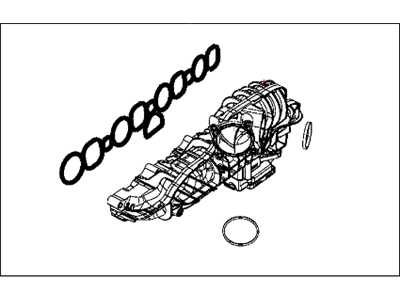
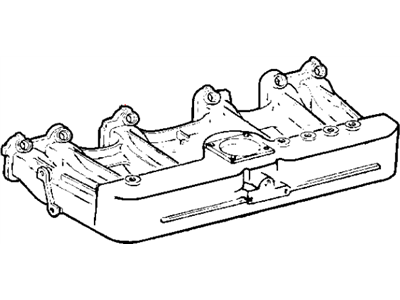
Jeep Wrangler Intake Manifold Assembly
Part Number: 68029436AC$3130.10 MSRP: $4620.00You Save: $1489.90 (33%)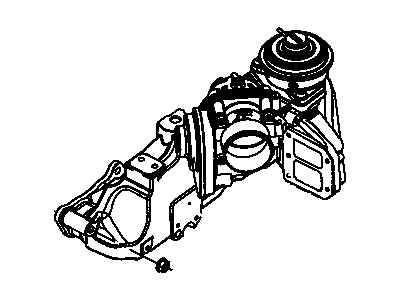
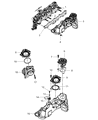
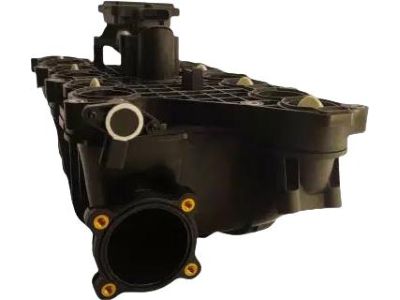
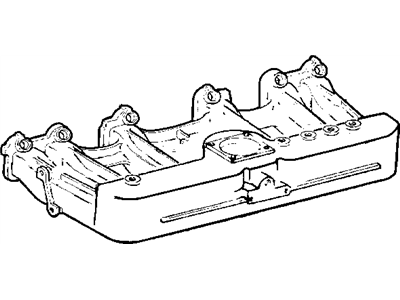
Jeep Wrangler Intake Manifold Assembly
Part Number: 68029436AA$3130.10 MSRP: $4620.00You Save: $1489.90 (33%)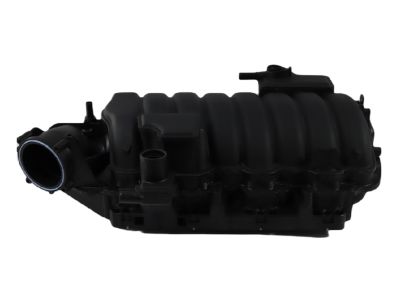
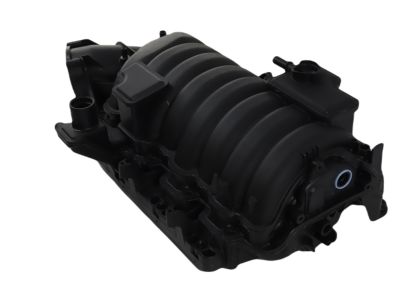
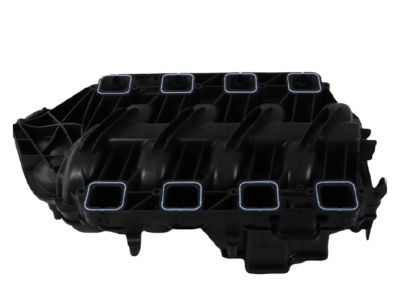
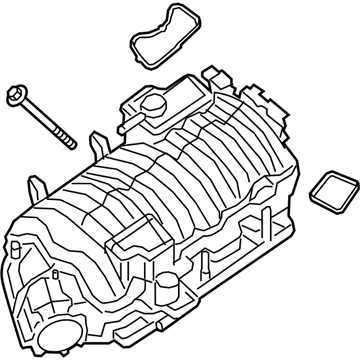
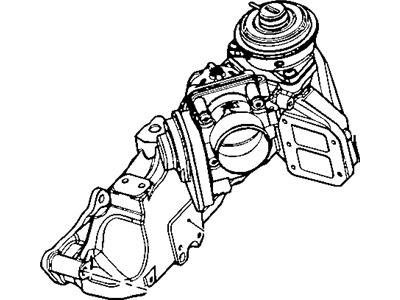
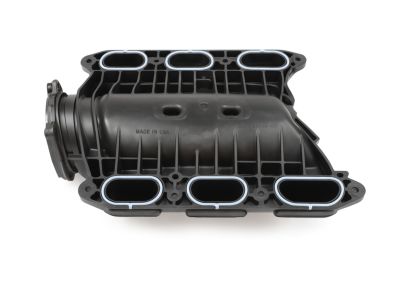
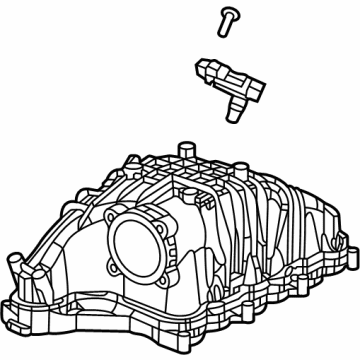
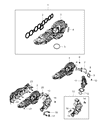
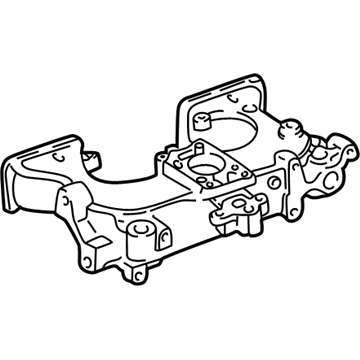
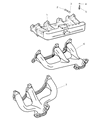
Jeep Wrangler Manifold-Engine Intake
Part Number: 68190715AD$1062.20 MSRP: $1580.00You Save: $517.80 (33%)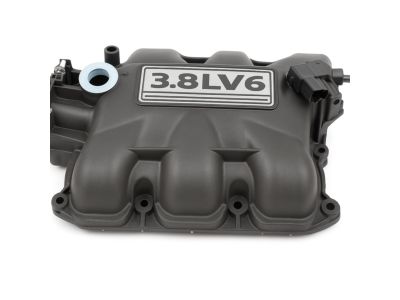
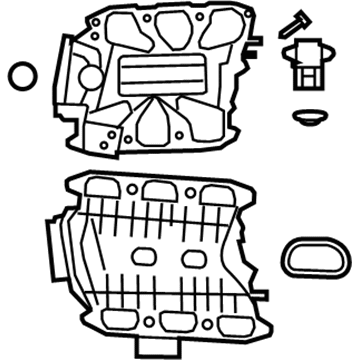
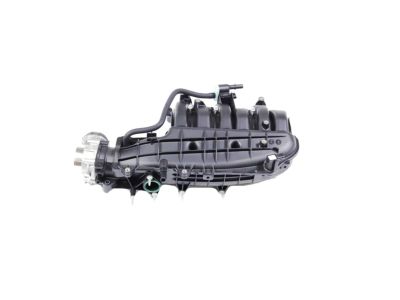
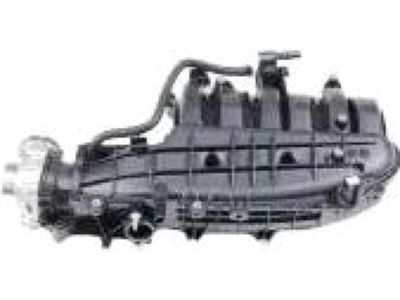
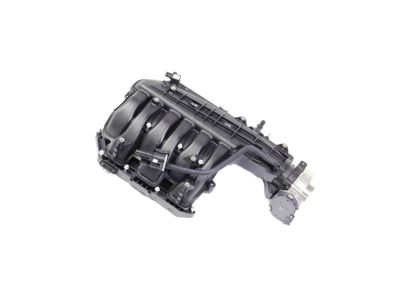


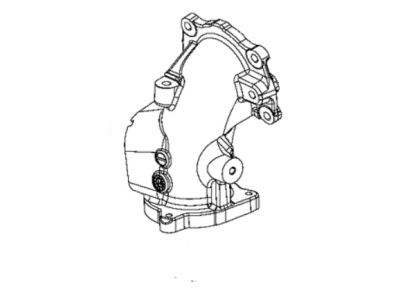
Jeep Wrangler Elbow-Intake Manifold
Part Number: 68417948AA$78.06 MSRP: $116.00You Save: $37.94 (33%)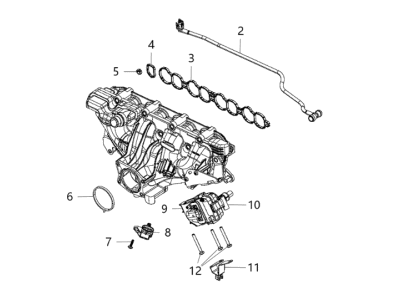
| Page 1 of 2 |Next >
1-20 of 28 Results
Jeep Wrangler Intake Manifold
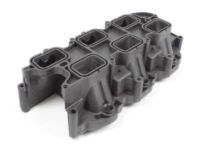
Intake manifold of Jeep Wrangler vehicles is principally responsible to distribute the air or the air/fuel mixture to every cylinder head intake port which in a very effective manner affect the power and performance of the engine. Intake Manifold has undergone transformation in different jeep wrangler models, utilizing improved technologies in material such as cast iron, aluminum, composite plastics that are lighter and have better heat conductivity in enhancing combustion. Various Intake Manifolds have been employed with variable geometry to bring in better airflow hence better torque and fuel efficiency. These include the Variable Length Intake Manifold(VLIM) whereby the airflow is controlled by techniques like the venturi effect or Helmholtz resonance in accordance to the load of the engine.
Looking for affordable and high-quality auto parts? Then you have already arrived at the proper online shop. We offer all Jeep Wrangler Intake Manifold at great affordable prices. Moreover, all genuine Jeep Wrangler Intake Manifold come with a manufacturer's warranty. In the long run, you would realize you have saved a lot of trouble and money with OEM parts from here.
Jeep Wrangler Intake Manifold Parts Questions & Experts Answers
- Q:How to remove and install the intake manifold in 2.4L four cylinder engine on Jeep Wrangler?A:The intake manifold is made of aluminum and has two parts, the upper and lower one; the upper intake manifold is enough to remove only when some work on spark plugs or valve cover is to be done. To achieve complete removal the fuel system pressure has to be discharged, the negative terminal has to be loosened. The bolts of Intake Air Temperature sensor need to be removed and the electrical connector needs to be disconnected and the tube for the air intake and the upper housing of the air filter. Also, electrical connectors at the IAC motor, TPS, and MAP sensor must be disconnected, as well as vacuum hoses from several parts. The accelerator cable as well as the cruise control and transmission control cables, if installed, must be disconnected. To replace or repair the EGR pipe the EGR pipe is disconnected with the EGR valve and also with the intake manifold by just unbolt it and then the oil dipstick is removed. When the upper and the lower intake manifolds are removed as a unit then the subsequent procedures include the detaching of the electrical connector to the Coolant Temperature Sensor, fuel injector harness connectors in addition to the fuel rail, pressure regulator and injectors assembly. This part should be removed when replacing servicing the intake manifold plenum, however; it can stay on if not necessary. To remove the intake manifold and its gasket, a number of bolts holding the intake manifold support bracket and the intake manifold bolts and washers are required. For inspection the straightedge and feeler gauge should be employed to check for warpage on the mating surfaces of the intake manifold and cylinder head and if this is greater than specified limits, the intake manifold or cylinder head must be resurfaced or replaced. A new manifold gasket should be installed when the manifold is being installed and the intake manifold bolts should be tightened to specification in a star pattern with the remainder of the installation in the reverse of the removal process.
Related Jeep Wrangler Parts

Browse by Year
2025 Intake Manifold 2024 Intake Manifold 2023 Intake Manifold 2022 Intake Manifold 2021 Intake Manifold 2020 Intake Manifold 2019 Intake Manifold 2018 Intake Manifold 2017 Intake Manifold 2016 Intake Manifold 2015 Intake Manifold 2014 Intake Manifold 2013 Intake Manifold 2012 Intake Manifold 2011 Intake Manifold 2010 Intake Manifold 2009 Intake Manifold 2008 Intake Manifold 2007 Intake Manifold 2006 Intake Manifold 2005 Intake Manifold 2004 Intake Manifold 2003 Intake Manifold 2002 Intake Manifold 2001 Intake Manifold 2000 Intake Manifold 1999 Intake Manifold 1998 Intake Manifold 1997 Intake Manifold 1995 Intake Manifold 1994 Intake Manifold