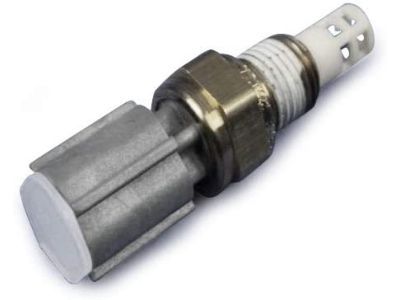
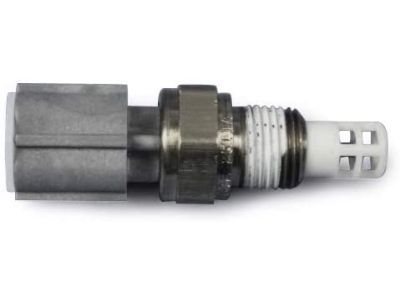
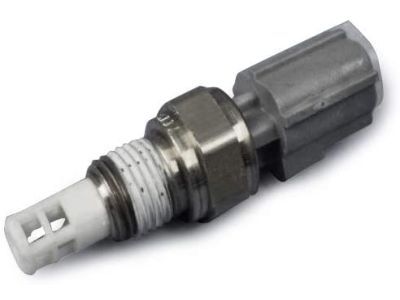
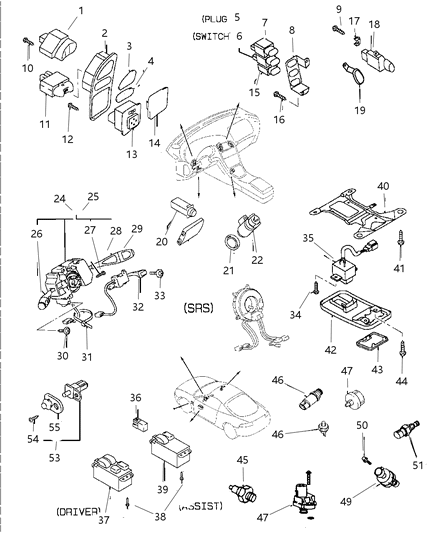
All models post 1988 have the OBD-II system enabling the owner to read engine codes, however early models need the ignition key while later models need a SCAN tool issued by the manufacturer. Should component checks fail in identifying a problem, a dealer or a qualified repair shop should attempt to determine the problem. After this test the OBD-II components, erase the PCM of trouble codes by removing the negative terminal of the battery for approximately ten minutes. Control of the PCM is accomplished with the compressor clutch engagement through a relay; this relay should have voltage when the A/C is on. It informs the PCM that there is an application of brake so as to sustain a certain level of engine speed. The camshaft position sensor codes cylinder information for purposes of fuel and ignition timing; the voltages must be specific: 0.1v for 4 cylinders and 0.3v for v6 cylinder. In the function of crankshaft position sensor, fuel injector sequence and ignition timing are significant, as for the similar voltage checks. The ECT sensor is the coolant temperature sensor; it should be tested at both cold and hot resistance. The IAC motor controls the idle speed and the IAT sensor measures the intake air temperature; it must undergo the resistance test at cold and hot conditions. With the knock sensor, engine knock is detected, and ignition timing is adjusted for it, with voltage checks required on both the old and the new models. MAP sensor is used to measure intake manifold pressure and delivers constant inputs used by the engine control module for fuel delivery and ignition timing; voltage testing is done on the supply as well as on the output signal. The oxygen sensors are used to monitor exhaust gases and are therefore dependent on some factors such as electricity and heat. These two switches include the PARK/NEUTRAL position switch and the power steering pressure switch since they impact the engine and must be scanned if they are faulty. The TPS watches the throttle position for change in the rate of fuel delivery and therefore must have voltage check while running. Located on the manual transaxles is the VSS which and gives out pulsing voltage to measure the speed of the vehicle; the system requires checks on supply voltage and output voltage for proper functioning. Every part replacement has its own protocol to guarantee correct affixation to the car part and proper working.