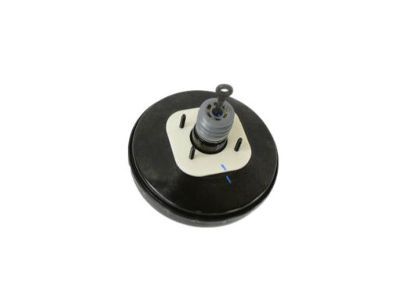
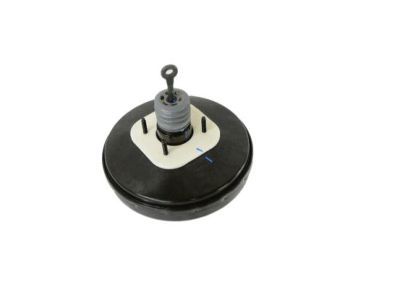
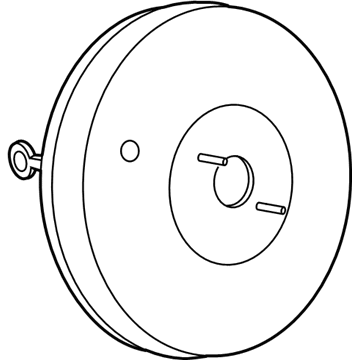
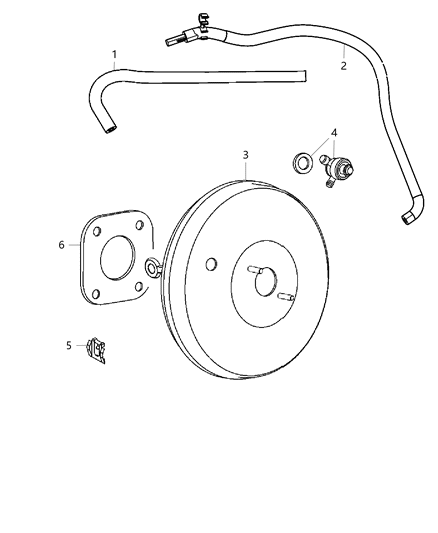
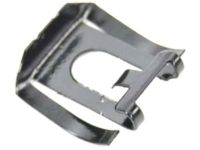
Operating check, Depress the pedal and start the engine. If the pedal goes down slightly, the operation is normal. Depress the brake pedal several times with the engine running and make sure that there is no change in the pedal reserve distance. Airtightness check: Start the engine and turn it off after one or two minutes. Depress the brake pedal several times slowly. If the pedal goes down farther the first time but gradually rises after the second or third depression, the booster is airtight. Depress the brake pedal while the engine is running, then stop the engine with the pedal depressed. If there is no change in the pedal reserve travel after holding the pedal for 30 seconds, the booster is airtight. Removal: The power brake booster unit requires no special maintenance apart from periodic inspection of the vacuum hoses and the case. The booster should never be disassembled. If a problem develops, it must be replaced with a new one. Remove any vacuum from the booster by pumping the pedal several times with the engine off, until the pedal feels hard to push. Remove the air filter housing. Clean the area where the master cylinder attaches to the power brake booster. Remove the master cylinder. Also, disconnect the brake lines from the junction block below the power brake booster. Plug all open lines. Disconnect the vacuum hose from the check valve that's located on the outside of the brake booster. Working under the dash, remove the knee bolster, then disconnect and remove the brake light switch. Disconnect the brake pedal pushrod from the top of the brake pedal by inserting a small screwdriver into the center of the retaining clip and carefully prying the tang back. For safety reasons, discard the old pushrod retaining clip and buy a new clip for reassembly. Remove the nuts attaching the booster to the firewall. Working inside the engine compartment carefully withdraw the brake booster unit from the firewall and out of the engine compartment. Installation: To install the booster, place it into position on the firewall, then tighten the retaining nuts. Connect the brake pedal to the brake booster pushrod using a new retaining clip. The remainder of installation is the reverse of removal. Install a new vacuum to season the master cylinder before reinstalling it to the power brake booster. Bleed the brake system. Carefully test the operation of the brakes before placing the vehicle into normal operation.