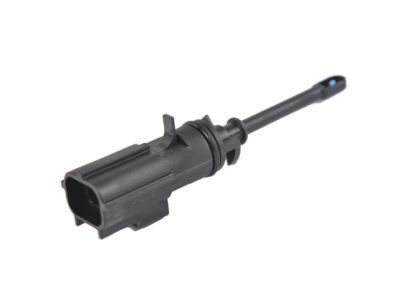
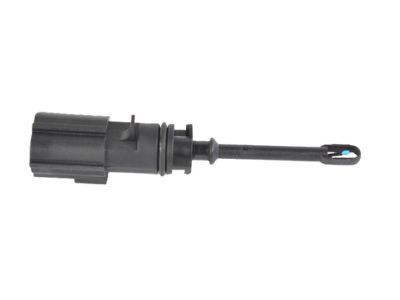
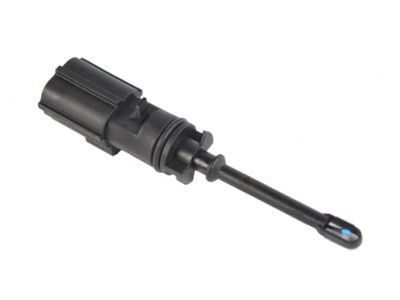
The computer receive inputs from information sensors which provide it with the current operating conditions of the engine in a bid to adjust the air/fuel mixture, ignition time and the idling speeds in order to have a proper drive ability, lower emissions, as well as having a better gasoline economy. Exhaust oxygen sensors, built in the exhaust manifold or pipe, deliver variable voltage depending on the content of oxygen in the exhaust, which allows the computer to better set the fuel/air mixture. The older models may have just one sensor while the latest models come with multiple sensors located before and after the catalytic converters, with the intent being to check on the efficiency of the converters. Some tasks are better handled by a professional, getting to inspect the oxygen sensor being one of them. For replacement, apply spray lubricant on the sensor, then turn off the electrical connector and then use right tool to unlock it, and also on the threads when screwing it back apply anti seize paste. There are knock sensors that read the detonation of an engine, and their locations also vary depending on the model of the engine and the year of its manufacture, and changing them also require a technician. It measures the temperature of the coolant and is placed in a number of locations depending on the kind of engine; it has to be replaced in such a way that it doesn't spill much coolant. The manifold absolute pressure sensor, that measures the pressure arising from the intake manifold, may be located near the throttle body or on the firewall and the replacement of the sensor requires inspection of vacuum hoses and of electrical connections. The inlet air temperature sensor that relays this information to PCM is commonly located in the intake manifold, or in the air intake hose and replacing them must be done carefully to avoid ruining the sensor. The Throttle position sensor is located at the carburetor or throttle body and measures the movement of the throttle and therefore should best be evaluated by an expert in case of problems. The Crankshaft Position Sensor which is responsible for the correct timing of the engine is mounted either on the transmission bell housing or on the engine and changing it means that one has to align it properly and sometimes requires a relearn procedure. Distance sensors are used to measure the speed and pass a voltage signal to the computer; it can be replaced at the rear or the transfer case. The camshaft position sensor is also used to time the fuel injection system in conjunction with the crankshaft position sensor, and the former may be located differently or replaced in a different manner depending on the model of the engine. The accelerator pedal position sensor in newer models is integrated with the pedal assembly, which means that the whole assembly has to be replaced if is not working.