
Make sure this part fits

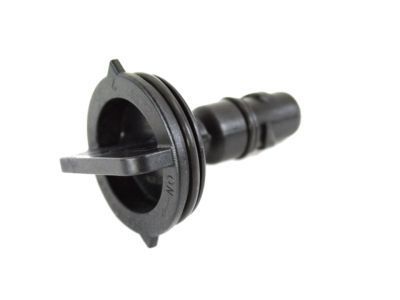
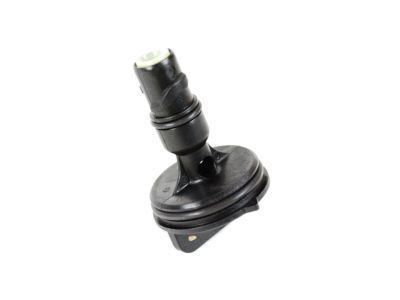
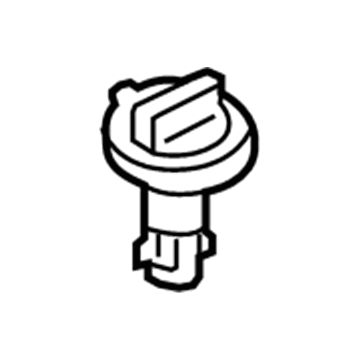
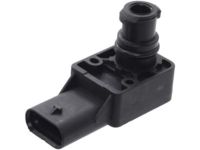
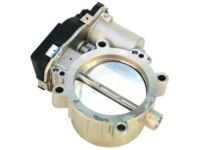
Jeep 53032940AB PCV Valve

2007-2024 Jeep 53032940AB

Customer Questions & Expert Answers (12)
53032940AB Mopar PCV Valve Product Photo 1 of 2
  • Part Description
    Valve PCV
  • Replaces
    53032940AA
  • Manufacturer
    Mopar
Make sure this part fits
$65.84 MSRP: $91.70
You Save: $25.86 (29%)
1
ADD TO CART
  • Related Parts
  • Specifications
  • Fitment
  • Q&A
  • Product Specifications

    BrandGenuine Jeep
    Manufacturer Part Number53032940AB
    Part DescriptionValve PCV
    Other NamesPCV Valve, Vent Valve
    Item Dimensions1.7 x 1.8 x 2.6 inches
    Item Weight0.40 Pounds
    ConditionNew
    Fitment TypeDirect Replacement
    Replaces53032940AA
    ManufacturerMopar
    SKU53032940AB
    WarrantyThis genuine Mopar part is guaranteed by Mopar's factory warranty.
    Shipping & ReturnShipping Policy Return Policy
    Warning: California's Proposition 65
  • Vehicle Fitment

    Year Make Model Engine Important vehicle option details
    2010, 2007-2008 Jeep Commander8 Cyl 5.7LLimited 2WD, Limited 4WD, Overland 2WD, Overland 4WD, Sport 2WD, Sport 4WD
    2010-2023, 2007-2008 Jeep Grand Cherokee8 Cyl 5.7LLaredo 2WD, Laredo 4WD, Limited 2WD, Limited 4WD, Limited AWD, Limited RWD, Overland 2WD, Overland 4WD, Overland AWD, Overland RWD, Summit AWD, Summit RWD, Trailhawk AWD
    2021-2024 Jeep Grand Cherokee L8 Cyl 5.7 L GAS
    2022-2023 Jeep Grand Wagoneer8 Cyl 6.4 L GAS
    2022-2023 Jeep Wagoneer8 Cyl 5.7 L MILD HYBRID EV-GAS (MHEV)
  • Customer Questions & Expert Answers

    Q:
    Please cross check for fit. Posted by MoparPartsGiant Specialist
    A:
    You can Select Your Vehicle to check if 53032940AB fits your vehicle.
    Posted by MoparPartsGiant Specialist
    Installation and Repair Tips
    Q:
    What role does the Positive Crankcase Ventilation system and PCV Valve play in reducing hydrocarbon emissions, and how does it function on Dodge Challenger? Posted by Customer
    A:
    Positive Crankcase Ventilation (PCV) system has a significant importance of diminishing the emission of hydrocarbon because it draws crankcase vapor full of unburned hydrocarbon and works with the help of PCV valve that controls the rate of gas flowing to the intake manifold depending on the intake vacuum level. In V6 engines, the system's components are made from a fresh air inlet hose joining the air filter housing to a pipe that is on the left valve cover, PCV valve positioned at the rear of the right valve cover, and a crankcase ventilation hose linking the valve to the intake manifold. V8 engines have the same configuration, fresh air inlet hose can be connected from the air filter housing to the oil filter housing or filler neck on the left side of the V8 valve cover and the PCV valve is installed on the right side of the intake manifold. The maintenance of the PCV system is critical since a faulty PCV system can cause immense harm to the engine; PCV hoses should be inspected for crack or blockage and any discovered should be fixed. Some of the signs of a plugged or leaking PCV hose include rough running, stalling, or excess oil leakage, and this is tell-tale signs that some repair or replacement is due. A functional check consists of removing the crankcase ventilation hose, starting the engine, and checking for vacuum; high crankcase pressure may be an indication of some other problem. For replacement, the location of the PCV valve differs according to the type of the engine; there are specific instructions of how to remove and how to reinstall the PCV valve, depending on the type of the engine and to guarantee that it is well fit to function in order to enhance the performance of the car engine.
    Posted by MoparPartsGiant Specialist
    Q:
    How to Check the Functionality of the PCV System and PCV Valve on Dodge Ram 2500? Posted by Customer
    A:
    The Positive Crankcase Ventilation (PCV) system is an emission control device that reduces hydrocarbon emissions by scavenging crankcase vapors rich in unburned hydrocarbons. The PCV valve regulates the flow of gases into the intake manifold based on intake vacuum. Inspect the PCV system hose for damage or obstructions when servicing the engine. A clogged or leaking PCV hose may cause rough idle, stalling, low or high idle speed, oil leaks, or sludge buildup. To check the PCV system's functionality, disconnect the PCV hose, check for vacuum, and run the engine at 1500 rpm with the fresh air inlet hose pinched off. Correct any issues with the PCV system, and if there's evidence of engine oil in the throttle body or air filter housing, have the crankcase pressure tested. Excessive blow-by might indicate other underlying issues that need to be addressed.
    Posted by MoparPartsGiant Specialist
    Q:
    How to remove and replace the PCV valve on Jeep Grand Cherokee? Posted by Customer
    A:
    The PCV valve's location varies by engine type. On 3.7L V6 and 4.7L V8 engines, it's in the oil filler tube neck. To remove, detach the hose and turn the valve counterclockwise. Check for vacuum and blockages with the engine idling. If the PCV valve doesn't rattle when shaken, replace it. Note its position when replacing and check the rubber grommet or O-rings for damage.
    Posted by MoparPartsGiant Specialist
    Q:
    How to remove and install PCV valves on Ram 2500? Posted by Customer
    A:
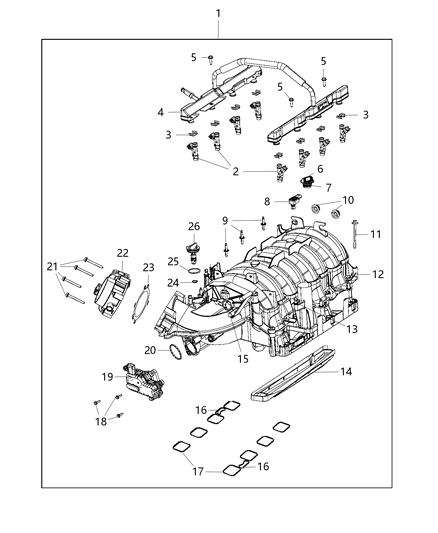
    For a 3.7L engine, the PCV valve is located at the rear of the left cylinder head. Detach the hose, unscrew it, and remove the valve. On a 4.7L engine, the PCV valve is at the top rear of the left valve cover. Detach the hose and remove the valve with a screwdriver. For 5.7L and 6.4L engines, the PCV valve is placed on top of the intake manifold.
    Posted by MoparPartsGiant Specialist
    Q:
    How to remove and install PCV valves on Ram 1500? Posted by Customer
    A:
    For a 3.7L engine, the PCV valve is located at the rear of the left cylinder head. Detach the hose, unscrew it, and remove the valve. On a 4.7L engine, the PCV valve is at the top rear of the left valve cover. Detach the hose and remove the valve with a screwdriver. For 5.7L and 6.4L engines, the PCV valve is placed on top of the intake manifold.
    Posted by MoparPartsGiant Specialist
    Q:
    How to Check the Functionality of the PCV System and PCV Valve on Ram 3500? Posted by Customer
    A:
    The Positive Crankcase Ventilation (PCV) system is an emission control device that reduces hydrocarbon emissions by scavenging crankcase vapors rich in unburned hydrocarbons. The PCV valve regulates the flow of gases into the intake manifold based on intake vacuum. Inspect the PCV system hose for damage or obstructions when servicing the engine. A clogged or leaking PCV hose may cause rough idle, stalling, low or high idle speed, oil leaks, or sludge buildup. To check the PCV system's functionality, disconnect the PCV hose, check for vacuum, and run the engine at 1500 rpm with the fresh air inlet hose pinched off. Correct any issues with the PCV system, and if there's evidence of engine oil in the throttle body or air filter housing, have the crankcase pressure tested. Excessive blow-by might indicate other underlying issues that need to be addressed.
    Posted by MoparPartsGiant Specialist
    Q:
    How does the PCV Valve regulate the flow of gases for the 2010 Chrysler 300? Posted by Customer
    A:
    The PCV valve regulates the flow of gases into the intake manifold based on intake vacuum. At idle, the PCV valve restricts vapor flow to prevent engine issues, while during throttle plate opening, it allows more vapor flow.
    Posted by MoparPartsGiant Specialist
    Q:
    How do I replace the PCV Valve for V8 engines in the 2010 Dodge Charger? Posted by Customer
    A:
    To replace the valve, twist the valve and pull it out from the intake manifold, noting its installed position.
    Posted by MoparPartsGiant Specialist
    Q:
    How do you replace the PCV Valve on the 2017 Dodge Challenger? Posted by Customer
    A:
    On V6 engines, you need to detach the hose from the valve and then unscrew the valve from either the upper intake manifold (for 2.7L engine) or the right valve cover (for 3.5L engine). On 3.6L engines, the valve is secured to the rear of the right valve cover with screws. Note that the number of screws used may vary.
    Posted by MoparPartsGiant Specialist
    Q:
    How do you remove the PCV Valve on 5.7L and 6.4L engines for the 2010 Dodge Ram 1500? Posted by Customer
    A:
    To remove the PCV valve on 5.7L and 6.4L engines, you need to turn the PCV valve a quarter turn counterclockwise, then pull it out.
    Posted by MoparPartsGiant Specialist
    Q:
    How can the functionality of the PCV Valve system be checked for the 2019 Jeep Grand Cherokee? Posted by Customer
    A:
    To check the PCV system's functionality, disconnect the crankcase ventilation hose and verify vacuum presence using a vacuum gauge.
    Posted by MoparPartsGiant Specialist
    See Complete Installation and Repair Tips

Genuine Mopar Part 53032940AB, the Right Choice

To ensure reliability, purchase Mopar part # 53032940AB PCV Valve. It is sometimes referred to as PCV Valve. The OEM parts should be used when the Mopar owners want to maximize their driving experience. The high-tech factories that produce these parts utilize sophisticated technology specifically designed to meet stringent factory requirements. Additionally, they are thoroughly tested and can thus be used with reliability by Mopar owners. This part fits specific Jeep Commander, Grand Cherokee, and Wagoneer models.

MoparPartsGiant.com is a leading supplier of genuine Mopar parts and accessories such as 53032940AB PCV Valve. Wondering where to find exceptional quality and affordable OEM Mopar parts? You have already come to the right place. Our website boasts a huge selection of genuine Mopar parts at attractive prices. Further, all parts come with a manufacturer's warranty. For detailed Jeep parts information, click here.

Why choose Mopar Parts Giant

  • Dedicated Service

    Your complete satisfaction is our #1 goal

  • Lowest Prices

    Best deals on genuine OE parts from dealerships

  • Fast Delivery

    Orders are processed and delivered promptly