Make sure this part fits

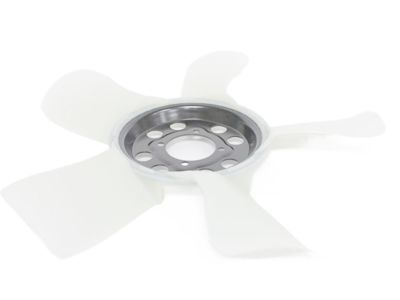
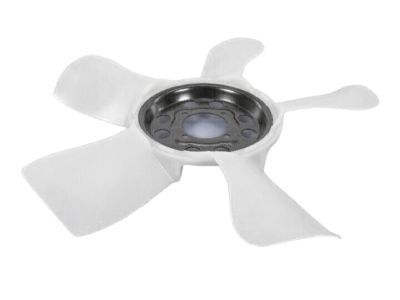
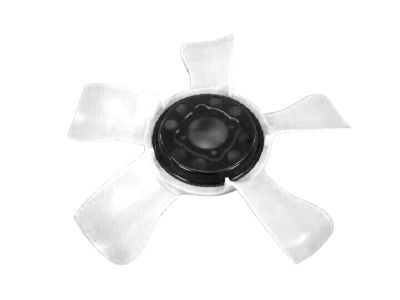
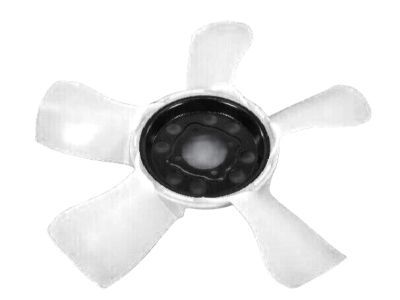
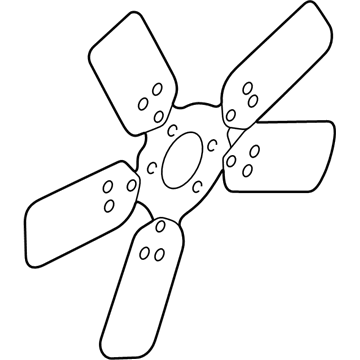
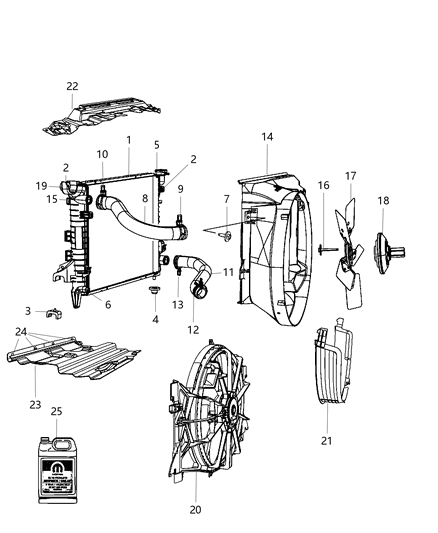
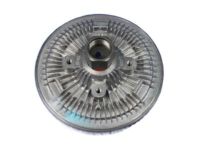
Mopar 55056947AA Cooling Fan

2009-2025 Mopar 55056947AA

Customer Questions & Expert Answers (15)
55056947AA Mopar Cooling Fan Product Photo 1 of 4
  • Part Description
    Fan Cooling
  • Manufacturer
    Mopar
Make sure this part fits
$167.63 MSRP: $249.00
You Save: $81.37 (33%)
1
ADD TO CART
  • Related Parts
  • Specifications
  • Fitment
  • Q&A
  • Product Specifications

    BrandGenuine Mopar
    Manufacturer Part Number55056947AA
    Part DescriptionFan Cooling
    Other NamesCooling Fan, Fan Blade
    Item Dimensions24.5 x 20.1 x 6.2 inches
    Item Weight5.00 Pounds
    ConditionNew
    Fitment TypeDirect Replacement
    ManufacturerMopar
    SKU55056947AA
    WarrantyThis genuine Mopar part is guaranteed by Mopar's factory warranty.
    Shipping & ReturnShipping Policy Return Policy
    Warning: California's Proposition 65
  • Vehicle Fitment

    Year Make Model Engine Important vehicle option details
    2009 Chrysler Aspen8 Cyl 5.7LLimited 2WD, Limited 4WD
    2009 Dodge Durango8 Cyl 5.7LAdventurer 4WD, Limited 2WD, Limited 4WD, SE 2WD, SLT 2WD, SLT 4WD
    2009-2010 Dodge Ram 15008 Cyl 5.7LLaramie Crew Cab 2WD, Laramie Crew Cab 4WD, Laramie Quad Cab 2WD, Laramie Quad Cab 4WD, SLT Crew CAB 2WD, SLT Crew Cab 4WD, SLT Quad Cab 2WD, SLT Quad Cab 4WD, SLT Regular Cab 2WD, SLT Regular Cab 4WD, ST Crew Cab 2WD, ST Crew Cab 4WD, ST Quad Cab 2WD, ST Quad Cab 4WD, ST Regular Cab 2WD, ST Regular Cab 4WD
    2009-2010 Dodge Ram 25008 Cyl 5.7LLaramie Crew CAB 2WD, Laramie Crew Cab 4WD, Laramie Mega Cab 2WD, Laramie Mega CAB 2WD, Laramie Mega Cab 4WD, Laramie Quad Cab 2WD, Laramie Quad Cab 4WD, SLT Crew Cab 2WD, SLT Crew Cab 4WD, SLT Mega Cab 2WD, SLT Mega Cab 4WD, SLT Quad Cab 2WD, SLT Quad Cab 4WD, SLT Regular Cab 2WD, SLT Regular Cab 4WD, ST Crew Cab 2WD, ST Crew Cab 4WD, ST Quad Cab 2WD, ST Quad Cab 4WD, ST Regular Cab 2WD, ST Regular Cab 4WD
    2009 Dodge Ram 35008 Cyl 5.7LQuad Chassis CAB 2WD, Quad Chassis CAB 4WD, Regular Chassis CAB 2WD, Regular Chassis CAB 4WD
    2011-2020 Ram 15008 Cyl 5.7LHFE Regular Cab 2WD, Laramie Crew Cab 2WD, Laramie Crew Cab 4WD, Laramie Quad Cab 2WD, Laramie Quad Cab 4WD, Longhorn Crew Cab 2WD, Longhorn Crew Cab 4WD, Rebel 2WD, Rebel 4WD, SLT Crew Cab 2WD, SLT Crew CAB 2WD, SLT Crew Cab 4WD, SLT Quad Cab 2WD, SLT Quad Cab 4WD, SLT Reg Cab 2WD, SLT Reg Cab 4WD, SLT Regular Cab 2WD, SLT Regular Cab 4WD, Sport Crew Cab 2WD, Sport Crew Cab 4WD, Sport Crew CAB 4WD, Sport Quad Cab 2WD, Sport Quad Cab 4WD, Sport Reg Cab 2WD, Sport Reg Cab 4WD, Sport Regular Cab 2WD, Sport Regular Cab 4WD, SSV Crew Cab 4WD, ST Crew Cab 2WD, ST Crew Cab 4WD, ST Quad Cab 2WD, ST Quad Cab 4WD, ST Reg Cab 2WD, ST Reg Cab 4WD, ST Regular Cab 2WD, ST Regular Cab 4WD, Tradesman Crew Cab 2WD, Tradesman Crew Cab 4WD, Tradesman Quad Cab 2WD, Tradesman Quad Cab 4WD, Tradesman Reg Cab 2WD, Tradesman Reg Cab 4WD
    2021-2024 Ram 1500 Classic8 Cyl 5.7 L GAS
    2011-2025 Ram 25008 Cyl 5.7L, 8 Cyl 5.7L CNG, 8 Cyl 6.4LBig Horn Crew Cab 2WD, Big Horn Crew Cab 4WD, Big Horn Mega Cab 4WD, Big Horn Reg Cab 2WD, Big Horn Reg Cab 4WD, Laramie Crew Cab 2WD, Laramie Crew Cab 4WD, Laramie Mega Cab 2WD, Laramie Mega Cab 4WD, Limited Crew Cab 2WD, Limited Crew Cab 4WD, Limited Mega Cab 4WD, Longhorn Crew Cab 2WD, Longhorn Crew Cab 4WD, Longhorn Mega Cab 2WD, Longhorn Mega Cab 4WD, Power Wagon Crew Cab 4WD, Powerwagon Crew Cab 4WD, SLT Crew Cab 2WD, SLT Crew Cab 4WD, SLT Mega Cab 2WD, SLT Mega Cab 4WD, SLT Reg Cab 2WD, SLT Reg Cab 4WD, SLT Regular Cab 2WD, SLT Regular Cab 4WD, ST Crew Cab 2WD, ST Crew Cab 4WD, ST Reg Cab 2WD, ST Reg Cab 4WD, ST Regular Cab 2WD, ST Regular Cab 4WD, Tradesman Crew Cab 2WD, Tradesman Crew Cab 4WD, Tradesman Reg Cab 2WD, Tradesman Reg Cab 4WD
    2011-2025 Ram 35008 Cyl 5.7L, 8 Cyl 6.4LBig Horn Crew Cab 2WD, Big Horn Crew Cab 4WD, Big Horn Mega Cab 4WD, Big Horn Reg Cab 2WD, Big Horn Reg Cab 4WD, Crew Cab Chassis 2WD, Crew Cab Chassis 4WD, Laramie Crew Cab 2WD, Laramie Crew Cab 4WD, Laramie Mega Cab 2WD, Laramie Mega Cab 4WD, Limited Crew Cab 2WD, Limited Crew Cab 4WD, Limited Mega Cab 4WD, Longhorn Crew Cab 2WD, Longhorn Crew Cab 4WD, Longhorn Mega Cab 2WD, Longhorn Mega Cab 4WD, Reg Cab Chassis 2WD, Reg Cab Chassis 4WD, Regular Cab Chassis 2WD, Regular Cab Chassis 4WD, SLT Crew Cab 2WD, SLT Crew Cab 4WD, SLT Mega Cab 2WD, SLT Mega Cab 4WD, SLT Reg Cab 2WD, SLT Reg Cab 4WD, SLT Regular Cab 2WD, SLT Regular Cab 4WD, ST Crew Cab 2WD, ST Crew Cab 4WD, ST Reg Cab 2WD, ST Reg Cab 4WD, ST Regular Cab 2WD, ST Regular Cab 4WD, Tradesman Crew Cab 2WD, Tradesman Crew Cab 4WD, Tradesman Reg Cab 2WD, Tradesman Reg Cab 4WD
    2014-2020 Ram 45008 Cyl 6.4LCrew Cab Chassis 2WD, Crew Cab Chassis 4WD, Reg Cab Chassis 2WD, Reg Cab Chassis 4WD, Regular Cab Chassis 2WD, Regular Cab Chassis 4WD
    View More
  • Customer Questions & Expert Answers

    Q:
    Please cross check for fit. Posted by MoparPartsGiant Specialist
    A:
    You can Select Your Vehicle to check if 55056947AA fits your vehicle.
    Posted by MoparPartsGiant Specialist
    Installation and Repair Tips
    Q:
    How to check and replace the Cooling Fan Assembly and Engine Cooling Fan on Dodge Durango? Posted by Customer
    A:
    Problems with a bad fan clutch are usually the fan making noise all the time, getting spongy or shaky, plus you might spot silicone fluid escaping from the clutch. By hand, move the fan side to side to find out if the bearing moves too much. After that, push the blades by hand; the fan should swivel easily. Check the fan clutch if you see fluid dripping from its components, see a twisted bi-metal spring, or spot grease coming from the cooling fan's bearing. Begin by turning on your engine and letting it heat up like you normally would. When the engine is up to its regular working temperature, turn off the engine and push the fan manually - you should feel a normal amount of turning force. If that turning is too easy, replace the fan clutch. To test the condenser fan for Durango models, unplug the motor connector and join one motor wire to the battery directly, through a connection with a fuse. The other motor wire requires another fuse to ground it. If the fan motor does not work, change it. When the air conditioner works fine, but the fan doesn't turn on as it should or the engine gets too hot, the fan relay could be damaged, and it's best to leave any control circuit checks to a professional. Check that the fan relay located in the fuse/relay box works correctly. Then test all connections leading to the fan motor. When everything looks normal, the engine coolant temperature sensor or Powertrain Control Module may be causing the issue, which a trained auto repair shop must identify. When replacing cooling fan parts on reverse-direction engines, get sure to only install fans and clutches labeled REVERSE to prevent engine overheating. When restoring the cooling fan/viscous fan clutch assembly, keep it upright as you store it to avoid fluid problems. First, take out a portion of your car's coolant, then remove any air filter housing and top radiator pipe. Hold the water pump pulley still with a special pin spanner wrench, then remove the fan clutch nut by turning it counterclockwise. With care, drop the fan system from the shroud into place, keeping the radiator fins safe, and unfasten both sides of the shroud to pull out the combined fan system. Take off the two fan clutch bolts on the performance bench, then reinstall it the opposite way, making sure you close the fan bolts and tighten the clutch nut tightly. Before you can replace the condenser cooling fan on a Durango, have an expert vent the AC system, disconnect the battery's negative terminal, uncover the radiator support, disconnect the power from both the fan and high-pressure AC switch, and move the wiring out of the way. First, disconnect the air conditioners lines connected to the condenser. To avoid contamination, cover them with tapes or plugs. Remove the four bolts holding the condenser/radiator bracket above it. Next, loosen one hex bolt holding the condenser and pull it out. Refrain from moving the radiator forward until needing more space below it. Once both are free, lift up the entire condenser/fan assembly out of the engine bay. Pull out the fan and shroud from the condenser, keeping track of each screw so you can put everything back correctly. Professional technicians need to pump your engine's air conditioners, fix any leaks they find, and fill it again.
    Posted by MoparPartsGiant Specialist
    Q:
    How to check and replace the Cooling Fan Assembly and Engine Cooling Fan on Dodge Durango? Posted by Customer
    A:
    Problems with a bad fan clutch are usually the fan making noise all the time, getting spongy or shaky, plus you might spot silicone fluid escaping from the clutch. By hand, move the fan side to side to find out if the bearing moves too much. After that, push the blades by hand; the fan should swivel easily. Check the fan clutch if you see fluid dripping from its components, see a twisted bi-metal spring, or spot grease coming from the cooling fan's bearing. Begin by turning on your engine and letting it heat up like you normally would. When the engine is up to its regular working temperature, turn off the engine and push the fan manually - you should feel a normal amount of turning force. If that turning is too easy, replace the fan clutch. To test the condenser fan for Durango models, unplug the motor connector and join one motor wire to the battery directly, through a connection with a fuse. The other motor wire requires another fuse to ground it. If the fan motor does not work, change it. When the air conditioner works fine, but the fan doesn't turn on as it should or the engine gets too hot, the fan relay could be damaged, and it's best to leave any control circuit checks to a professional. Check that the fan relay located in the fuse/relay box works correctly. Then test all connections leading to the fan motor. When everything looks normal, the engine coolant temperature sensor or Powertrain Control Module may be causing the issue, which a trained auto repair shop must identify. When replacing cooling fan parts on reverse-direction engines, get sure to only install fans and clutches labeled REVERSE to prevent engine overheating. When restoring the cooling fan/viscous fan clutch assembly, keep it upright as you store it to avoid fluid problems. First, take out a portion of your car's coolant, then remove any air filter housing and top radiator pipe. Hold the water pump pulley still with a special pin spanner wrench, then remove the fan clutch nut by turning it counterclockwise. With care, drop the fan system from the shroud into place, keeping the radiator fins safe, and unfasten both sides of the shroud to pull out the combined fan system. Take off the two fan clutch bolts on the performance bench, then reinstall it the opposite way, making sure you close the fan bolts and tighten the clutch nut tightly. Before you can replace the condenser cooling fan on a Durango, have an expert vent the AC system, disconnect the battery's negative terminal, uncover the radiator support, disconnect the power from both the fan and high-pressure AC switch, and move the wiring out of the way. First, disconnect the air conditioners lines connected to the condenser. To avoid contamination, cover them with tapes or plugs. Remove the four bolts holding the condenser/radiator bracket above it. Next, loosen one hex bolt holding the condenser and pull it out. Refrain from moving the radiator forward until needing more space below it. Once both are free, lift up the entire condenser/fan assembly out of the engine bay. Pull out the fan and shroud from the condenser, keeping track of each screw so you can put everything back correctly. Professional technicians need to pump your engine's air conditioners, fix any leaks they find, and fill it again.
    Posted by MoparPartsGiant Specialist
    Q:
    How to Check and Replace the Cooling Fan Assembly and Engine Cooling Fan on the Dodge Ram 1500? Posted by Customer
    A:
    The engine-mounted cooling fan, also known as the viscous fan, is controlled by the PCM and should be checked by a qualified repair shop if it is not coming on and causing the engine to overheat. Symptoms of fan clutch failure include noisy operation, looseness, vibration, and fluid leakage. To check the fan, rock it back and forth for excessive bearing play and turn the blades by hand. For a hot engine check, start the engine and let it warm up, then turn off the engine and try turning the fan by hand. For a radiator-mounted electric cooling fan, if it is not coming on, the fan motor can be tested by connecting it directly to the battery. For component replacement, the viscous and electric cooling fans are removed together. For diesel engines, the process is similar, but there may be additional steps. For 2010 and later models, the process involves disconnecting the battery, removing the radiator top cover plate, detaching the viscous fan, and unclipping the fan shrouds.
    Posted by MoparPartsGiant Specialist
    Q:
    How to Check and Replace the Cooling Fan Assembly and Engine Cooling Fan on the Dodge Ram 1500? Posted by Customer
    A:
    The engine-mounted cooling fan, also known as the viscous fan, is controlled by the PCM and should be checked by a qualified repair shop if it is not coming on and causing the engine to overheat. Symptoms of fan clutch failure include noisy operation, looseness, vibration, and fluid leakage. To check the fan, rock it back and forth for excessive bearing play and turn the blades by hand. For a hot engine check, start the engine and let it warm up, then turn off the engine and try turning the fan by hand. For a radiator-mounted electric cooling fan, if it is not coming on, the fan motor can be tested by connecting it directly to the battery. For component replacement, the viscous and electric cooling fans are removed together. For diesel engines, the process is similar, but there may be additional steps. For 2010 and later models, the process involves disconnecting the battery, removing the radiator top cover plate, detaching the viscous fan, and unclipping the fan shrouds.
    Posted by MoparPartsGiant Specialist
    Q:
    How to Check and Replace the Cooling Fan Assembly and Engine Cooling Fan on the Dodge Ram 3500? Posted by Customer
    A:
    The engine-mounted cooling fan, also known as the viscous fan, is controlled by the PCM and should be checked by a qualified repair shop if it is not coming on and causing the engine to overheat. Symptoms of fan clutch failure include noisy operation, looseness, vibration, and fluid leakage. To check the fan, rock it back and forth for excessive bearing play and turn the blades by hand. For a hot engine check, start the engine and let it warm up, then turn off the engine and try turning the fan by hand. For a radiator-mounted electric cooling fan, if it is not coming on, the fan motor can be tested by connecting it directly to the battery. For component replacement, the viscous and electric cooling fans are removed together. For diesel engines, the process is similar, but there may be additional steps. For 2010 and later models, the process involves disconnecting the battery, removing the radiator top cover plate, detaching the viscous fan, and unclipping the fan shrouds.
    Posted by MoparPartsGiant Specialist
    Q:
    How to Check and Replace the Cooling Fan Assembly and Engine Cooling Fan on the Dodge Ram 3500? Posted by Customer
    A:
    The engine-mounted cooling fan, also known as the viscous fan, is controlled by the PCM and should be checked by a qualified repair shop if it is not coming on and causing the engine to overheat. Symptoms of fan clutch failure include noisy operation, looseness, vibration, and fluid leakage. To check the fan, rock it back and forth for excessive bearing play and turn the blades by hand. For a hot engine check, start the engine and let it warm up, then turn off the engine and try turning the fan by hand. For a radiator-mounted electric cooling fan, if it is not coming on, the fan motor can be tested by connecting it directly to the battery. For component replacement, the viscous and electric cooling fans are removed together. For diesel engines, the process is similar, but there may be additional steps. For 2010 and later models, the process involves disconnecting the battery, removing the radiator top cover plate, detaching the viscous fan, and unclipping the fan shrouds.
    Posted by MoparPartsGiant Specialist
    Q:
    How to Check and Replace the Cooling Fan Assembly and Engine Cooling Fan on the Dodge Ram 2500? Posted by Customer
    A:
    The engine-mounted cooling fan, also known as the viscous fan, is controlled by the PCM and should be checked by a qualified repair shop if it is not coming on and causing the engine to overheat. Symptoms of fan clutch failure include noisy operation, looseness, vibration, and fluid leakage. To check the fan, rock it back and forth for excessive bearing play and turn the blades by hand. For a hot engine check, start the engine and let it warm up, then turn off the engine and try turning the fan by hand. For a radiator-mounted electric cooling fan, if it is not coming on, the fan motor can be tested by connecting it directly to the battery. For component replacement, the viscous and electric cooling fans are removed together. For diesel engines, the process is similar, but there may be additional steps. For 2010 and later models, the process involves disconnecting the battery, removing the radiator top cover plate, detaching the viscous fan, and unclipping the fan shrouds.
    Posted by MoparPartsGiant Specialist
    Q:
    How to Check and Replace the Cooling Fan Assembly and Engine Cooling Fan on the Dodge Ram 2500? Posted by Customer
    A:
    The engine-mounted cooling fan, also known as the viscous fan, is controlled by the PCM and should be checked by a qualified repair shop if it is not coming on and causing the engine to overheat. Symptoms of fan clutch failure include noisy operation, looseness, vibration, and fluid leakage. To check the fan, rock it back and forth for excessive bearing play and turn the blades by hand. For a hot engine check, start the engine and let it warm up, then turn off the engine and try turning the fan by hand. For a radiator-mounted electric cooling fan, if it is not coming on, the fan motor can be tested by connecting it directly to the battery. For component replacement, the viscous and electric cooling fans are removed together. For diesel engines, the process is similar, but there may be additional steps. For 2010 and later models, the process involves disconnecting the battery, removing the radiator top cover plate, detaching the viscous fan, and unclipping the fan shrouds.
    Posted by MoparPartsGiant Specialist
    Q:
    How to Check and Replace the Cooling Fan Assembly and Engine Cooling Fan on the Ram 1500? Posted by Customer
    A:
    The engine-mounted cooling fan, also known as the viscous fan, is controlled by the PCM and should be checked by a qualified repair shop if it is not coming on and causing the engine to overheat. Symptoms of fan clutch failure include noisy operation, looseness, vibration, and fluid leakage. To check the fan, rock it back and forth for excessive bearing play and turn the blades by hand. For a hot engine check, start the engine and let it warm up, then turn off the engine and try turning the fan by hand. For a radiator-mounted electric cooling fan, if it is not coming on, the fan motor can be tested by connecting it directly to the battery. For component replacement, the viscous and electric cooling fans are removed together. For diesel engines, the process is similar, but there may be additional steps. For 2010 and later models, the process involves disconnecting the battery, removing the radiator top cover plate, detaching the viscous fan, and unclipping the fan shrouds.
    Posted by MoparPartsGiant Specialist
    Q:
    How to Check and Replace the Cooling Fan Assembly and Engine Cooling Fan on the Ram 1500? Posted by Customer
    A:
    The engine-mounted cooling fan, also known as the viscous fan, is controlled by the PCM and should be checked by a qualified repair shop if it is not coming on and causing the engine to overheat. Symptoms of fan clutch failure include noisy operation, looseness, vibration, and fluid leakage. To check the fan, rock it back and forth for excessive bearing play and turn the blades by hand. For a hot engine check, start the engine and let it warm up, then turn off the engine and try turning the fan by hand. For a radiator-mounted electric cooling fan, if it is not coming on, the fan motor can be tested by connecting it directly to the battery. For component replacement, the viscous and electric cooling fans are removed together. For diesel engines, the process is similar, but there may be additional steps. For 2010 and later models, the process involves disconnecting the battery, removing the radiator top cover plate, detaching the viscous fan, and unclipping the fan shrouds.
    Posted by MoparPartsGiant Specialist
    Q:
    How to Check and Replace the Cooling Fan Assembly and Engine Cooling Fan on the Ram 3500? Posted by Customer
    A:
    The engine-mounted cooling fan, also known as the viscous fan, is controlled by the PCM and should be checked by a qualified repair shop if it is not coming on and causing the engine to overheat. Symptoms of fan clutch failure include noisy operation, looseness, vibration, and fluid leakage. To check the fan, rock it back and forth for excessive bearing play and turn the blades by hand. For a hot engine check, start the engine and let it warm up, then turn off the engine and try turning the fan by hand. For a radiator-mounted electric cooling fan, if it is not coming on, the fan motor can be tested by connecting it directly to the battery. For component replacement, the viscous and electric cooling fans are removed together. For diesel engines, the process is similar, but there may be additional steps. For 2010 and later models, the process involves disconnecting the battery, removing the radiator top cover plate, detaching the viscous fan, and unclipping the fan shrouds.
    Posted by MoparPartsGiant Specialist
    Q:
    How to Check and Replace the Cooling Fan Assembly and Engine Cooling Fan on the Ram 3500? Posted by Customer
    A:
    The engine-mounted cooling fan, also known as the viscous fan, is controlled by the PCM and should be checked by a qualified repair shop if it is not coming on and causing the engine to overheat. Symptoms of fan clutch failure include noisy operation, looseness, vibration, and fluid leakage. To check the fan, rock it back and forth for excessive bearing play and turn the blades by hand. For a hot engine check, start the engine and let it warm up, then turn off the engine and try turning the fan by hand. For a radiator-mounted electric cooling fan, if it is not coming on, the fan motor can be tested by connecting it directly to the battery. For component replacement, the viscous and electric cooling fans are removed together. For diesel engines, the process is similar, but there may be additional steps. For 2010 and later models, the process involves disconnecting the battery, removing the radiator top cover plate, detaching the viscous fan, and unclipping the fan shrouds.
    Posted by MoparPartsGiant Specialist
    Q:
    How to Check and Replace the Cooling Fan Assembly and Engine Cooling Fan on the Ram 2500? Posted by Customer
    A:
    The engine-mounted cooling fan, also known as the viscous fan, is controlled by the PCM and should be checked by a qualified repair shop if it is not coming on and causing the engine to overheat. Symptoms of fan clutch failure include noisy operation, looseness, vibration, and fluid leakage. To check the fan, rock it back and forth for excessive bearing play and turn the blades by hand. For a hot engine check, start the engine and let it warm up, then turn off the engine and try turning the fan by hand. For a radiator-mounted electric cooling fan, if it is not coming on, the fan motor can be tested by connecting it directly to the battery. For component replacement, the viscous and electric cooling fans are removed together. For diesel engines, the process is similar, but there may be additional steps. For 2010 and later models, the process involves disconnecting the battery, removing the radiator top cover plate, detaching the viscous fan, and unclipping the fan shrouds.
    Posted by MoparPartsGiant Specialist
    Q:
    How to Check and Replace the Cooling Fan Assembly and Engine Cooling Fan on the Ram 2500? Posted by Customer
    A:
    The engine-mounted cooling fan, also known as the viscous fan, is controlled by the PCM and should be checked by a qualified repair shop if it is not coming on and causing the engine to overheat. Symptoms of fan clutch failure include noisy operation, looseness, vibration, and fluid leakage. To check the fan, rock it back and forth for excessive bearing play and turn the blades by hand. For a hot engine check, start the engine and let it warm up, then turn off the engine and try turning the fan by hand. For a radiator-mounted electric cooling fan, if it is not coming on, the fan motor can be tested by connecting it directly to the battery. For component replacement, the viscous and electric cooling fans are removed together. For diesel engines, the process is similar, but there may be additional steps. For 2010 and later models, the process involves disconnecting the battery, removing the radiator top cover plate, detaching the viscous fan, and unclipping the fan shrouds.
    Posted by MoparPartsGiant Specialist
    See Complete Installation and Repair Tips

Genuine Mopar Part 55056947AA, the Right Choice

To ensure reliability, purchase Mopar part # 55056947AA Cooling Fan. It is sometimes referred to as Fan Blade, Cooling Fan Assembly, Engine Cooling Fan. The OEM parts should be used when the Mopar owners want to maximize their driving experience. The high-tech factories that produce these parts utilize sophisticated technology specifically designed to meet stringent factory requirements. Additionally, they are thoroughly tested and can thus be used with reliability by Mopar owners. This part fits specific Chrysler Aspen models. It fits Dodge Durango, Ram 1500, Ram 2500. It also fits Ram 1500, 2500, and 3500.

MoparPartsGiant.com is a leading supplier of genuine Mopar parts and accessories such as 55056947AA Cooling Fan. Wondering where to find exceptional quality and affordable OEM Mopar parts? You have already come to the right place. Our website boasts a huge selection of genuine Mopar parts at attractive prices. Further, all parts come with a manufacturer's warranty. For detailed Ram parts information, click here.

Why choose Mopar Parts Giant

  • Dedicated Service

    Your complete satisfaction is our #1 goal

  • Lowest Prices

    Best deals on genuine OE parts from dealerships

  • Fast Delivery

    Orders are processed and delivered promptly