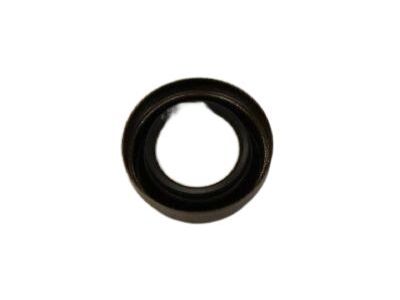
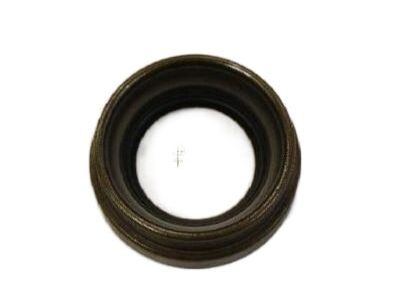
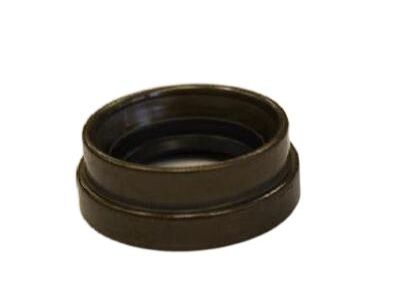
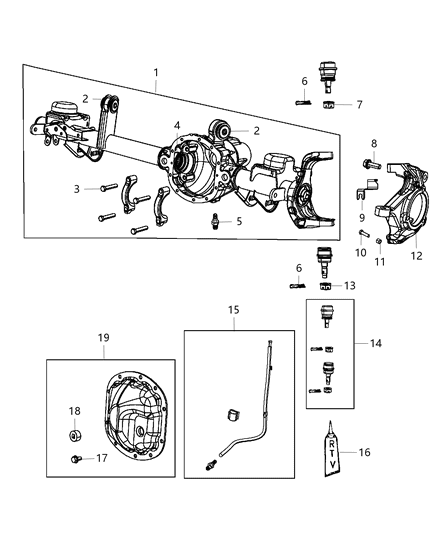
It usually originates at the extension housing oil seal or the speedometer drive gear oil seal and the O-ring and the repair is not very complicated in that it does not usually involve the removal of the transmission or the transfer case. The extension housing oil seal is located to the rear of the transfer case, where the rear driveshaft connection is. Should there be signs of leakage, then it is recommended that the vehicle should be lifted to a certain height and supported correctly. Possible symptoms of leakage from a seal are: depositing of lubricant on the driveshaft and possibly dripping from the back of the transfer case. The drive shaft should be pulled out and for vehicles that have one the nut and companion flange on the rear should be removed. As for the dust shield, the map selector on the side of the hammer can be used to softly unlatch it for removal while it remains free from distortion. The oil seal can be easily removed without pressure against the splines of the output shaft, but if required for some reason, a particular tool for this operation can be applied. Rescue pipe or large socket can also be utilized as a drift so that new oil seal can be fitted, and it is placed correctly. The dust shield ought to be remounted, the splined parts of the transmission output shaft and the driveshaft yoke should be coated with a lightweight grease. This, however, must only be done if available: the companion shaft and nut should be fitted and tightened to the defined torque. To replace the front output shaft oil seal, the vehicle has to be lifted and secured, the front driveshaft and the front output shaft companion flange nut has to be dismantled. Similarly to the principles of prying it out, the oil seal can be removed, and a new one should be fitted in the same manner. Again, the procedure is the exact opposite of that taken during removal; the flange nut on the front output shaft is tightened to the required torque. At the back of the transfer case, the speedometer cable and drive gear housing have to be examined for oil leakage. The speedometer cable should be disconnected and the position of the speedometer adapter in relation to the transfer case should be marked so as to facilitate reassembly. The hold-down bolt can be loosed and unscrewed to pull out the adapter and on models equipped with a vehicle speed sensor, the nut for sensor fixing must also be loosened to remove the sensor fixed on the adapter. Any old O-rings should be disposed of and new O-rings should be lubricated with fresh transmission fluid before they are inserted. Sensor has to be fitted into the adapter while a number of teeth on the speedometer pinion has to fit the index number on the adapter body. The adapter/speed sensor assembly should be reinstalled back into the transfer case by engaging those positions which were marked earlier and the hold down clamp and bolt should be tightened. Last but not the least; the speedometer cable or electrical connector may come back.