
My Garage
My Account
Cart
Genuine 2014 Jeep Grand Cherokee Cylinder Head
Head- Select Vehicle by Model
- Select Vehicle by VIN
Select Vehicle by Model
orMake
Model
Year
Select Vehicle by VIN
For the most accurate results, select vehicle by your VIN (Vehicle Identification Number).
13 Cylinder Heads found
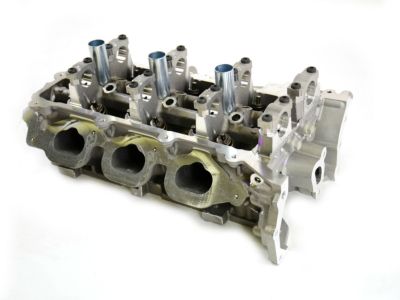
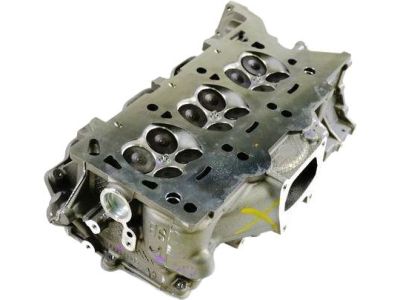
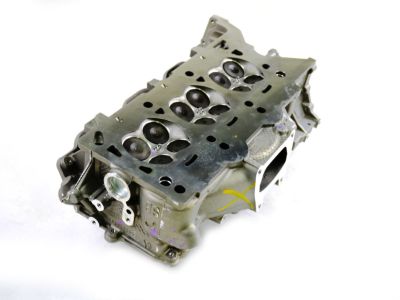
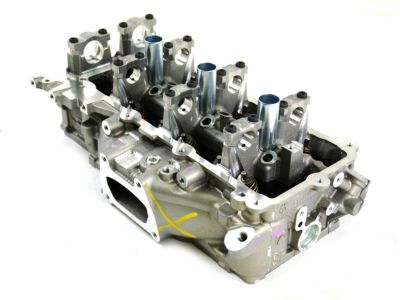
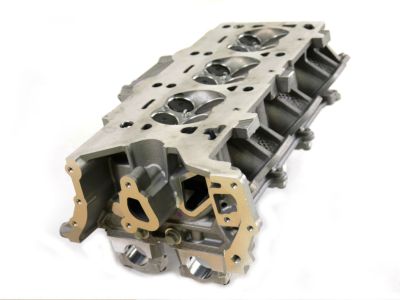
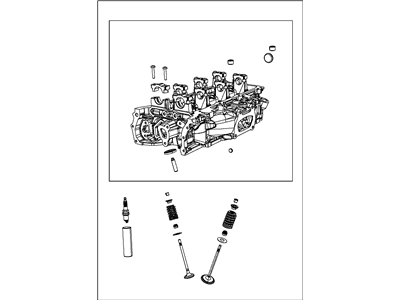
2014 Jeep Grand Cherokee Head Cylinder
Part Number: 68214829AA$2054.65 MSRP: $2500.00You Save: $445.35 (18%)Product Specifications- Other Name: Head Cylinder With Valve
- Replaced by: 68641999AA
- Item Weight: 38.80 Pounds
- Item Dimensions: 20.8 x 12.7 x 9.2 inches
- Condition: New
- Fitment Type: Direct Replacement
- SKU: 68214829AA
- Warranty: This genuine part is guaranteed by Mopar's factory warranty.
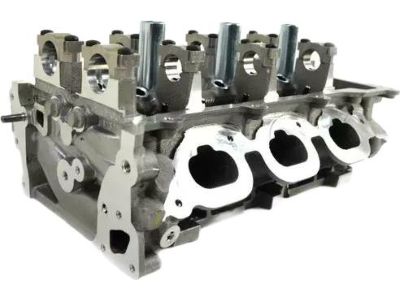
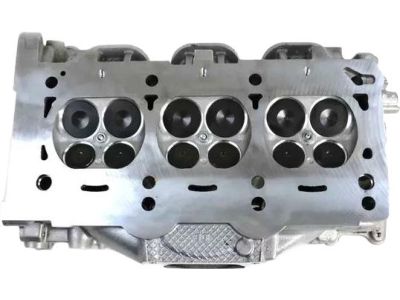


2014 Jeep Grand Cherokee Head Cylinder
Part Number: 68141352AE$1026.15 MSRP: $1240.00You Save: $213.85 (18%)Product Specifications- Other Name: Head Cylinder With Valve
- Replaced by: 68141352AD
- Item Weight: 35.90 Pounds
- Item Dimensions: 9.6 x 12.7 x 20.6 inches
- Condition: New
- Fitment Type: Direct Replacement
- SKU: 68141352AE
- Warranty: This genuine part is guaranteed by Mopar's factory warranty.
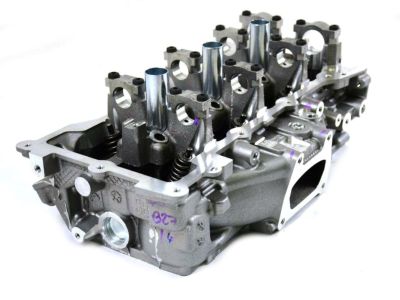
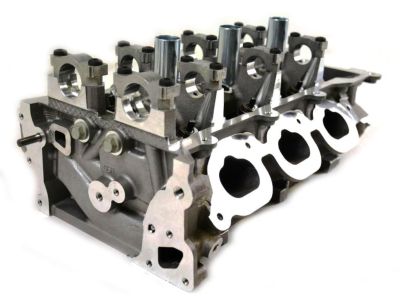
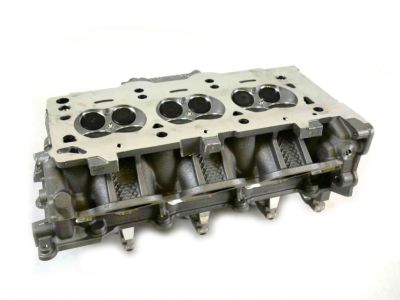
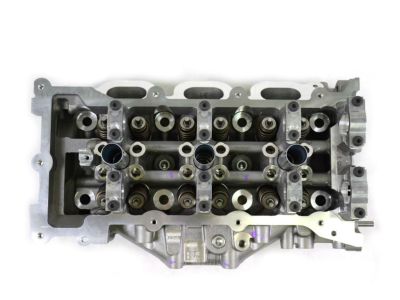
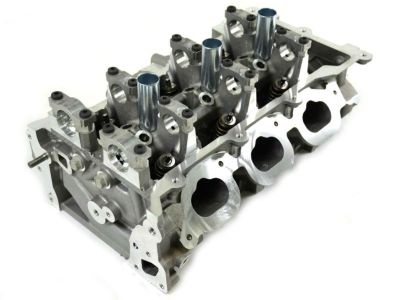
2014 Jeep Grand Cherokee Head Cylinder
Part Number: 68214828AA$2049.15 MSRP: $2485.00You Save: $435.85 (18%)Product Specifications- Other Name: Head Cylinder With Valve
- Replaced by: 68641998AA
- Item Weight: 40.10 Pounds
- Item Dimensions: 20.4 x 12.9 x 9.6 inches
- Condition: New
- Fitment Type: Direct Replacement
- SKU: 68214828AA
- Warranty: This genuine part is guaranteed by Mopar's factory warranty.


2014 Jeep Grand Cherokee Head Cylinder
Part Number: RL227451AA$1028.06 MSRP: $1215.00You Save: $186.94 (16%)Product Specifications- Other Name: Head Cylinder With Valve
- Replaced by: 68227451AA
- Item Weight: 35.00 Pounds
- Item Dimensions: 9.5 x 13.1 x 20.4 inches
- Condition: New
- SKU: RL227451AA
- Warranty: This genuine part is guaranteed by Mopar's factory warranty.
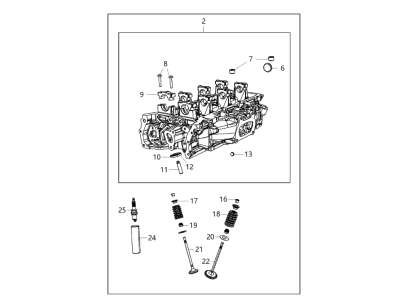
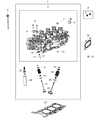
2014 Jeep Grand Cherokee Head Cylinder
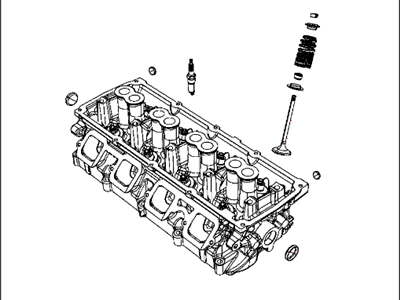
Part Number: R3602014AA$750.05 MSRP: $1125.00You Save: $374.95 (34%)Product Specifications- Other Name: Head Cylinder With Valve
- Item Weight: 34.50 Pounds
- Item Dimensions: 20.8 x 12.6 x 10.6 inches
- Condition: New
- Fitment Type: Direct Replacement
- SKU: R3602014AA
- Warranty: This genuine part is guaranteed by Mopar's factory warranty.
2014 Jeep Grand Cherokee Head Cylinder
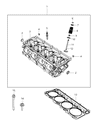
Part Number: 68086556AA$1062.45 MSRP: $1285.00You Save: $222.55 (18%)Product Specifications- Other Name: Head - Engine Cylinder
- Replaced by: 68280511AD
- Item Weight: 40.80 Pounds
- Item Dimensions: 24.6 x 12.3 x 9.4 inches
- Condition: New
- Fitment Type: Direct Replacement
- SKU: 68086556AA
- Warranty: This genuine part is guaranteed by Mopar's factory warranty.

 Product Specifications
- Other Name: Head Assembly Engine Cylinder Complete Less Camshaft
- Replaced by: 68483336AA
- Item Weight: 35.80 Pounds
- Item Dimensions: 21.2 x 12.9 x 9.3 inches
- Condition: New
- Fitment Type: Direct Replacement
- SKU: 68211171AA
- Warranty: This genuine part is guaranteed by Mopar's factory warranty.
2014 Jeep Grand Cherokee Head Cylinder
Part Number: RL141352AE$1026.15 MSRP: $1240.00You Save: $213.85 (18%)Product Specifications- Other Name: Head Cylinder With Valve
- Replaced by: 68141352AD
- Item Weight: 37.60 Pounds
- Item Dimensions: 9.3 x 12.8 x 20.4 inches
- Condition: New
- SKU: RL141352AE
- Warranty: This genuine part is guaranteed by Mopar's factory warranty.
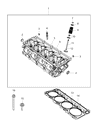
2014 Jeep Grand Cherokee Head Cylinder
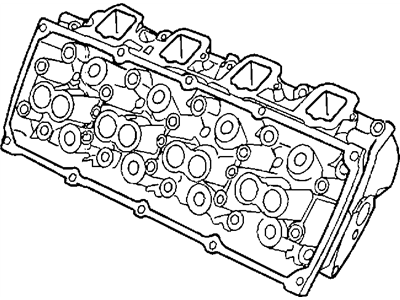
Part Number: RL021608DE$243.41 MSRP: $284.00You Save: $40.59 (15%)Product Specifications- Replaced by: 53021608DF
- Item Weight: 49.00 Pounds
- Item Dimensions: 9.5 x 19.4 x 18.9 inches
- Condition: New
- SKU: RL021608DE
- Warranty: This genuine part is guaranteed by Mopar's factory warranty.
2014 Jeep Grand Cherokee Head Cylinder
Part Number: 68086555AA$452.31 MSRP: $525.00You Save: $72.69 (14%)Product Specifications- Replaced by: 68280510AD
- Item Weight: 40.70 Pounds
- Item Dimensions: 23.9 x 12.0 x 9.4 inches
- Condition: New
- SKU: 68086555AA
- Warranty: This genuine part is guaranteed by Mopar's factory warranty.
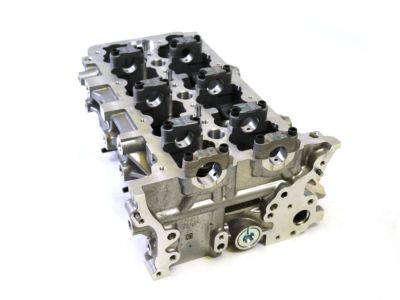
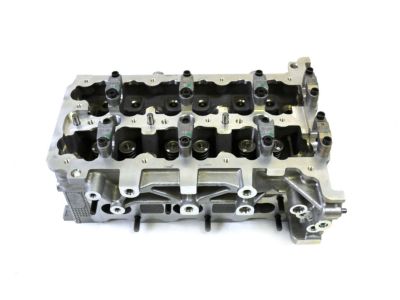
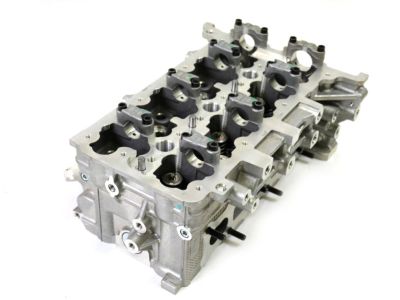 Product Specifications
- Other Name: Head Assembly Engine Cylinder Complete Less Camshafts
- Replaced by: 68211170AB
- Item Weight: 31.20 Pounds
- Item Dimensions: 17.8 x 12.2 x 12.2 inches
- Condition: New
- SKU: 68211170AA
- Warranty: This genuine part is guaranteed by Mopar's factory warranty.


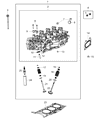 Product Specifications
- Other Name: Head Cylinder With Valves; Cylinder Head
- Replaces: RL227451AA
- Item Weight: 37.80 Pounds
- Item Dimensions: 9.4 x 12.6 x 20.6 inches
- Condition: New
- SKU: 68227451AA
- Warranty: This genuine part is guaranteed by Mopar's factory warranty.
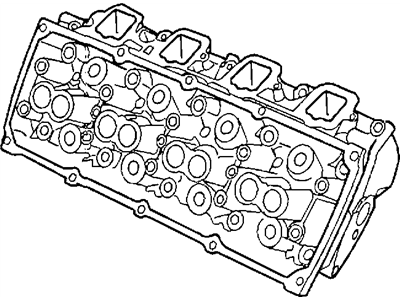 Product Specifications
- Other Name: Head Cylinder Left
- Replaced by: 53021609DF
- Item Weight: 35.60 Pounds
- Item Dimensions: 24.6 x 12.3 x 9.5 inches
- Condition: New
- Fitment Type: Direct Replacement
- SKU: RL021609DE
- Warranty: This genuine part is guaranteed by Mopar's factory warranty.
2014 Jeep Grand Cherokee Cylinder Head
On our website, we proudly offer genuine 2014 Jeep Grand Cherokee Cylinder Head at the market's great competitive prices. We are confident that choosing brand new OEM 2014 Jeep Grand Cherokee Cylinder Head from our site will save you both trouble and money.
2014 Jeep Grand Cherokee Cylinder Head Parts Questions & Experts Answers
- Q:How to remove and install cylinder heads in 5.7L,6.1L V8 and 6.4L V8 hemi engine on 2014 Jeep Grand Cherokee?Posted by Jeromie S.A:To take off the cylinder heads, relieve fuel system pressure and join the leads and then disconnect the negative terminal of the battery. Take out the coolant, after this, the intake manifold and exhaust manifolds on the cylinder heads should be removed. Then, remove the valve covers and then the rocker arms and pushrods should be removed, while maintaining an organization for their reinsertion. Turn the head bolts in a manner that is counter clockwise in a pattern that is opposite of the pattern that was used to tighten it and ensure that you do it in a way that is incremental by doing sub-turns until you can turn the head bolts by hands and it should be noted that head bolts that are of different lengths must be stored in an order. Carefully raise the heads off the engine; if you have to beat them off using a block of wood and a hammer, go ahead, as this will avoid damaging the gasket sealing surfaces; place the heads on blocks of wood. For installation, it is mandatory that the surfaces of the cylinder heads and block should be clean perfectly by the use of gasket removal solvents and a scraper as may be required. Mop the area with cloth which has been dipped in lacquer thinner or acetone; also lay some shop rags over the lifter valley to prevent dirt from falling into place. It is good practice to inspect the mating surfaces and use emery cloth to fine any slight imperfections in the heads of the bolts and chase the threads from the head bolt holes with a tap. Install the new gaskets at the dowels in the block in the correct position of their flaps and carefully set the heads into the block without damaging the gaskets. Englube the threads of the head bolt and position them back to their respective place, fasten them gently by hand then as recommended for more tightening and torqueing. The rest is the reversal of the installation and then installing the coolant, changing the oil and filter and starting the engine and checking for sluggishness or leakage.Answered by Mopar Parts Specialist Alan / May 12, 2024
Related 2014 Jeep Grand Cherokee Parts
 2014 Jeep Grand Cherokee Cylinder Head Gasket
 2014 Jeep Grand Cherokee Rocker Arm
 2014 Jeep Grand Cherokee Camshaft
 2014 Jeep Grand Cherokee Timing Cover
 2014 Jeep Grand Cherokee Spool Valve
 2014 Jeep Grand Cherokee Cylinder Head Bolts