My Garage
My Account
Cart
Genuine Dodge Avenger Intake Manifold
Engine Intake Manifold- Select Vehicle by Model
- Select Vehicle by VIN
Select Vehicle by Model
orMake
Model
Year
Select Vehicle by VIN
For the most accurate results, select vehicle by your VIN (Vehicle Identification Number).
18 Intake Manifolds found
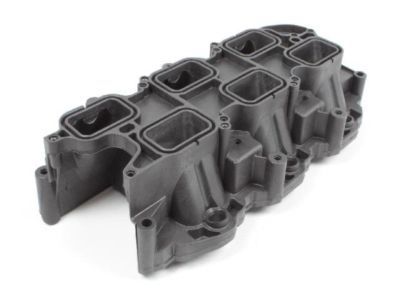
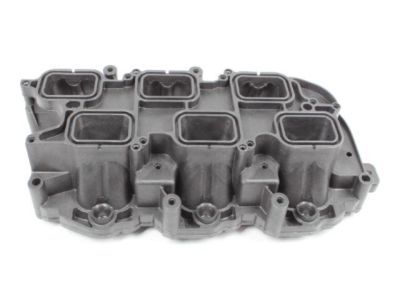
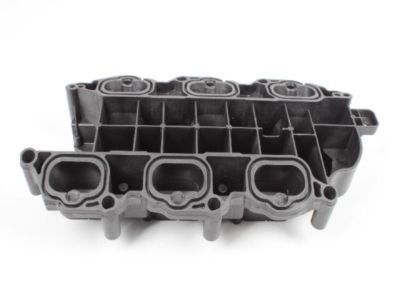
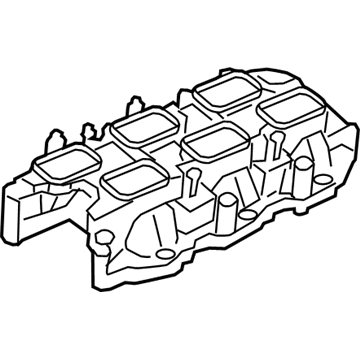
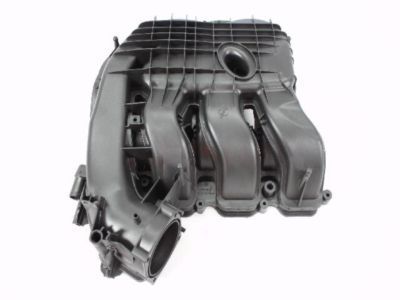
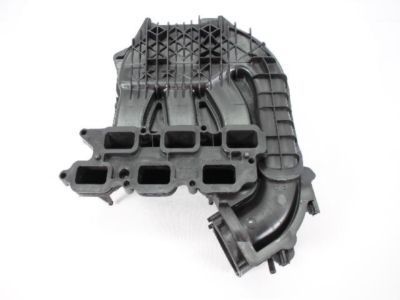
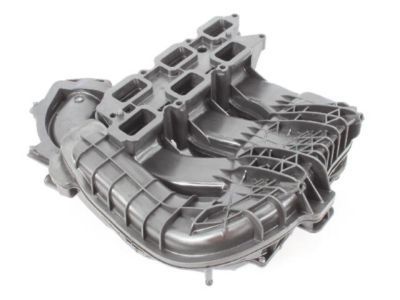
Dodge Avenger Engine Intake Manifold
Part Number: 5184693AE$374.00 MSRP: $572.00You Save: $198.00 (35%)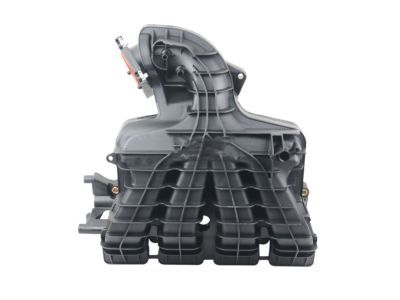
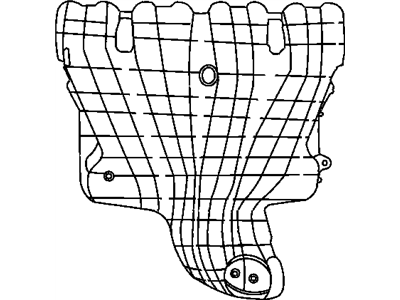
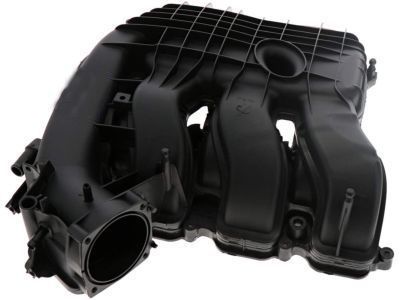
Dodge Avenger Intake Manifold W/Imc Solenoid
Part Number: 4884495AF$597.30 MSRP: $913.95You Save: $316.65 (35%)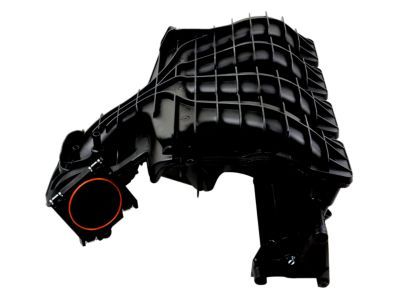
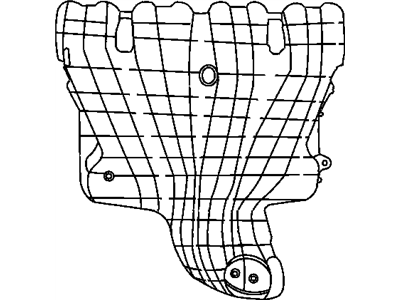
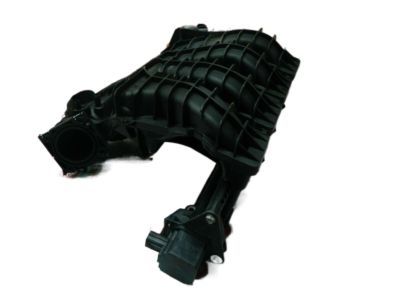
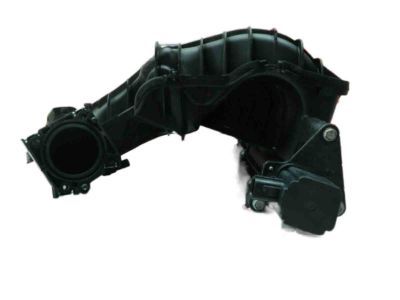
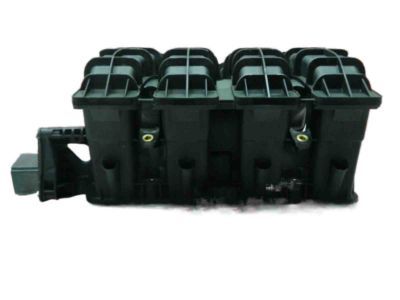
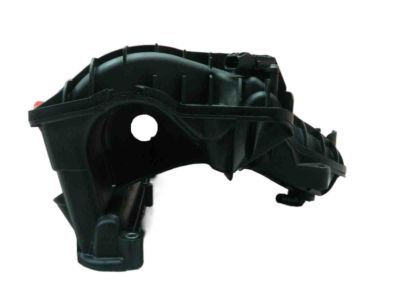
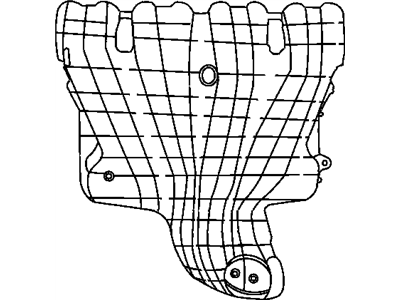
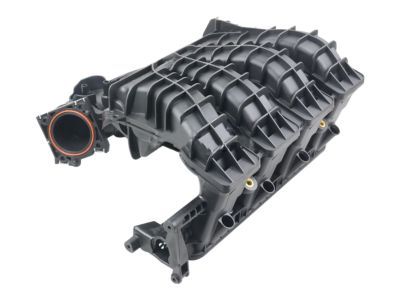
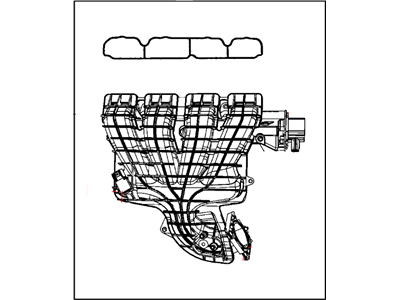
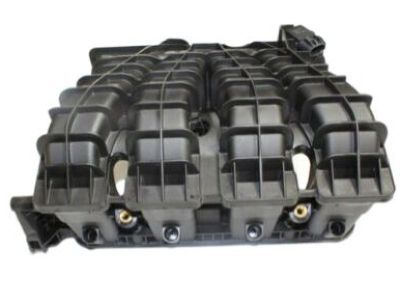
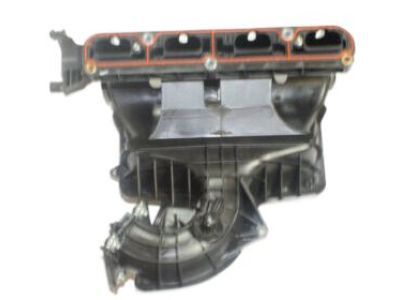
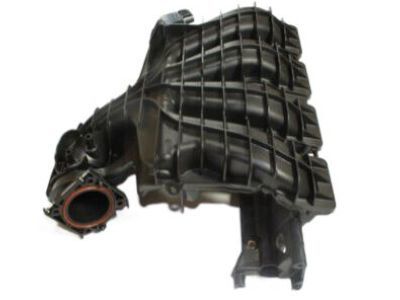
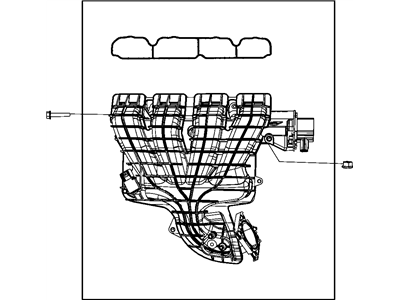
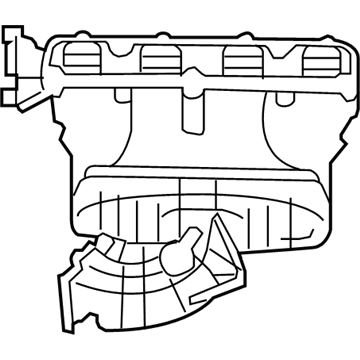
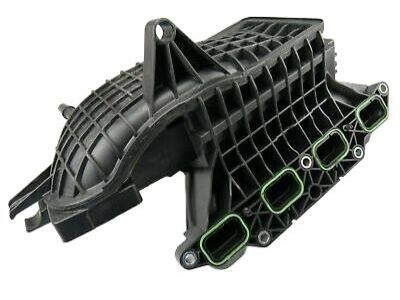
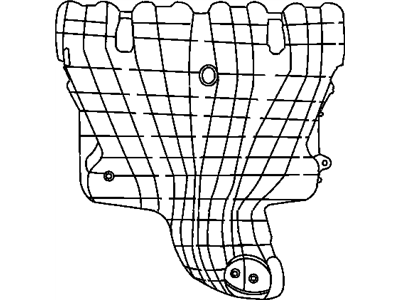
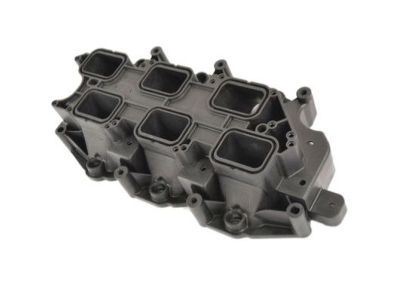
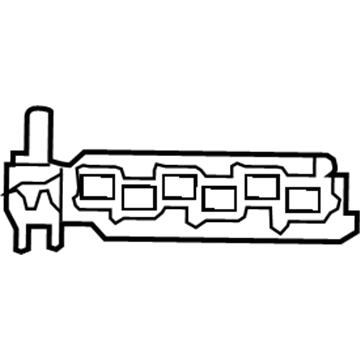
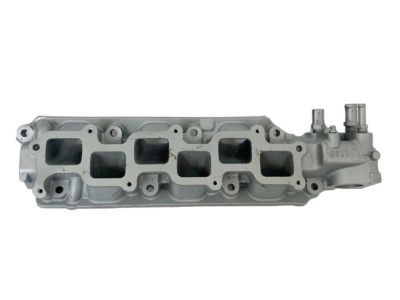
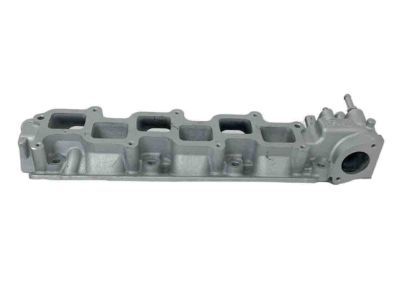
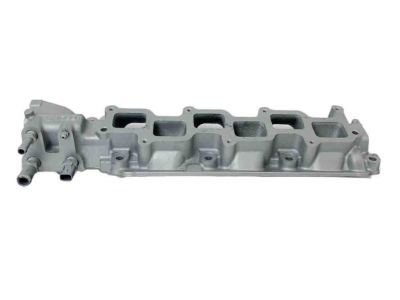
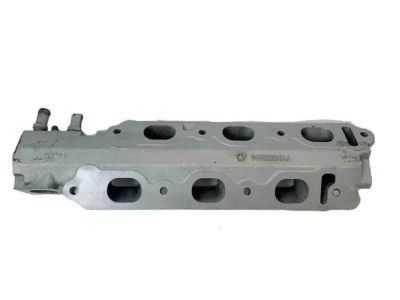
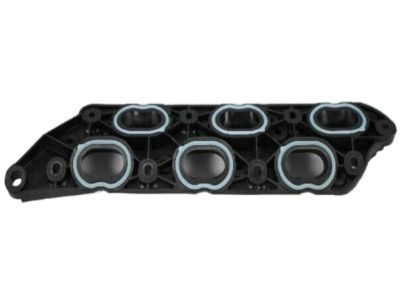
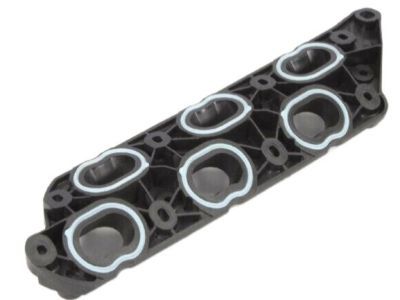
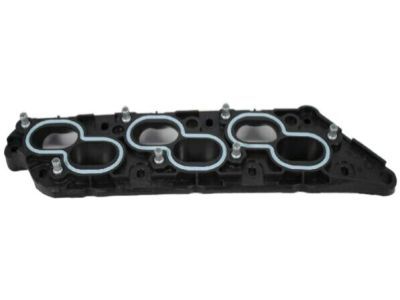
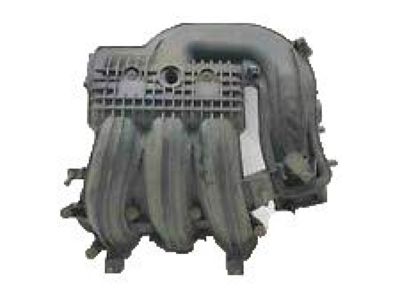
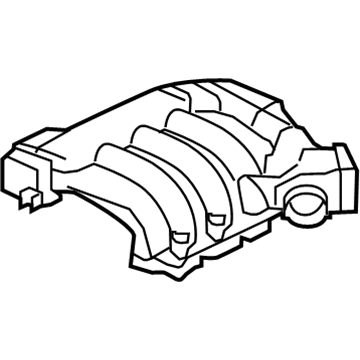
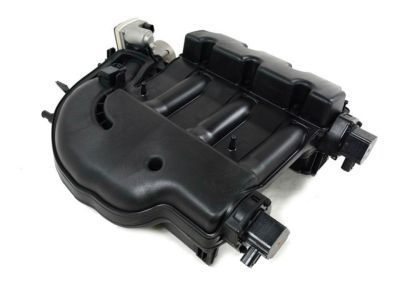
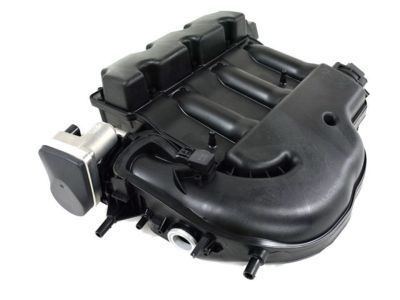
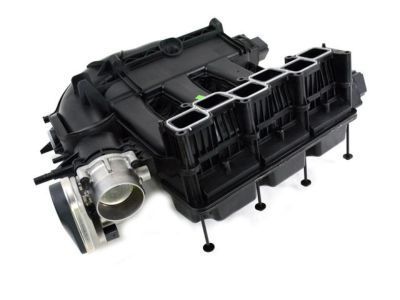
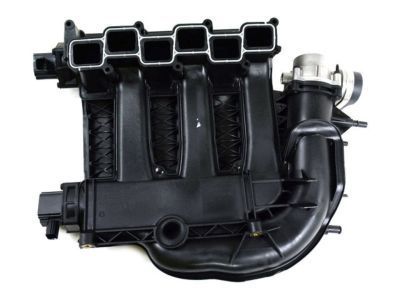
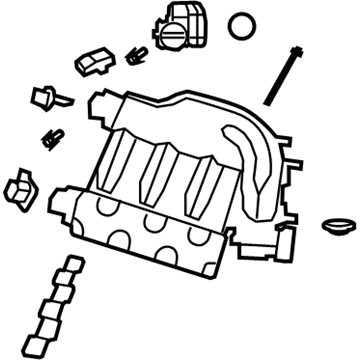
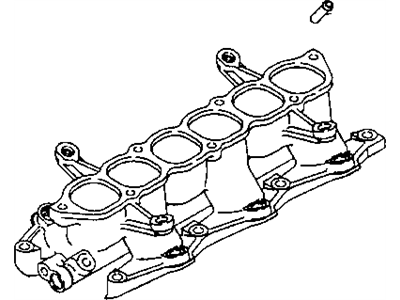
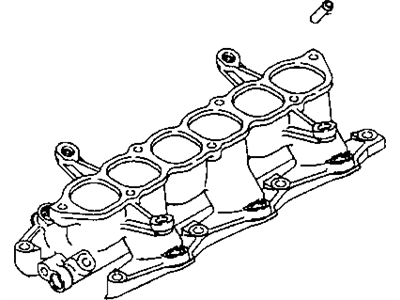
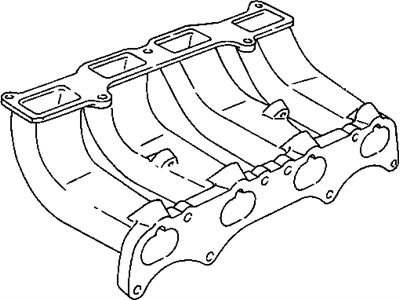
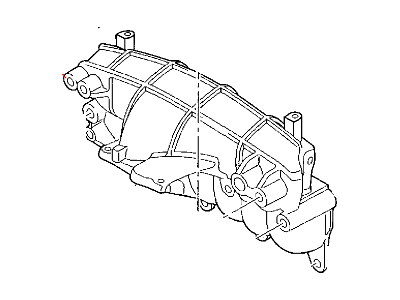
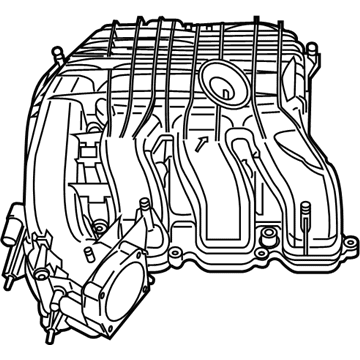
Dodge Avenger Intake Manifold
The Intake Manifold of Dodge Avenger vehicles, in facts, is an important component that disburses the air or air/fuel mixture to its cylinders, it has direct relationship to the power and performance of the car's engine. It working through the following steps, it takes air from the throttle body or carburetor as per the engine type with slight differences. For instance, carbureted engines utilize the manifold in providing fuel while the multiport fuel-injected engines have separate injectors for fuel. Some of the features which have changed over the years include the use of material like cast iron and aluminum which are replaced by new composite plastics, lighter and have better ability to shed heat. Certain models come with fully variable length intake manifolds whereby the length of the intake tract is changed in order to effect the airflow, and thus the performance, of the engine. These changes in the intake manifold design show that the manufacturers are intent to enhance the standard performance, efficiency ratios as well as power of the Dodge Avenger automobiles.
Looking for affordable and high-quality auto parts? Then you have already arrived at the proper online shop. We offer all Dodge Avenger Intake Manifold at great affordable prices. Moreover, all genuine Dodge Avenger Intake Manifold come with a manufacturer's warranty. In the long run, you would realize you have saved a lot of trouble and money with OEM parts from here.
Dodge Avenger Intake Manifold Parts Questions & Experts Answers
- Q:How to remove and install the intake manifold in four cylinder engine on Dodge Avenger?A:In 2014 and older models, the intake takes its place from the front side of the head, while it is shifted to the back for 2015 and newer models. Before removing the intake manifold, first lower fuel pressure within the system, and disconnect the negative battery terminal. First, slide off the engine cover by removing it from the ballstuds. Next, pull the air inlet resonator off its connectors. You can remove the ignition coil unit from the valve cover, and remove the fuel rail and other fuel system components at once. Pulling power from three key sensors, detach the wiring connections for the Variable Valve Timing solenoid, the Manifold Absolute Pressure sensor, and the intake Camshaft Position sensor, moving the cable connector from its place. Disconnect the throttle body electrical connector, remove the holding screws from the bracket linking the throttle body to transaxle, and loosen the bracket's final transaxle fixture. Step by step, free up the intake manifold by removing and labeling its wiring harness holder and putting off the vacuum lines. You can take the throttle body off before servicing or replacing the intake manifold, but you don't need to if all you're doing is working on the cylinder head. Take out the intake manifold by removing its bolts along with the washers, and then replace the manifold gaskets. Before installing the intake, run a straightedge and a feeler gauge over the mating surface to find warpage. If warping goes beyond allowed limits, you must either get the surface resurfaced or buy a new intake. Before installing, rinse all gasket contact areas. Place the foam pad correctly over the coolant transfer tube for 2015 and later models. With a fresh gasket in place, put the intake manifold onto the studs and snug down the fasteners step by step, from one end to the other, according to the torque chart. Installation is otherwise the reverse of removal.