
My Garage
My Account
Cart
Genuine Dodge Dakota Control Arm
Suspension Arm- Select Vehicle by Model
- Select Vehicle by VIN
Select Vehicle by Model
orMake
Model
Year
Select Vehicle by VIN
For the most accurate results, select vehicle by your VIN (Vehicle Identification Number).
29 Control Arms found
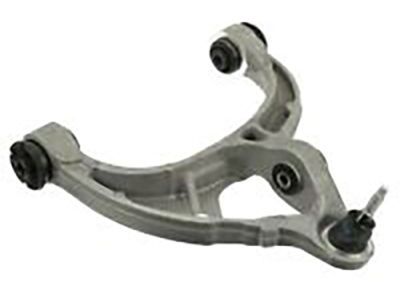
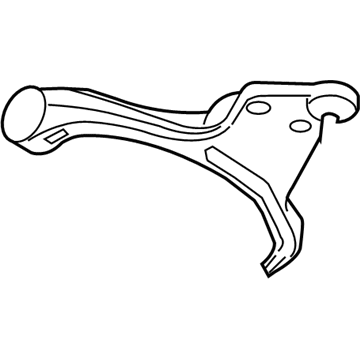
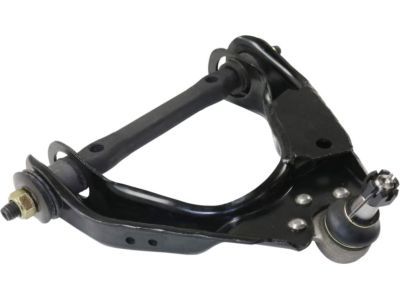
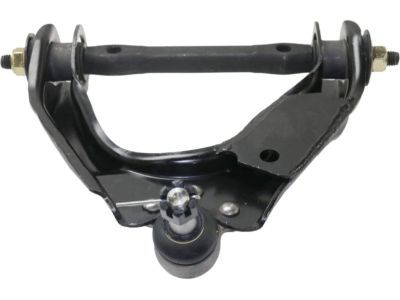
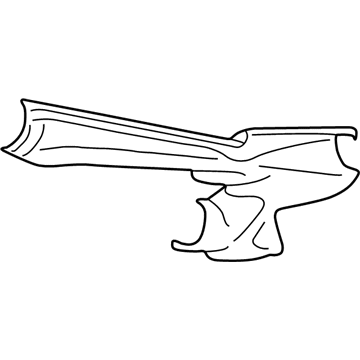
Dodge Dakota Front Lower Control Arm
Part Number: 52855106AB$476.30 MSRP: $722.00You Save: $245.70 (35%)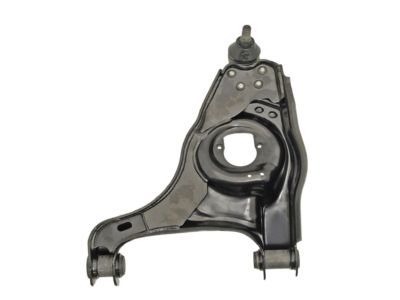
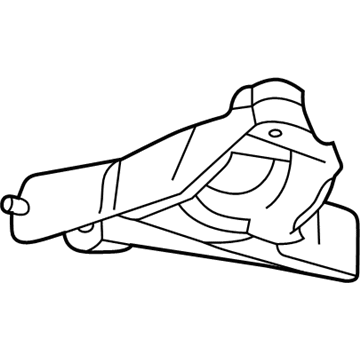
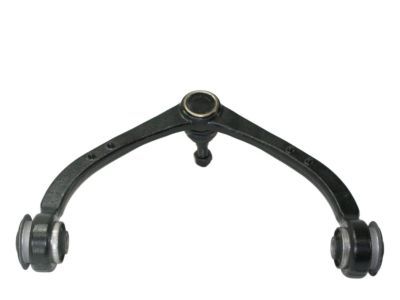
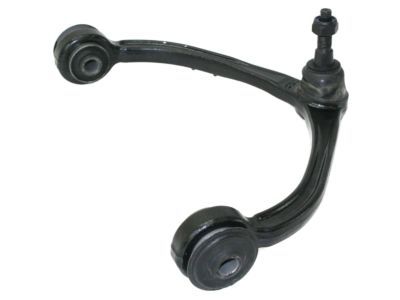
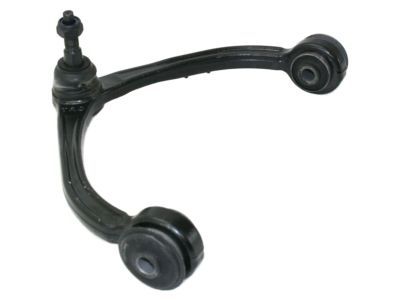
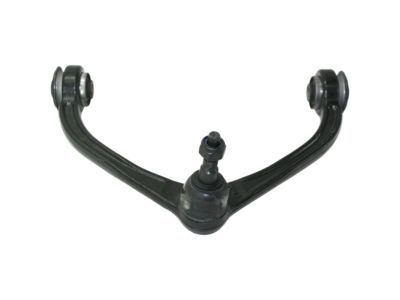
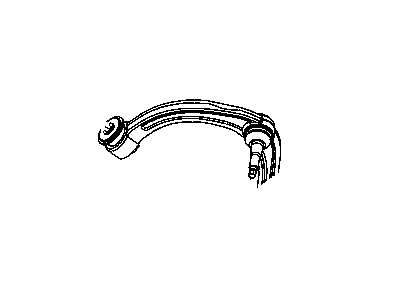
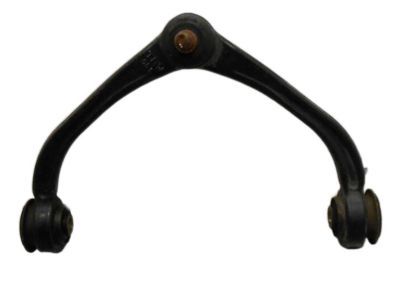
Dodge Dakota Front Upper Control Arm
Part Number: 52855100AC$278.75 MSRP: $422.00You Save: $143.25 (34%)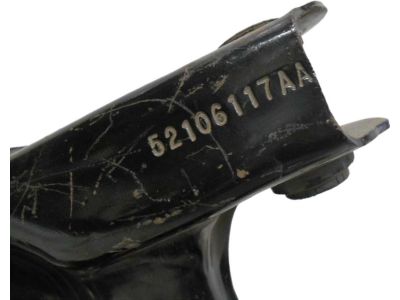
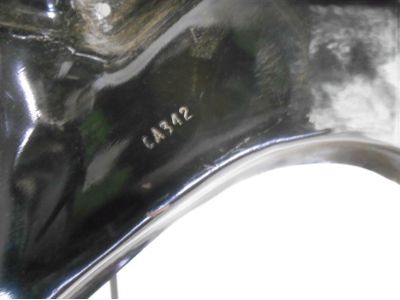
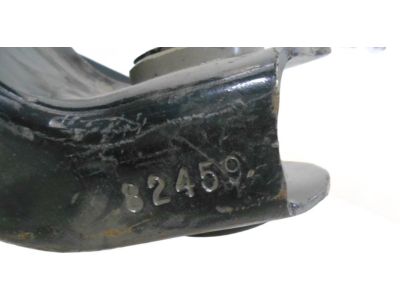
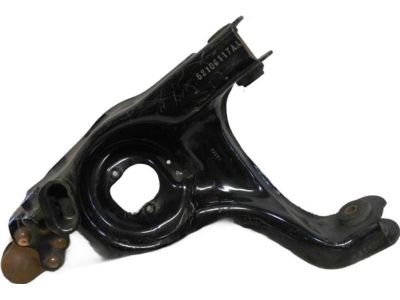
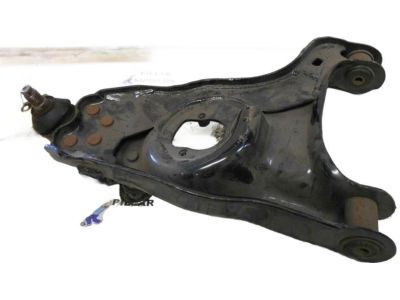
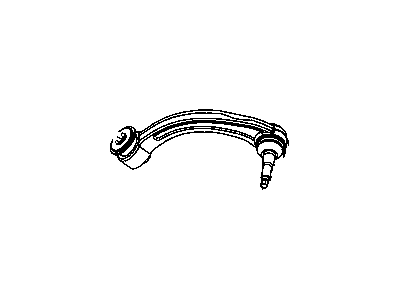
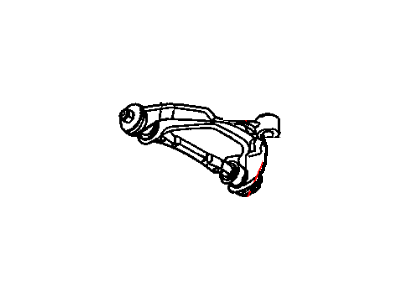
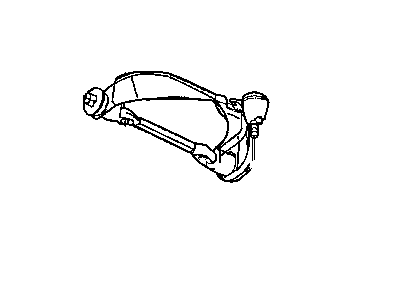
Dodge Dakota Front Lower Control Arm
Part Number: 52106117AA$384.97 MSRP: $478.00You Save: $93.03 (20%)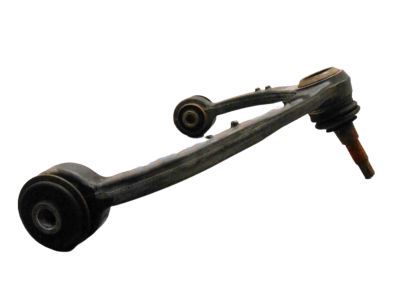
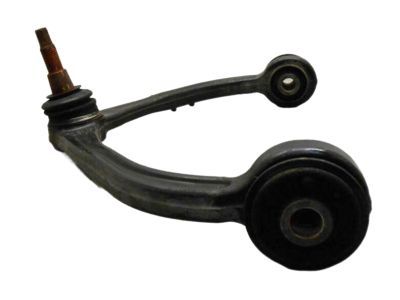
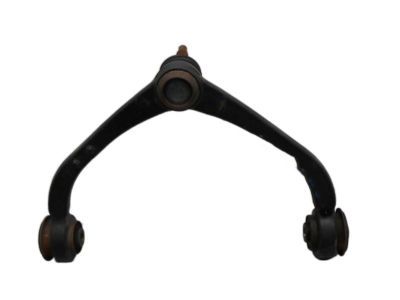
Dodge Dakota Front Upper Control Arm
Part Number: 52855100AD$278.75 MSRP: $422.00You Save: $143.25 (34%)Dodge Dakota Front Lower Control Arm
Part Number: 52855107AB$265.37 MSRP: $397.00You Save: $131.63 (34%)
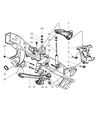
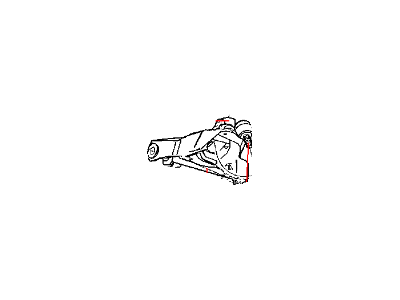
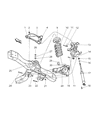
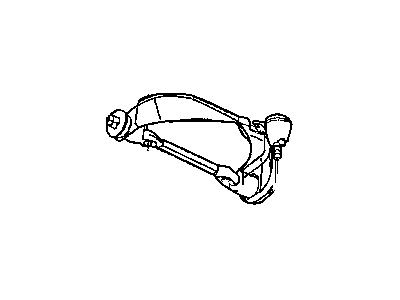
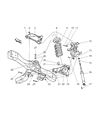
Dodge Dakota Front Upper Control Arm
Part Number: 52106161AE$371.11 MSRP: $428.00You Save: $56.89 (14%)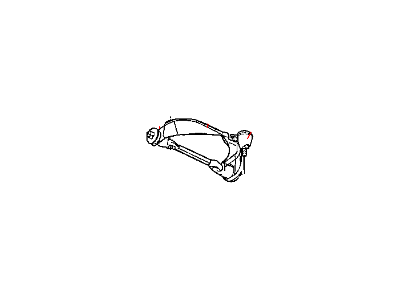
Dodge Dakota Front Upper Control Arm
Part Number: 52106161AC$371.11 MSRP: $428.00You Save: $56.89 (14%)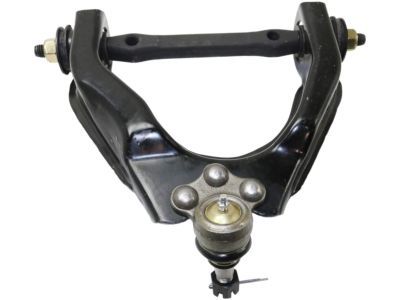
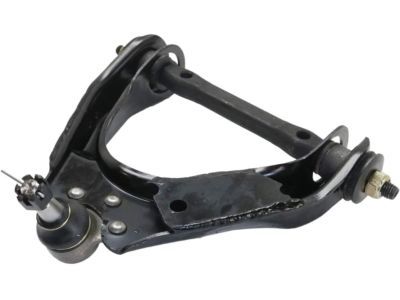

| Page 1 of 2 |Next >
1-20 of 29 Results
Dodge Dakota Control Arm
The control arm of Dodge dakkon vehicle is one of highly used suspension parts which connect the chassis to wheel hub, for getting the vertical movement of wheel with out allowing any side movement. This is important for the vehicles stability during cornering and thus it's an important aspect to be considered in the design of vehicles. Most of the time, upper and lower control arms are usually implemented in the Dodge Dakota models and depending on the specific year of the model, the designs may be different. Control arms have one end with a ball joint and the other end with bushings, these bushings hence wear out and when the ball joint gets bad, the entire control arm has to be replaced since the joint cannot be repaired individually. The material used in the Dodge Dakota Control Arm is steel making the control arm itself rather durable - the mounts, however, may not be as strong. There is regular parts or OEM parts and then there are other parts or parts which are usually cheaper and further afield in variety. Altogether, it is possible to state that the Control Arm can be considered as one of the primary factors contributing to the enhanced safety and riding comfort of the Dodge Dakota.
Looking for affordable and high-quality auto parts? Then you have already arrived at the proper online shop. We offer all Dodge Dakota Control Arm at great affordable prices. Moreover, all genuine Dodge Dakota Control Arm come with a manufacturer's warranty. In the long run, you would realize you have saved a lot of trouble and money with OEM parts from here.
Dodge Dakota Control Arm Parts Questions & Experts Answers
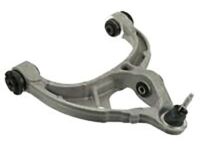
- Q:How to Replace a Front lower Control Arm on a Dodge Dakota?A:First, loosen the wheel lug nuts, lift the car with a jack, and put two stable jack stands under the metal frame rails. Remove the wheel. Before you lift up the car, drivers with 4WD vehicles should loosen the driveaxle/hub nut. Uninstall the brake disc and remove the wheel speed sensor connection. Place your floor jack underneath control arm's outer end to keep it stable. To access the Shock Absorber mounting point on the control arm, remove the bolts that keep it in place. Unclip the stabilizer bar end link from the control arm. On 4WD models, remove the driveaxle. Draw where the control arm mounting bolts attach to the frame, and take them out. Make certain to jot down the location of each cam adjuster before removing it. Pull loosen the lower balljoint stud's nut but leave it in place while you disconnect the joint from the steering knuckle by pressing the joint apart. You need a specific balljoint removal tool, but with a pickle fork alternative, you may damage the boot that covers the balljoint. First undo all connections, then tighten every bolt back according to instructions. Hang up the car to normal riding height before tightening the nuts on the pivot bolt. Use the floor jack to lift the outer bottom control arm until normal ride height appears while the wheel remains on. Follow the instructions to put the wheel and lugnuts on, then lower your car. Properly tighten all lug nuts to their correct torque. Check and correct alignment at the front end of your car if needed.
Related Dodge Dakota Parts
 Dodge Dakota Shift Cable
 Dodge Dakota Leaf Spring
 Dodge Dakota Coil Spring Insulator
 Dodge Dakota Axle Beam
 Dodge Dakota Control Arm Bushing
 Dodge Dakota Ball Joint
 Dodge Dakota Front Cross-Member
 Dodge Dakota Leaf Spring Bushing
 Dodge Dakota Bump Stop
 Dodge Dakota Rear Crossmember
Browse by Year
2011 Control Arm 2010 Control Arm 2009 Control Arm 2008 Control Arm 2007 Control Arm 2006 Control Arm 2005 Control Arm 2004 Control Arm 2003 Control Arm 2002 Control Arm 2001 Control Arm 2000 Control Arm 1999 Control Arm 1998 Control Arm 1997 Control Arm 1996 Control Arm 1995 Control Arm 1994 Control Arm 1993 Control Arm 1992 Control Arm 1991 Control Arm 1990 Control Arm