My Garage
My Account
Cart
Genuine Dodge Nitro Parking Brake Shoe
Emergency Parking Brake Shoe- Select Vehicle by Model
- Select Vehicle by VIN
Select Vehicle by Model
orMake
Model
Year
Select Vehicle by VIN
For the most accurate results, select vehicle by your VIN (Vehicle Identification Number).
1 Parking Brake Shoe found
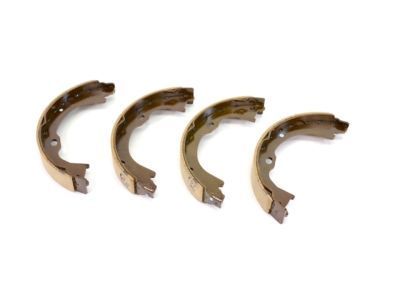
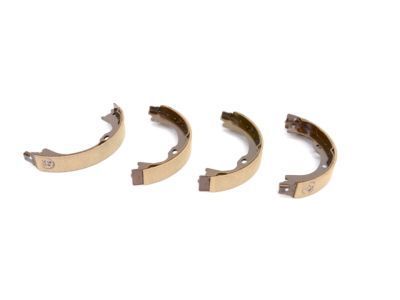
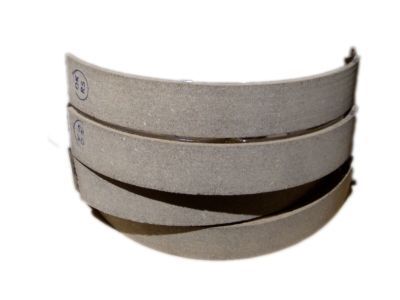
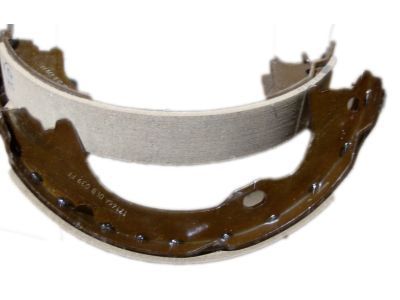
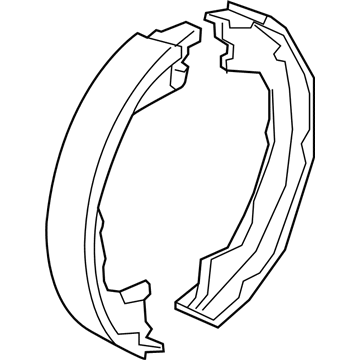
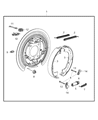
Dodge Nitro Parking Brake Shoe And Lining Kit
Part Number: 68003589AA$50.50 MSRP: $72.20You Save: $21.70 (31%)
Dodge Nitro Parking Brake Shoe
The Parking Brake Shoe on the Dodge Nitro models plays a very important role since it helps ensure that the wheels of the car do not roll once the car is parked. This is done by use of brake lining applied on the drum wall which, when the parking brake is applied, rubs and creates friction to jam the wheels. Dodge Nitro has used several designs of Parking Brake Shoe in the past years and all the designs aimed at boosting performance and durability. Though, the differences between these mentioned types are not given with specific detail, the development observed for the Parking Brake Shoe as used in the Dodge Nitro range of automobiles depicts enhancement of the braking technology in an effort to produce relatively safer and effective braking systems.
Looking for affordable and high-quality auto parts? Then you have already arrived at the proper online shop. We offer all Dodge Nitro Parking Brake Shoe at great affordable prices. Moreover, all genuine Dodge Nitro Parking Brake Shoe come with a manufacturer's warranty. In the long run, you would realize you have saved a lot of trouble and money with OEM parts from here.
Dodge Nitro Parking Brake Shoe Parts Questions & Experts Answers
- Q:How to replace the parking brake shoes on Dodge Nitro?A:On 2007 and later models, the brake shoe assembly has been rotated 90-degrees from the illustrations shown here. Loosen the wheel lug nuts, release the parking brake, raise the rear of the vehicle and support it securely on jack stands. Block the front wheels to keep the vehicle from rolling. Remove the rear wheels. Remove the rear Brake Calipers (don't disconnect the hoses). Hang them with a length of wire. Remove the rear Brake Discs. If the brake disc cannot be easily pulled off the axle and shoe assembly, make sure that the parking brake is completely released, then apply some penetrating oil at the hub-to-disc joint. Allow the oil to soak in and try to pull the disc off. Remove the center console. Pull the parking brake cable up, then place a punch or screwdriver in the hole. Move the spring until the two tabs pass each other and then insert a screwdriver into the side hole. Release the tension on the spring. Clean the parking brake shoe assembly with brake system cleaner then follow the accompanying illustrations for the parking brake shoe replacement procedure. All four parking brake shoes must be replaced at the same time, but to avoid mixing up parts, work on only one brake assembly at a time. Before installing the disc, check the parking brake surfaces of the disc for cracks, score marks, deep scratches and hard spots, which will appear as small discolored areas. If any of the above listed conditions cannot be removed with sandpaper or emery cloth, the disc must be replaced. The remainder of installation is the reverse of removal. Check brake operation before driving in traffic. To increase the effectiveness of the new parking brake shoes, make one stop from about 25 mph using only light force on the parking brake. Make sure that you are not in traffic while you do this and that it is otherwise safe.