My Garage
My Account
Cart
Genuine Jeep Compass CV Boot
Axle Boot- Select Vehicle by Model
- Select Vehicle by VIN
Select Vehicle by Model
orMake
Model
Year
Select Vehicle by VIN
For the most accurate results, select vehicle by your VIN (Vehicle Identification Number).
10 CV Boots found
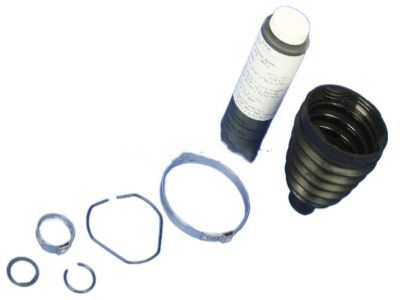
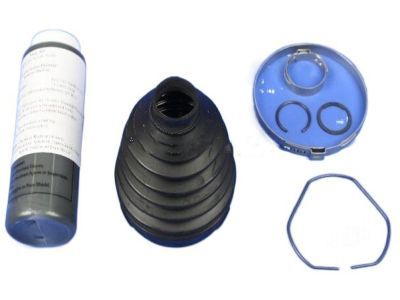
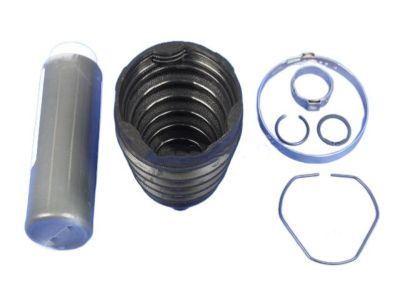
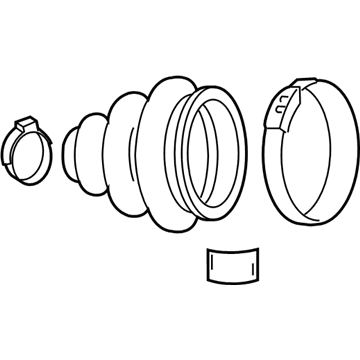
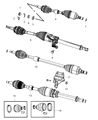
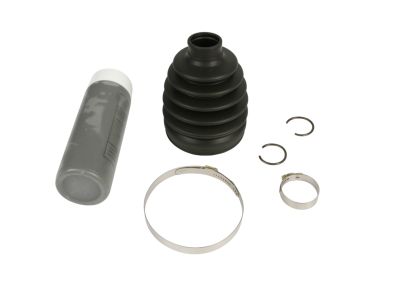
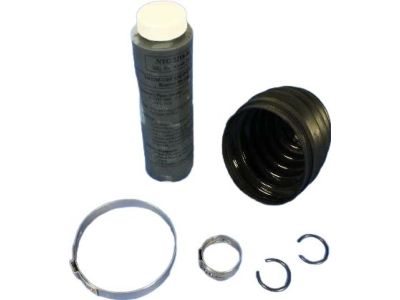
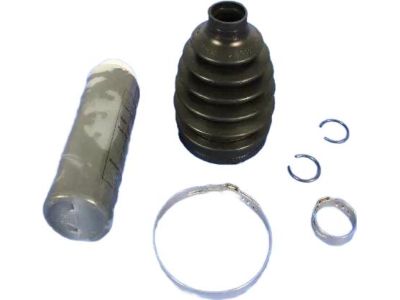
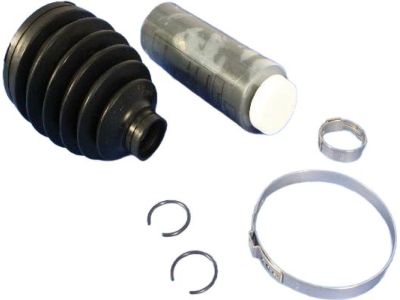
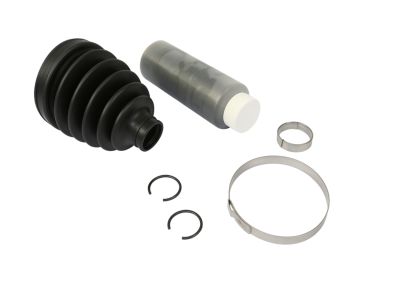
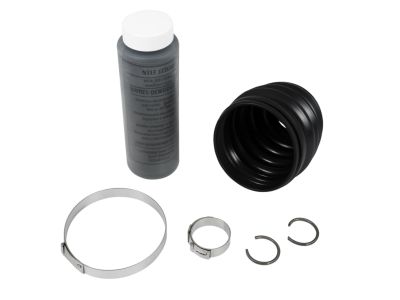
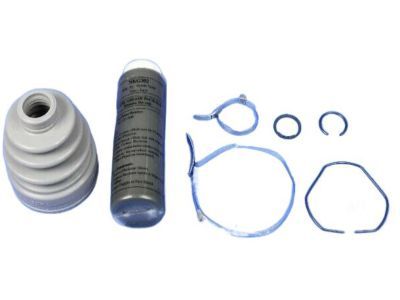
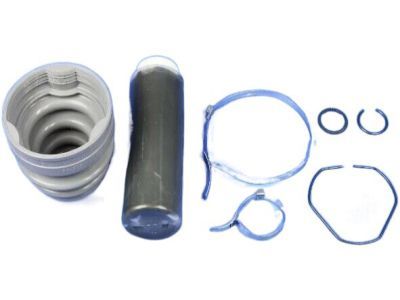
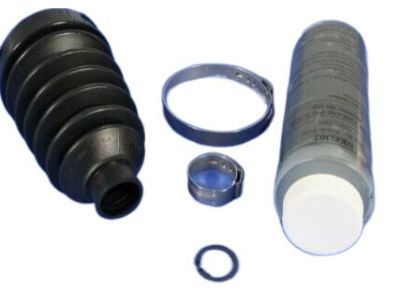
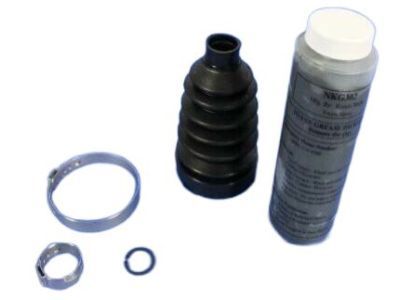
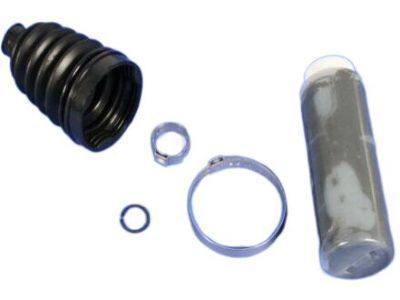
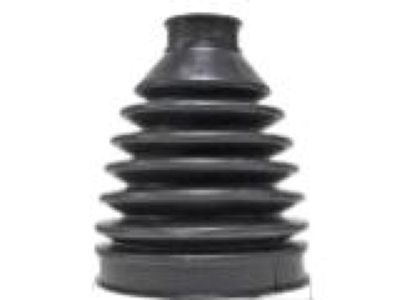
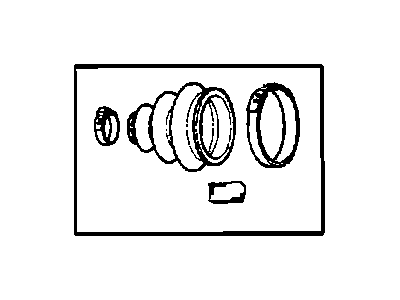
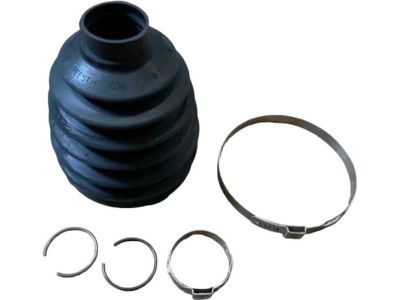
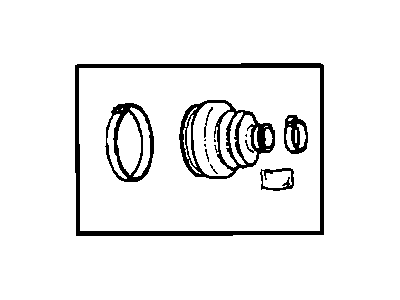
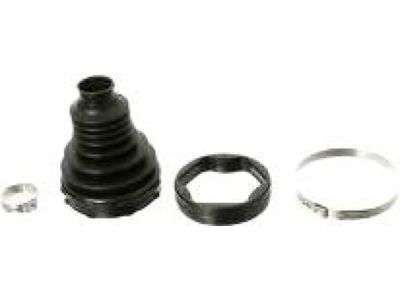
Jeep Compass CV Boot
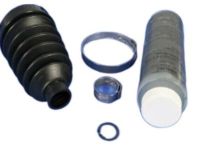
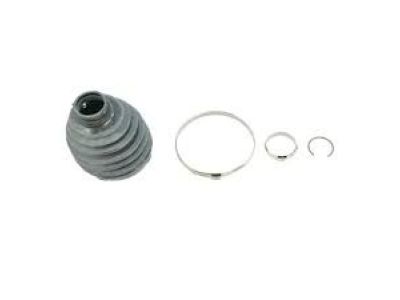
The CV Boot of Jeep Compass vehicles is one of the body safeguard used to protect the Constant Velocity (CV) joints which play a key role of transmitting power from the transaxle to the wheel. This flexible rubber or plastic boot contains the required lubricant for the CV joints while at the same time protecting the joint from dirt and grime hence enhancing their functionality. Current Jeep Compass models employ several kinds of CV joints while the outer joints are Rzeppa kind and inboard ones can be tripod or double offset CV joints. The outer CV joints run at more acute angles than the inboard ones, the inboard joints get used up for encoder shaft length variation due to suspension movement. It is thus important that the CV Boot should be checked from time to time because any form of tear or crack on the surface of this boot can result in CV joint failure which affects the efficiency of the car.
Looking for affordable and high-quality auto parts? Then you have already arrived at the proper online shop. We offer all Jeep Compass CV Boot at great affordable prices. Moreover, all genuine Jeep Compass CV Boot come with a manufacturer's warranty. In the long run, you would realize you have saved a lot of trouble and money with OEM parts from here.
Jeep Compass CV Boot Parts Questions & Experts Answers
- Q:How to check the condition of steering, suspension, struts, shocks, and CV Boot on Jeep Compass?A:With the vehicle on the ground, perform a series of checks and inspections to assess the condition of various components. Begin by gently rocking the steering wheel while the vehicle is stationary to detect excessive free play, which could indicate worn front wheel bearings, steering shaft universal joints, lower arm ball joints, or steering gear. Keep an eye out for other symptoms like excessive body movement over rough terrain, swaying around corners, and steering wheel binding as you turn, as these may signal issues with steering or suspension components. Evaluate the condition of struts and shock absorbers by pushing down and releasing the vehicle at each corner; if it fails to return to a level position within one or two bounces, the shocks/struts are worn and require replacement. Listen for squeaks and noises from the suspension components during this test. Examine struts and shock absorbers for fluid leakage, but note that a light film of fluid is generally not a cause for concern. Ensure that any observed leakage originates from the struts/shocks. If leakage is confirmed, replace the struts/shocks as a set. Verify that struts and shocks are securely mounted and undamaged and inspect upper mounts for wear or damage; replace shocks as a set (front and rear) if needed. Move under the vehicle by raising it and supporting it securely on jackstands. Check the tires for irregular wear patterns and proper inflation, and inspect the universal joint between the steering shaft and steering gear housing, steering gear housing for lubricant leakage, and the condition of dust seals and boots. Examine the steering linkage for looseness, damage, and play in the tie-rod ends, and inspect all suspension and steering components for loose bolts, broken or disconnected parts, and deteriorated rubber bushings. While an assistant turns the steering wheel, assess steering components for free movement, chafing, and binding, aiming to pinpoint any slack. Investigate ball joints for wear by attempting to move each control arm up and down to check for play. Replace any ball joint with play. Inspect ball joint boots for damage and grease leakage, replacing damaged boots. Finally, pay attention to the CV boots, washing them to remove oil and grease that could accelerate deterioration. Focus on the outer CV boot, as it wears out more quickly due to constant pivoting. Inspect the boots for tears, cracks, and loose clamps.