My Garage
My Account
Cart
Genuine Jeep Compass Fuse
Circuit Fuse- Select Vehicle by Model
- Select Vehicle by VIN
Select Vehicle by Model
orMake
Model
Year
Select Vehicle by VIN
For the most accurate results, select vehicle by your VIN (Vehicle Identification Number).
20 Fuses found
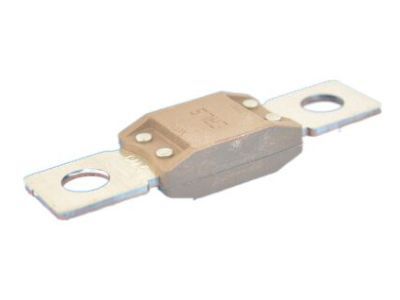
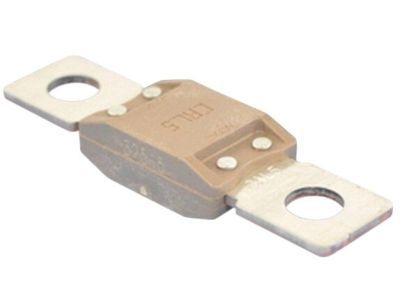
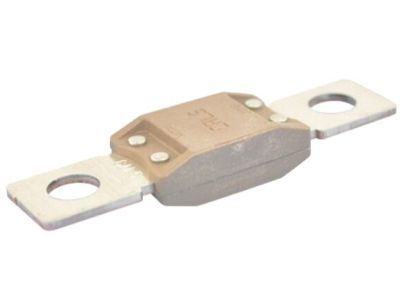
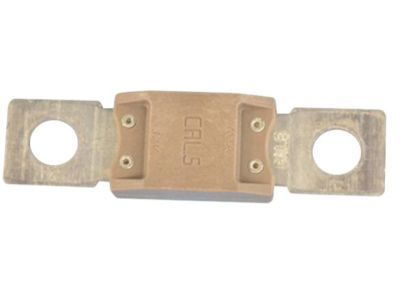
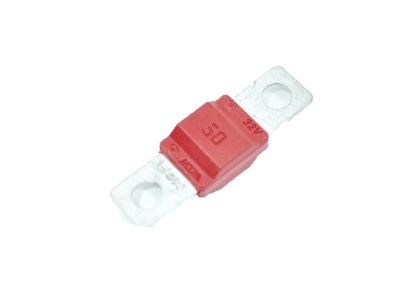
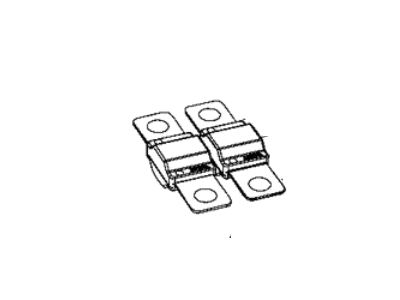
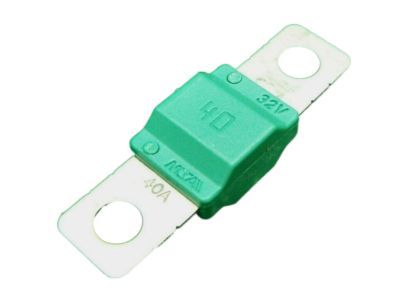
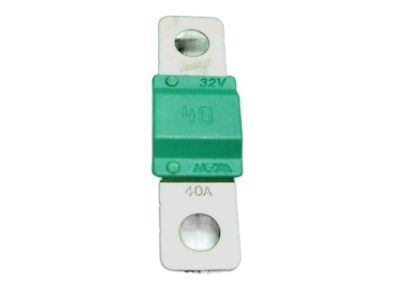
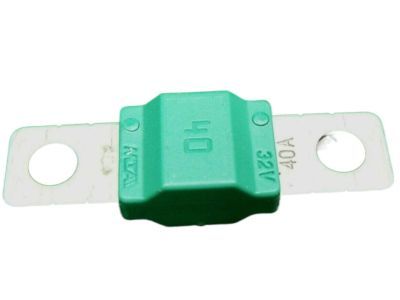
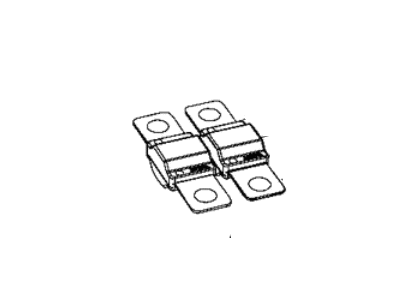
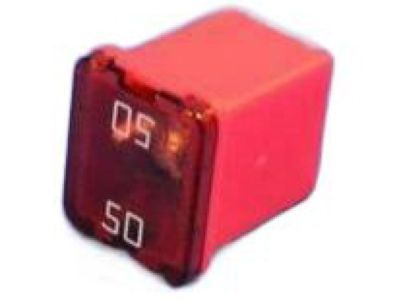
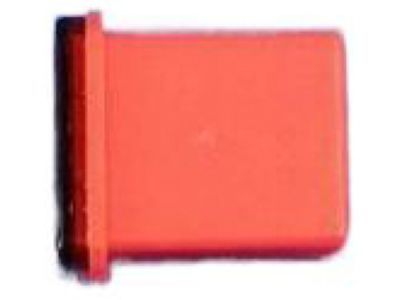
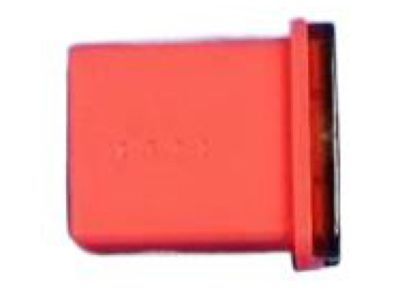
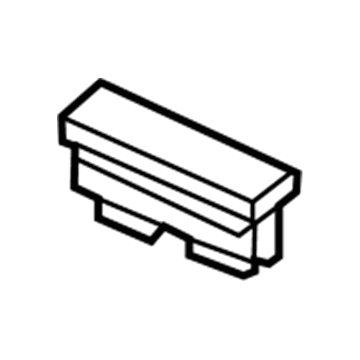
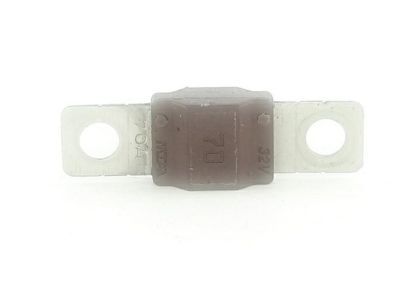
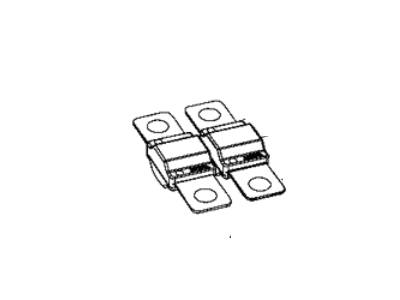
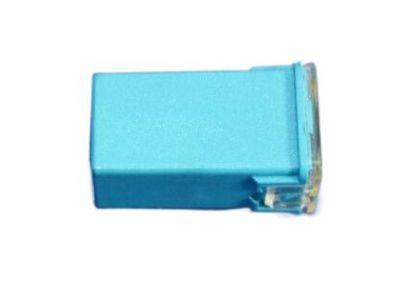
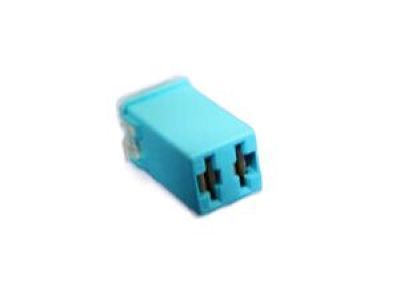
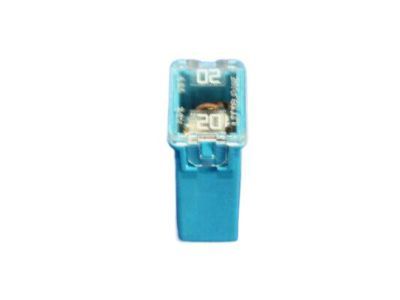

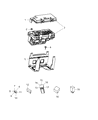
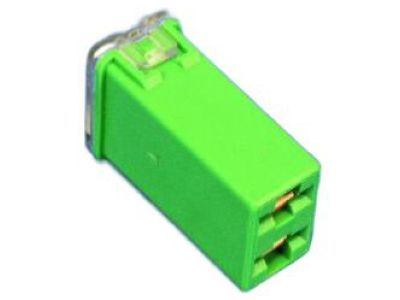
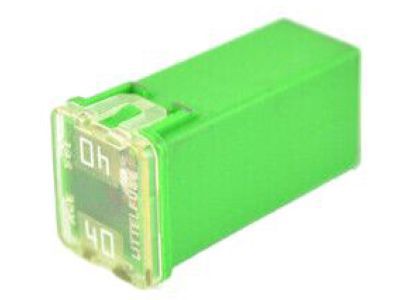
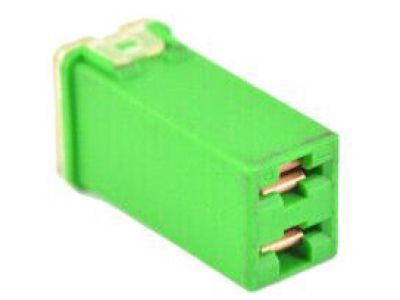
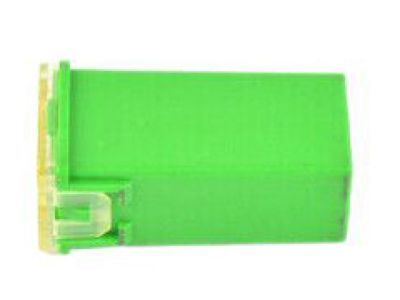
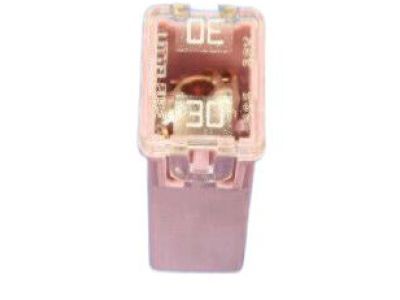
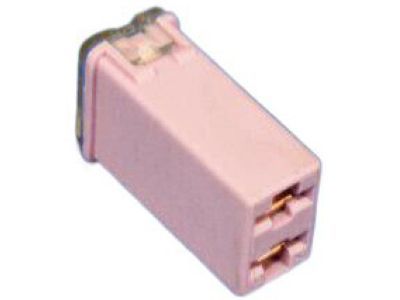
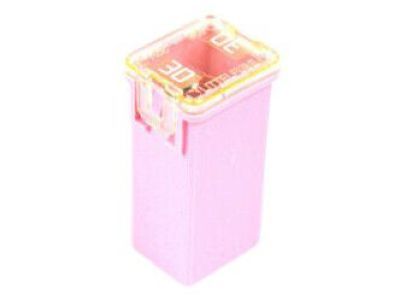
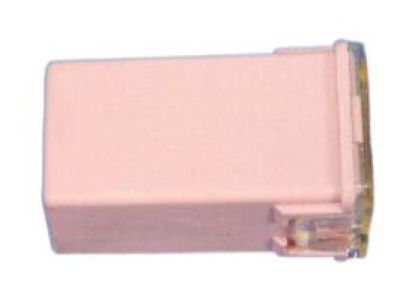
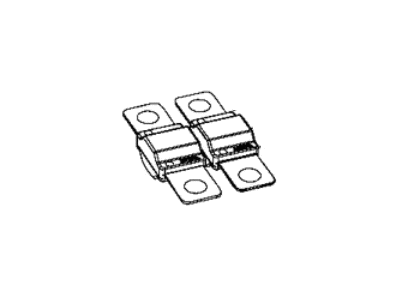
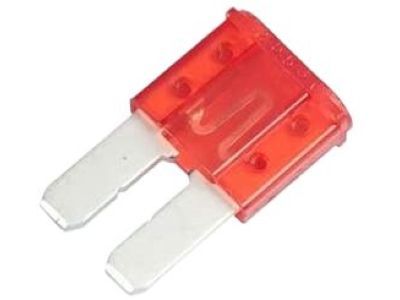
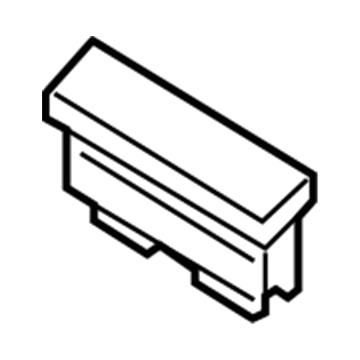
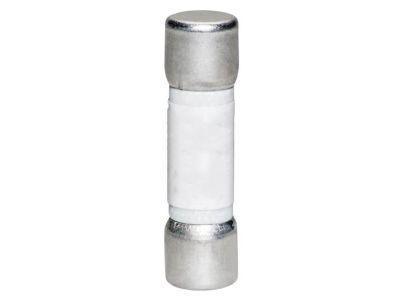

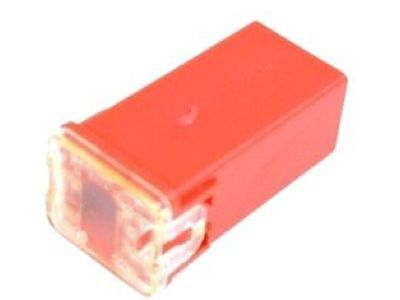


Jeep Compass Fuse
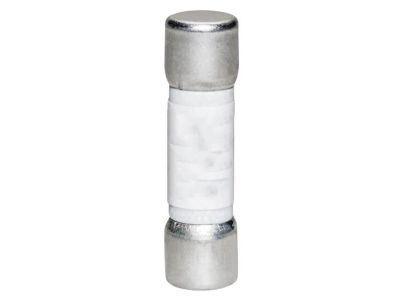
A Jeep Compass vehicle uses a Fuse device for safety functions that controls electric power movement between the battery and alternator to defend electrical equipment. This safety device normally resides inside the hood Fuse box where it shields relays from damage that results from vibrations heat and moisture. When the Fuse encounters a problem the linked device either stops operating to indicate a problem in the Fuse or it automatically shuts down. Many Jeep Compass vehicles use blade Fuses in various dimensions and colors to differentiate amperage ratings. Glass tube Fuses had been the original design feature of earlier Jeep Compass models until 1981. The two main types of system parts differ based on their shape and usage and blade replacement units now represent the standard automotive design. Replacing damaged replacement parts can be done simply by using a new one with matching amp rating and dimensional specifications and color designation. This action will bring back system functionality.
Looking for affordable and high-quality auto parts? Then you have already arrived at the proper online shop. We offer all Jeep Compass Fuse at great affordable prices. Moreover, all genuine Jeep Compass Fuse come with a manufacturer's warranty. In the long run, you would realize you have saved a lot of trouble and money with OEM parts from here.
Jeep Compass Fuse Parts Questions & Experts Answers
- Q:What are the functions and maintenance steps for the electrical fuses, circuit breakers, and fusible links on Jeep Compass?A:The electrical circuits of the vehicle are protected by fuses, circuit breakers and fusible links The main fuse/relay panel is located in the engine compartment and the secondary relay panel is located in the left-front side of the car ahead of the horn. The fuse/relay box is called the Totally Integrated Power Module (TIPM) and each of the fuses shown in the fuse panel corresponds to a particular circuit. Small, medium and large fuses are employed in the fuse blocks and all are equipped with the same blade terminal; the medium and large fuses can be pulled out by hand while the small ones need pliers or a plastic fuse-puller tool. If there is an open circuit, or an electrical component fails, one should always check the fuse first and it is recommended that one should use a testlight to test the exposed terminal tips on the fuse; if the light comes on at one end and not the other then the fuse is blown; the fuse can also be inspected visually. Some of the fuses are not energized with the key in the Off position and thus the key should be placed in the On position before voltage can be checked. Blown fuses have to be replaced with similar fuses because while physically, the fuses may be interchangeable they should be of the right rating as they are meant to protect circuits of specific ratings. If for some reason a new fuse blows out as soon as it is installed, or is switched with a higher amp fuse, it will continue to blow every time until the true problem, almost always a short circuit or a faulty internal component, is dealt with. Some of the most frequent causes of electrical failures include rubbing on wires harness with metal part or with hot exhaust. In these models, the fuses of high current and high amperages are used and these fuses are situated in the underhood fuse/relay box.