My Garage
My Account
Cart
Genuine Jeep Liberty Valve Stem Seal
Engine Valve Seal- Select Vehicle by Model
- Select Vehicle by VIN
Select Vehicle by Model
orMake
Model
Year
Select Vehicle by VIN
For the most accurate results, select vehicle by your VIN (Vehicle Identification Number).
5 Valve Stem Seals found
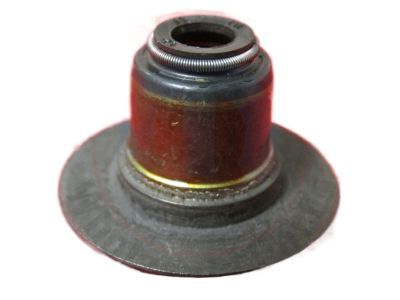
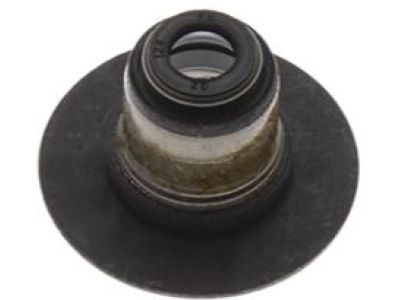
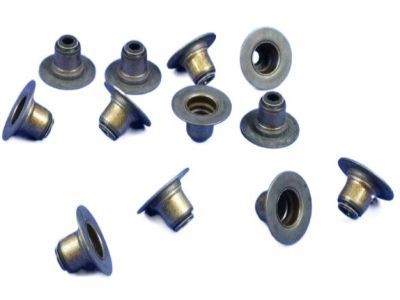
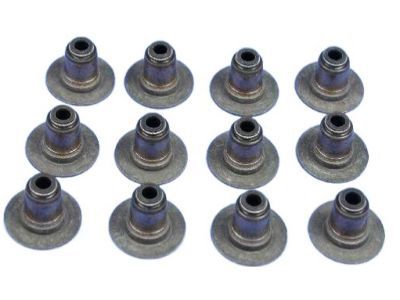
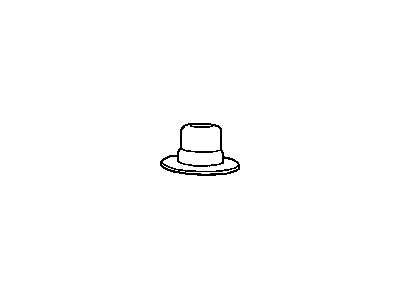
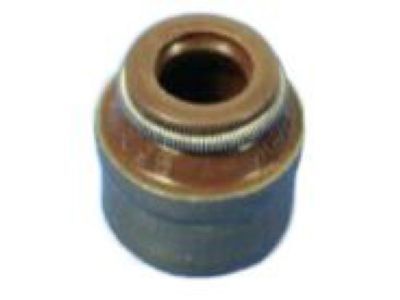
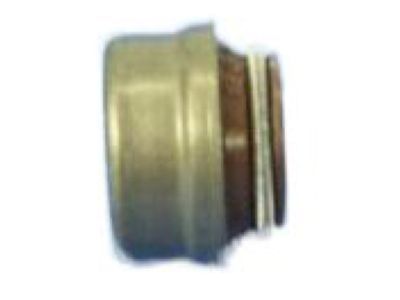

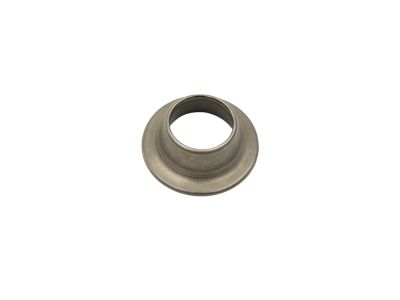
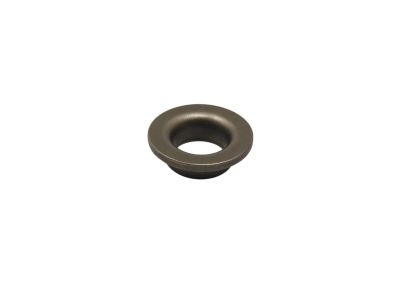
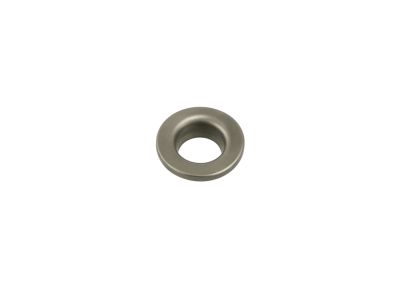

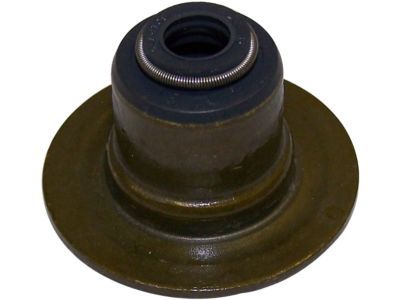

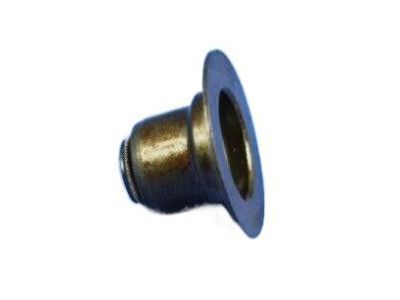
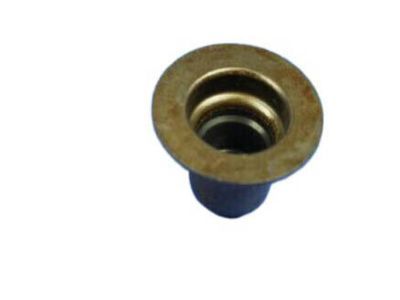
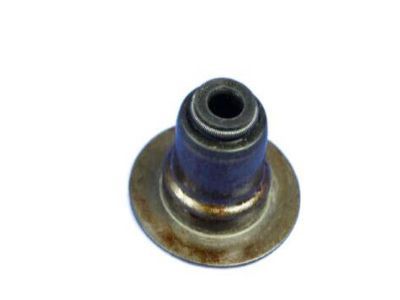
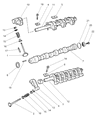
Jeep Liberty Valve Stem Seal
The Jeep Liberty Valve Stem Seal is a tight but flexible gate that prevents engine oil from entering the combustion chambers while allowing the valve stem to move around. The Valve Stem Seal helps maintain compression, reduce smoke, and enables the valves in a Jeep engine to quickly open and close due to camshaft lobe action by hugging the stem. As miles add up and heat builds, the seals can get worn and allow burning oil to pass, increasing oil consumption and fouling the plugs, making good seals just as important as good springs and lash control in any Liberty powerplant. Since the production run, Jeep has fitted overhead valve designs with lifters, pushrods, and rocker arms on early Liberty models, then heads with overhead cam and buckets on later editions, but both designs still generally rely on a correctly sized Valve Stem Seal to keep oil apart from the air fuel flow. Regarding the Valve Stem Seal, no alternate styles were applied, only changes in size to suit the heads. Its purpose remained the same for every Jeep Liberty. The fifth and final Valve Stem Seal illustrated its purpose.
Looking for affordable and high-quality auto parts? Then you have already arrived at the proper online shop. We offer all Jeep Liberty Valve Stem Seal at great affordable prices. Moreover, all genuine Jeep Liberty Valve Stem Seal come with a manufacturer's warranty. In the long run, you would realize you have saved a lot of trouble and money with OEM parts from here.
Jeep Liberty Valve Stem Seal Parts Questions & Experts Answers
- Q:How can broken valve springs and defective valve stem seals be replaced without removing the cylinder heads in 3.7L V6 engine on Jeep Liberty?A:Valve springs often break or valve stem seals are faulty and can be changed without having to remove the cylinder heads; the tools used are usually 2 and an air compressor. Start with the procedure byfirst, unscrewing of the valve cover(s) together with the Rocker Arms, on the cylinder head of the damaged engine. Subsequently, unscrew the spark plug from the cylinder to which the faulty part is installed, and if all stem seals will be changed, unscrew all spark plugs and lay aside the rocker arms. Rotate the crankshaft to bring the piston in the damaged cylinder at the TDC and if replacing all the valve stem seals then begin with cylinder no. 1 and do cylinder by cylinder following the firing order. Insert a long adapter through the spark plug hole, attach an air line connected to a source of compressed air if you are conducting the exercise with a long spark plug adapter with a hose fitted. Expand the cylinder with 90 to 100 pounds of compressed air, and then shove the shop rags into the cylinder head holes surrounding the valves to maintain order to the working area hence to stop tools and parts get into the engine. With the help of a valve spring compressor, compress the spring, and, using small needle-nose pliers or a magnet, remove the valve stem locks and, at the same time, it is important to recall that air pressure should keep valves in place. If the valves cannot retain the air, it will be advisable to remove the cylinder head for re-working the valves. The spring retainer and the valve spring should be taken out, along with the valve stem seal, and the valve springs should be labelled and stored for reuse. Another step is to twist a rubber band or a strip of tape round the end of the valve stem in order not to lose it inside the combustion chamber and then to open the air supply. Examine the valve stem for signs of wear, particularly in the region where it engages the guide; if the head is loose and the stem binds in the guide it will be necessary to remove the head to the repair the surface. Apply pressure on the air to keep the valve closed and after apply the pressure, remove the tape or rubber band. Apply engine oil on the valve stems and position the valve spring seal into place on top of the value stems applying a gentle pressure on them to make sure that in one position they do not twist or cock all over. Place the spring and retainer over the valve with the coloured mark up and the assembly must be compressed a little only to get the keepers fitted in the valve stem. Place the keepers into the valve stem groove, however these can be remove and reinstalled many times and so a small quantity of grease can be applied in the groove hole to hold the keeper into place, the spring tool has to be released off from the stem to make sure that the keepers are set in position. Remove airscrew and uncouple the air hose from the spark plug hole in the same procedure as before, while bringing each piston to T.D.C on the compression stroke before applying the airscrew. Last of all, bolt on the rocker arms, the valve covers, the spark plugs and the ignition coils and start the engine and check for any signs of oil leakages and other strange noises emanating from the valve cover bowl.