My Garage
My Account
Cart
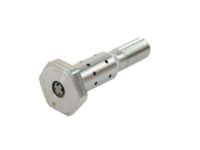
Genuine Jeep Wrangler Spool Valve
VTEC Solenoid- Select Vehicle by Model
- Select Vehicle by VIN
Select Vehicle by Model
orMake
Model
Year
Select Vehicle by VIN
For the most accurate results, select vehicle by your VIN (Vehicle Identification Number).
14 Spool Valves found
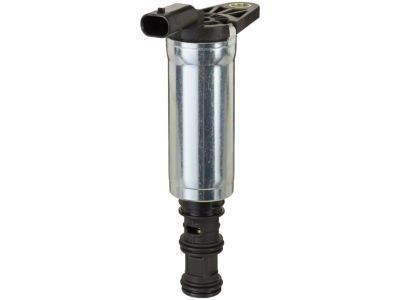
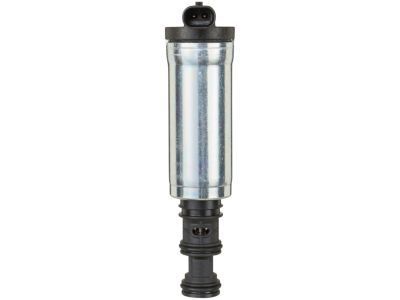
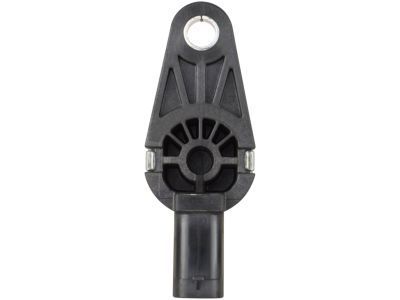
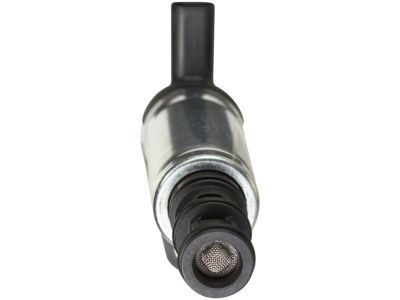
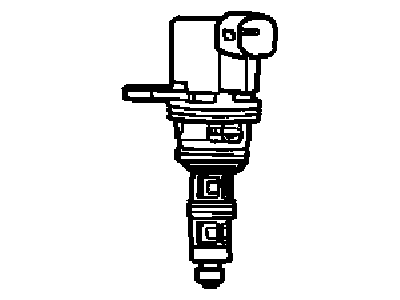
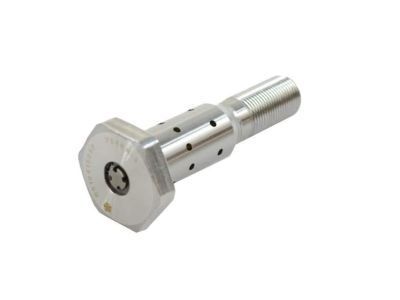
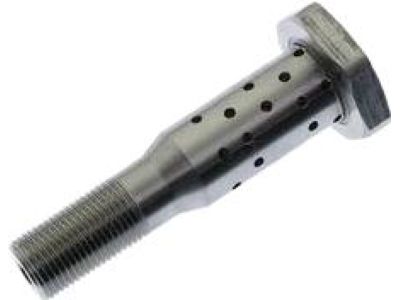
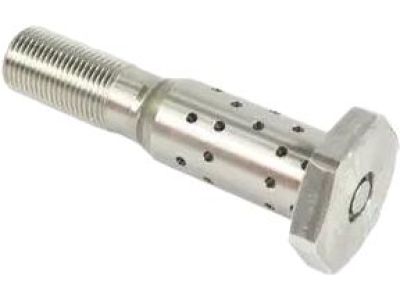
Jeep Wrangler SOLENOID-Variable Valve Lift
Part Number: 5047897AC$101.93 MSRP: $155.00You Save: $53.07 (35%)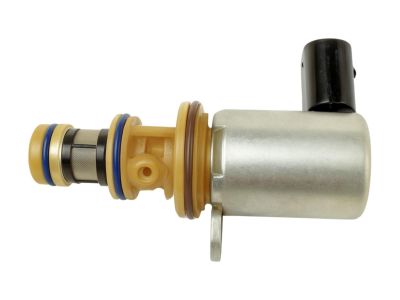
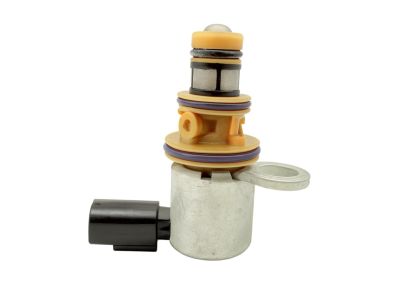
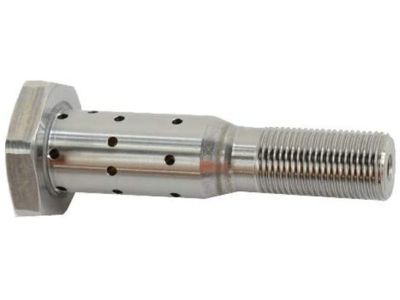
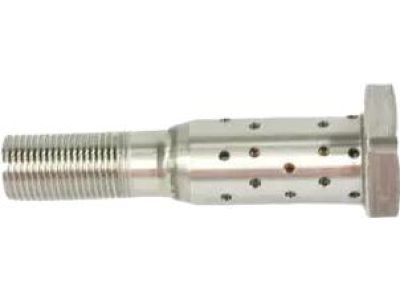
Jeep Wrangler SOLENOID-MULTIPLE DISPLACEMENT
Part Number: 53022298AB$73.46 MSRP: $111.00You Save: $37.54 (34%)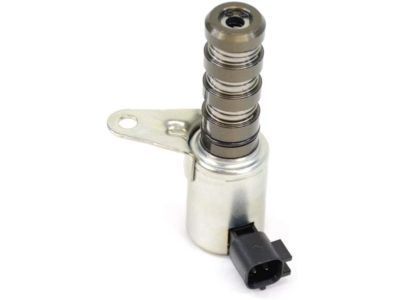
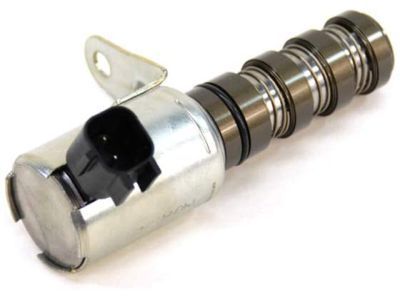
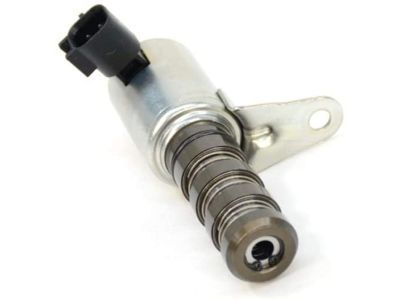
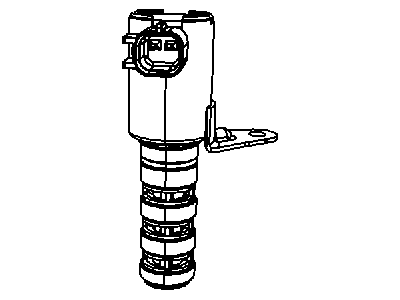
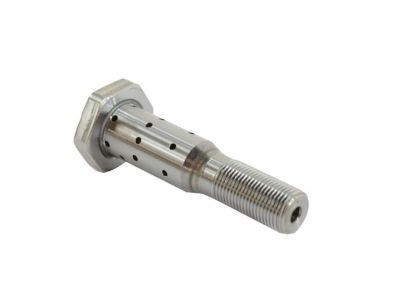
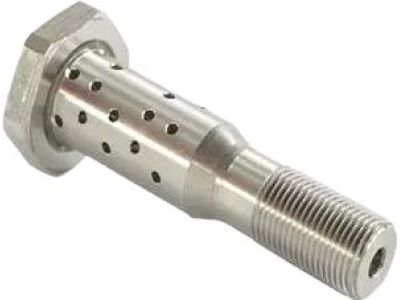
Jeep Wrangler SOLENOID-Oil Control
Part Number: 53022338AB$79.88 MSRP: $119.00You Save: $39.12 (33%)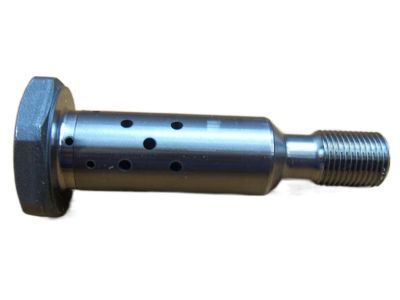
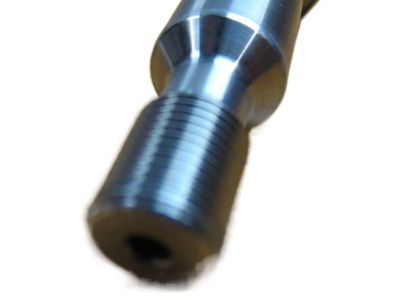
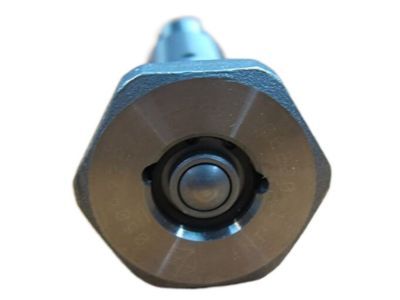
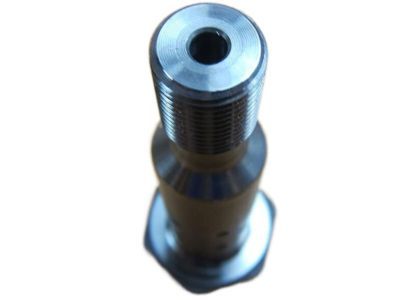
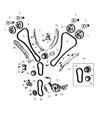
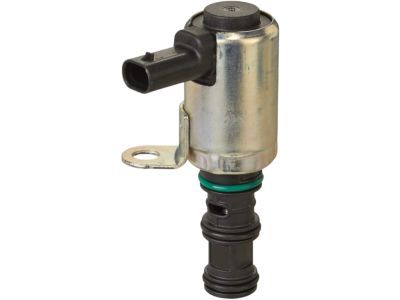
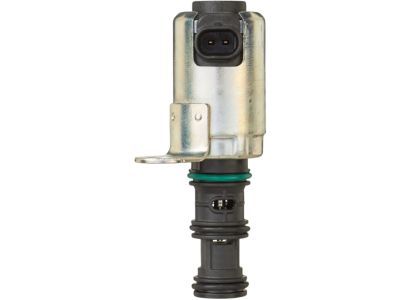
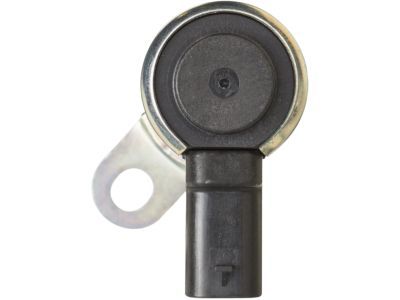
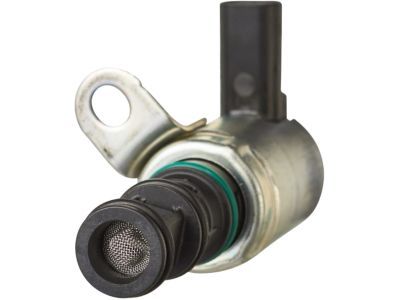
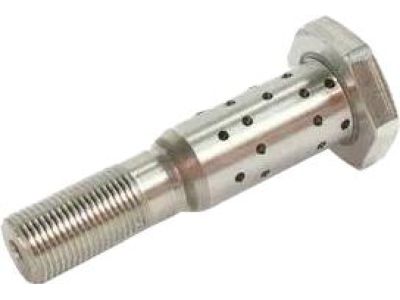
Jeep Wrangler SOLENOID-Variable Valve Lift
Part Number: 5047901AC$93.26 MSRP: $142.00You Save: $48.74 (35%)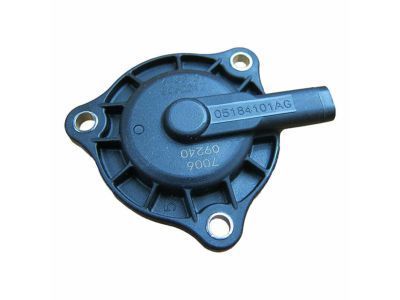
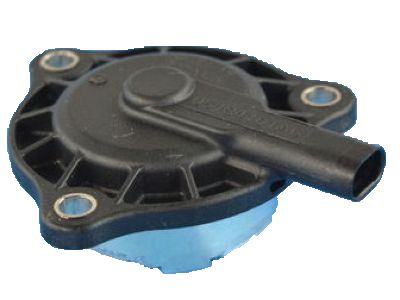
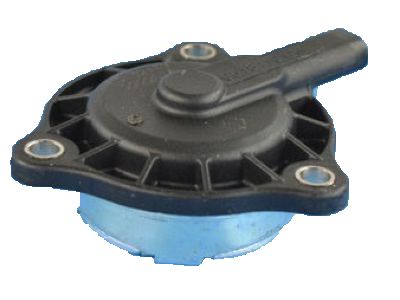
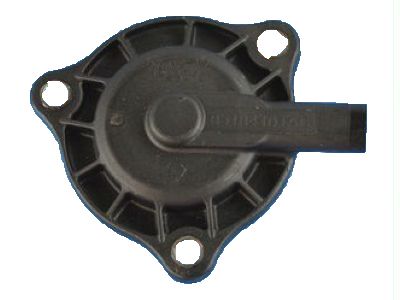
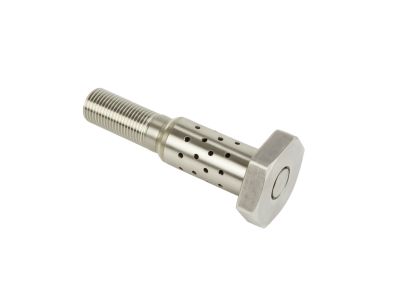
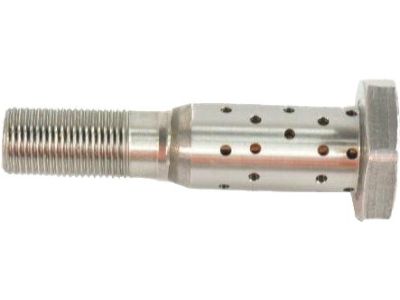
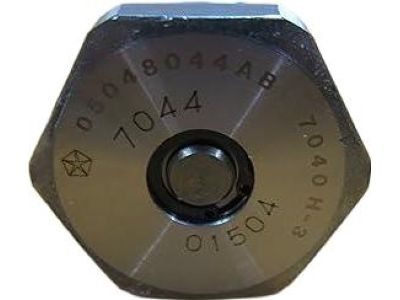
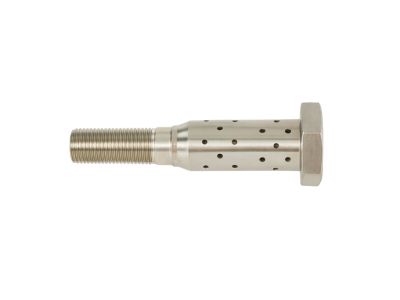
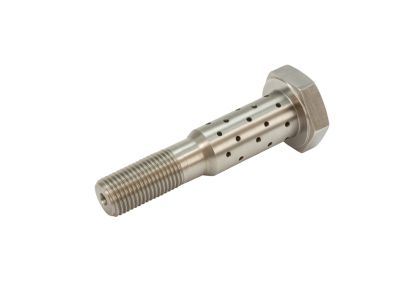
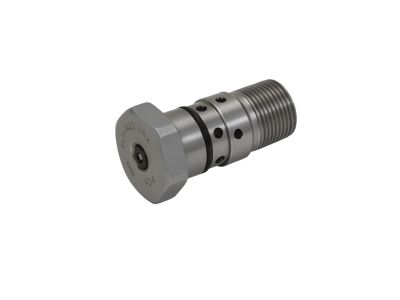
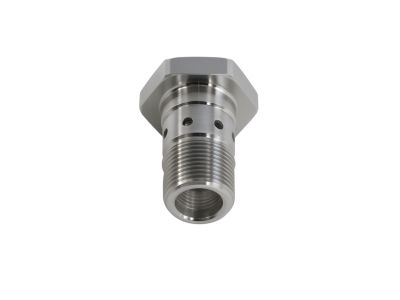
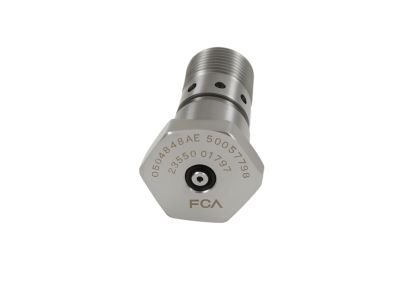
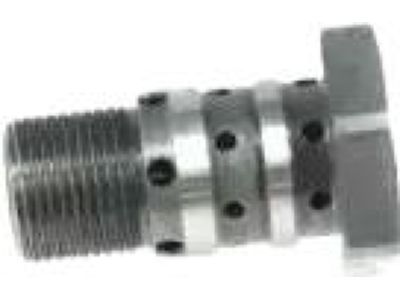
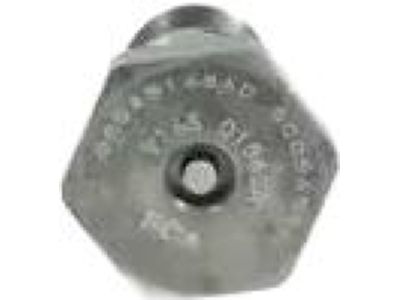
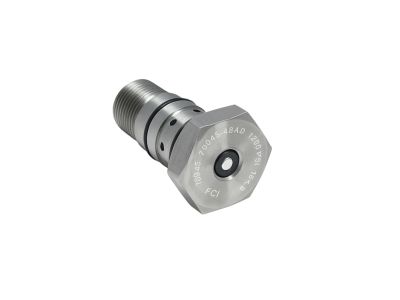

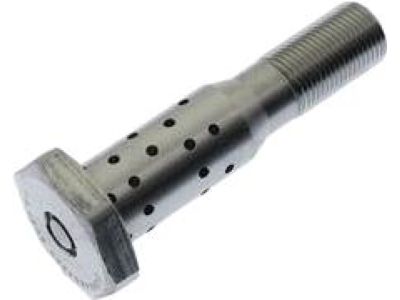
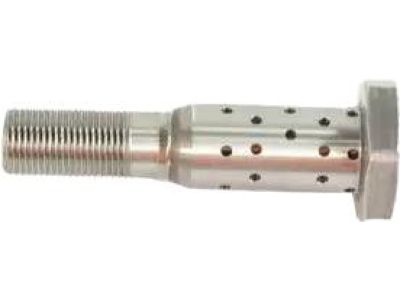
Jeep Wrangler ACTUATOR-Exhaust Valve
Part Number: 68322299AA$425.22 MSRP: $622.00You Save: $196.78 (32%)
Jeep Wrangler Spool Valve
The Spool Valve in Jeep Wrangler vehicles is an ECU controlled part of the engine which is used to control the timing of the valve lift event. This is a very important change as it ensures that fuel is well conserved and that the performance of the engine is well enhanced. There are various styles of Spool Valves that have been incorporated in the different Jeep Wrangler models to enhance performance of the engine. Despite the fact that the primary goal is still to enhance the productivity and effectiveness the approaches might differ depending on the model year and engine type. In total, the Spool Valve plays an important role for maintaining proper performance of Jeep Wrangler engines.
Looking for affordable and high-quality auto parts? Then you have already arrived at the proper online shop. We offer all Jeep Wrangler Spool Valve at great affordable prices. Moreover, all genuine Jeep Wrangler Spool Valve come with a manufacturer's warranty. In the long run, you would realize you have saved a lot of trouble and money with OEM parts from here.
Jeep Wrangler Spool Valve Parts Questions & Experts Answers
- Q:What Role Does the Spool Valve Play in Variable Valve Timing Systems and How to Replace VVT Solenoids on Jeep Wrangler?A:The 3.6L V6 in 2012 and later models features a Variable Valve Timing (VVT) system that independently adjusts the timing of all four camshafts through solenoids and oil control valves, which manage oil pressure to the camshaft phaser assemblies located at the front end of the camshafts behind the VVT solenoids. Each phaser is equipped with an Oil Control Valve (OCV) that secures the phaser to the camshaft; the OCV spool valve is spring-loaded and moves freely within the OCV, with all OCVs being identical in design but needing to be reinstalled in their original locations. To replace the VVT solenoids, first disconnect the negative battery cable and remove the engine cover. For the driver's side solenoids, the throttle body must be removed, along with two nuts and three bolts, allowing the upper intake manifold support bracket to be moved aside. For the passenger's side solenoids, detach the heater core tubes from the valve cover after removing two nuts. Locate the VVT solenoids on the front of the valve covers, marking their positions if they are to be reinstalled. Disconnect the electrical connectors of the solenoids, remove the bolts, and pull the solenoids out of the valve cover, ensuring to twist them out if Torx screws are present. Inspect the O-ring for damage and replace it if necessary. Reinstallation follows the reverse order of removal, ensuring the solenoids are placed back in their original locations. Finally, perform the cam/crank variation relearn procedure using a scan tool; while the vehicle may operate without this procedure, it is recommended to complete it as soon as possible by a qualified technician or repair facility.