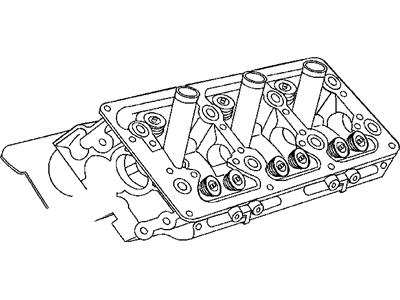
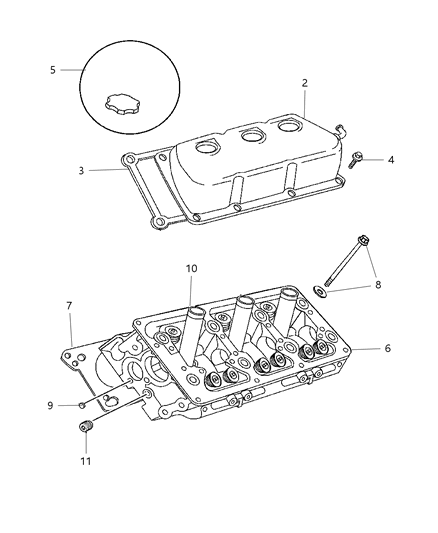
To perform this operation, the engine has to be cool completely. The following procedure explains how best to pull the cylinder heads when the camshaft(s) and exhaust manifold(s) are still in place. Start out by the extraction of the intake manifold. Subsequently, take off the timing chains, sprockets, as well as timing chain guides out from the engine. Lift the front of the car, and support it with jackstands. Remove the nuts which holds the exhaust pipes onto the exhaust manifolds. Any remnants of items which were anchored to the cylinder head like the coolant fittings, ground straps, cables, hoses, wires, or brackets should be named and detached. To remove the cylinder head bolts turn it with the breaker bar and the right size socket in a 1/4 turn each time until you can remove the cylinder head bolts by hand, always in the reverse order from which it was tightened in order to avoid both warping and cracking of the head. Remove the cylinder head from the engine block with the camshaft in place and the exhaust manifold bolted; if it's seized, slowly lever up beyond the gasket flange, at a blanked off stub that extends from the cylinder head at the front. The externals in the head should be undone as far as possible to enable cleaning and checking of the parts. Mating surfaces of cylinder head and block must be free from any kind of contaminants when the head is installed. With the aid of a gasket scraper, scrape the cylinder head block and the engine block bare clean of carbon and the existing gasket material, without scratching the aluminum alloy, the cleaning of the mating face should then follow using lacquer thinner or acetone. This problem can be caused by lack of proper seating of the head and if there is oil on the mating surfaces then the gasket will not create a proper seal and there is flow of oil. When working on the block have the cylinder packed with clean shop rags to avoid debris getting to the cylinders also have a vacuum cleaner to suck the material that falls on the cylinders. Examine the block and head mating surfaces for any sharp blows or deep cuts as well as heavy scuffs; if the blows are not deep they can be smoothed with a file; if deeply cut, then machining may be the only way out. Install a tap of appropriate diameter to chase the threads in the head bolt holes, and then blowing the holes with compressed air so that there is no remnants left in the holes. Using a straight edge apply pressure on top of the cylinder head bolts, each of which should not have stretched, if the threads of any of the bolts do not touch the straight edge the bolt should be replaced. Cylinder head should be checked for warpage and head gasket, intake as well as exhaust manifold surfaces should also be inspected. Replace any components which were if removed include the lash adjusters, the exhaust manifold, and the camshaft back into the cylinder head. Set the new cylinder head gasket in place over the dowel pins in the block with the proper direction indicated on the gasket. Place the head gently over the dowels on the block in a manner that does interfere with the gasket's positioning. When engaging the M10 head bolts, it is necessary to spread a thin layer of clean engine oil on the threads and the unique hardened washers, where the chamfered side will be therewith directed to the side of the bolt head. Before you tighten the MB head bolts, use some amount of thread sealant on the threads of the bolts. Replace the bolts back into their initial positions and add to them a turning with your fingers, then tighten them in the right recommended sequence to the right torque and recommended degree of rotation. The timing chain guides, timing chains and timing chain sprockets are fitted in the reverse order to the removal. Check dipstick for engine oil level and add if necessary, also refill the cooling system if necessary. Switch on the engine and look for signs of oil and coolant leaks.