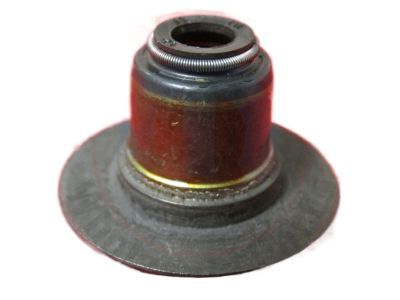
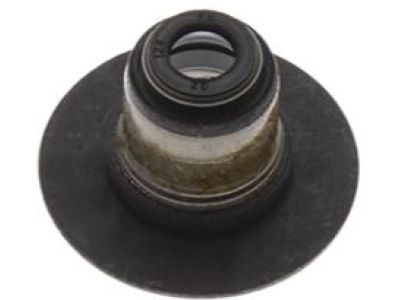
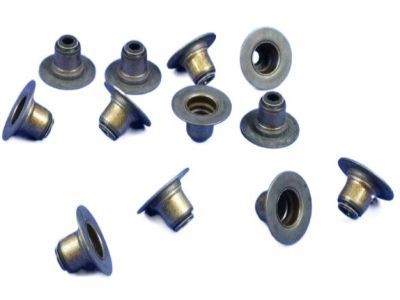
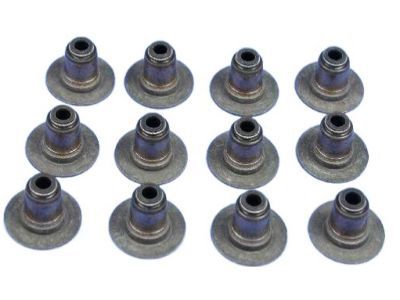
Freeing and valve stem seals can be replaced without removing the cylinder heads; by using two special tools; and compressed air. Start by pulling out the spark plug out from the cylinder in question or all plugs if replacing all valve stem seals. Rotate the crankshaft in such a manner that the piston of cylinder number one is put at the top dead center and continue to do the same in the firing order. Take out the camshaft(s) and rocker arm(s) and then screw on a spark plug adapter, from which an air line to compressed air is connected. Take the compressed air and blow into the cylinder and for avoiding parts to fall inside the engine stick the shop rags into the oil drain hole. Compression of the valve spring is done using a valve spring compressor others by using needle nose pliers or a magnet to remove the keepers then finally removing the spring retainers and finally compressing the spring. I always pull the valve guide seal/spring seat assembly out and I have realized that if the air pressure cannot hold the valve closed then I am faced with the Cylinder head removal complication. To ensure that the valve stem does not drop into the combustion chamber place a rubber band, or a tape around it, then deflate the tire and make a check up on the stem to see if has got any damages. Check that the valve can travel up the guide; if stiff the valve or guide may be distorted and the head will have to come off. Turn the valve off by twisting its stem clockwise, reinflate the cylinder and finally, recall the tape or rubber-band that was used. Add engine oil onto the valve stem before fitting of the new valve guide seal/spring seat assembly which is driven using an appropriate deep socket. Place the spring on the head of the valve over the valve, fit the retainer on the valve spring, compress the spring on the head of the valve and fit the keepers in position and in-case they are loose grease them to hold them in position. Take weight off the spring tool in order to 'drop' the keepers back into their housing, release the air hose from the valve, and finally remove the adapter from the spark plug hole. Proceed with the other parts of the installation in the reversed order, turn the engine on and look for signs of oil leakage and strange noises coming from the region of the valve covers.