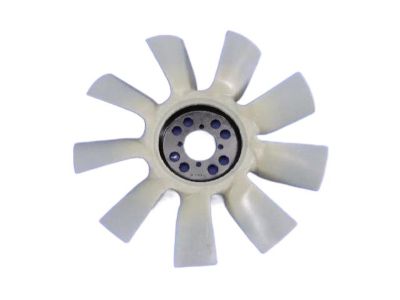
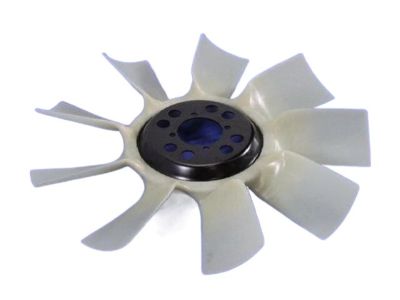
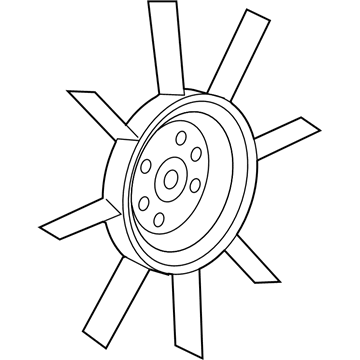
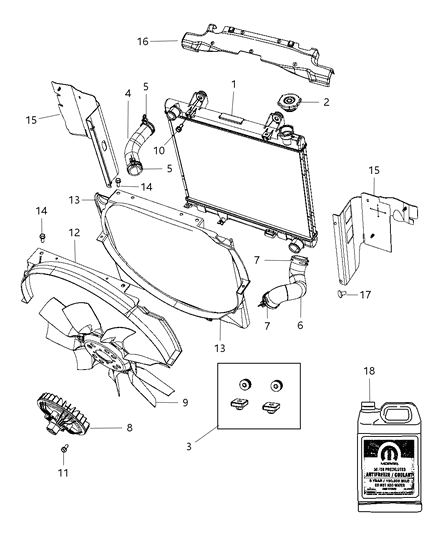
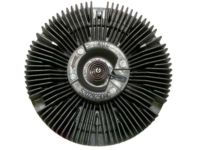
When your fan clutch malfunctions, it makes constant loud noises, shakes, and leaks silicone fluid. Test a cold car's engine by shaking the fan with your hands in two directions. If the bearing moves too much, the fan should spin easily when you turn the blades. Check for significant transmission fluid loss, damaged heat-dispersion spring, and lubricant leakage from fan motor bearings by sight. Replace fan gear assembly if any signs of these problems appear. With the engine running and hot enough to get to standard operating temperature, stop the engine. Hold onto the fan while turning by hand; if it turns with some effort, change the fan clutch. Replace cooling fans and fan clutches that have REVERSE on their label. This is because certain engine models run their fans backward and only non-reverse parts can prevent overheating in those models. Place the cooling fan/viscous fan clutch assembly in an upright position to keep hydraulic fluids from leaking into the bearing section. First, lower the cooling system water level, take off the top radiator hose, and grasp the pump pulley with a special pin removal tool while turning the fan clutch nut loose with a big open-end wrench. An average person can probably keep the water pump pulley in place by using hand pressure on the belt. You might need to use a special tool, though, if the fan drive nut is already too tight to move. First, turn the nut left by hand until the fan and clutch are loose. Put your assembly and clutch gently into the shroud, being careful not to touch the radiator fins. Pull off the clips that hold the fan shroud to the car body, disconnect any bottom clips that attached there, and then take out the fan shroud, still fastened to the cooling fan. To take down the cooling fan, loosen the bolts that hold the fan clutch to the viscous fan, put everything back together keeping the fan nut fastened and fan bolts done correctly.