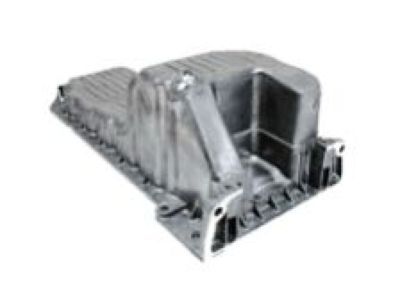
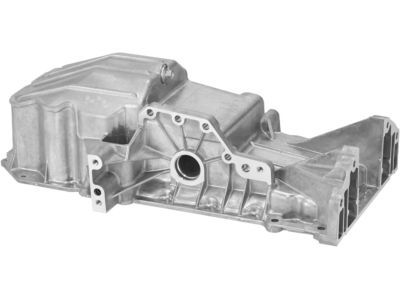
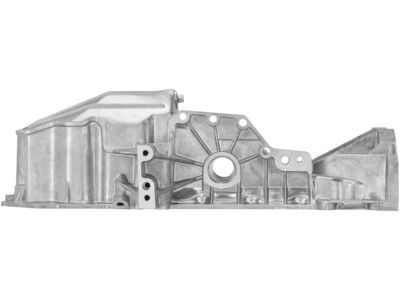
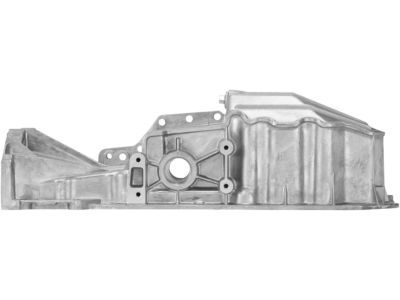
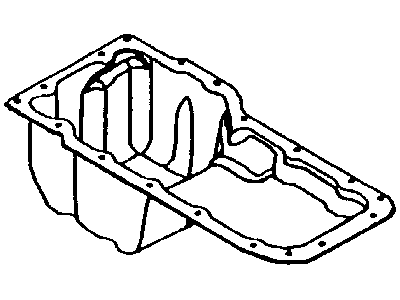
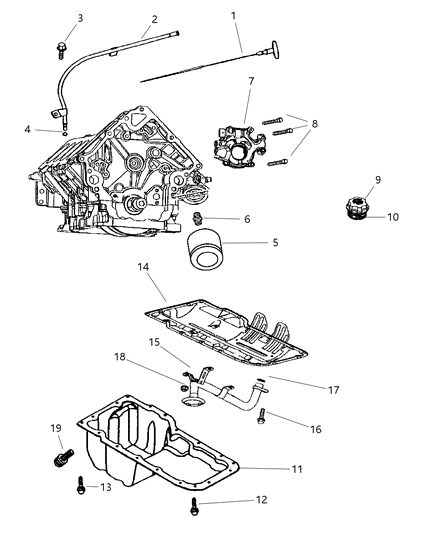
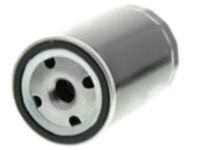
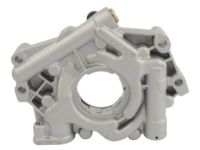
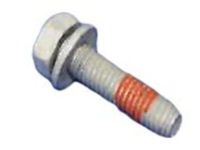
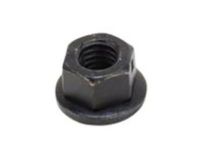
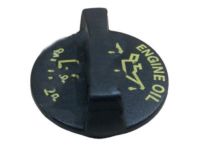
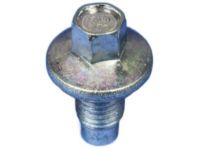
The first step is to remove the battery's negative cable. This can be done by draining the coolant and supporting the vehicle using jack stands. To drain the engine oil, replace an oil filter and unscrew the dipstick for engine oil. Following this, take away the engine splash shield and separate exhaust pipes from manifold outlets. Thereafter, do away with cooling fans, shroud of same as well as cross member power steering gear taking care not to disconnect intermediate shaft coupler, tie rod ends or power steering fluid lines. The use of your automotive crane will facilitate easy lifting of the engine in question whereby removal of left-hand side and right hand side engine-to-subframe nuts plus bolts becomes possible. At first it is necessary to consider all bolts on an oil pan before you lower it from an engine; otherwise force will have to be applied. That tray must be replaced while one removes that pan since it is part of blocks' new parts when their pans are taken off. You should begin by installing a new gasket plus windage tray followed by washing out pan using solvent when preparing for reassembly or installation. In cleaning both block surfaces where pan mounts and pan's surface itself from old sealer along with gasket material resort may be had towards cleaner/ thinner lacquer materials in case there is some distortion in that device caused by straightening flange; overall gasket faces ought to be wiped clean with thinner/ acetone solvents so they are ready for assembly operations. After that, RTV sealant must be applied at specified locations through attachment of single-piece oil pan gasket via contact cement type adhesive designed for use on gaskets meant for mounting on upper surfaces of the block directly above crankcases; aside from this alignment studs should now face each other properly within a specific place called block hole having been used prior thereto only because there still remained enough room throughout entire space between cylinder heads under intake manifolds of carburetors which weren't much higher than blocks themselves but still had sufficient clearance concerning each other. You will have to lift pan into its final location making sure not to disturb gasket and put several bolts in place only finger tight while looking out for any portion extending beyond perimeter around block. Finally, install oil pan nuts onto studs by tightening fasteners as per correct torque sequence after all bolts have been placed; meanwhile the remaining reverse procedures of disassembly should be followed until you are through with installation.