Make sure this part fits

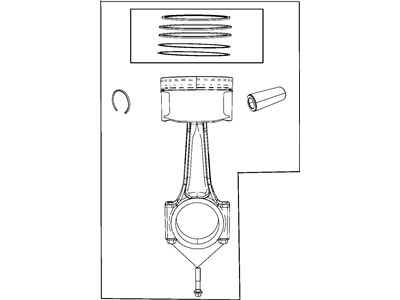
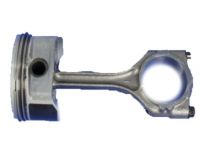
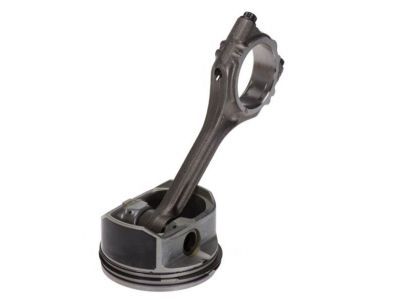
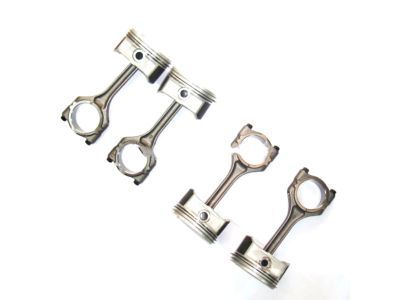
Mopar 5191340AA Piston-A-Size

2007-2020 Mopar 5191340AA

Customer Questions & Expert Answers (6)
5191340AA Mopar Piston-A-Size Product Photo 1 of 2
  • Part Description
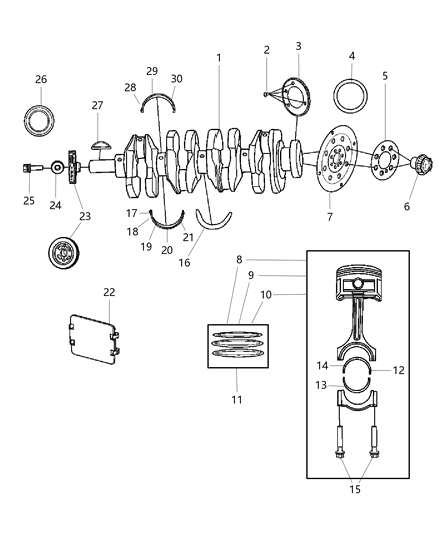
    Piston Pin And Rod A-Size See Note
  • Replaced By
    5191341AA
  • Manufacturer
    Mopar
Make sure this part fits
$163.13 MSRP: $247.00
You Save: $83.87 (34%)
1
ADD TO CART
  • Related Parts
  • Specifications
  • Fitment
  • Q&A
  • Product Specifications

    BrandGenuine Mopar
    Manufacturer Part Number5191340AA
    Part DescriptionPiston Pin And Rod A-Size See Note
    Item Dimensions10.3 x 6.4 x 6.6 inches
    Item Weight2.90 Pounds
    ConditionNew
    ManufacturerMopar
    SKU5191340AA
    WarrantyThis genuine Mopar part is guaranteed by Mopar's factory warranty.
    Shipping & ReturnShipping Policy Return Policy
    Warning: California's Proposition 65
  • Vehicle Fitment

    Year Make Model Engine Important vehicle option details
    2011-2014 Chrysler 2004 Cyl 2.4LLimited Sedan, LX Convertible, LX Sedan, Touring Convertible, Touring Sedan
    2007-2010 Chrysler Sebring4 Cyl 2.4LLimited Convertible, Limited Sedan, LX Convertible, LX Sedan, Touring Sedan
    2007-2014 Dodge Avenger4 Cyl 2.4LExpress, Heat, LUX, Mainstreet, R/T FWD, SE, SXT
    2007-2012 Dodge Caliber4 Cyl 2.4LR/T AWD, R/T FWD, Rush, SE, SXT, Uptown
    2009-2020 Dodge Journey4 Cyl 2.4LCrossroad FWD, Express FWD, SE FWD, SXT FWD
    2016-2017, 2007-2012 Jeep Compass4 Cyl 2.4LBase 4WD, Base FWD, Latitude 4WD, Latitude FWD, Limited 4WD, Limited FWD, Sport 4WD, Sport FWD
    2013-2017, 2010, 2007 Jeep Patriot4 Cyl 2.4LBase 4WD, Base FWD, Latitude 4WD, Latitude FWD, Limited 4WD, Limited FWD, Sport 4WD, Sport FWD
  • Customer Questions & Expert Answers

    Q:
    Please cross check for fit. Posted by MoparPartsGiant Specialist
    A:
    You can Select Your Vehicle to check if 5191340AA fits your vehicle.
    Posted by MoparPartsGiant Specialist
    Installation and Repair Tips
    Q:
    What steps must be taken before removing the piston and connecting rod assemblies on Chrysler 200? Posted by Customer
    A:
    Before it is possible to eliminate the piston and connecting rod assemblies, some of the components such as cylinder head, oil pan, and timing chain are to be removed. One more indication is a bump or a ridge that should be felt with your fingernail at the top of ring travel; it has to be scrapped off with a special instrument to prevent the piston from being damaged. After grinding off the cylinder ridges, position the engine in such a manner that the crankshaft is horizontal, and for 2.4 L engines, take off the balance shaft module, then the ladder frame mounting bolts. For V6 engines the outer crankshaft main bearing cap bolts, windage tray if equipped and the oil pump must be detached. Before removing the main bearing caps and connecting rods, the connecting rod endplay has to be checked by establishing the feeler gage requirement; if this is beyond feeler gage limit, new connecting rods may be needed. Identify the connecting rods and caps, remove the number one connecting rod cap and bearing insert without dropping the insert and loosen the connecting rod cap bolts. Take it out through the top of the engine; make sure removal of all the ridge material has been carried out. This has to be done on the other cylinders; then the connecting rod caps and bearing inserts replaced in their respective rods, although the originals are retained for reinstallation later. As it stands the pistons and the connecting rods can be inspected and refurbished where necessary. When replacing the Piston rings, ensure that the end gaps are as set for the piston ring side clearance. Stack and put in order the piston/connecting rod assemblies and new ring sets that should match upon assembly. Place the top ring into the first cylinder and using feeler gauges fixed it into the correct end gap range. If the gap is too small, the ends of the rings should be gently filed so as to make the gap larger, whereas if the gaps are too large it should be checked whether that is the appropriate ring type. Do this to all rings for all the cylinders before placing them in the piston with the oil control ring followed by the middle and the top rings respectively, the identification marks facing the right way. When it comes to installation make sure the cylinder walls are free from debris, the top edge of every cylinder bore is deburred and the crankshaft is installed. Remove old bearing material from cap; clean the bearing surfaces of the connecting rod and cap, then install new upper bearing insert: it should fit easily, without requiring lubrication. Place the gaps of the piston ring on equal angular dimensions of 90 degrees, and to make the rings to fit appropriately, it is advisable to apply oil on the piston and the rings and use the piston ring compressor when placing the rings. The piston/connecting rod assembly should be inserted into the cylinder bore with the mark facing the forward of the engine, it will then be gently tapped into position while the rod on the connecting piece is placed on the crank journal. To check the oil clearance of connecting rod bearing, you have to use Plastigage, we make sure that the bearing faced are clean and before putting the bearing back apply some layer of grease. Screw in the connecting rod cap with new bolts and make sure that the torque of every bolt is as required then do the same to the rest of the assemblies. These areas consist of cleanliness of all surfaces under consideration, accurate assembly for each of the cylinders, lubrication of cylinder walls and other aspects of ointment and RTV engine sealant as may be fitting. After installation turn the crankshaft in order to check binding and check the connecting rod end play against acceptable tolerance once again. In some cases it will be necessary to make modifications at the automotive machine shop.

    Posted by MoparPartsGiant Specialist
    Q:
    What steps must be taken before removing the piston and connecting rod assemblies on Chrysler Sebring? Posted by Customer
    A:
    Before it is possible to eliminate the piston and connecting rod assemblies, some of the components such as cylinder head, oil pan, and timing chain are to be removed. One more indication is a bump or a ridge that should be felt with your fingernail at the top of ring travel; it has to be scrapped off with a special instrument to prevent the piston from being damaged. After grinding off the cylinder ridges, position the engine in such a manner that the crankshaft is horizontal, and for 2.4 L engines, take off the balance shaft module, then the ladder frame mounting bolts. For V6 engines the outer crankshaft main bearing cap bolts, windage tray if equipped and the oil pump must be detached. Before removing the main bearing caps and connecting rods, the connecting rod endplay has to be checked by establishing the feeler gage requirement; if this is beyond feeler gage limit, new connecting rods may be needed. Identify the connecting rods and caps, remove the number one connecting rod cap and bearing insert without dropping the insert and loosen the connecting rod cap bolts. Take it out through the top of the engine; make sure removal of all the ridge material has been carried out. This has to be done on the other cylinders; then the connecting rod caps and bearing inserts replaced in their respective rods, although the originals are retained for reinstallation later. As it stands the pistons and the connecting rods can be inspected and refurbished where necessary. When replacing the Piston rings, ensure that the end gaps are as set for the piston ring side clearance. Stack and put in order the piston/connecting rod assemblies and new ring sets that should match upon assembly. Place the top ring into the first cylinder and using feeler gauges fixed it into the correct end gap range. If the gap is too small, the ends of the rings should be gently filed so as to make the gap larger, whereas if the gaps are too large it should be checked whether that is the appropriate ring type. Do this to all rings for all the cylinders before placing them in the piston with the oil control ring followed by the middle and the top rings respectively, the identification marks facing the right way. When it comes to installation make sure the cylinder walls are free from debris, the top edge of every cylinder bore is deburred and the crankshaft is installed. Remove old bearing material from cap; clean the bearing surfaces of the connecting rod and cap, then install new upper bearing insert: it should fit easily, without requiring lubrication. Place the gaps of the piston ring on equal angular dimensions of 90 degrees, and to make the rings to fit appropriately, it is advisable to apply oil on the piston and the rings and use the piston ring compressor when placing the rings. The piston/connecting rod assembly should be inserted into the cylinder bore with the mark facing the forward of the engine, it will then be gently tapped into position while the rod on the connecting piece is placed on the crank journal. To check the oil clearance of connecting rod bearing, you have to use Plastigage, we make sure that the bearing faced are clean and before putting the bearing back apply some layer of grease. Screw in the connecting rod cap with new bolts and make sure that the torque of every bolt is as required then do the same to the rest of the assemblies. These areas consist of cleanliness of all surfaces under consideration, accurate assembly for each of the cylinders, lubrication of cylinder walls and other aspects of ointment and RTV engine sealant as may be fitting. After installation turn the crankshaft in order to check binding and check the connecting rod end play against acceptable tolerance once again. In some cases it will be necessary to make modifications at the automotive machine shop.
    Posted by MoparPartsGiant Specialist
    Q:
    What steps must be taken before removing the piston and connecting rod assemblies on Dodge Avenger? Posted by Customer
    A:
    Before it is possible to eliminate the piston and connecting rod assemblies, some of the components such as cylinder head, oil pan, and timing chain are to be removed. One more indication is a bump or a ridge that should be felt with your fingernail at the top of ring travel; it has to be scrapped off with a special instrument to prevent the piston from being damaged. After grinding off the cylinder ridges, position the engine in such a manner that the crankshaft is horizontal, and for 2.4 L engines, take off the balance shaft module, then the ladder frame mounting bolts. For V6 engines the outer crankshaft main bearing cap bolts, windage tray if equipped and the oil pump must be detached. Before removing the main bearing caps and connecting rods, the connecting rod endplay has to be checked by establishing the feeler gage requirement; if this is beyond feeler gage limit, new connecting rods may be needed. Identify the connecting rods and caps, remove the number one connecting rod cap and bearing insert without dropping the insert and loosen the connecting rod cap bolts. Take it out through the top of the engine; make sure removal of all the ridge material has been carried out. This has to be done on the other cylinders; then the connecting rod caps and bearing inserts replaced in their respective rods, although the originals are retained for reinstallation later. As it stands the pistons and the connecting rods can be inspected and refurbished where necessary. When replacing the Piston rings, ensure that the end gaps are as set for the piston ring side clearance. Stack and put in order the piston/connecting rod assemblies and new ring sets that should match upon assembly. Place the top ring into the first cylinder and using feeler gauges fixed it into the correct end gap range. If the gap is too small, the ends of the rings should be gently filed so as to make the gap larger, whereas if the gaps are too large it should be checked whether that is the appropriate ring type. Do this to all rings for all the cylinders before placing them in the piston with the oil control ring followed by the middle and the top rings respectively, the identification marks facing the right way. When it comes to installation make sure the cylinder walls are free from debris, the top edge of every cylinder bore is deburred and the crankshaft is installed. Remove old bearing material from cap; clean the bearing surfaces of the connecting rod and cap, then install new upper bearing insert: it should fit easily, without requiring lubrication. Place the gaps of the piston ring on equal angular dimensions of 90 degrees, and to make the rings to fit appropriately, it is advisable to apply oil on the piston and the rings and use the piston ring compressor when placing the rings. The piston/connecting rod assembly should be inserted into the cylinder bore with the mark facing the forward of the engine, it will then be gently tapped into position while the rod on the connecting piece is placed on the crank journal. To check the oil clearance of connecting rod bearing, you have to use Plastigage, we make sure that the bearing faced are clean and before putting the bearing back apply some layer of grease. Screw in the connecting rod cap with new bolts and make sure that the torque of every bolt is as required then do the same to the rest of the assemblies. These areas consist of cleanliness of all surfaces under consideration, accurate assembly for each of the cylinders, lubrication of cylinder walls and other aspects of ointment and RTV engine sealant as may be fitting. After installation turn the crankshaft in order to check binding and check the connecting rod end play against acceptable tolerance once again. In some cases it will be necessary to make modifications at the automotive machine shop.
    Posted by MoparPartsGiant Specialist
    Q:
    What steps must be taken before removing the piston and connecting rod assemblies on Jeep Compass? Posted by Customer
    A:
    Before you can pull the piston and connecting rod assemblies you have to take off the cylinder head, oil pan, and timing chain cover. Run a fingernail at about 1/4 inch down along the length of each cylinder to feel for any ridge at the top or at the limit of ring travel; if ridge by carbon or ordinary wear, it must be scrapped by a ridge reamer since it can cause a piston to break. Turn the engine so the crankshaft is in the upwards position, remove the balance shaft module, and the mounting bolts of the ladder frame to pull out the ladder frame from the engine block after eliminating the cylinder ridges. Before unbolting the main bearing caps and connecting rods check the connecting rod end play with feeler gauges; within the limit or not, it might require a new connecting rod. Identify the connecting rods and caps, turn the cap bolts gradually counterclockwise and remove the connecting rod cap and the bearing insert without allowing the insert to fall. Guide the connecting rod/piston assembly out out of the top of the engine with your bare hands or a wooden or plastic hammer handle If it is still difficult force the connecting rod/piston out and do the same for the other cylinders. Install and replace the connecting rod caps and bearing inserts in the proper connecting rods; best to leave the old inserts in the rods to prevent damaging them in the process. When fitting piston rings see that end gaps are correct and the side clearance for piston rings is also correct. Position all the pistons/connecting rods new rings, place the top ring into the 1 cylinder and with the feeler gauges, set the end gap. Begin by installing the oil control ring and thereafter the middle and the top rings but in the correct position. Cylinder bores must be cleaned and the top edge of each cylinder bore must be chamfered before installing the piston/connecting rod assemblies, and crankshaft must be in place. Take off the cap of the number one connecting rod, scrub the bearing surfaces, install the new upper bearing insert dry. Spacing of the piston ring gaps should now be at 90 degrees; lubricate the piston and rings and then use the piston ring compressor in the insertion of the piston into the cylinder. Inspect the connecting rod bearing oil clearance by fitting Plastigage , the surfaces should be clean and ought not to have any oil on them. If the clearance is not within the tolerance level, then bear in mind to recheck the bearing size and journal diameter. Remove any Plastigage material left on the bearing surfaces, lubricate the bearing surfaces with fresh grease or assembly lube and replace the connecting rod cap bolts and thread them to the recommended torque value. Do the same thing for the rest of the pistons and connecting rods paying attention to the cleanliness and assembly of each cylinder. Finally, the oil pump and flywheel are installed and the crankshaft is rotated to look for binding: the connecting rod endplay is also checked again, and compared to specifications.
    Posted by MoparPartsGiant Specialist
    Q:
    What steps must be taken before removing the piston and connecting rod assemblies on Jeep Patriot? Posted by Customer
    A:
    Before you can pull the piston and connecting rod assemblies you have to take off the cylinder head, oil pan, and timing chain cover. Run a fingernail at about 1/4 inch down along the length of each cylinder to feel for any ridge at the top or at the limit of ring travel; if ridge by carbon or ordinary wear, it must be scrapped by a ridge reamer since it can cause a piston to break. Turn the engine so the crankshaft is in the upwards position, remove the balance shaft module, and the mounting bolts of the ladder frame to pull out the ladder frame from the engine block after eliminating the cylinder ridges. Before unbolting the main bearing caps and connecting rods check the connecting rod end play with feeler gauges; within the limit or not, it might require a new connecting rod. Identify the connecting rods and caps, turn the cap bolts gradually counterclockwise and remove the connecting rod cap and the bearing insert without allowing the insert to fall. Guide the connecting rod/piston assembly out out of the top of the engine with your bare hands or a wooden or plastic hammer handle If it is still difficult force the connecting rod/piston out and do the same for the other cylinders. Install and replace the connecting rod caps and bearing inserts in the proper connecting rods; best to leave the old inserts in the rods to prevent damaging them in the process. When fitting piston rings see that end gaps are correct and the side clearance for piston rings is also correct. Position all the pistons/connecting rods new rings, place the top ring into the 1 cylinder and with the feeler gauges, set the end gap. Begin by installing the oil control ring and thereafter the middle and the top rings but in the correct position. Cylinder bores must be cleaned and the top edge of each cylinder bore must be chamfered before installing the piston/connecting rod assemblies, and crankshaft must be in place. Take off the cap of the number one connecting rod, scrub the bearing surfaces, install the new upper bearing insert dry. Spacing of the piston ring gaps should now be at 90 degrees; lubricate the piston and rings and then use the piston ring compressor in the insertion of the piston into the cylinder. Inspect the connecting rod bearing oil clearance by fitting Plastigage , the surfaces should be clean and ought not to have any oil on them. If the clearance is not within the tolerance level, then bear in mind to recheck the bearing size and journal diameter. Remove any Plastigage material left on the bearing surfaces, lubricate the bearing surfaces with fresh grease or assembly lube and replace the connecting rod cap bolts and thread them to the recommended torque value. Do the same thing for the rest of the pistons and connecting rods paying attention to the cleanliness and assembly of each cylinder. Finally, the oil pump and flywheel are installed and the crankshaft is rotated to look for binding: the connecting rod endplay is also checked again, and compared to specifications.
    Posted by MoparPartsGiant Specialist
    See Complete Installation and Repair Tips

Genuine Mopar Part 5191340AA, the Right Choice

To ensure reliability, purchase Mopar part # 5191340AA Piston-A-Size. It is sometimes referred to as Piston. The OEM parts should be used when the Mopar owners want to maximize their driving experience. The high-tech factories that produce these parts utilize sophisticated technology specifically designed to meet stringent factory requirements. Additionally, they are thoroughly tested and can thus be used with reliability by Mopar owners. This part fits specific Chrysler 200 and Sebring models. It fits Dodge Avenger, Caliber, Journey. It also fits Jeep Compass and Patriot.

MoparPartsGiant.com is a leading supplier of genuine Mopar parts and accessories such as 5191340AA Piston-A-Size. Wondering where to find exceptional quality and affordable OEM Mopar parts? You have already come to the right place. Our website boasts a huge selection of genuine Mopar parts at attractive prices. Further, all parts come with a manufacturer's warranty. For detailed Jeep parts information, click here.

Why choose Mopar Parts Giant

  • Dedicated Service

    Your complete satisfaction is our #1 goal

  • Lowest Prices

    Best deals on genuine OE parts from dealerships

  • Fast Delivery

    Orders are processed and delivered promptly