
My Garage
My Account
Cart
Genuine 2010 Dodge Challenger Oil Pan
Oil Drain Pan- Select Vehicle by Model
- Select Vehicle by VIN
Select Vehicle by Model
orMake
Model
Year
Select Vehicle by VIN
For the most accurate results, select vehicle by your VIN (Vehicle Identification Number).
3 Oil Pans found
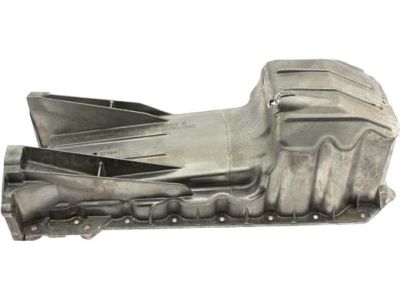
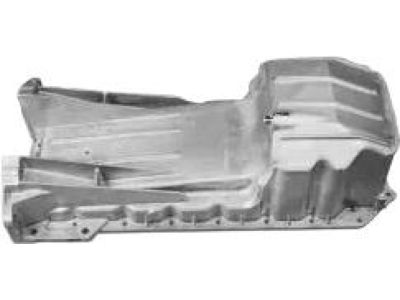
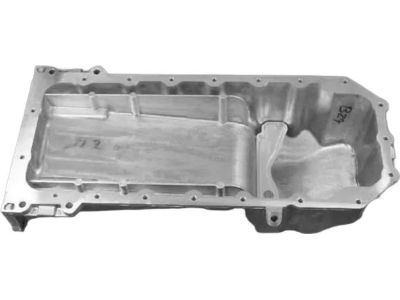
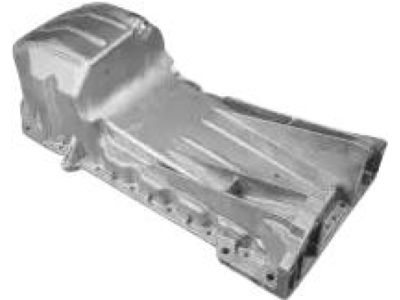
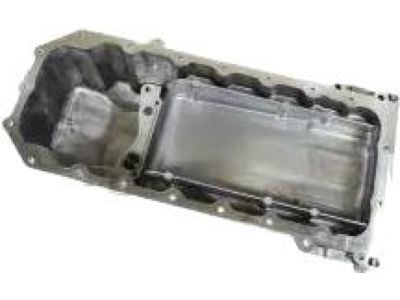
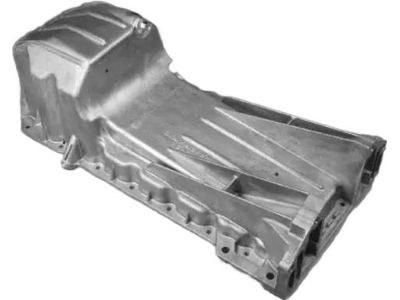
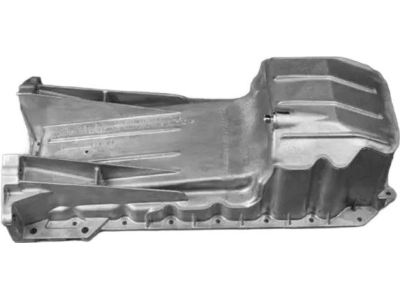
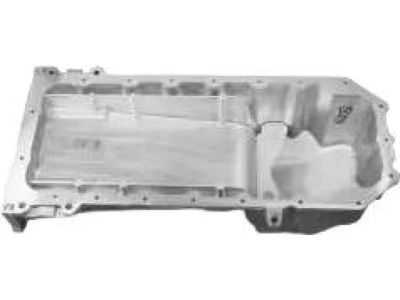
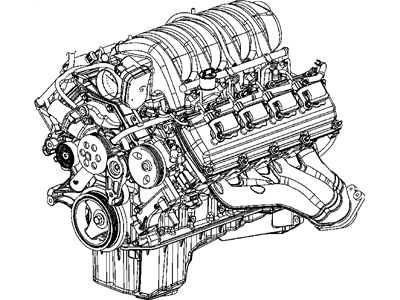
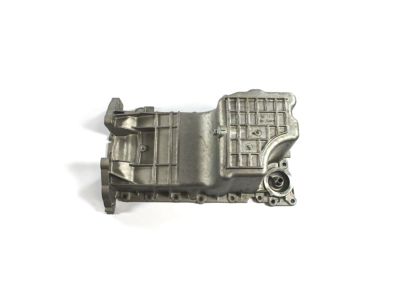
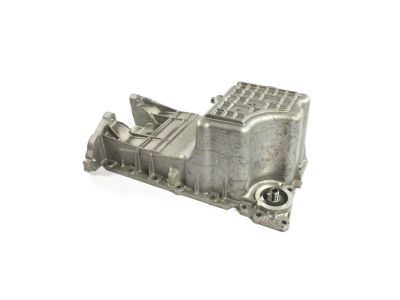
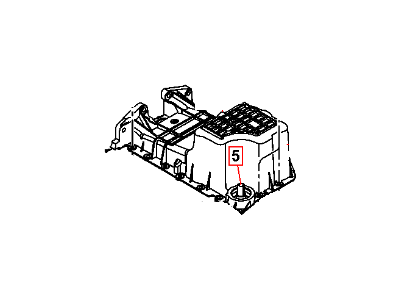
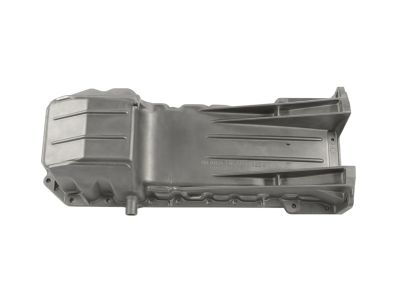
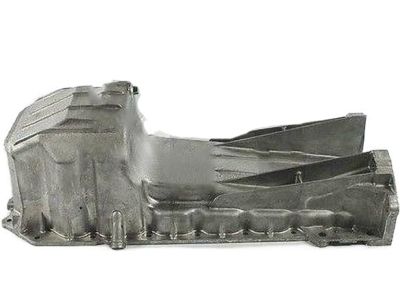
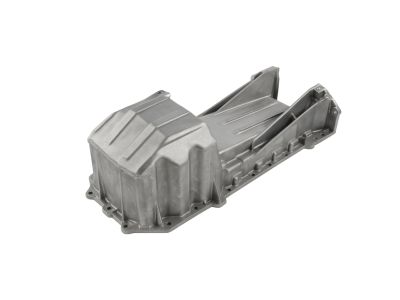
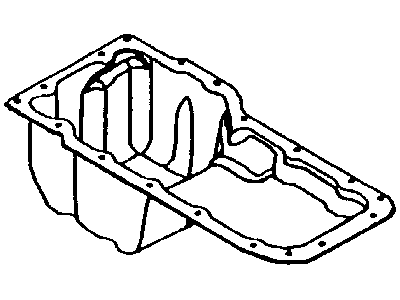
2010 Dodge Challenger Engine Oil Pan
Part Number: 5037634AA$418.00 MSRP: $636.00You Save: $218.00 (35%)Product Specifications- Other Name: Pan Engine Oil
- Replaced by: 5037634AC
- Item Weight: 13.90 Pounds
- Item Dimensions: 13.2 x 14.7 x 27.6 inches
- Condition: New
- SKU: 5037634AA
- Warranty: This genuine part is guaranteed by Mopar's factory warranty.
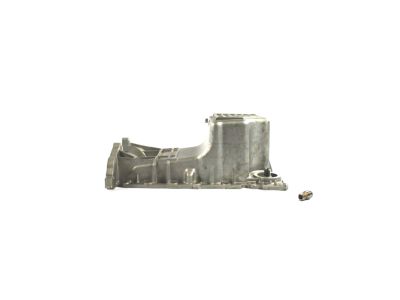
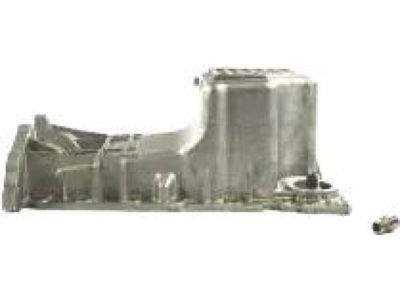
 Product Specifications
- Other Name: Pan Oil
- Replaces: 4892171AD
- Item Weight: 12.90 Pounds
- Item Dimensions: 24.2 x 17.3 x 10.9 inches
- Condition: New
- Fitment Type: Direct Replacement
- SKU: 4892171AE
- Warranty: This genuine part is guaranteed by Mopar's factory warranty.
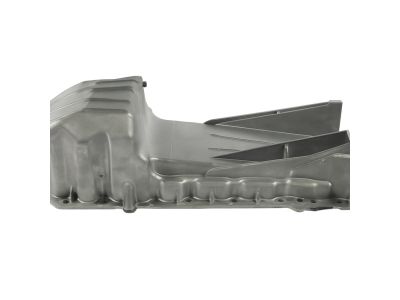
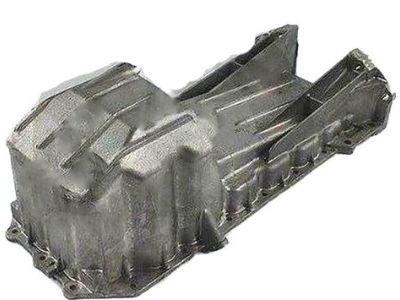
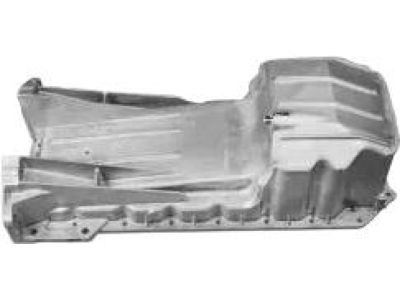
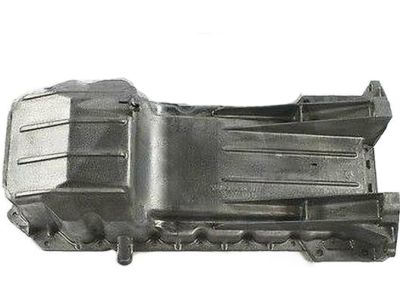
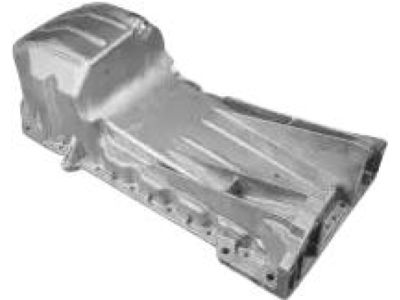
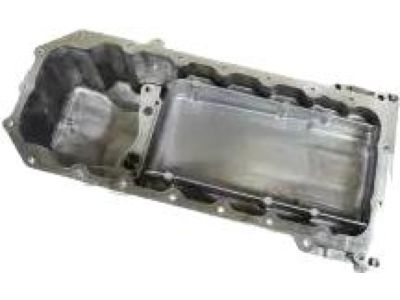
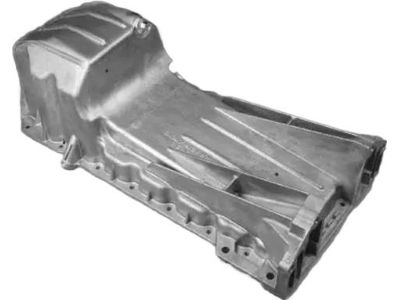
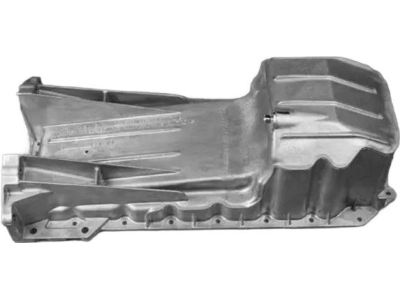
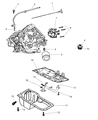
2010 Dodge Challenger Engine Oil Pan
Part Number: 4792870AA$294.72 MSRP: $636.00You Save: $341.28 (54%)Product Specifications- Other Name: Pan Engine Oil
- Replaced by: 5037634AC
- Item Weight: 13.90 Pounds
- Item Dimensions: 12.9 x 14.9 x 27.6 inches
- Condition: New
- SKU: 4792870AA
- Warranty: This genuine part is guaranteed by Mopar's factory warranty.
2010 Dodge Challenger Oil Pan
On our website, we proudly offer genuine 2010 Dodge Challenger Oil Pan at the market's great competitive prices. We are confident that choosing brand new OEM 2010 Dodge Challenger Oil Pan from our site will save you both trouble and money.
2010 Dodge Challenger Oil Pan Parts Questions & Experts Answers
- Q:How to remove and reinstall oil pans in 3.6L V6 engine on 2010 Dodge Challenger?A:To eliminate the oil pans first untwined the cable from the negative terminal from the battery and if in the 2015 and later models remove the Intelligent Battery Sensor connector. Lift the front of the vehicle up until it can be supported properly by the jackstands, engage the parking brake as well as supporting the rear wheels. Remove all the engine oil and remove the fasteners of the lower splash shield hence removing the splash shield. Following that, unbolt the nuts and castellated heads and studs to allow for the separation of lower oil pan from the upper oil pan, without any prying of the sealing surfaces. If the pan is stuck you should try to pry it up gently with a thin knife or a putty knife. Necessary unscrew the dipstick tube bracket mounting bolt, then pull the dipstick tube from the upper oil pan. Disconnect the steering gear and the colt of the transmission fluid cooler lines. Take off the lower oil pan Then detach the transmission mount to the crossmember and lift the transmission and or engine high using a floor jack, but be careful not to shed off the transmission fluid pan. Withdraw the four bellhousing transmission to oil pan bolts and the rubber plugs to provide access to the pan to rear main oil seal retainer bolts. There are two bolts at the top of the engine which are holding the pan-to-rear main seal housing, do not lose the eight bolts that hold the oil pan-to-rear main seal bolts while removing the two bolts as the location has a delicate rear main seal housing. The remaining upper oil pan bolts should be checked and promptly unbolted while the oil pan was pulled off gently from the engine block by inserting prying points or putty knife. Another procedure involves thorough cleaning of the pan and the engine block mating surfaces and inspection for such aspects as distortion and flattening if any. Spread the RTV sealant on the sealing flange of the upper pan, position it with bolts and turn the bolts with your fingers only. Preload the bolts that pass through flanges of the transaxle to the oil pan by traversing the threads for a short distance then tighten the remaining bolts in a circle criss cross fashion to the required torque value. Conversely, the process for reinstalling components is done in the same sequence-in reverse, add oil into the engine, and take the car for a test drive to ascertain if there is a leakage. For the lower oil pan, apply RTV sealant, install it to the upper pan and fasten the bolts in a clockwise manner to the torque specified by the manufacturer, and as a result of the reinstallation process examine a leakage this time after refilling the engine with oil.
Related 2010 Dodge Challenger Parts
 2010 Dodge Challenger Oil Filter
 2010 Dodge Challenger Rod Bearing
 2010 Dodge Challenger Oil Cooler
 2010 Dodge Challenger Crankshaft Pulley
 2010 Dodge Challenger Oil Pressure Switch
 2010 Dodge Challenger Drain Plug
 2010 Dodge Challenger Piston Ring Set
 2010 Dodge Challenger Dipstick
 2010 Dodge Challenger Dipstick Tube
 2010 Dodge Challenger Oil Pump
 2010 Dodge Challenger Crankshaft Thrust Washer Set