
My Garage
My Account
Cart
Genuine 2010 Dodge Challenger Oil Pump
Oil Fluid Pump- Select Vehicle by Model
- Select Vehicle by VIN
Select Vehicle by Model
orMake
Model
Year
Select Vehicle by VIN
For the most accurate results, select vehicle by your VIN (Vehicle Identification Number).
3 Oil Pumps found
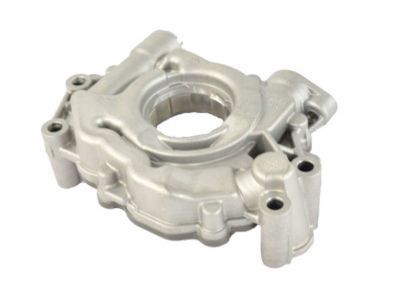
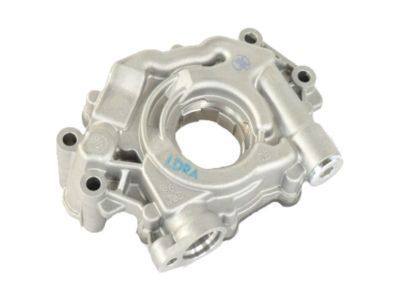
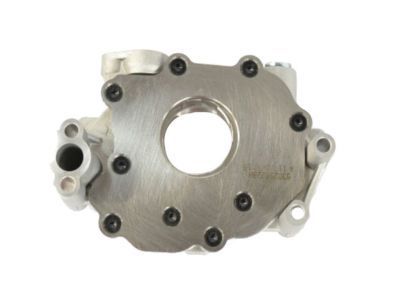
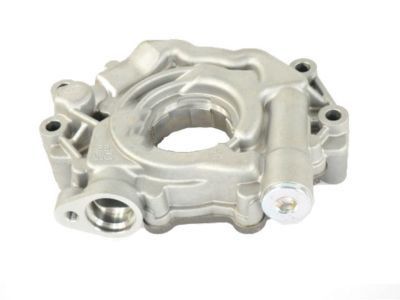
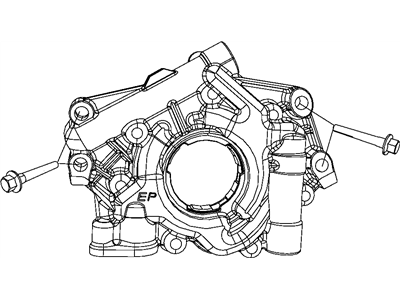
2010 Dodge Challenger Engine Oil Pump
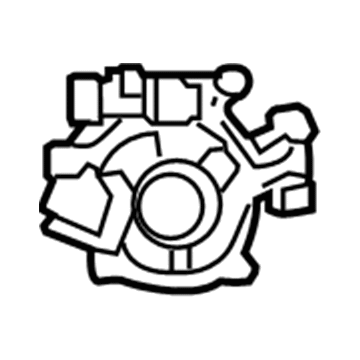
Part Number: 53021622BF$213.75 MSRP: $321.00You Save: $107.25 (34%)Product Specifications- Other Name: Pump Engine Oil
- Replaced by: 53021622BH
- Item Weight: 3.60 Pounds
- Item Dimensions: 3.9 x 8.1 x 8.0 inches
- Condition: New
- SKU: 53021622BF
- Warranty: This genuine part is guaranteed by Mopar's factory warranty.
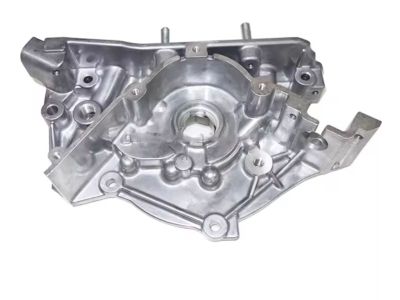
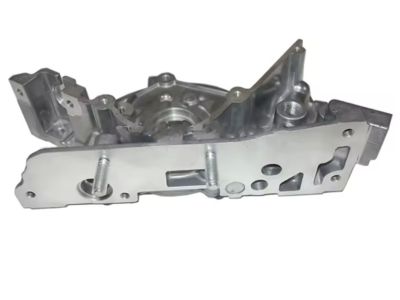
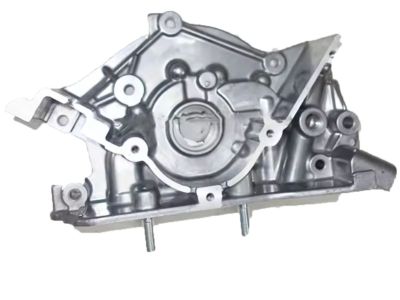
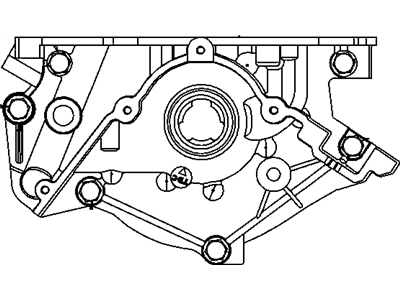
2010 Dodge Challenger Engine Oil Pump
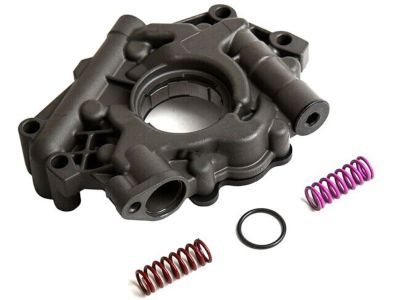
Part Number: 4663844AF$462.84 MSRP: $685.00You Save: $222.16 (33%)Product Specifications- Other Name: Pump Engine Oil
- Replaced by: 68194155AB
- Item Weight: 7.80 Pounds
- Item Dimensions: 14.3 x 14.1 x 3.6 inches
- Condition: New
- Fitment Type: Direct Replacement
- SKU: 4663844AF
- Warranty: This genuine part is guaranteed by Mopar's factory warranty.
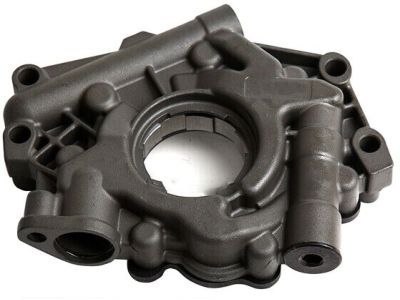
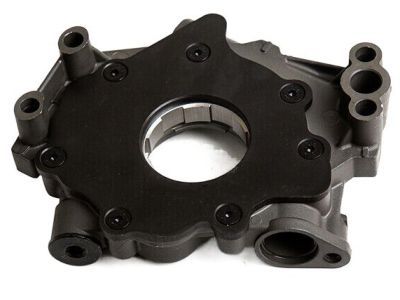
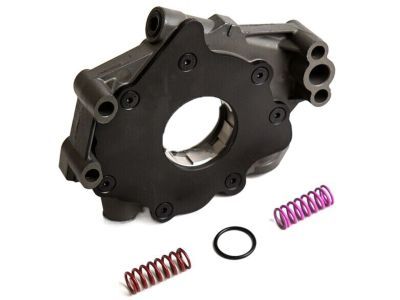
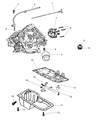 Product Specifications
- Other Name: Pump Engine Oil; Oil Pump
- Replaces: 5037687AA
- Item Weight: 3.30 Pounds
- Item Dimensions: 8.4 x 8.1 x 4.0 inches
- Condition: New
- SKU: 5037687AB
- Warranty: This genuine part is guaranteed by Mopar's factory warranty.
2010 Dodge Challenger Oil Pump
On our website, we proudly offer genuine 2010 Dodge Challenger Oil Pump at the market's great competitive prices. We are confident that choosing brand new OEM 2010 Dodge Challenger Oil Pump from our site will save you both trouble and money.
2010 Dodge Challenger Oil Pump Parts Questions & Experts Answers
- Q:How is the oil pump assembly removed and installed in 3.6L V6 engine on 2010 Dodge Challenger?A:The oil pump is sold as an assembly that includes both the pump and the solenoid, with no serviceable components; if there is a problem, the entire assembly must be replaced. To remove the oil pump, first disconnect the cable from the negative terminal of the battery, ensuring to disconnect the Intelligent Battery Sensor connector first on 2015 and later models. Raise the front of the vehicle securely on jackstands, apply the parking brake, and block the rear wheels. Drain the engine oil, then remove the lower splash shield fasteners and the splash shield. Next, take off the lower and upper oil pans, remove the oil pump pick-up tube fastener, and discard the pick-up tube O-ring. Disconnect the oil pump solenoid electrical connector and remove the connector retaining clip. Depress the locking tab on the connector and push it into the block, rotating it slightly clockwise as needed. Remove the oil pump timing gear splash shield bolts and the splash shield, then press the oil pump chain tensioner away from the chain to insert a 3 mm Allen wrench into the housing. Make reference marks on the chain and oil pump gear, hold the oil pump gear to prevent movement, and remove the T45 Torx mounting bolt and the gear. Remove the Allen wrench to allow the tensioner to release, then take off the spring from the dowel pin and slide the tensioner from the oil pump. Finally, remove the oil pump mounting bolts and the pump itself. For installation, place the oil pump onto the engine block using the aligning dowels, install and tighten the mounting bolts, then slide the oil pump chain tensioner onto the pivot and hold it in place with a 3 mm Allen wrench. Center the oil pump timing chain gear onto the oil pump shaft and install the T45 mounting bolt, ensuring the gear faces the same way as when it was removed. Maneuver the oil pump solenoid into position until it snaps in place, install the timing gear splash shield and bolts, tightening them appropriately. The remaining components are installed in reverse order of removal, followed by refilling the engine with oil and changing the oil filter.
Related 2010 Dodge Challenger Parts
 2010 Dodge Challenger Oil Filter
 2010 Dodge Challenger Rod Bearing
 2010 Dodge Challenger Oil Pan
 2010 Dodge Challenger Oil Cooler
 2010 Dodge Challenger Crankshaft Pulley
 2010 Dodge Challenger Oil Pressure Switch
 2010 Dodge Challenger Drain Plug
 2010 Dodge Challenger Piston Ring Set
 2010 Dodge Challenger Dipstick
 2010 Dodge Challenger Dipstick Tube
 2010 Dodge Challenger Crankshaft Thrust Washer Set