
My Garage
My Account
Cart
Genuine Dodge Durango Brake Booster
Brake Power Booster- Select Vehicle by Model
- Select Vehicle by VIN
Select Vehicle by Model
orMake
Model
Year
Select Vehicle by VIN
For the most accurate results, select vehicle by your VIN (Vehicle Identification Number).
15 Brake Boosters found
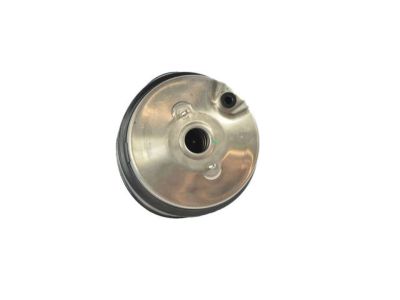
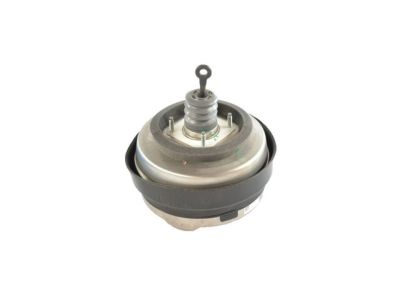
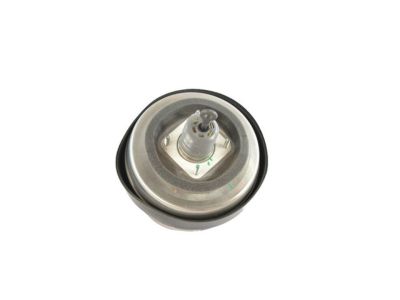
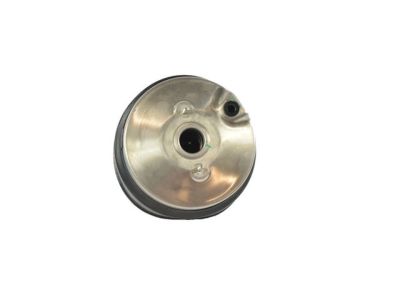
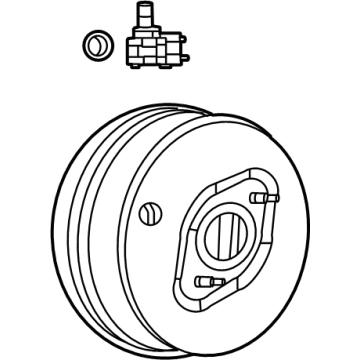
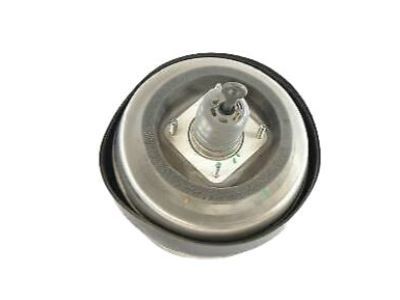
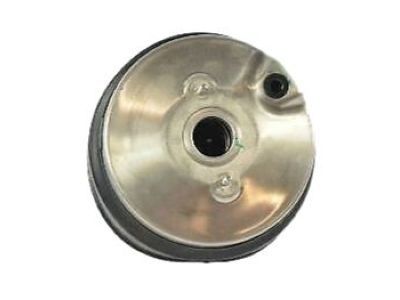
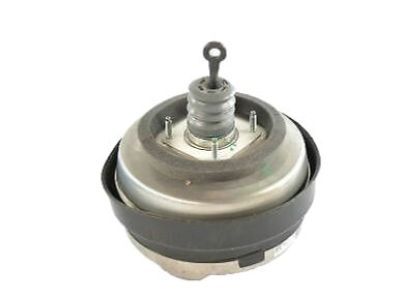
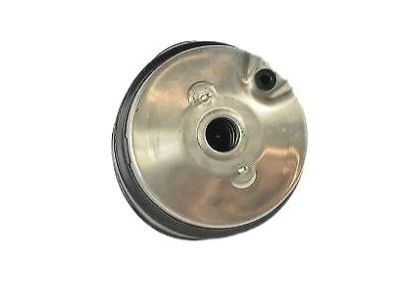
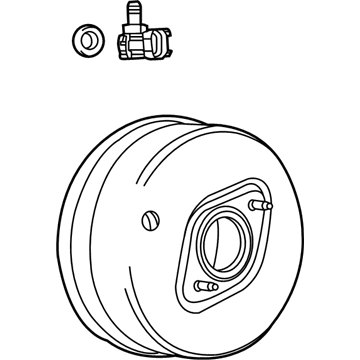
Dodge Durango Power Brake Booster
Part Number: 68306573AA$250.88 MSRP: $377.00You Save: $126.12 (34%)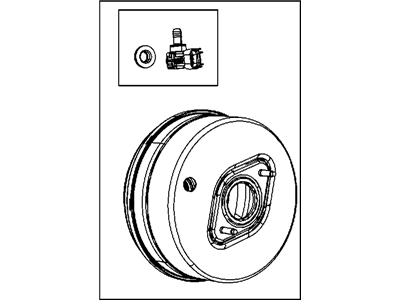
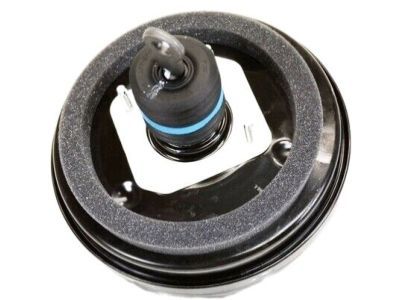
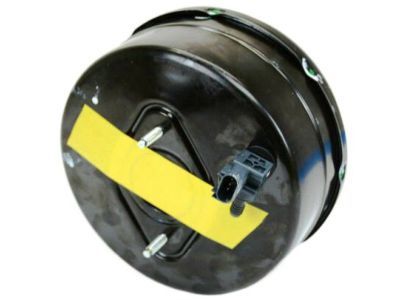
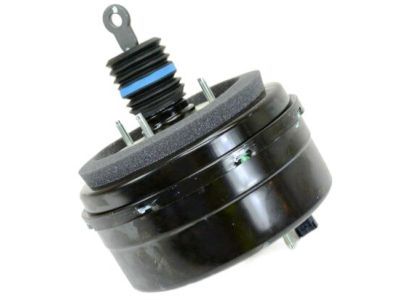
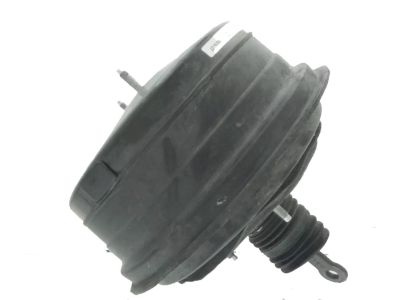
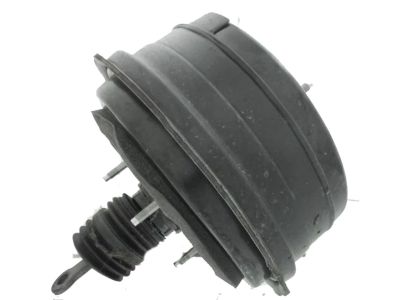
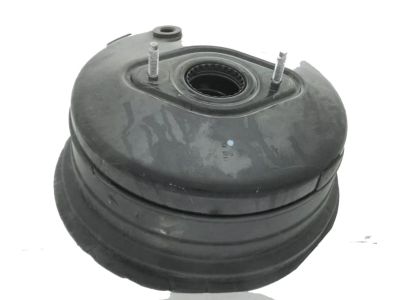
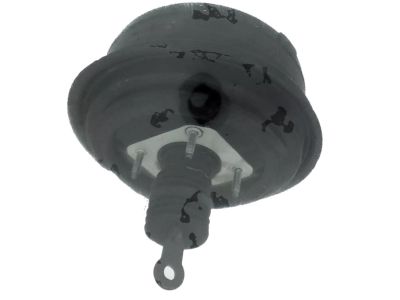
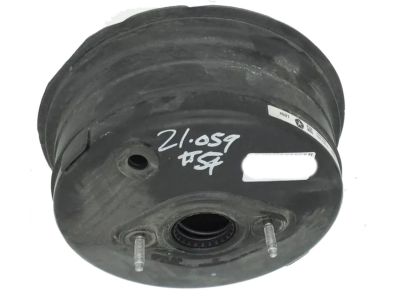
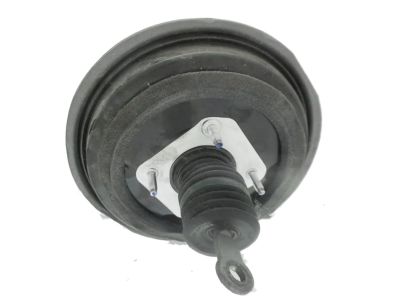
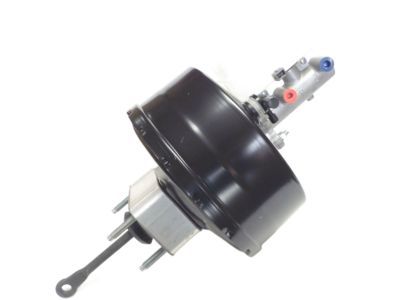
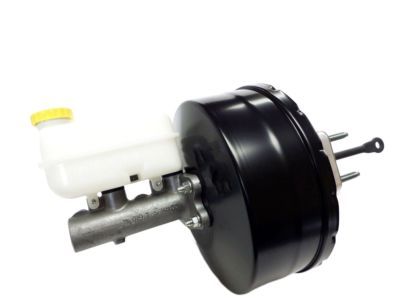
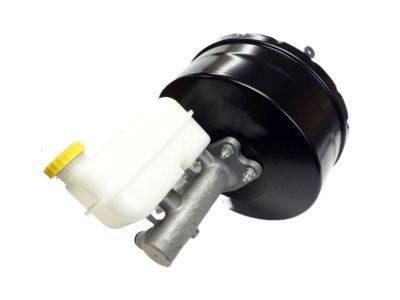
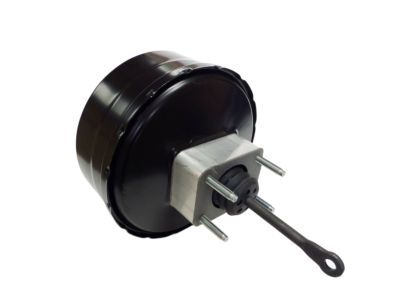
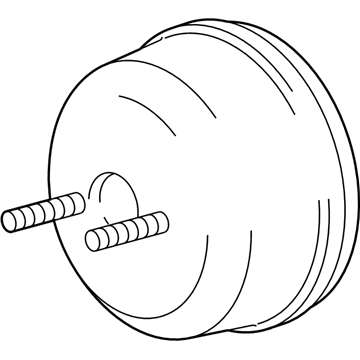
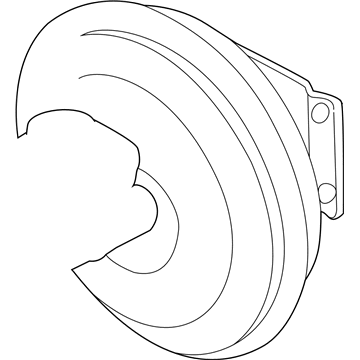
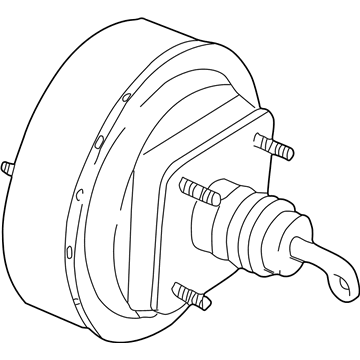
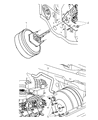
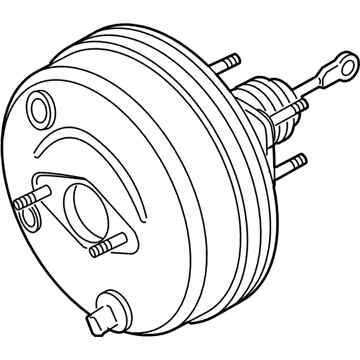
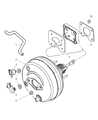
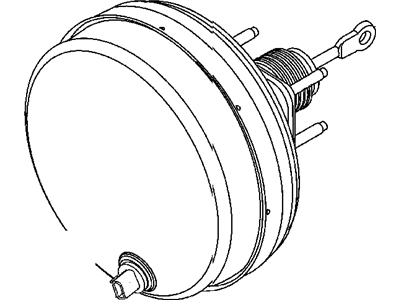
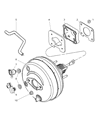
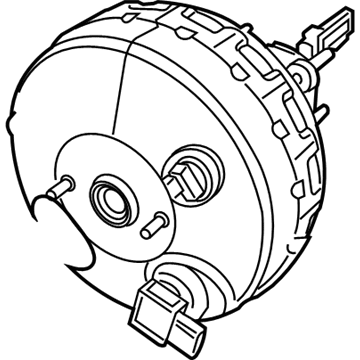
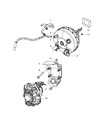
Dodge Durango Brake Booster
The Dodge Durango Brake Booster is an important part that draws lesser amount of pressure in order to apply brakes on the particular car. In the case of the brake booster, a vacuum chamber works to increase the hydraulic pressure coming from the master cylinder through the force exerted on the brake pedal by the driver. There are two main types of boosters used in Durango vehicles;vacuum operated boosters and hydraulic boosters. Vacuum boosters work on the principles of engine vacuum and the pressure that is available outside the automobile while hydraulic boosters work on fluid pressure for providing brake application. Depending on such factors as size and configuration of the booster with or without dual diaphragm, the degree of power assist that is available has to be well selected in order to enhance brake optimal performance.
Looking for affordable and high-quality auto parts? Then you have already arrived at the proper online shop. We offer all Dodge Durango Brake Booster at great affordable prices. Moreover, all genuine Dodge Durango Brake Booster come with a manufacturer's warranty. In the long run, you would realize you have saved a lot of trouble and money with OEM parts from here.
Dodge Durango Brake Booster Parts Questions & Experts Answers
- Q:What Is the Maintenance and Operating Check for a Power Brake Booster Unit on Dodge Durango?A:The brake booster system has two simple regular checks, vacuum hose and case. The entire power unit cannot be fixed; if it breaks, you need to replace it. Kick the brake pedal a few times with the engine shut off, watch if your pedal reserve distance holds steady, then begin your drive; when the pedal falls just a bit when you start the engine, that's how it should work. You can test your booster's airtightness by running your engine for two short minutes, turning it off, and pressing down the brake pedal slowly with several quick, repeated movements. If the pedal sinks initially but rises after two or three presses, you have fully sealed your booster. When the engine runs, press the brake pedal, then stop the engine with your foot on the pedal. If the pedal has identical spaces after being held down for 30 seconds, your booster valve is closed. To take out the booster, first take off the master cylinder, then on Durango cars, first remove the hood cover, then the support bar, and afterward disconnect the wiper motor's electric connection from behind the windshield. Separate the vacuum hose from the power brake booster without detaching the check valve, and then under the dash remove the power brake push rod from the brake pedal top by releasing the retaining clip. Taking out the nuts that hold the booster to the firewall, lift the unit off slowly from the firewall without pushing or pulling too hard. Keep track of where the gaskets were positioned between the booster and firewall. Insert the booster, screw on the locking nuts, attach the pedal positioner, bolt the master cylinder in place, join the vacuum hose, drain and restore the braking system, and finally test brake sensitivity.
Related Dodge Durango Parts
 Dodge Durango Brake Line
 Dodge Durango Brake Light Switch
 Dodge Durango Brake Master Cylinder
 Dodge Durango Brake Disc
 Dodge Durango Brake Bleeder Screw
 Dodge Durango Brake Caliper Bracket
 Dodge Durango Brake Fluid Level Sensor
 Dodge Durango Brake Proportioning Valve
Browse by Year
2025 Brake Booster 2024 Brake Booster 2023 Brake Booster 2022 Brake Booster 2021 Brake Booster 2020 Brake Booster 2019 Brake Booster 2018 Brake Booster 2017 Brake Booster 2016 Brake Booster 2015 Brake Booster 2014 Brake Booster 2013 Brake Booster 2012 Brake Booster 2011 Brake Booster 2009 Brake Booster 2008 Brake Booster 2007 Brake Booster 2006 Brake Booster 2005 Brake Booster 2003 Brake Booster 2002 Brake Booster 2001 Brake Booster 2000 Brake Booster