
My Garage
My Account
Cart
Genuine Dodge Grand Caravan Crankshaft
Crank Shaft- Select Vehicle by Model
- Select Vehicle by VIN
Select Vehicle by Model
orMake
Model
Year
Select Vehicle by VIN
For the most accurate results, select vehicle by your VIN (Vehicle Identification Number).
16 Crankshafts found
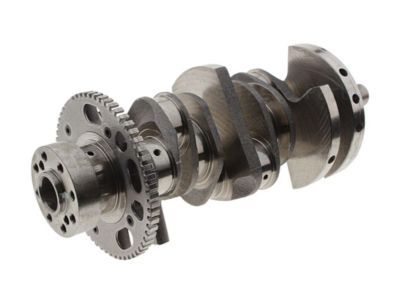
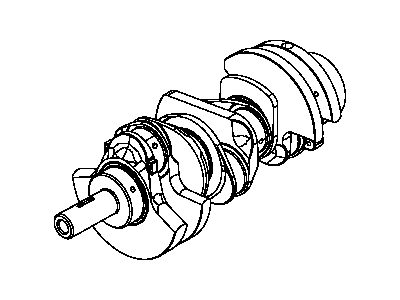
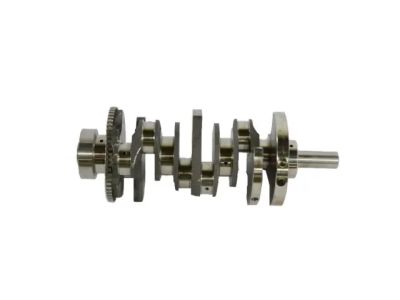
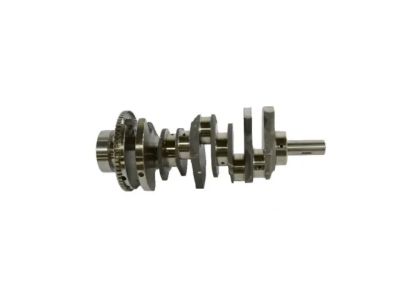
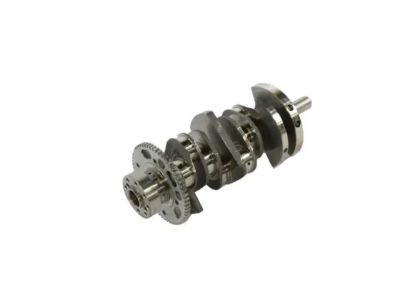
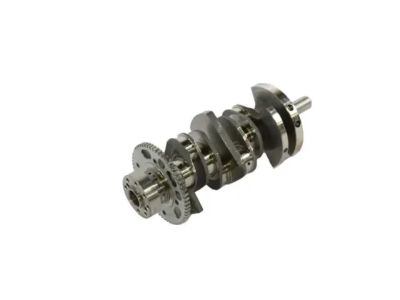
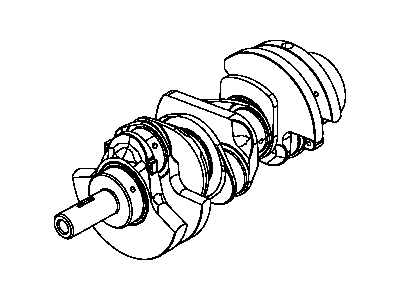
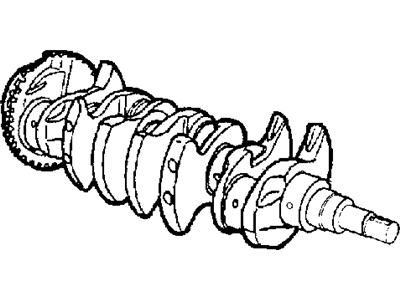
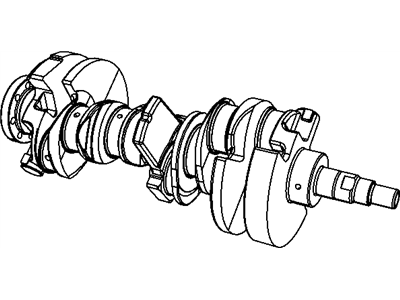
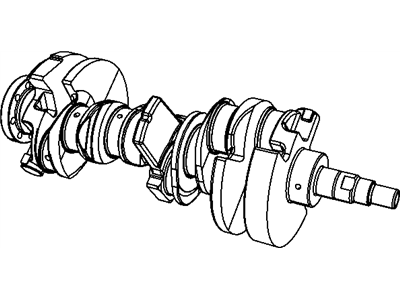
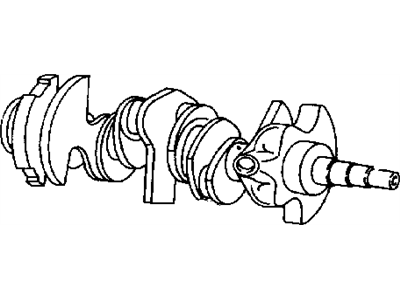
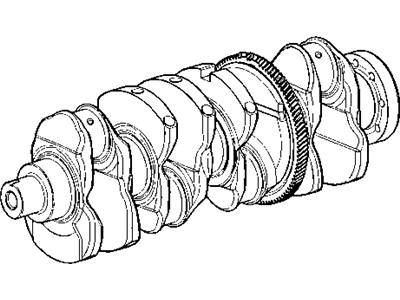
Dodge Grand Caravan Crankshaft
Part Number: 68158311AA$1197.80 MSRP: $1770.00You Save: $572.20 (33%)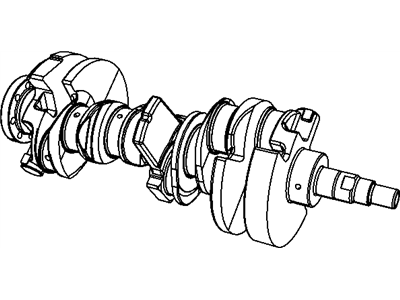
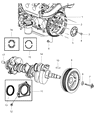
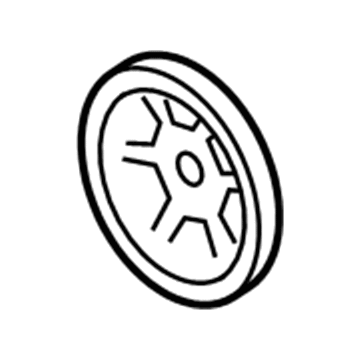
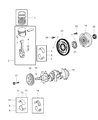
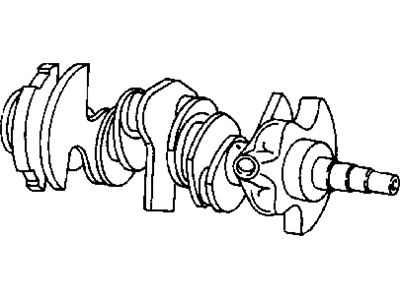
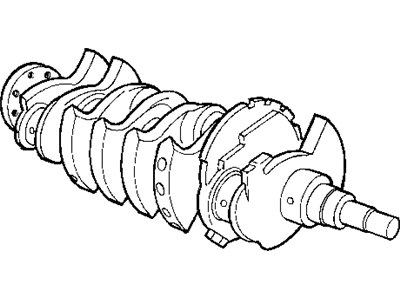
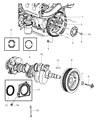

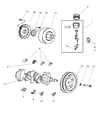
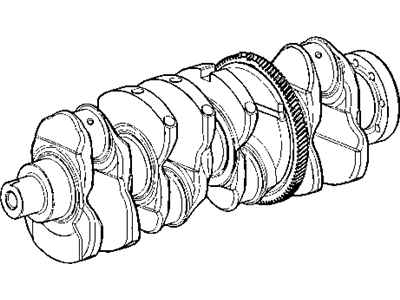
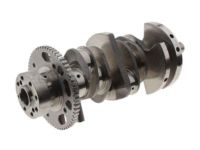
Dodge Grand Caravan Crankshaft
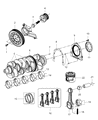
The Crankshaft of the Dodge Grand Caravan transforms the vertical motion of the pistons into a smooth rotation which ultimately transfers through the transmission and into the wheels. Found low in the engine block, this Crankshaft has offset crank throws to which the connecting rods attach. The offset throws provide the essential geometry to convert reciprocating motion into rotation. The Crankshaft in early lower output models of the Grand Caravan was cast iron. This material was tough enough to deliver reliable service in normal driving. However, the higher horsepower versions applied a forged steel component. This could better withstand the greater loads and vibrations. Both designs are reliable components that, if supplied with adequate lubrication, could survive the vehicle's life. But contamination or insufficient oil would score the journals and induce engine knock. The Crankshaft is subjected to heavy forces. Undue vibration indicates that the part is likely bent or scored and must be replaced. Regular oil changes will keep every Dodge Grand Caravan from incurring costly Crankshaft damage. And that will keep every Dodge on the road and every Grand Caravan running smoothly so the Dodge family hauler stays reliable.
Looking for affordable and high-quality auto parts? Then you have already arrived at the proper online shop. We offer all Dodge Grand Caravan Crankshaft at great affordable prices. Moreover, all genuine Dodge Grand Caravan Crankshaft come with a manufacturer's warranty. In the long run, you would realize you have saved a lot of trouble and money with OEM parts from here.
Dodge Grand Caravan Crankshaft Parts Questions & Experts Answers
- Q:How to properly inspect and prepare a crankshaft for reassembly on Dodge Grand Caravan?A:Remove all burrs from the crankshaft oil holes with a stone, file, or scraper to ensure sharp edges don't gouge or scratch the new bearings. Clean the crankshaft with solvent and dry it with compressed air if available. Check the main and connecting rod bearing journals for uneven wear, scoring, pits, and cracks. Rub a penny across each journal several times; if copper rubs off and embeds in the crankshaft, the journals should be reground, indicating roughness. Inspect the rest of the crankshaft for cracks and other damage, and have it magnafluxed to reveal hidden cracks at an automotive machine shop. Measure the diameter of the main and connecting rod journals with a micrometer, comparing results at several points to detect taper and out-of-round conditions. If the journals are damaged, tapered, out-of-round, or worn beyond limits, have the crankshaft reground by an automotive machine shop, ensuring the correct size bearing inserts are used if reconditioned. Check the oil seal journals at each end of the crankshaft for wear and damage; if grooves, nicks, or scratches are present, new seals may leak upon reassembly. An automotive machine shop may repair the journal by pressing on a thin sleeve, but if repair isn't feasible, a new or different crankshaft should be installed. Finally, examine the main and rod bearing inserts.
Related Dodge Grand Caravan Parts
 Dodge Grand Caravan Rod Bearing
 Dodge Grand Caravan Oil Pan
 Dodge Grand Caravan Piston Ring Set
 Dodge Grand Caravan Crankshaft Pulley
 Dodge Grand Caravan Oil Pan Gasket
 Dodge Grand Caravan Oil Pump
 Dodge Grand Caravan Camshaft
 Dodge Grand Caravan Cam Gear
 Dodge Grand Caravan Crankshaft Thrust Washer Set
 Dodge Grand Caravan Oil Pump Gasket
Browse by Year
2020 Crankshaft 2019 Crankshaft 2018 Crankshaft 2017 Crankshaft 2016 Crankshaft 2015 Crankshaft 2014 Crankshaft 2013 Crankshaft 2012 Crankshaft 2011 Crankshaft 2010 Crankshaft 2009 Crankshaft 2008 Crankshaft 2007 Crankshaft 2006 Crankshaft 2005 Crankshaft 2004 Crankshaft 2003 Crankshaft 2002 Crankshaft 2001 Crankshaft 2000 Crankshaft 1999 Crankshaft 1998 Crankshaft 1997 Crankshaft 1996 Crankshaft 1995 Crankshaft 1994 Crankshaft 1993 Crankshaft 1992 Crankshaft 1991 Crankshaft 1990 Crankshaft 1988 Crankshaft 1987 Crankshaft