
My Garage
My Account
Cart
Genuine Dodge Grand Caravan Lash Adjuster
Lash Adjuster Lifter- Select Vehicle by Model
- Select Vehicle by VIN
Select Vehicle by Model
orMake
Model
Year
Select Vehicle by VIN
For the most accurate results, select vehicle by your VIN (Vehicle Identification Number).
7 Lash Adjusters found
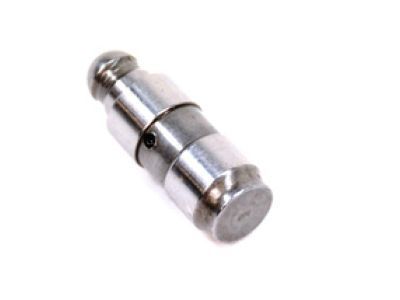
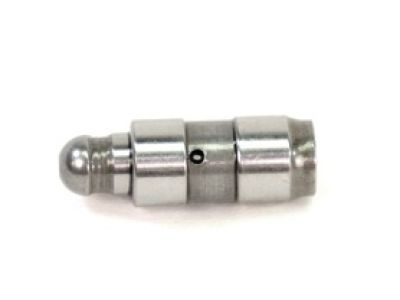
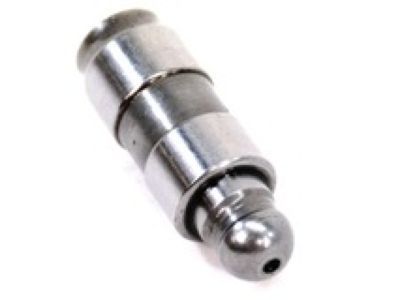

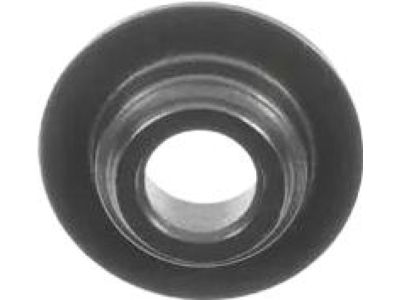
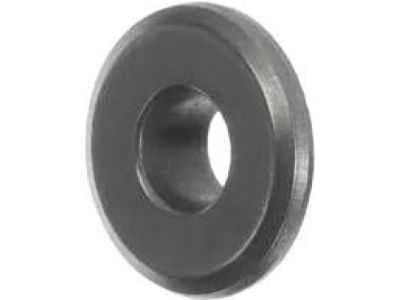
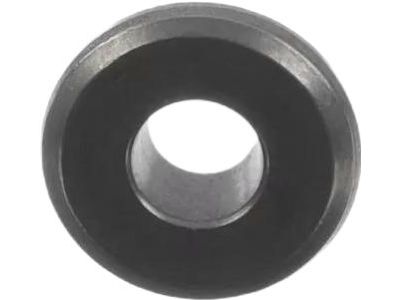
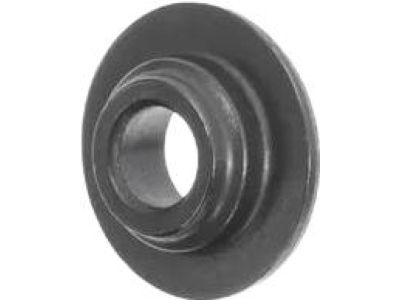

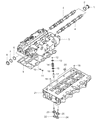
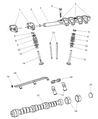
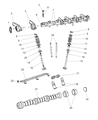
Dodge Grand Caravan Valve Spring Tappet
Part Number: 5093892AA$2.56 MSRP: $3.75You Save: $1.19 (32%)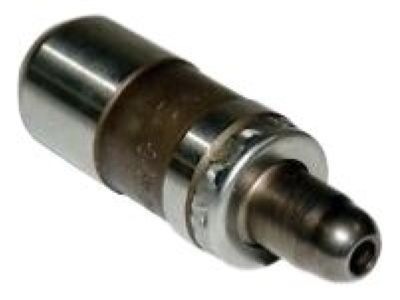
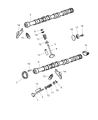
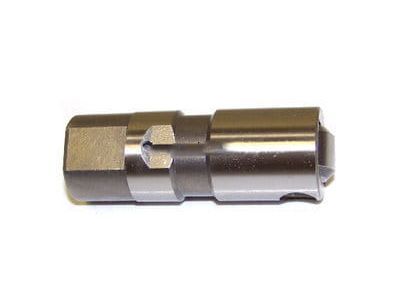
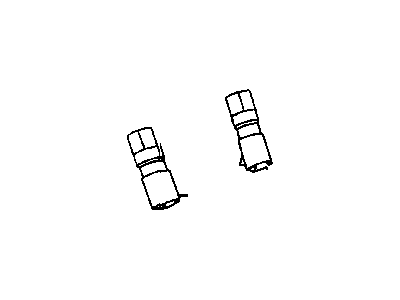
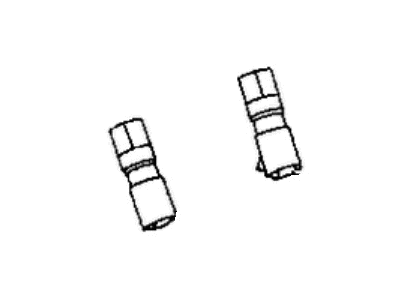
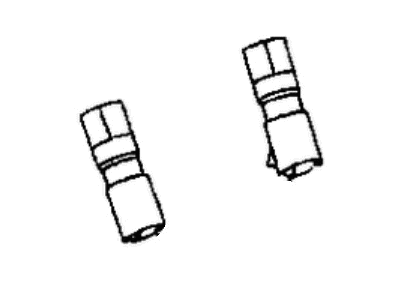
Dodge Grand Caravan Engine Valve Tappet
Part Number: 4387678$71.59 MSRP: $91.10You Save: $19.51 (22%)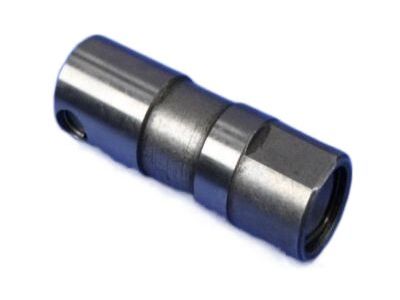
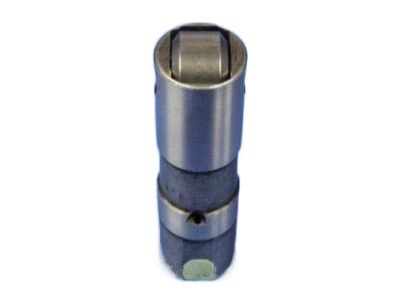
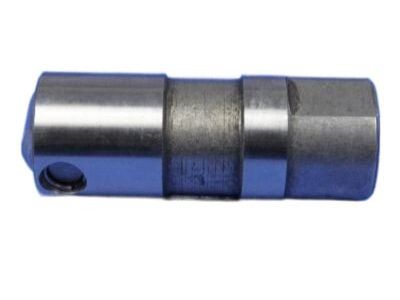
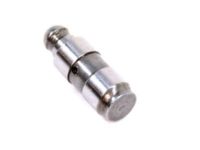
Dodge Grand Caravan Lash Adjuster
Through keeping at optimum operational conditions, the Lash Adjuster achieves this by automatically keeping a small gap between the cam lobes and valves. This helps the engine run smoothly and last longer. Each Lash Adjuster functions like an intelligent buffer that translates the spinning motion of the camshaft into linear movement of the valve. It raises or lowers the valve as needed to ensure that combustion can breathe freely. Over the years, three styles of Lash Adjusters were applied on Grand Caravan engines: solid, hydraulic, and roller. Throughout successive generations, Grand Caravan models kept refining the system. The solid version has a fixed clearance that requires periodic tweaks. On the other hand, the hydraulic Lash Adjuster utilizes pressurized oil that expands internally to self-set the clearance, wiping out many manual adjustments. The recent roller design uses a tiny wheel in conjunction with the cam surface, which effectively reduces friction and enhances the turning efficiency compared to earlier models that had a flat face. Dodge drivers notice fewer clicks at start-up. Dodge powerplants stay healthier under load. Every Dodge cylinder bank arranges its Lash Adjuster in tune with pushrod, SOHC, or DOHC layouts. The lone Grand Caravan nameplate meets durability targets mile after mile. The Lash Adjuster is essential for maintaining optimal engine performance.
Looking for affordable and high-quality auto parts? Then you have already arrived at the proper online shop. We offer all Dodge Grand Caravan Lash Adjuster at great affordable prices. Moreover, all genuine Dodge Grand Caravan Lash Adjuster come with a manufacturer's warranty. In the long run, you would realize you have saved a lot of trouble and money with OEM parts from here.
Dodge Grand Caravan Lash Adjuster Parts Questions & Experts Answers
- Q:What Role Does the Lash Adjuster Play in Identifying and Addressing Noisy Valve Lifters in 3.3L and 3.8L V6 Engines on Dodge Grand Caravan?A:A common clue is that a noisy valve lash adjuster can be detected during the periods when the engine is idle by using a mechanic's stethoscope or a piece of hose to listen close to each of the valve locations. However, the valve cover can be removed and by holding each of the valve spring retainers while the engine is running, one can easily discover defects by the shock that is felt at each retainer. Some of the causes of noisy valve lash adjusters are dirt in valve lash adjusters, and inadequate oil flow, viscosity, or pressure; hence one should first check the oil for contamination with fuel, its level, condition and viscosity before coming to any conclusion. Lash adjusters are removed by first removing the intake manifold and the valve cover(s) and then the Rocker Arms, the Pushrods and finally the heads of the cylinder from the engine block. Bolts are used through the retaining plate to secure it, to reach the lash adjusters, the alignment yoke should be lifted off. The lash adjusters can be pulled out with a special tool, a small magnet or by hand, if the varnish is not thick, but should not be removed with pliers unless they are planned to be replaced, as this might harm them. Pack the lash adjusters in a box that has labels for the lash adjusters so that they would be replaced in their respective place. For examination, first, clean the lash adjusters having a solvent, and then look for scuffing, score marks or uneven wear on the lash adjuster walls or pushrod seats, lash adjuster bores in the block. Each lash adjuster's roller should be rolled and rocking action looked for; the lash adjuster's roller should be free and not flat or pitted; rollers on cam journals should also be examined for any irregular wear. Old lash adjusters that have been used should be reinserted to the initial bore which they were removed from; new lash adjusters should be dipped in oil to eliminate trapped air; all of the lash adjusters should be covered with moly-base grease or engine assembly lube. As with removal the installation procedure is reversed and the bolts of the retaining plate tightened to the correct torque the engine is then run to check for signs of oil leaking.
Related Dodge Grand Caravan Parts

Browse by Year
2020 Lash Adjuster 2019 Lash Adjuster 2018 Lash Adjuster 2017 Lash Adjuster 2016 Lash Adjuster 2015 Lash Adjuster 2014 Lash Adjuster 2013 Lash Adjuster 2012 Lash Adjuster 2011 Lash Adjuster 2010 Lash Adjuster 2009 Lash Adjuster 2008 Lash Adjuster 2007 Lash Adjuster 2006 Lash Adjuster 2005 Lash Adjuster 2004 Lash Adjuster 2003 Lash Adjuster 2002 Lash Adjuster 2001 Lash Adjuster 2000 Lash Adjuster 1999 Lash Adjuster 1998 Lash Adjuster 1997 Lash Adjuster 1996 Lash Adjuster 1995 Lash Adjuster 1994 Lash Adjuster 1993 Lash Adjuster 1992 Lash Adjuster 1991 Lash Adjuster 1990 Lash Adjuster