
My Garage
My Account
Cart
Genuine Jeep Grand Cherokee Axle Shaft
Car Axle Shaft- Select Vehicle by Model
- Select Vehicle by VIN
Select Vehicle by Model
orMake
Model
Year
Select Vehicle by VIN
For the most accurate results, select vehicle by your VIN (Vehicle Identification Number).
110 Axle Shafts found
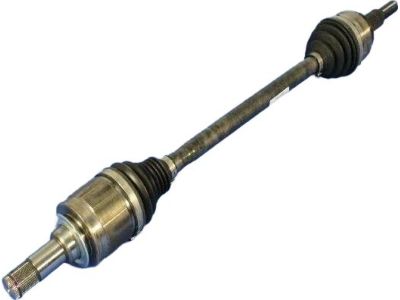
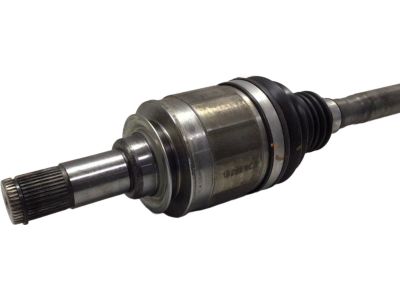
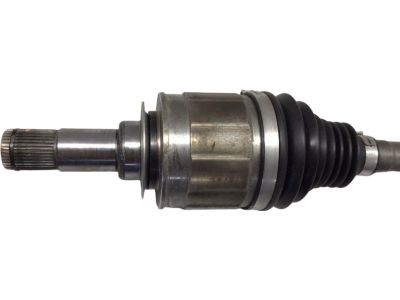
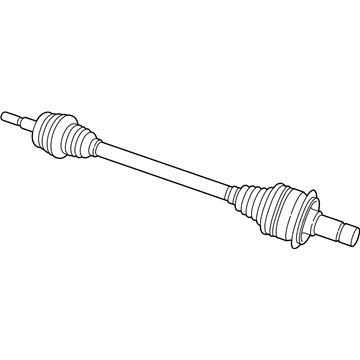
Jeep Grand Cherokee Axle Half Shaft
Part Number: 52123521AD$465.25 MSRP: $704.00You Save: $238.75 (34%)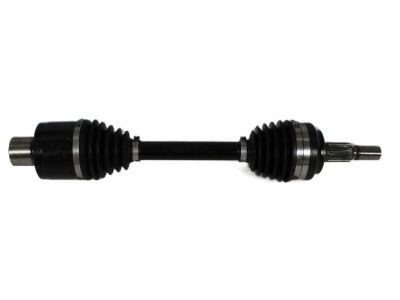
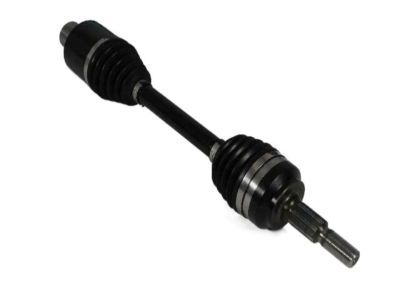
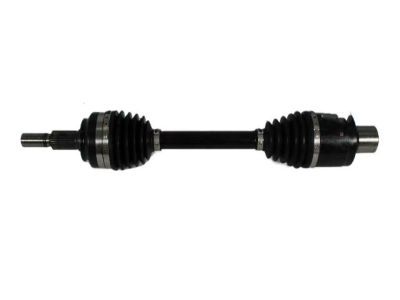
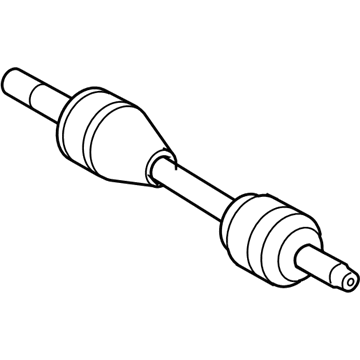
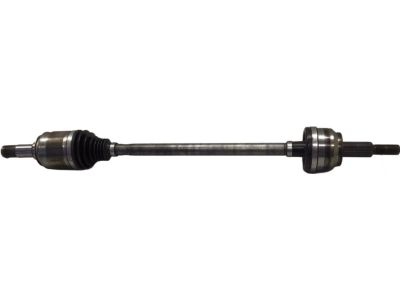
Jeep Grand Cherokee Axle Half Shaft Right
Part Number: 52104590AA$437.75 MSRP: $662.00You Save: $224.25 (34%)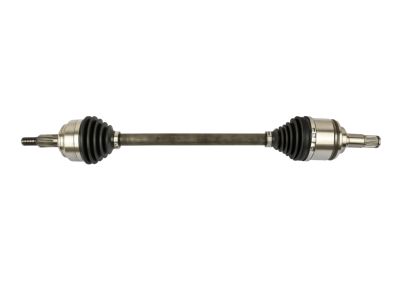
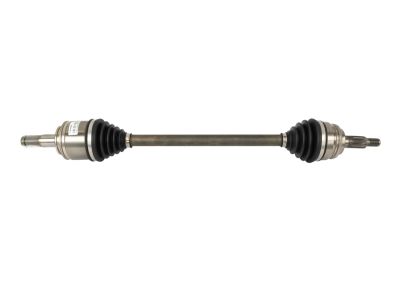
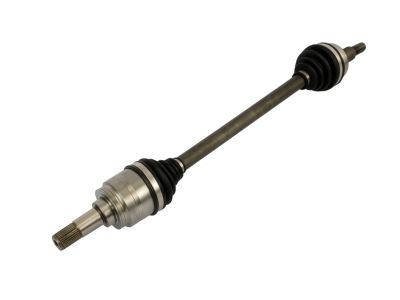
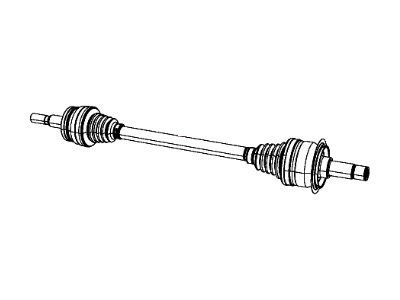
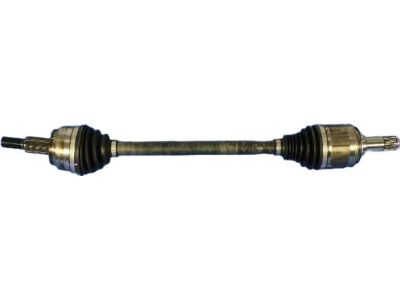
Jeep Grand Cherokee Axle Half Shaft
Part Number: 52123522AA$489.45 MSRP: $745.00You Save: $255.55 (35%)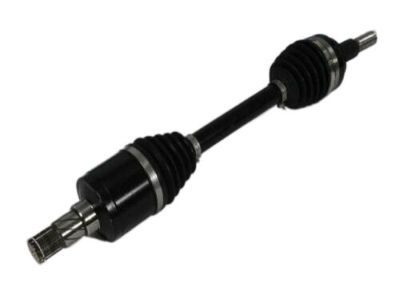
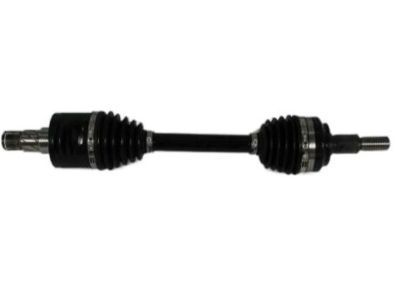
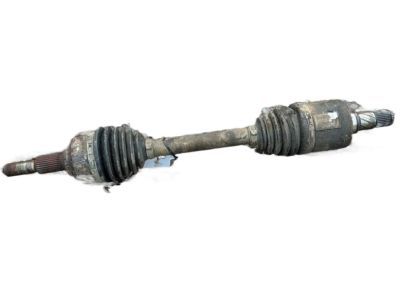
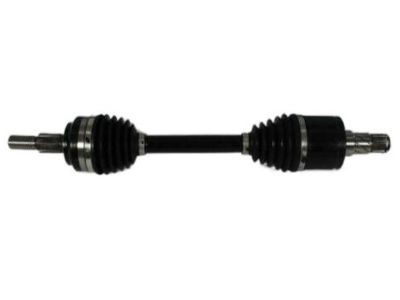
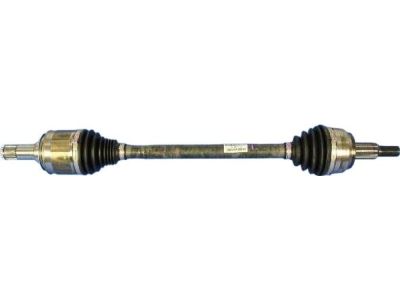
Jeep Grand Cherokee Axle Half Shaft Left
Part Number: 52104701AB$304.33 MSRP: $453.33You Save: $149.00 (33%)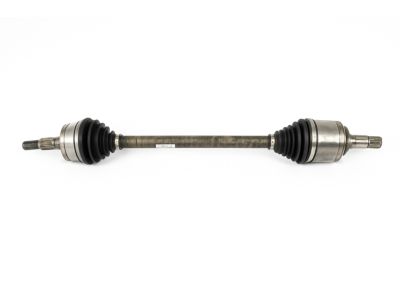
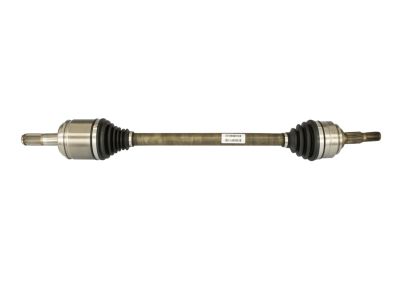

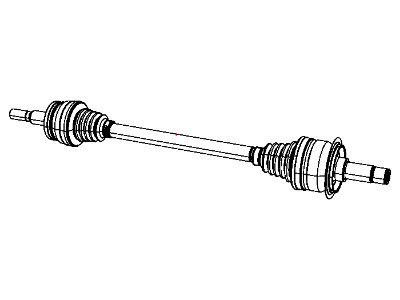
Jeep Grand Cherokee Axle Half Shaft
Part Number: 52123521AA$465.25 MSRP: $704.00You Save: $238.75 (34%)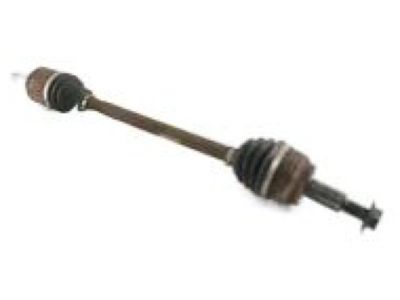
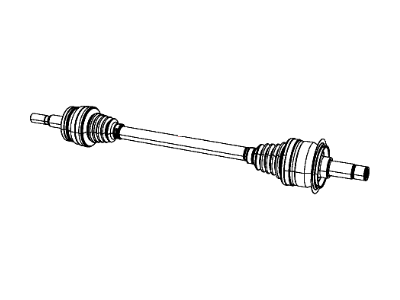
Jeep Grand Cherokee Rear-Axle Assembly
Part Number: 4726091AB$435.55 MSRP: $659.00You Save: $223.45 (34%)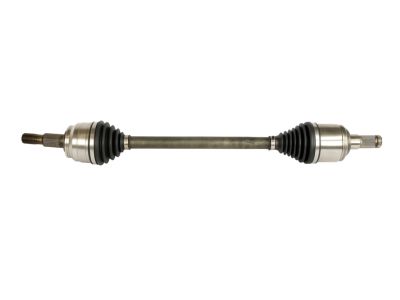
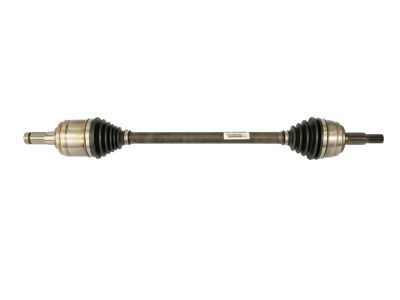
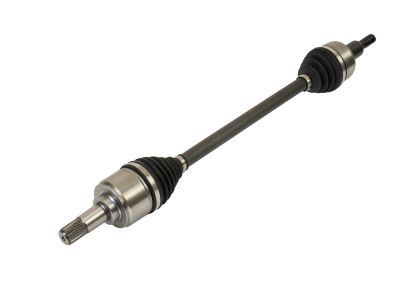
Jeep Grand Cherokee Axle Half Shaft
Part Number: 52123521AB$465.25 MSRP: $704.00You Save: $238.75 (34%)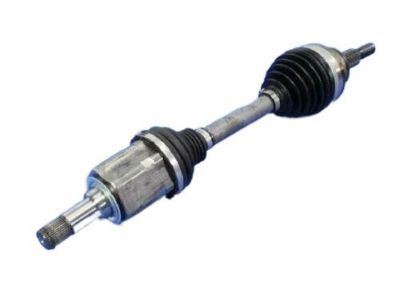
Jeep Grand Cherokee Axle Half Shaft
Part Number: 52124713AD$460.85 MSRP: $697.00You Save: $236.15 (34%)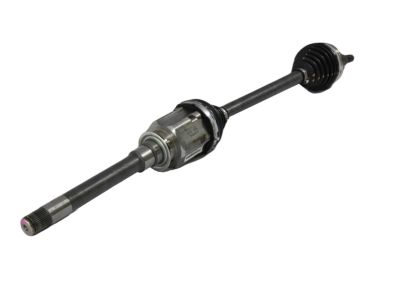
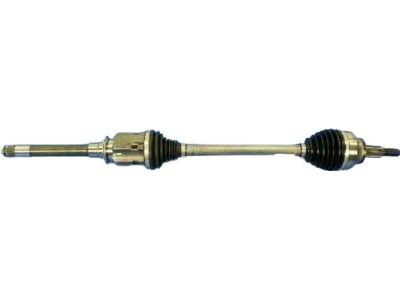
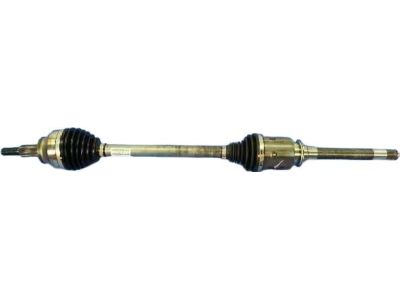
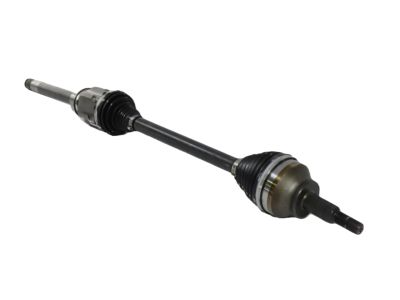
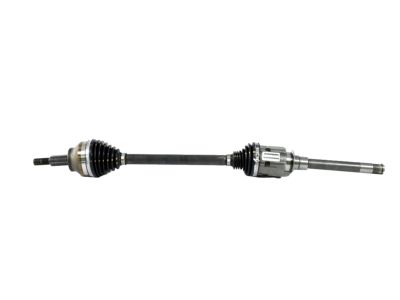
Jeep Grand Cherokee Axle Half Shaft
Part Number: 52124712AD$464.15 MSRP: $702.00You Save: $237.85 (34%)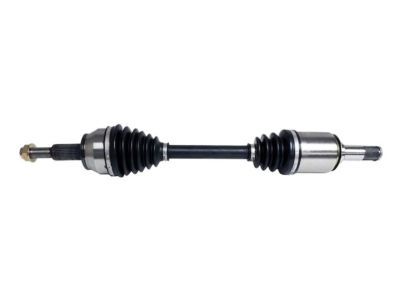
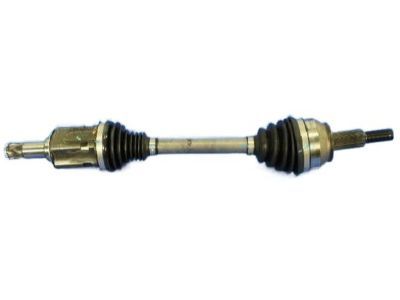
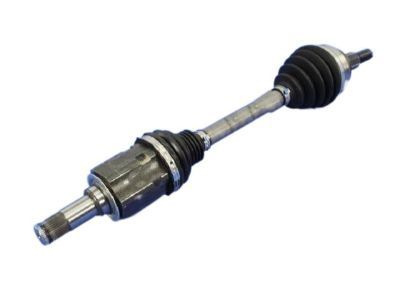
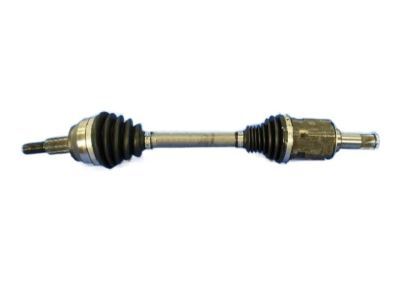
Jeep Grand Cherokee Axle Half Shaft Left
Part Number: 4578885AC$392.65 MSRP: $594.00You Save: $201.35 (34%)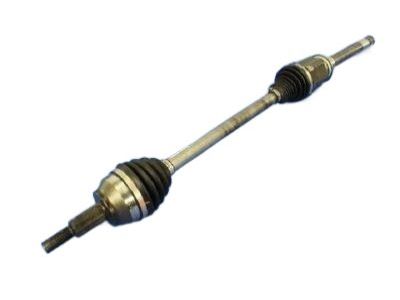
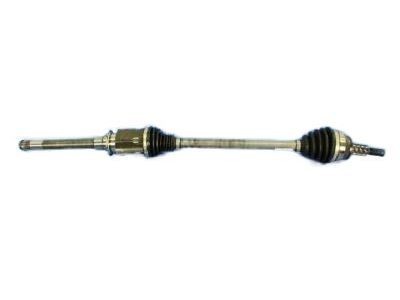
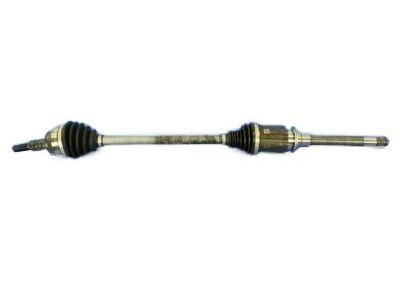
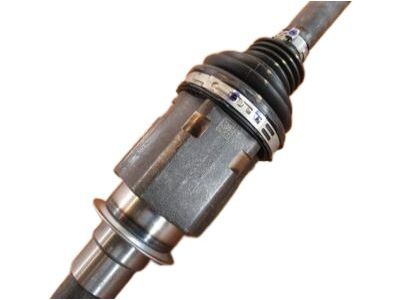
Jeep Grand Cherokee Axle Shaft Assembly
Part Number: 4578884AC$481.75 MSRP: $729.00You Save: $247.25 (34%)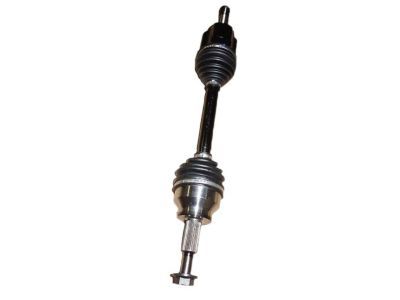
Jeep Grand Cherokee Axle Half Shaft Left
Part Number: 68193661AB$332.15 MSRP: $507.00You Save: $174.85 (35%)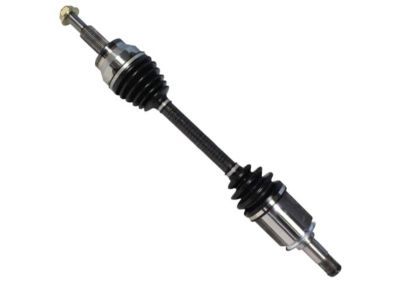
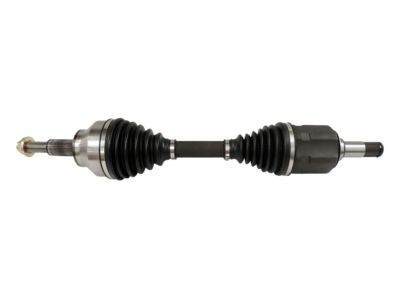
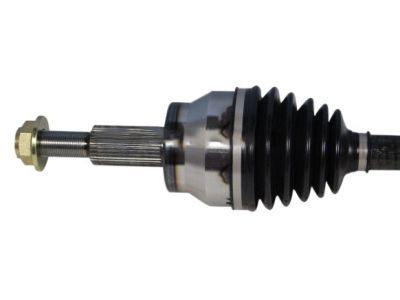
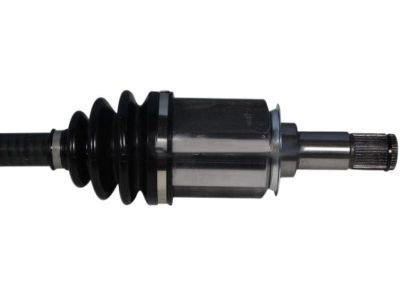
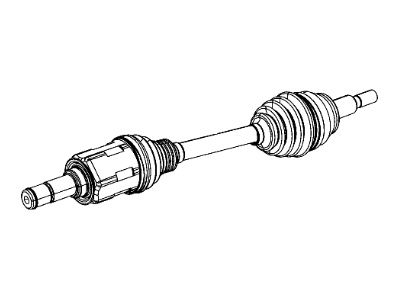
Jeep Grand Cherokee Axle Half Shaft
Part Number: 52124713AC$460.85 MSRP: $697.00You Save: $236.15 (34%)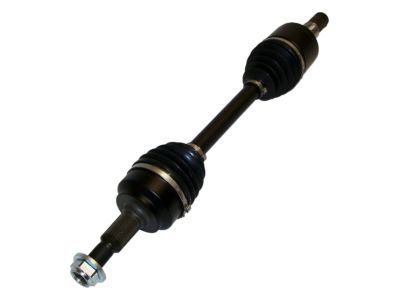
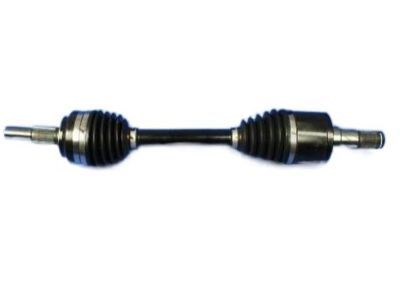
Jeep Grand Cherokee Axle Shaft Assembly Replaces
Part Number: 52104591AB$311.02 MSRP: $463.33You Save: $152.31 (33%)
Jeep Grand Cherokee Axle Half Shaft
Part Number: 52123522AB$489.45 MSRP: $745.00You Save: $255.55 (35%)Jeep Grand Cherokee Axle Half Shaft
Part Number: 4726091AD$435.55 MSRP: $659.00You Save: $223.45 (34%)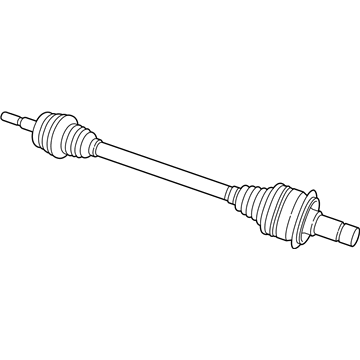
Jeep Grand Cherokee Axle Half Shaft
Part Number: 52123521AC$465.25 MSRP: $704.00You Save: $238.75 (34%)Jeep Grand Cherokee Axle Half Shaft
Part Number: 52123523AB$475.15 MSRP: $723.00You Save: $247.85 (35%)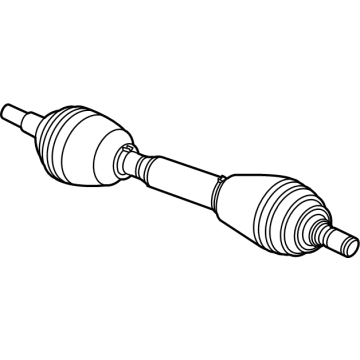
| Page 1 of 6 |Next >
1-20 of 110 Results
Jeep Grand Cherokee Axle Shaft
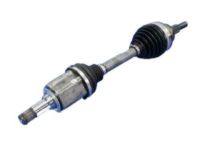
The Axle Shaft in Jeep Grand Cherokee Automobiles is extremely useful in moving power from the differential to the wheels so that they can revolve in different angles in an effort to increase traction with the ground especially during cornering. On Jeep Grand Cherokee, manufacturers employ both the solid axles and half shafts, depending on the particular suspension type. The differential and axle shafts are enclosed in solid axles while the half shafts link the transaxle to the wheels encompassing splined sections so as to allow for speed variations. Other changes have included the use of live axles for the purpose of weight bearing and for transmitting torque and split axles for independent suspension. The key difference exists in the constructiveness of the two and the solid axles are heavier in build and are mostly observed in high-end vehicles while the half shaft is frequent to be used under the modern independent suspension systems. Regular care and management of the Axle Shaft has to be done time to time because wear and tear may be occur and affect the efficiency of the vehicle.
Looking for affordable and high-quality auto parts? Then you have already arrived at the proper online shop. We offer all Jeep Grand Cherokee Axle Shaft at great affordable prices. Moreover, all genuine Jeep Grand Cherokee Axle Shaft come with a manufacturer's warranty. In the long run, you would realize you have saved a lot of trouble and money with OEM parts from here.
Jeep Grand Cherokee Axle Shaft Parts Questions & Experts Answers
- Q:What Should You Know About Axle Shaft Differences and Diagnosing Axle Issues on Jeep Grand Cherokee?A:On 2010 and earlier models, the rear axle assembly is of the hypoid, the semi-floating type having its pinion centerline below that of the ring gear. The differential carrier is of a casting work with a pressed steel cover while the axle tubes are made from pressed steel and welded onto the carrier. There is an optional locking rear axle which works normally and when one of the wheels starts to skid multi-disc clutch packs lock both axleshafts and distribute equal power. However, from 2011 onwards, a new fully independent rear axle assembly was used which includes a differential accompanied by two driveaxles, both of which have inner and outer CV joint. When a hitch is identified to be in the axle region, it is essential to run a check because problems may emanate from another region. The sounds typical for axle diagnosis are road noise, tire noise, and engine or transmission noise; road noise does not increase with power, tire noise appears with worn or low-pressure tires, and engine or transmission noise can be separated by determining the engine speed at which the noise is most intense. Since the overhauling and general repairs of front or rear axle differential demand extraordinary essentials and strict measurements, the procedures mentioned here are centred on axleshaft withdrawal and fitting, oil seal swap, bearing exchange and withdrawal of the entire assembly for repair or substitution.
Related Jeep Grand Cherokee Parts
 Jeep Grand Cherokee Torque Converter
 Jeep Grand Cherokee Wheel Bearing
 Jeep Grand Cherokee Needle Bearing
 Jeep Grand Cherokee Pinion Washer
 Jeep Grand Cherokee Transmission Pan
Browse by Year
2025 Axle Shaft 2024 Axle Shaft 2023 Axle Shaft 2022 Axle Shaft 2021 Axle Shaft 2020 Axle Shaft 2019 Axle Shaft 2018 Axle Shaft 2017 Axle Shaft 2016 Axle Shaft 2015 Axle Shaft 2014 Axle Shaft 2013 Axle Shaft 2012 Axle Shaft 2011 Axle Shaft 2010 Axle Shaft 2009 Axle Shaft 2008 Axle Shaft 2007 Axle Shaft 2006 Axle Shaft 2005 Axle Shaft 2004 Axle Shaft 2003 Axle Shaft 2002 Axle Shaft 2001 Axle Shaft 2000 Axle Shaft 1999 Axle Shaft 1998 Axle Shaft 1997 Axle Shaft 1996 Axle Shaft 1995 Axle Shaft 1994 Axle Shaft 1993 Axle Shaft