
My Garage
My Account
Cart
Genuine Jeep Grand Cherokee Brake Disc
Disc Rotor- Select Vehicle by Model
- Select Vehicle by VIN
Select Vehicle by Model
orMake
Model
Year
Select Vehicle by VIN
For the most accurate results, select vehicle by your VIN (Vehicle Identification Number).
66 Brake Discs found
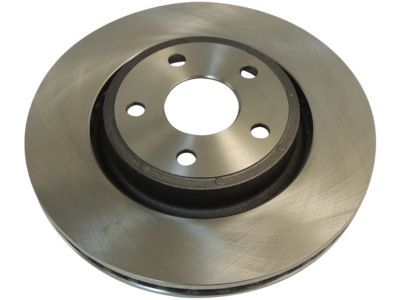
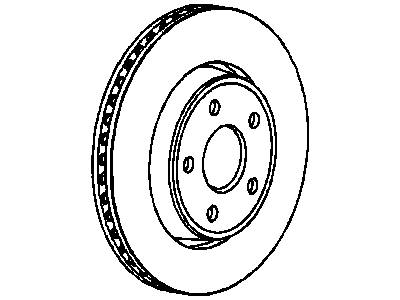
Jeep Grand Cherokee Front Brake Rotor
Part Number: 68035012AB$154.13 MSRP: $229.00You Save: $74.87 (33%)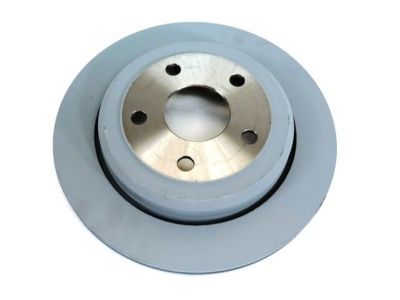
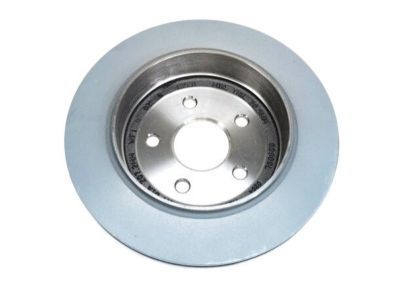
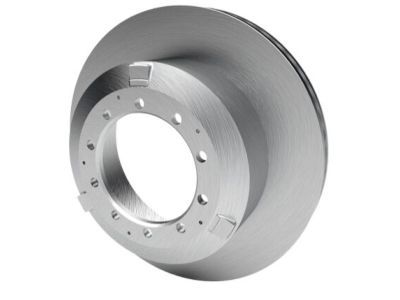
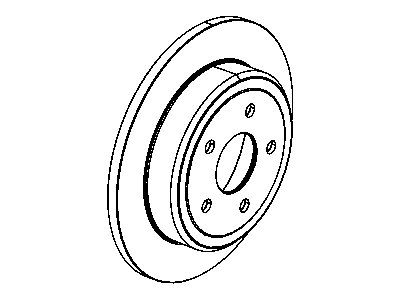
Jeep Grand Cherokee Rear Brake Rotor
Part Number: 68035022AB$141.75 MSRP: $210.00You Save: $68.25 (33%)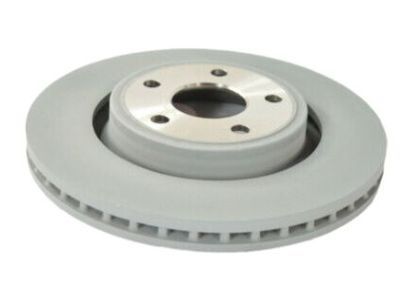
Jeep Grand Cherokee Front Brake Rotor
Part Number: 68035012AD$154.13 MSRP: $229.00You Save: $74.87 (33%)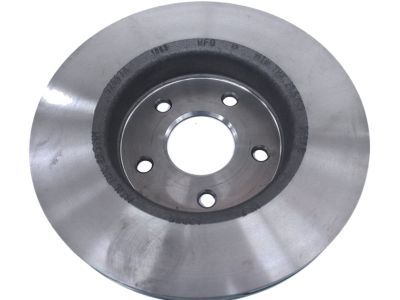
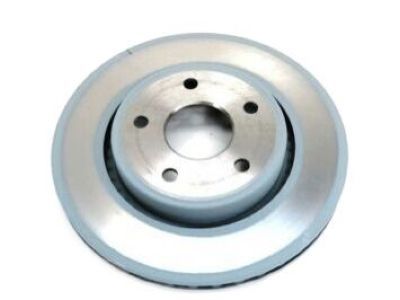
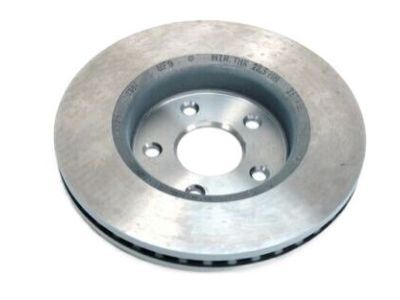
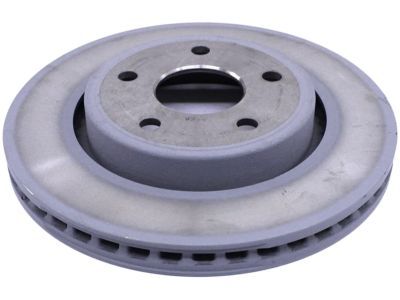
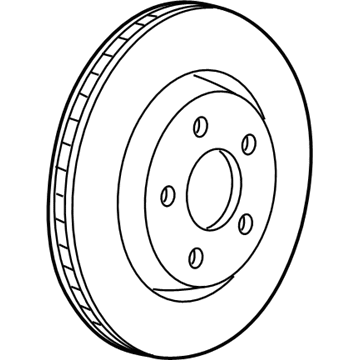
Jeep Grand Cherokee Front Brake Rotor
Part Number: 52089269AB$124.88 MSRP: $185.00You Save: $60.12 (33%)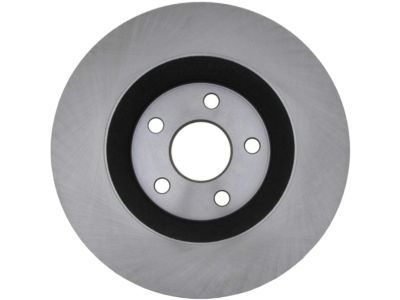
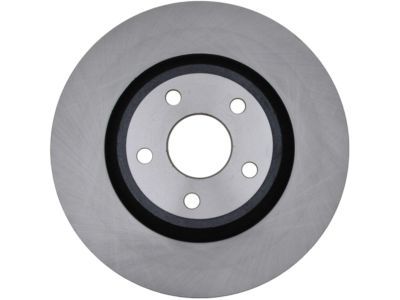
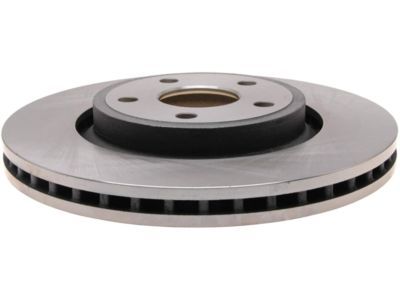
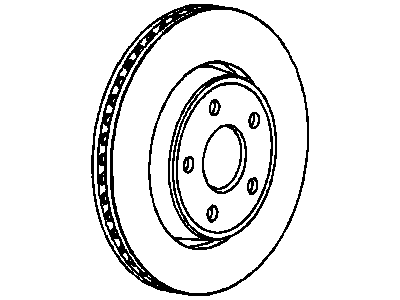
Jeep Grand Cherokee Front Brake Rotor
Part Number: 2AMV5012AD$108.84 MSRP: $129.00You Save: $20.16 (16%)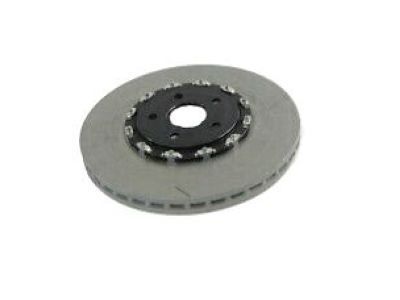
Jeep Grand Cherokee Brake Rotor
Part Number: 68305562AB$1133.00 MSRP: $1720.00You Save: $587.00 (35%)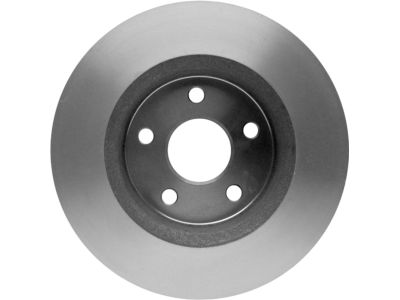
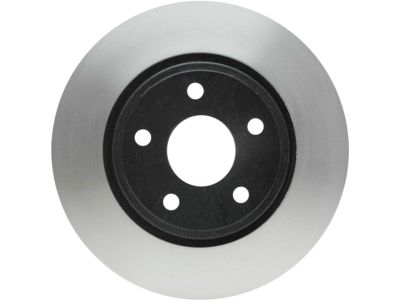
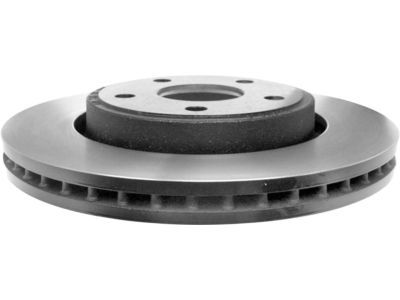
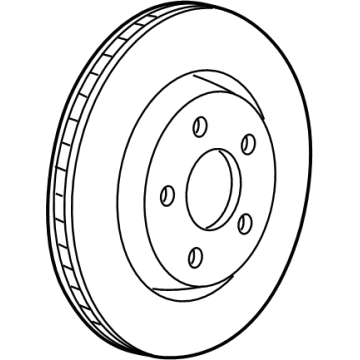
Jeep Grand Cherokee Front Brake Rotor
Part Number: 2AMV9269AB$79.38 MSRP: $139.00You Save: $59.62 (43%)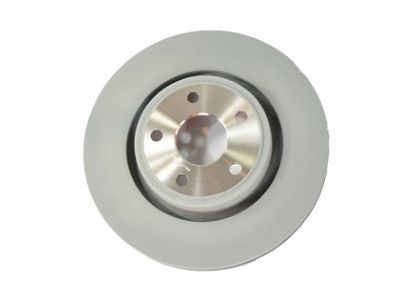
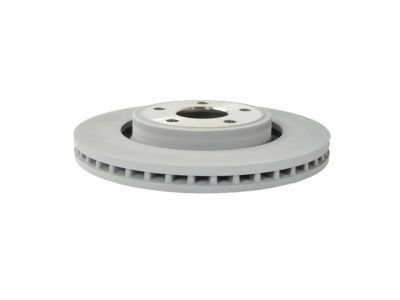
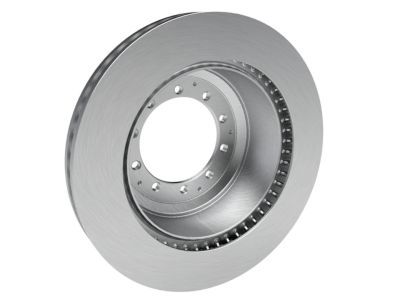
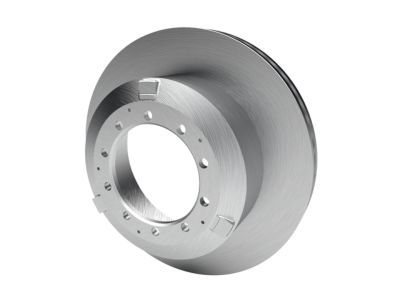
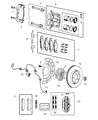
Jeep Grand Cherokee Disc Brake Rotor Front
Part Number: 68035012AE$154.13 MSRP: $229.00You Save: $74.87 (33%)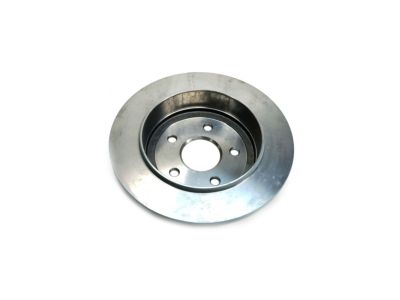
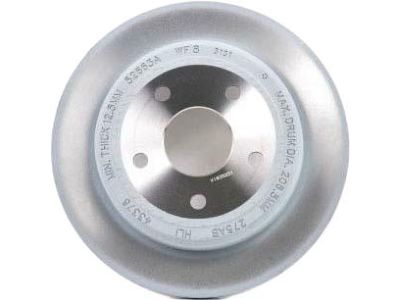
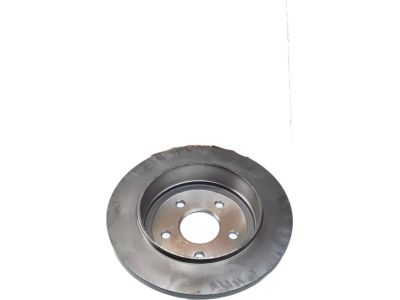
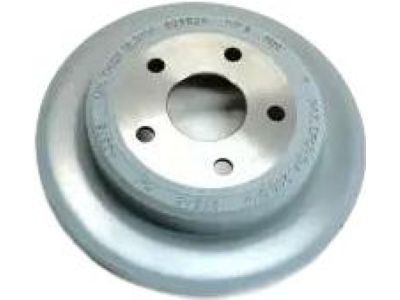
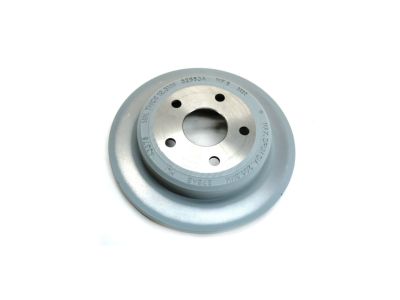
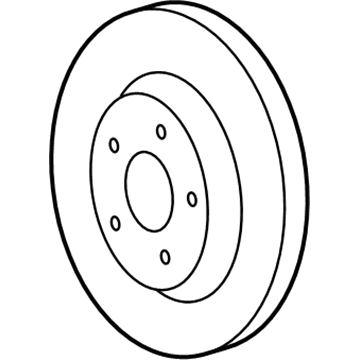
Jeep Grand Cherokee Rear Brake Rotor
Part Number: 52089275AB$103.89 MSRP: $177.00You Save: $73.11 (42%)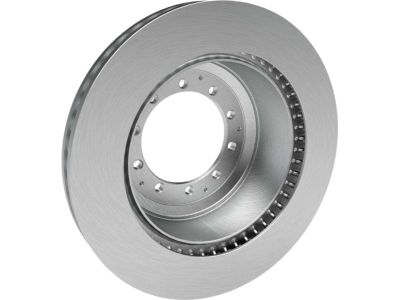
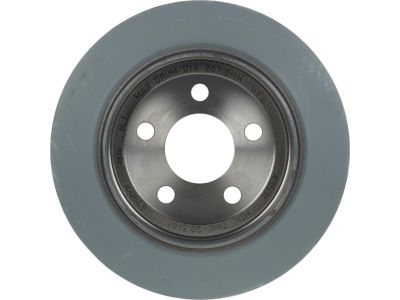
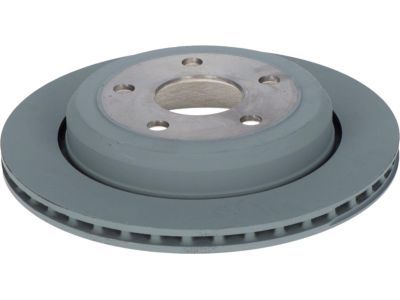
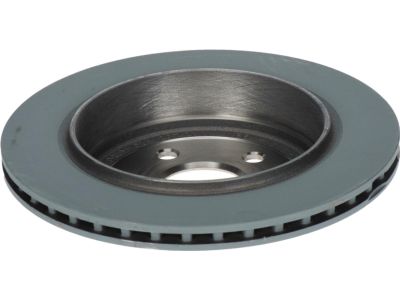
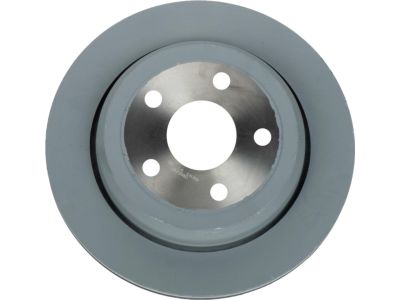
Jeep Grand Cherokee Rear Brake Rotor
Part Number: 68035022AD$141.75 MSRP: $210.00You Save: $68.25 (33%)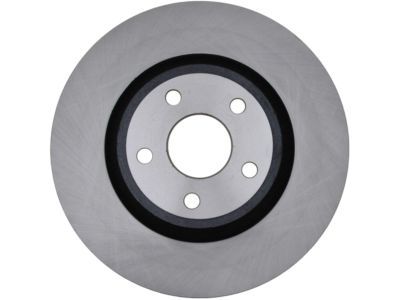
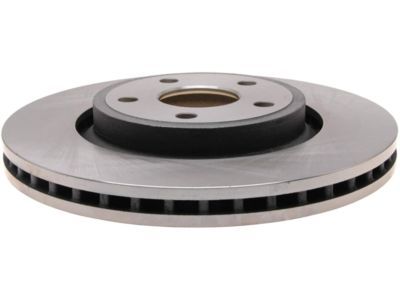
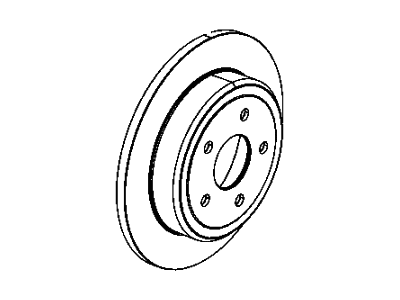
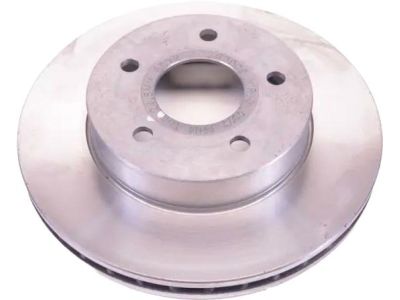
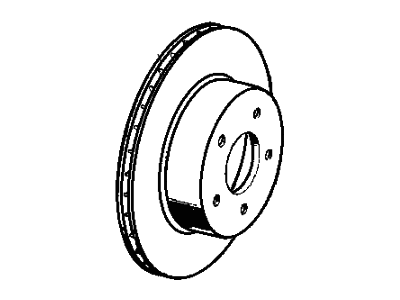
Jeep Grand Cherokee Front Disc Brake Rotor
Part Number: 2AMV8672AA$99.56 MSRP: $118.00You Save: $18.44 (16%)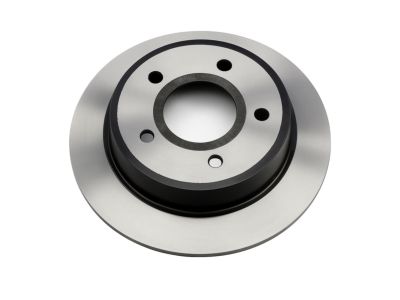
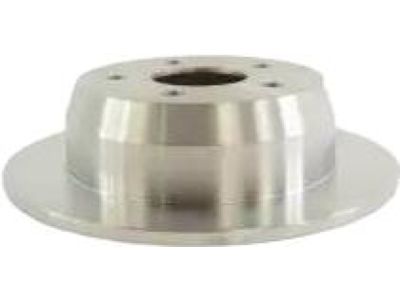
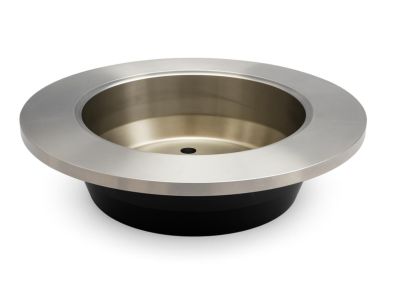
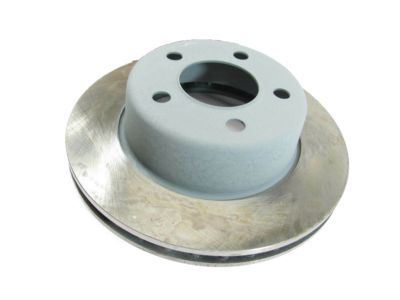
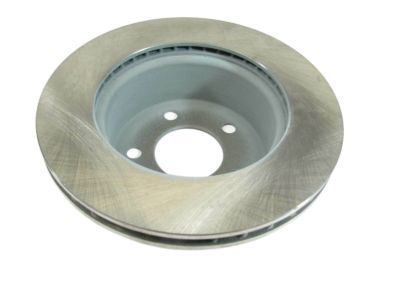
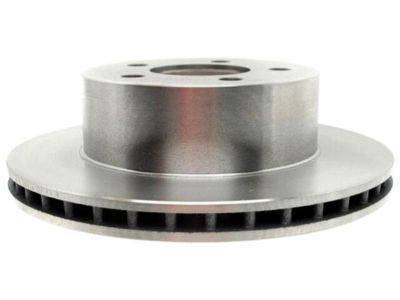
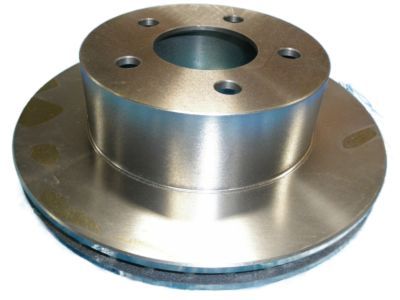
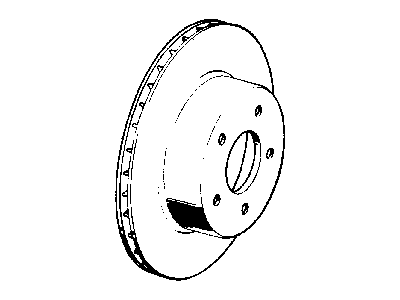
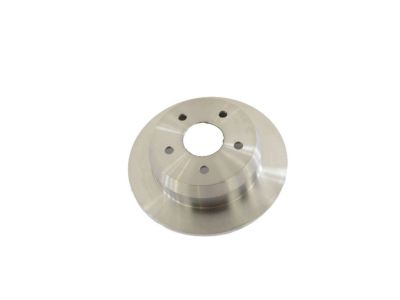
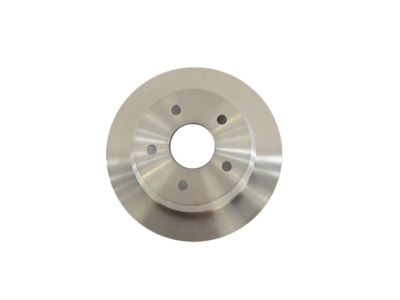
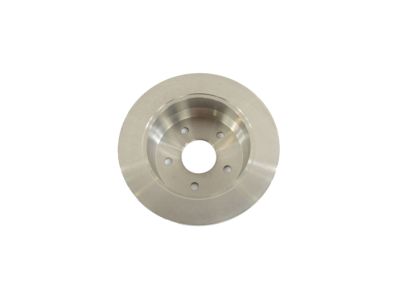
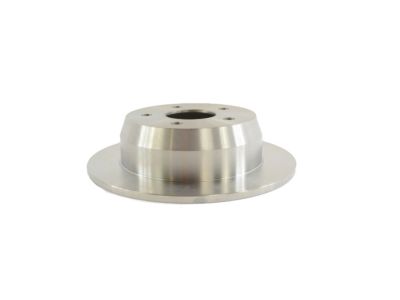
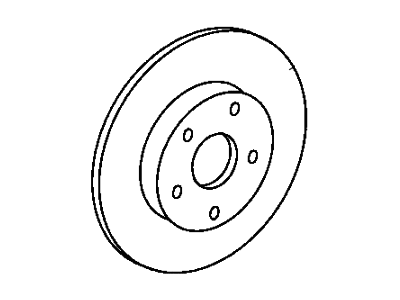
Jeep Grand Cherokee Rear Disc Brake Rotor
Part Number: 2AMV8666AA$56.42 MSRP: $97.20You Save: $40.78 (42%)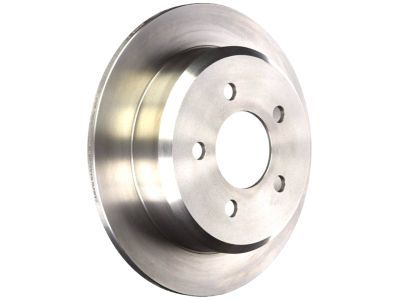
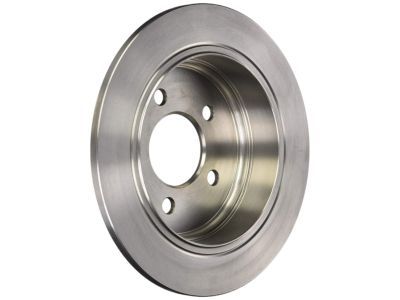
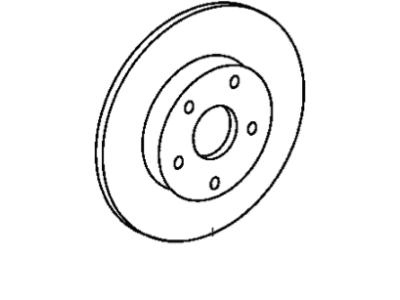
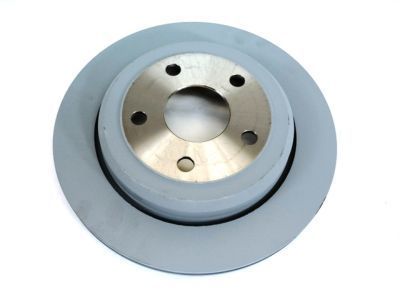
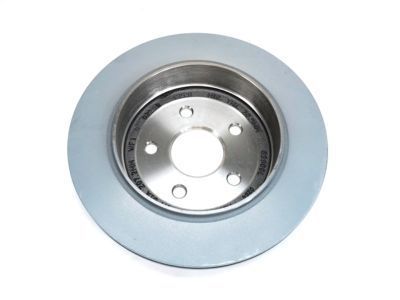
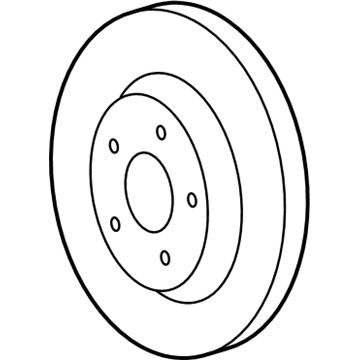
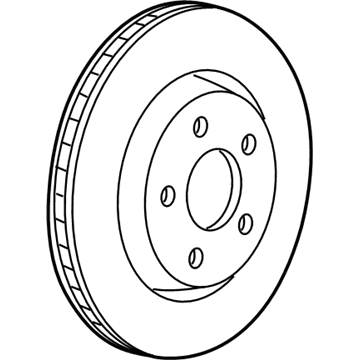
Jeep Grand Cherokee Front Brake Rotor
Part Number: 68256678AB$937.20 MSRP: $1420.00You Save: $482.80 (34%)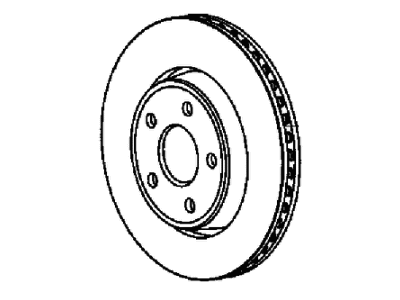
Jeep Grand Cherokee Front Brake Rotor
Part Number: 68256679AB$937.20 MSRP: $1420.00You Save: $482.80 (34%)
| Page 1 of 4 |Next >
1-20 of 66 Results
Jeep Grand Cherokee Brake Disc
Brake Disc is one of the Jeep Grand Cherokee auto parts that is situated on the disc brake and is responsible for offering the friction surface on which brake pad works. When the brakes are applied, hydraulic pressure pushes the caliper into the pads and cause them to grip the rotor reducing the speed or halting the vehicle. The Jeep Grand Cherokee models use a range of rotors, these can be standard and vented with the later one being equipped with special fins for better cooling. Through the years, the Jeep Grand Cherokee featured several upgrades on the rotor whereby one can even get the standard cast iron or opt for the composite cast iron and steel types. It is all about preservation, because the rotors sometimes may function with vast deviations from ideal, including warping, scoring and excessive runout, which imposes a negative impact on their braking ability. It has been established that the proper operation of the Jeep Grand Cherokee vehicles greatly benefit from constant inspection and timely replacement of the Brake Disc.
Looking for affordable and high-quality auto parts? Then you have already arrived at the proper online shop. We offer all Jeep Grand Cherokee Brake Disc at great affordable prices. Moreover, all genuine Jeep Grand Cherokee Brake Disc come with a manufacturer's warranty. In the long run, you would realize you have saved a lot of trouble and money with OEM parts from here.
Jeep Grand Cherokee Brake Disc Parts Questions & Experts Answers
- Q:How to properly inspect and replace a brake disc on Jeep Grand Cherokee?A:Loosen the wheel lug nuts, raise the vehicle, and support it securely on jackstands while applying the parking brake, then remove the wheels. Visually inspect the disc surface for score marks and other damage; severe wear indicates the disc must be replaced, while light scratches and shallow grooves are normal and won't affect brake operation. To check disc runout, place a dial indicator about 1/2-inch from the outer edge of the disc, install the lug nuts with flat sides facing in, and tighten them securely. Set the indicator to zero and turn the disc, ensuring the reading does not exceed the runout limit; if it does, the disc should be refinished, or alternatively, deglazed with sandpaper or emery cloth. The disc must not be machined to a thickness less than the specified minimum thickness, which is cast into the disc, and can be checked with a micrometer at several points. Remove the Brake Caliper without disconnecting the brake hose and hang it out of the way, then take off the caliper mounting bracket retained by two bolts. Remove the lug nuts and pull the disc off the hub, cutting off any retainers holding the disc in place if necessary. Installation is the reverse of removal, ensuring the caliper mounting bracket fasteners are tightened to the specified torque, followed by lowering the vehicle and tightening the wheel lug nuts to the appropriate torque.
Related Jeep Grand Cherokee Parts
 Jeep Grand Cherokee Brake Line
 Jeep Grand Cherokee ABS Control Module
 Jeep Grand Cherokee Parking Brake Cable
 Jeep Grand Cherokee Speed Sensor
 Jeep Grand Cherokee Brake Pad
 Jeep Grand Cherokee Brake Master Cylinder
 Jeep Grand Cherokee Brake Bleeder Screw
 Jeep Grand Cherokee Brake Caliper Bracket
 Jeep Grand Cherokee Parking Brake Shoe
 Jeep Grand Cherokee Brake Proportioning Valve
 Jeep Grand Cherokee Wheel Cylinder
Browse by Year
2025 Brake Disc 2024 Brake Disc 2023 Brake Disc 2022 Brake Disc 2021 Brake Disc 2020 Brake Disc 2019 Brake Disc 2018 Brake Disc 2017 Brake Disc 2016 Brake Disc 2015 Brake Disc 2014 Brake Disc 2013 Brake Disc 2012 Brake Disc 2011 Brake Disc 2010 Brake Disc 2009 Brake Disc 2008 Brake Disc 2007 Brake Disc 2006 Brake Disc 2005 Brake Disc 2004 Brake Disc 2003 Brake Disc 2002 Brake Disc 2001 Brake Disc 2000 Brake Disc 1999 Brake Disc 1998 Brake Disc 1997 Brake Disc 1996 Brake Disc 1995 Brake Disc 1994 Brake Disc 1993 Brake Disc