
My Garage
My Account
Cart
Genuine Jeep Grand Cherokee Brake Line
Brake Hose- Select Vehicle by Model
- Select Vehicle by VIN
Select Vehicle by Model
orMake
Model
Year
Select Vehicle by VIN
For the most accurate results, select vehicle by your VIN (Vehicle Identification Number).
144 Brake Lines found
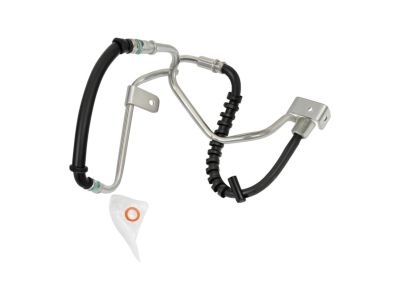
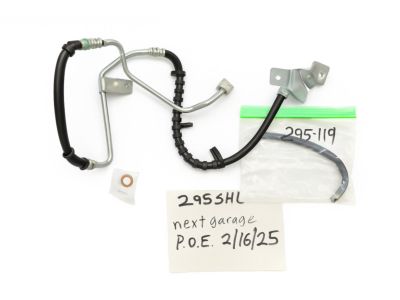
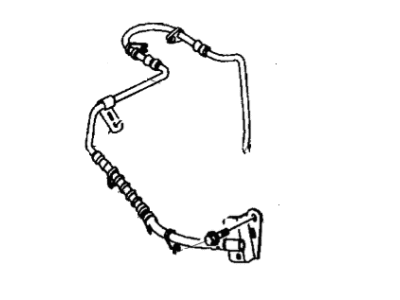
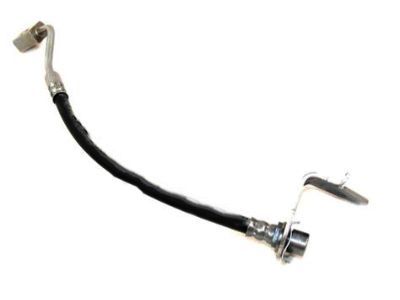
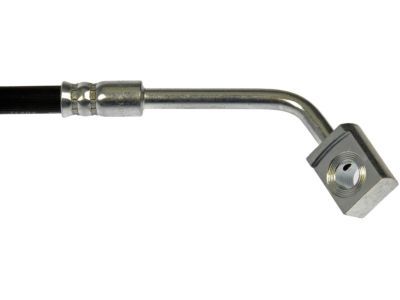
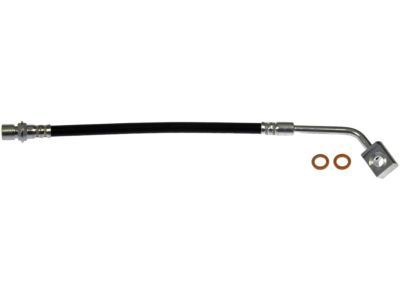
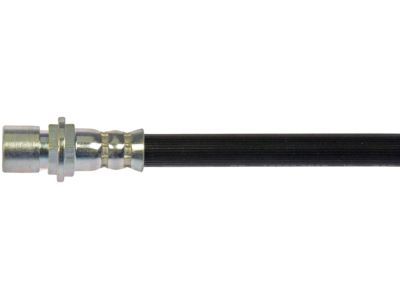
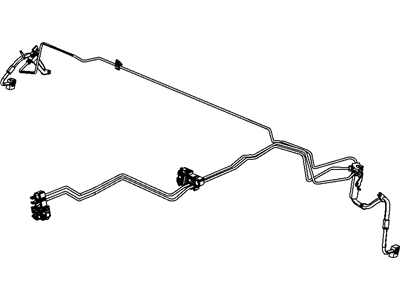
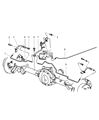
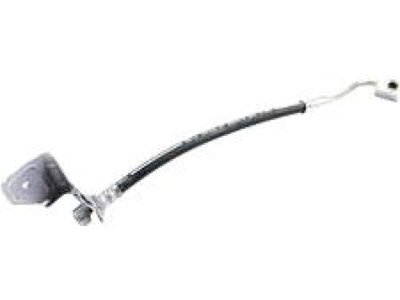
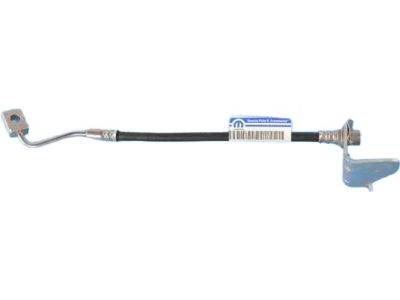
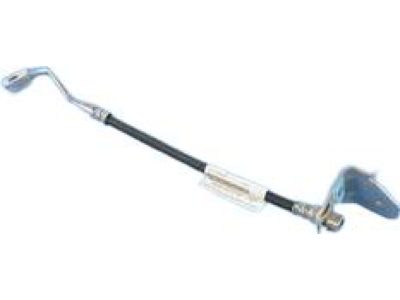
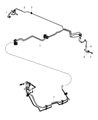
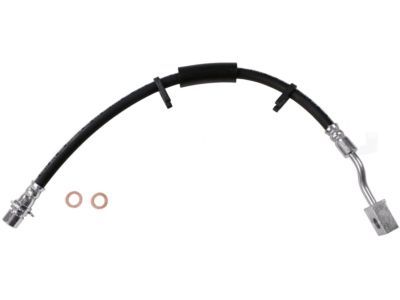
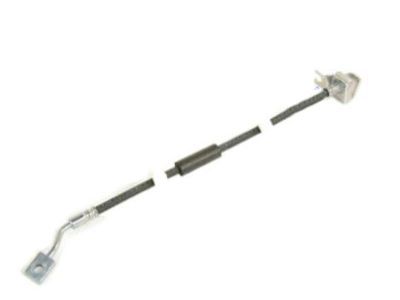
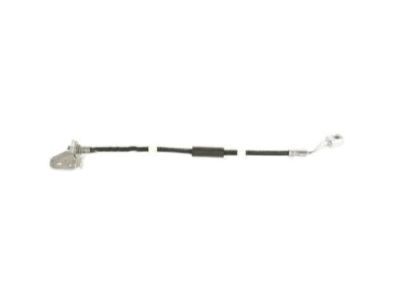
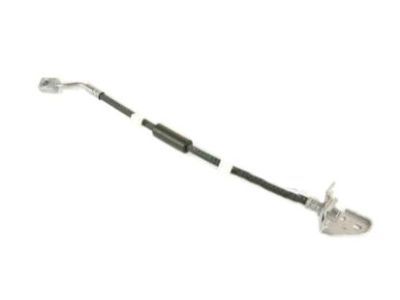
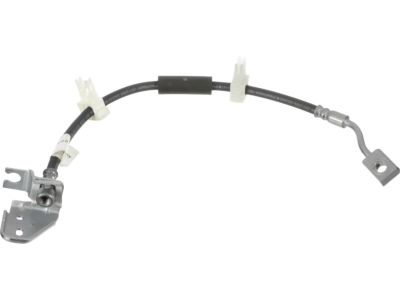
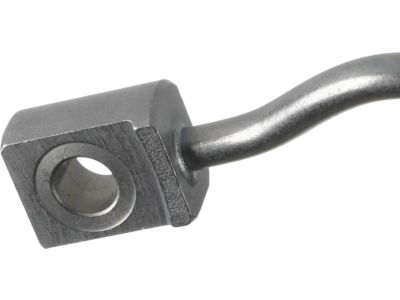
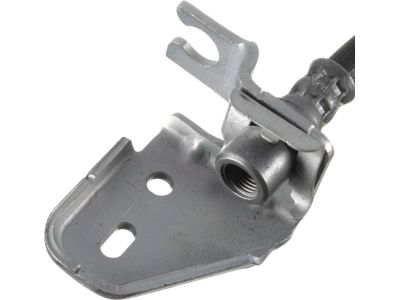
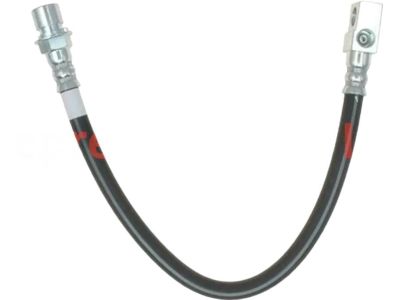
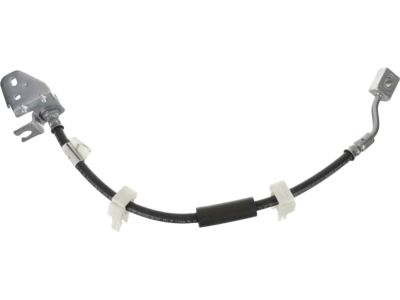
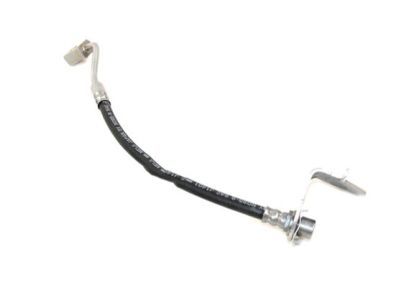
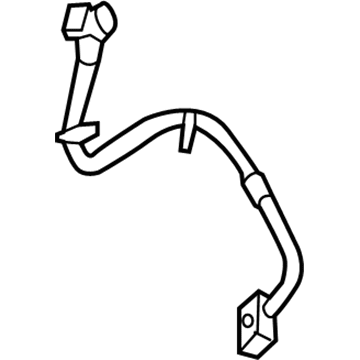
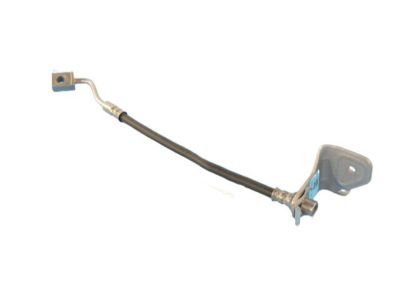
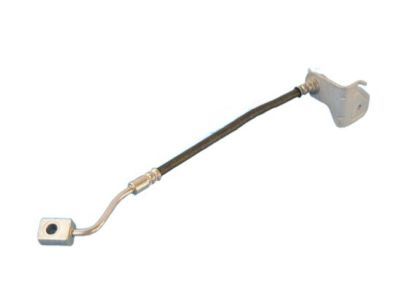
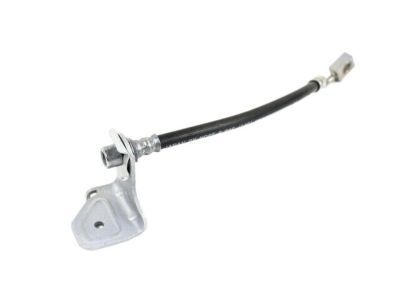
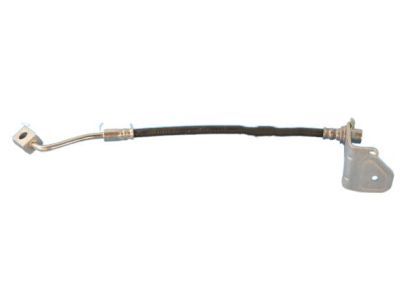
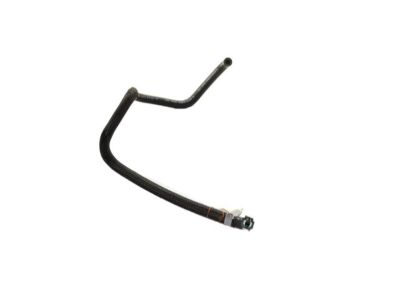
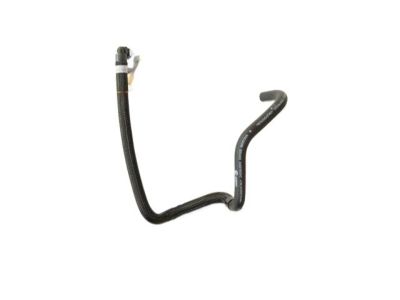
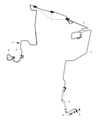
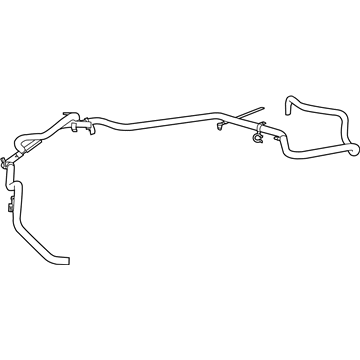
Jeep Grand Cherokee Brake Booster Vacuum Hose
Part Number: 4581952AC$30.78 MSRP: $45.30You Save: $14.52 (33%)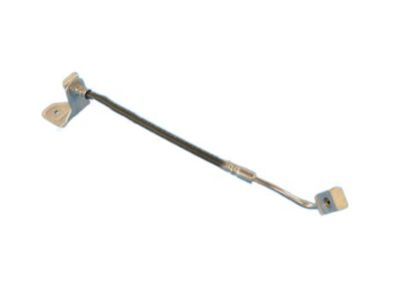
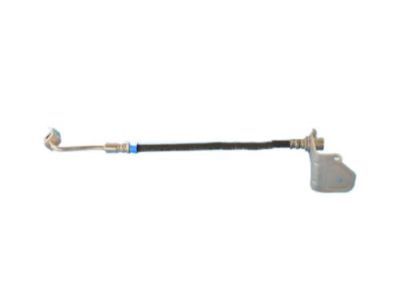
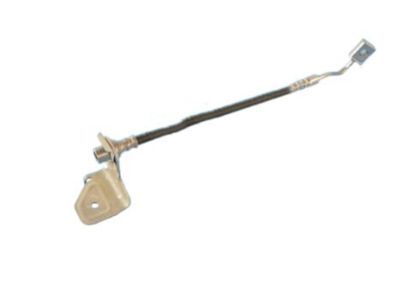
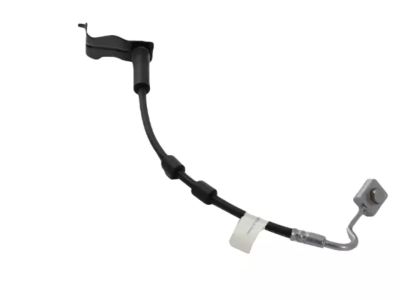
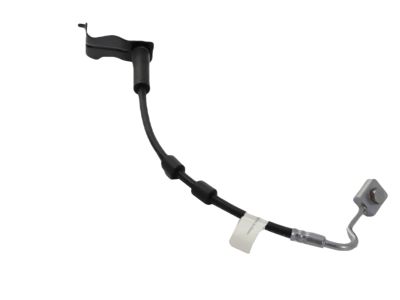
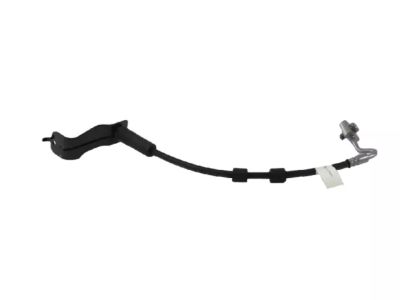
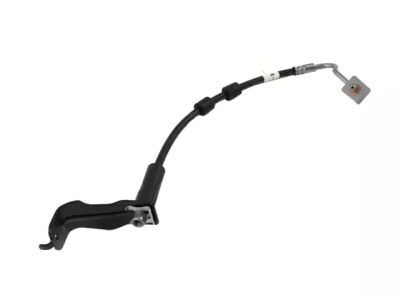
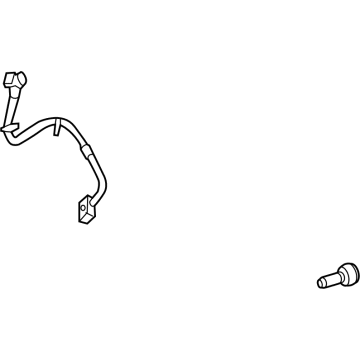
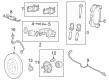
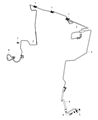
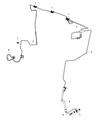
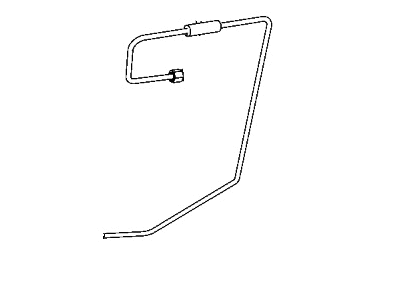
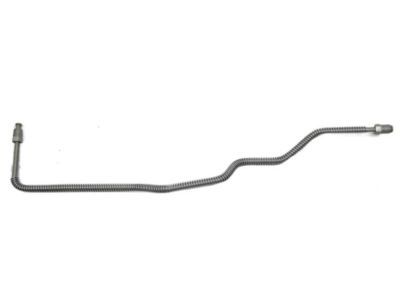
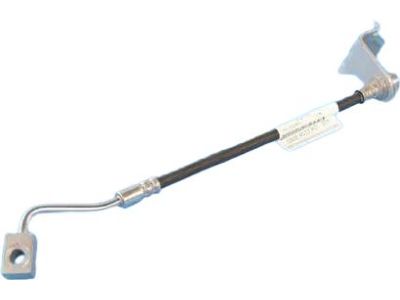
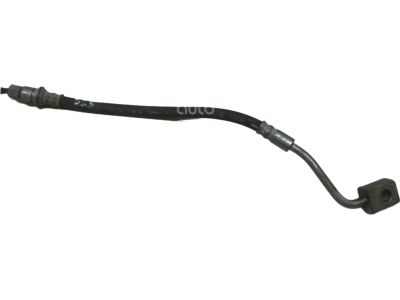
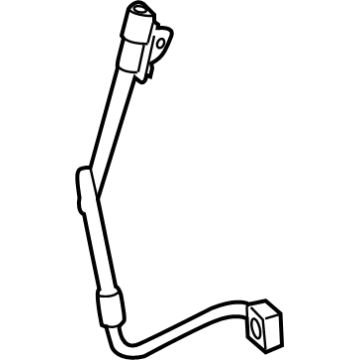
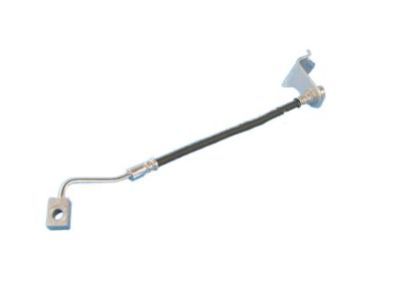
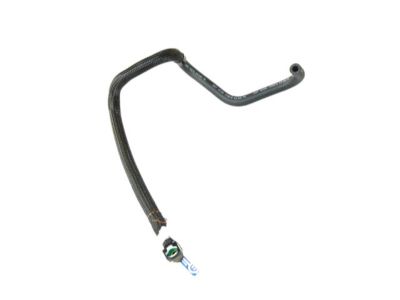
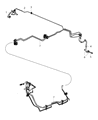
Jeep Grand Cherokee Brake Tube Assembly
Part Number: 52124731AE$14.10 MSRP: $20.40You Save: $6.30 (31%)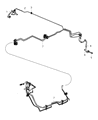
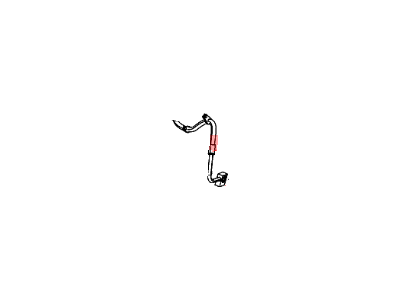
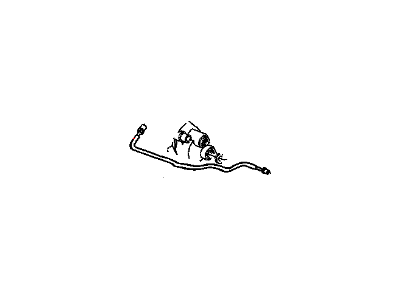
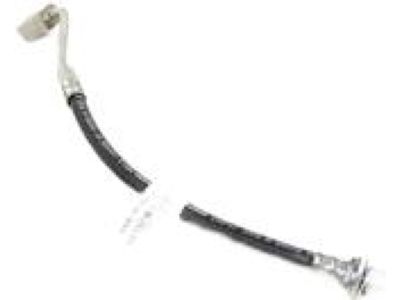
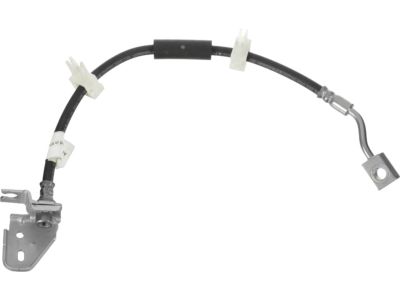
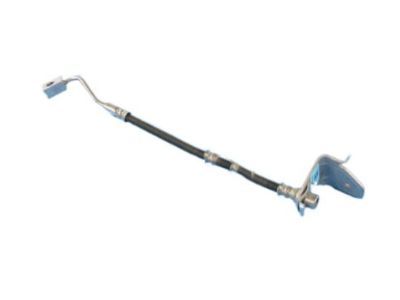
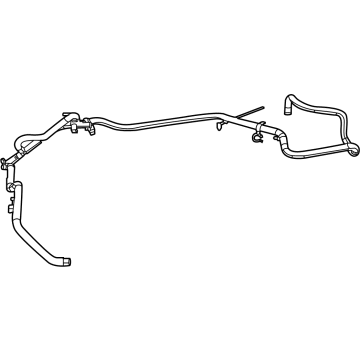
Jeep Grand Cherokee Brake Booster Vacuum Hose
Part Number: 4581971AF$56.76 MSRP: $84.40You Save: $27.64 (33%)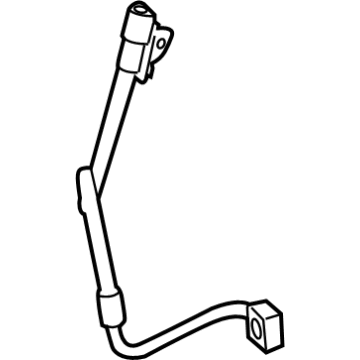
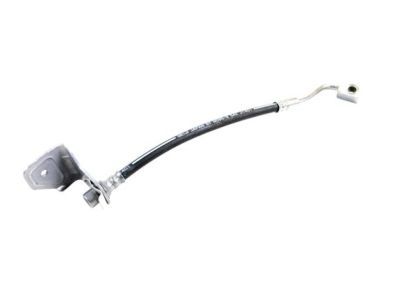
Jeep Grand Cherokee Brake Booster Vacuum Hose
Part Number: 68305881AC$131.98 MSRP: $197.00You Save: $65.02 (34%)
| Page 1 of 8 |Next >
1-20 of 144 Results
Jeep Grand Cherokee Brake Line
The Brake Line, Inside the Jeep Grand Cherokee, the brake line provides the structural path for moving the brake fluid from the master cylinder to the brake caliper pistons in order to activate the hydraulic braking system. This system helps in stopping or slowing down when the brake pedal is pressed easily. Through the years, Jeep Grand Cherokee models have adopted several forms of Brake Line such as the metallic brake lines and the rubber brake hoses. Brake line uses metals that corrode over time especially in cold climate causing the formation of rust which results in leakage of brake fluid and the consequent loss of hydraulic pressure. On the other hand, rubber brake hoses are capable of experiencing physical deterioration, deterioration on the inner lining or improper fitment which in turn compromises on their performance. The performance is further improved if Brake Lines are upgraded to braided stainless steel and this will enhance the feel and sensitivity of the pedal in particularly when one is aggressive on the wheels. Jeep Grand Cherokee owners can also get from durable corrosion resistant brake line kits as well as pre bent brake line kits for easier installations and quality repairs.
Looking for affordable and high-quality auto parts? Then you have already arrived at the proper online shop. We offer all Jeep Grand Cherokee Brake Line at great affordable prices. Moreover, all genuine Jeep Grand Cherokee Brake Line come with a manufacturer's warranty. In the long run, you would realize you have saved a lot of trouble and money with OEM parts from here.
Jeep Grand Cherokee Brake Line Parts Questions & Experts Answers
- Q:How should you inspect and replace brake hoses and metal brake lines on Jeep Grand Cherokee?A:Whenever the vehicle is raised and supported securely on jackstands, inspect the rubber hoses connecting the steel brake lines with the front and rear brake assemblies for cracks, chafing, leaks, blisters, and other damage, as these are crucial components of the brake system. A light and mirror can aid in a thorough check, and any hose showing signs of wear should be replaced immediately. To replace a flexible hose, clean all dirt from the hose fittings, then use a flare-nut wrench to disconnect the metal brake line from the hose fitting, taking care not to bend the line. If the threaded fitting is corroded, apply penetrating oil and allow it to soak before attempting to loosen it. Disconnect the brake hose from the frame or bracket by removing the mounting fastener, and plug the metal line to prevent leakage. Unscrew the banjo bolt at the caliper to remove the hose, discarding the sealing washers. Attach the new brake hose to the caliper using new sealing washers and tighten the banjo bolt to the specified torque. Route the hose fitting into the frame or bracket as the original and secure it with the mounting fastener, then thread the metal line to the hose and tighten the fitting nut securely. Ensure that suspension or steering components do not contact the hose by having an assistant push down on the vehicle while observing for interference, and if replacing a front hose, check that it does not interfere with the steering linkage or knuckle during lock-to-lock turns. After installation, bleed the brakes, check the master cylinder fluid level, and add fluid as necessary, then carefully test brake operation before returning the vehicle to normal service. When replacing metal brake lines, use the correct parts, avoiding copper tubing, and purchase steel brake lines from a dealer or auto parts store. Prefabricated brake lines with flared ends and installed fittings are available, and if bending is necessary, use a tubing bender to prevent kinking. Ensure the new line is well supported in brackets with adequate clearance from moving or hot components, and tighten the fittings securely. After installation, check the master cylinder fluid level, add fluid as needed, bleed the brakes, and test brake operation before resuming normal use.
Related Jeep Grand Cherokee Parts
 Jeep Grand Cherokee ABS Control Module
 Jeep Grand Cherokee Parking Brake Cable
 Jeep Grand Cherokee Speed Sensor
 Jeep Grand Cherokee Brake Pad
 Jeep Grand Cherokee Brake Master Cylinder
 Jeep Grand Cherokee Brake Disc
 Jeep Grand Cherokee Brake Bleeder Screw
 Jeep Grand Cherokee Brake Caliper Bracket
 Jeep Grand Cherokee Brake Fluid Level Sensor
 Jeep Grand Cherokee Parking Brake Shoe
 Jeep Grand Cherokee Brake Proportioning Valve
 Jeep Grand Cherokee Wheel Cylinder
Browse by Year
2025 Brake Line 2024 Brake Line 2023 Brake Line 2022 Brake Line 2021 Brake Line 2020 Brake Line 2019 Brake Line 2018 Brake Line 2017 Brake Line 2016 Brake Line 2015 Brake Line 2014 Brake Line 2013 Brake Line 2012 Brake Line 2011 Brake Line 2010 Brake Line 2009 Brake Line 2008 Brake Line 2007 Brake Line 2006 Brake Line 2005 Brake Line 2004 Brake Line 2003 Brake Line 2002 Brake Line 2001 Brake Line 2000 Brake Line 1999 Brake Line 1998 Brake Line 1997 Brake Line 1996 Brake Line 1995 Brake Line 1994 Brake Line 1993 Brake Line