
My Garage
My Account
Cart
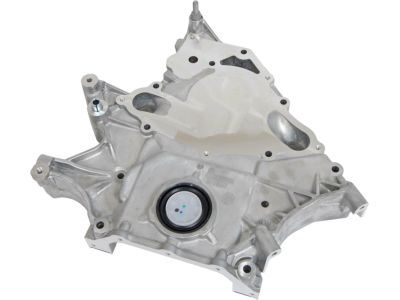
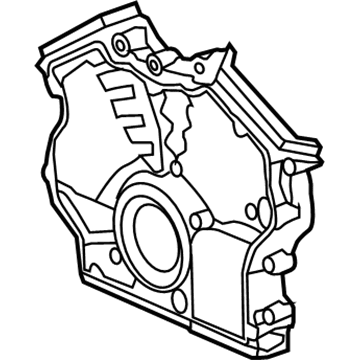
Genuine Jeep Timing Cover
Engine Timing Cover- Select Vehicle by Model
- Select Vehicle by VIN
Select Vehicle by Model
orMake
Model
Year
Select Vehicle by VIN
For the most accurate results, select vehicle by your VIN (Vehicle Identification Number).
98 Timing Covers found
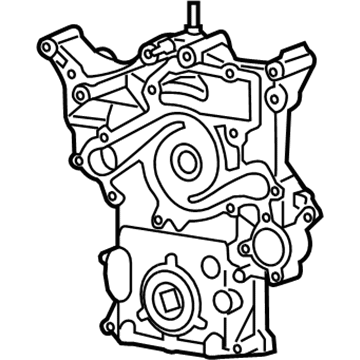
 Product Specifications
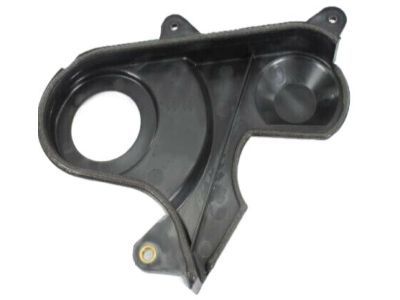
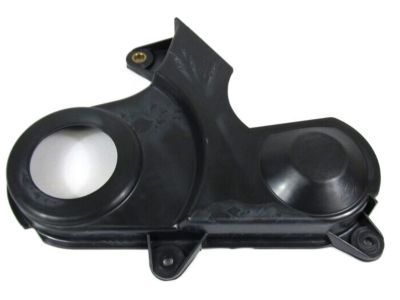
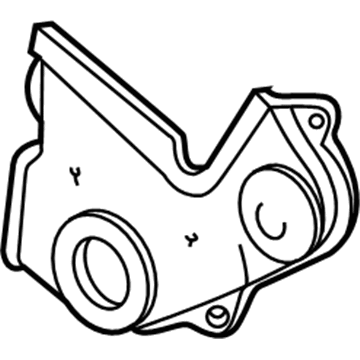
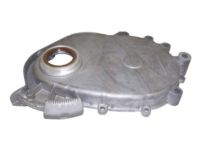
- Other Name: Cover-Timing Case; Front Cover, Timing Cover
- Replaces: 68416971AA, 53022096AI, 4893864AA, 53022096AH
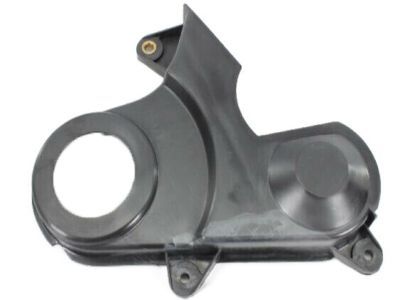
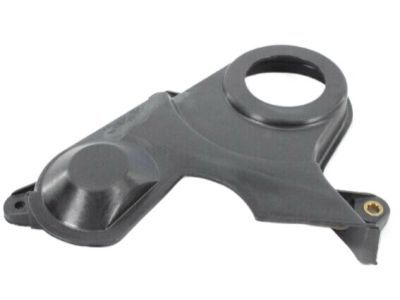
 Product Specifications
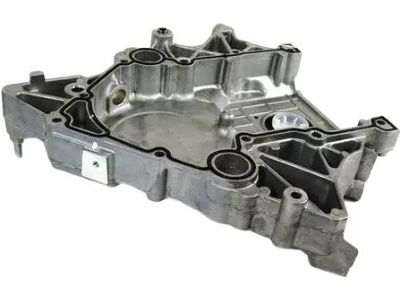
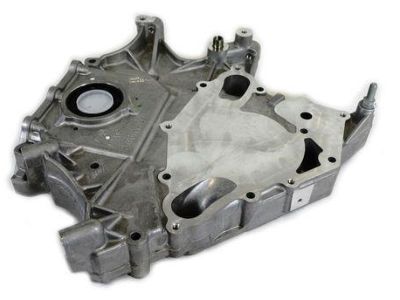
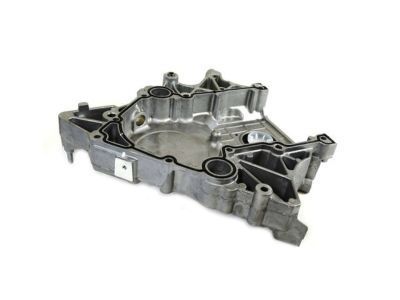
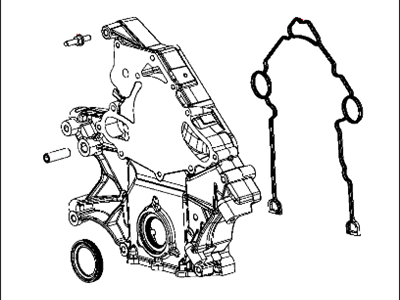
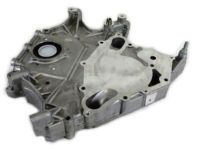
- Other Name: Cover Timing Belt; Front Cover, Lower Cover, Outer Timing Cover
 Product Specifications
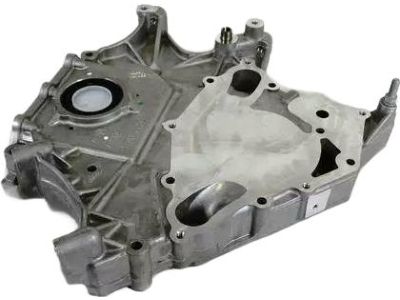
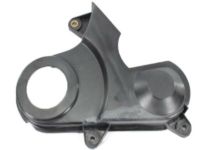
- Other Name: Cover Timing Case
- Replaced by: 68416971AB
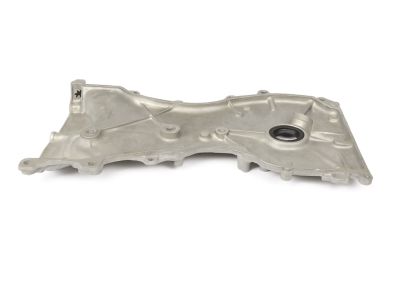
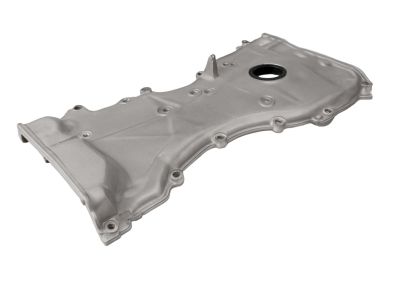
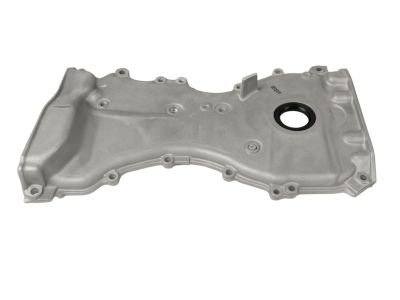
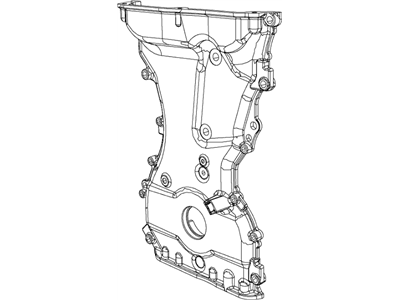
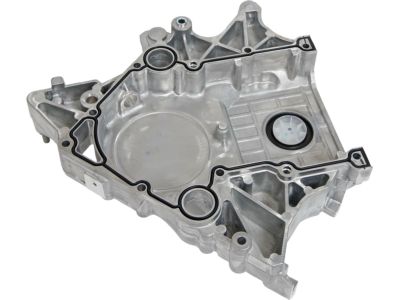
 Product Specifications
- Other Name: Cover Timing Case
- Replaced by: 4884466AF
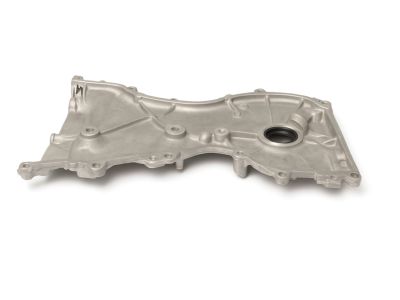
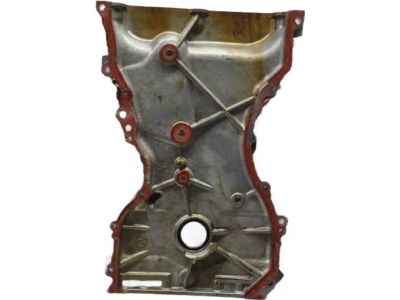
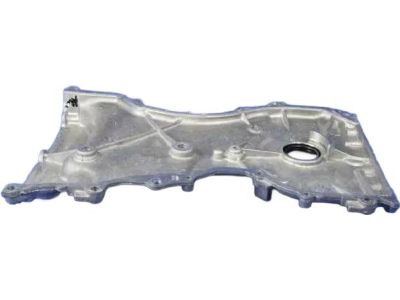
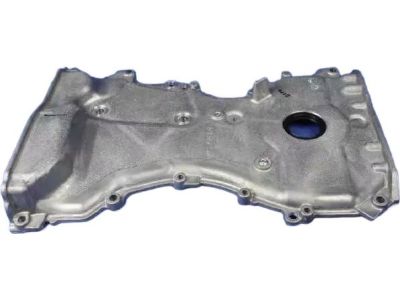
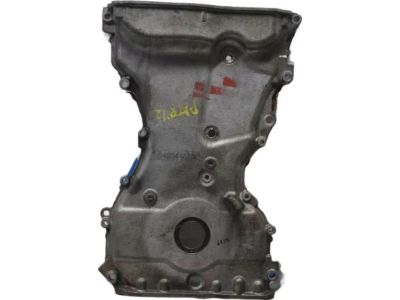
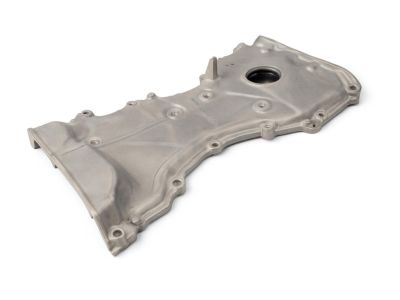
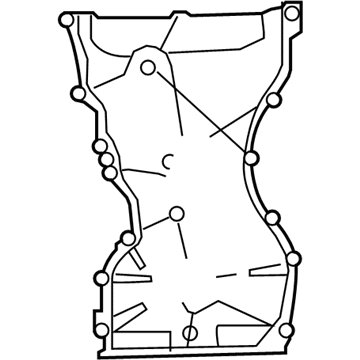
 Product Specifications
- Other Name: Cover Timing Case
- Replaced by: 4884466AF
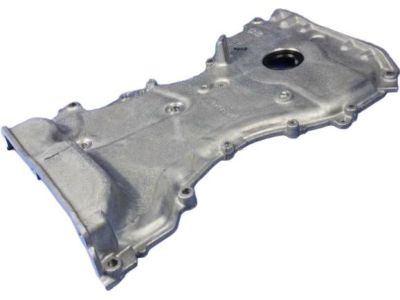
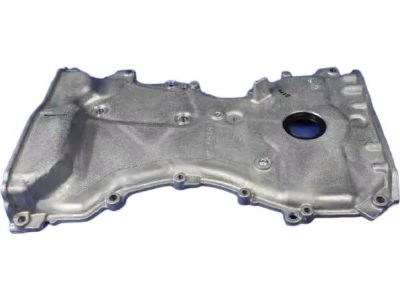
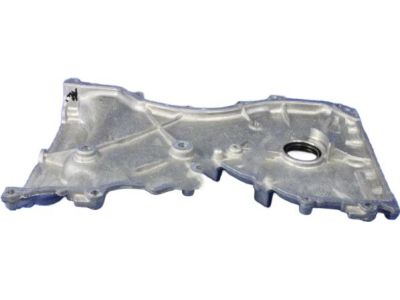
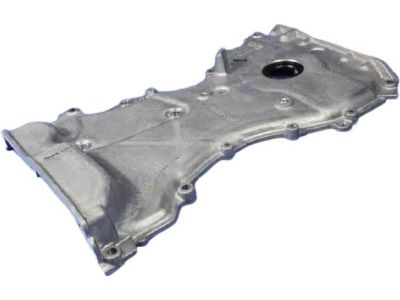
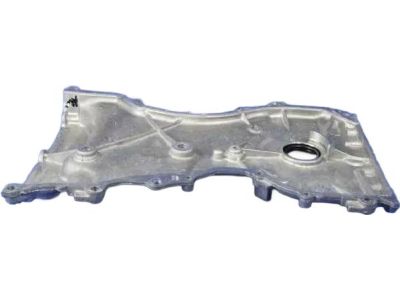
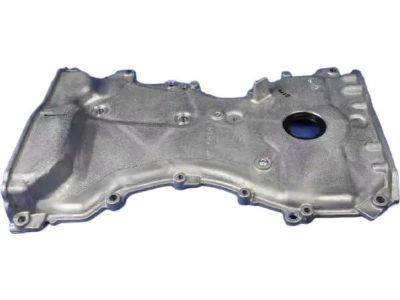
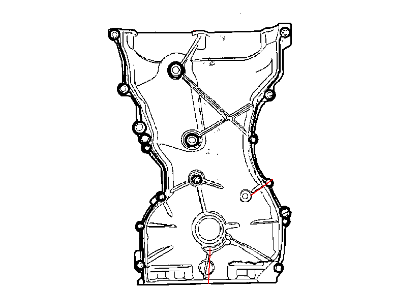
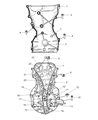 Product Specifications
- Other Name: Cover Timing Case
- Replaced by: 4884466AF
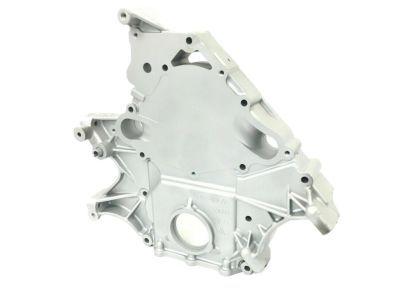
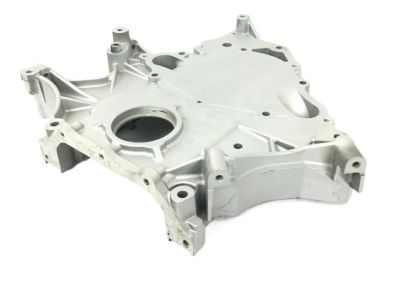
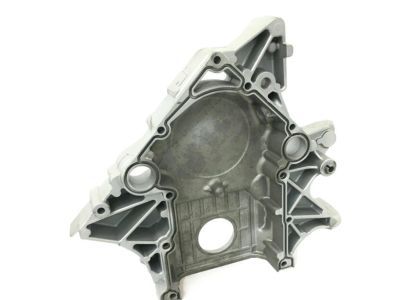
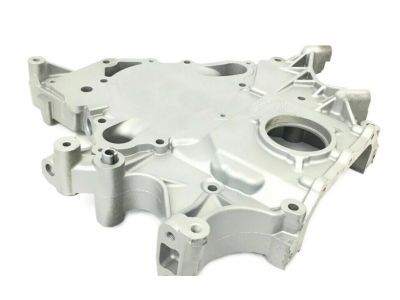
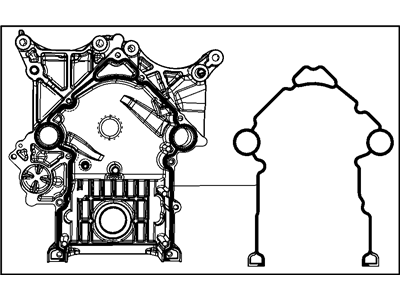
 Product Specifications
- Other Name: Cover Timing Case
- Replaced by: 68444866AA
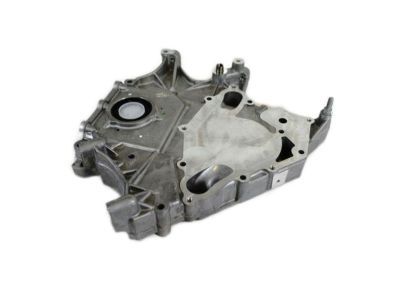
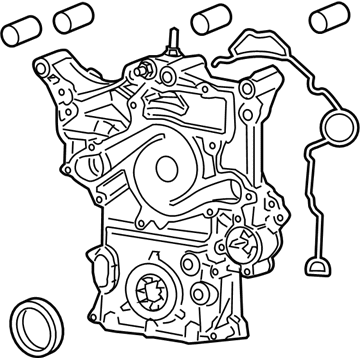
 Product Specifications
- Other Name: Cover-Timing Case
- Replaced by: 68416971AB
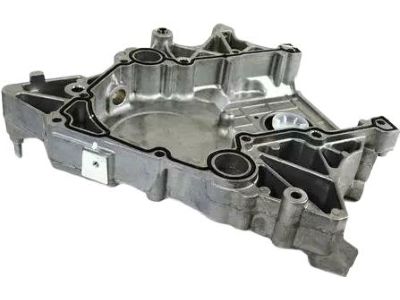
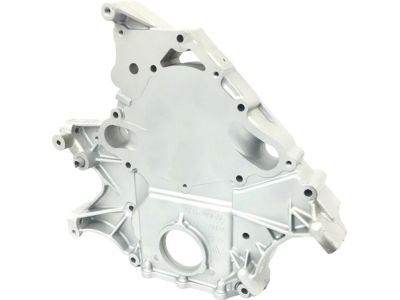
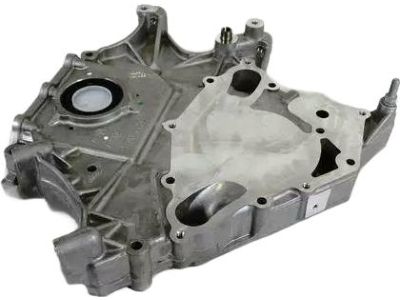
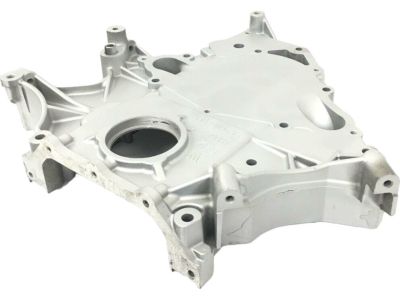
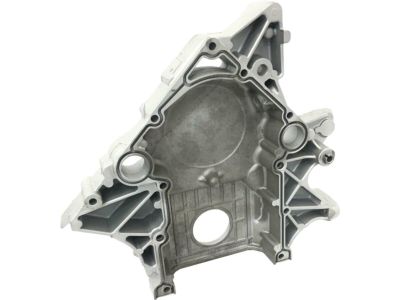
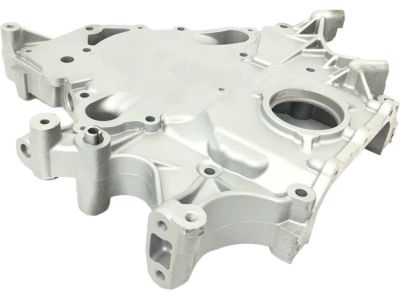
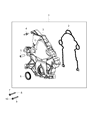 Product Specifications
- Other Name: Cover-Timing Case
- Replaced by: 68416971AB
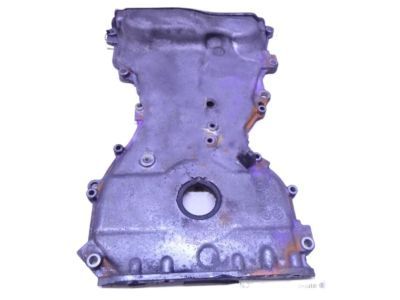
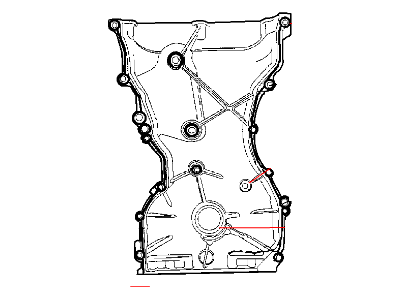
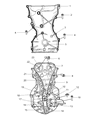 Product Specifications
- Other Name: Cover Chain Case Contains 3,5
- Replaced by: 4884466AF
 Product Specifications
- Other Name: Cover Chain Case
- Replaces: 68147512AA
 Product Specifications
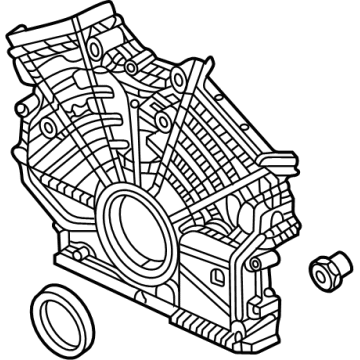
- Other Name: Cover-Chain Case; Front Cover, Lower Timing Cover
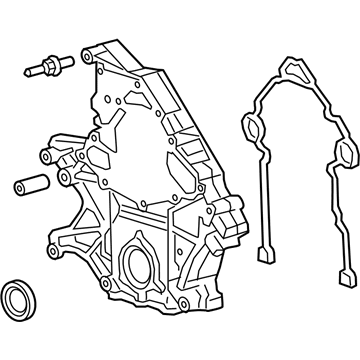
 Product Specifications
- Other Name: Cover-Timing Case; Front Cover, Timing Cover
- Replaces: 68273788AD
 Product Specifications
- Other Name: Cover Timing Case
- Replaced by: 4884466AF
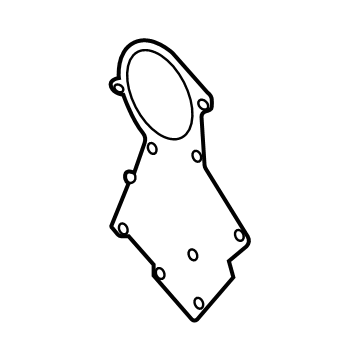 Product Specifications
- Other Name: Cover-Chain Case; Cover
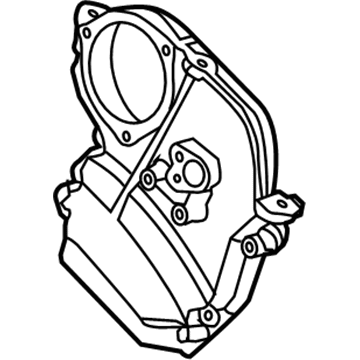
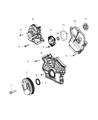 Product Specifications
- Other Name: Cover Chain Case
- Replaced by: 68289934AA
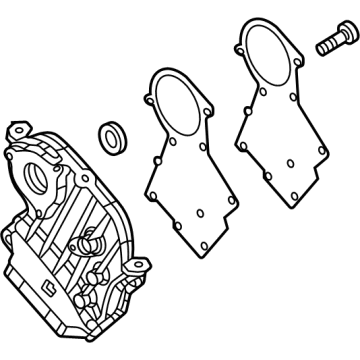 Product Specifications
- Other Name: Cover-Chain Case; Front Cover, Upper Timing Cover
- Position: Driver Side
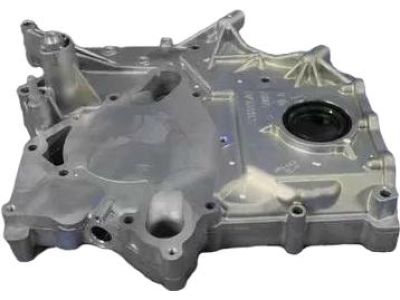
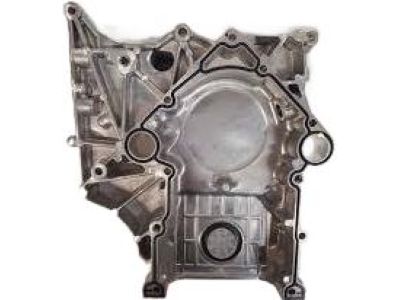
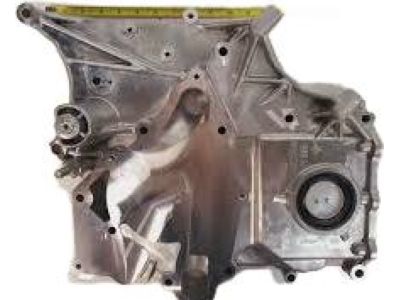
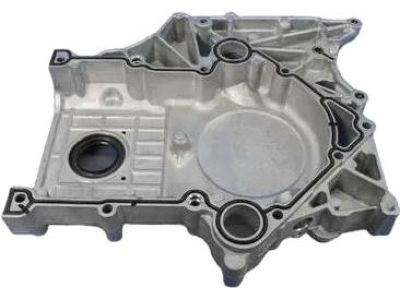
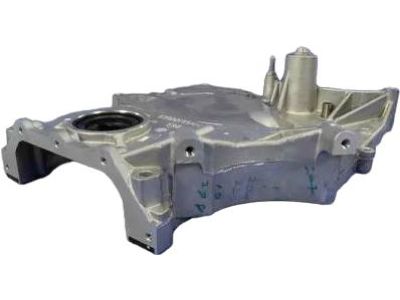
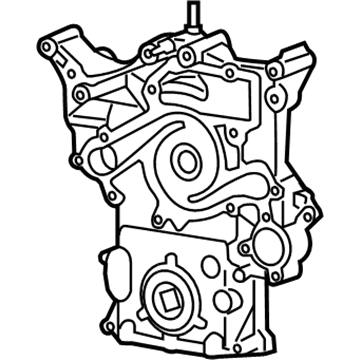
 Product Specifications
- Other Name: Cover-Timing Case; Front Cover, Timing Cover
- Replaces: 53022195AG, 53022195AL, 53022195AF, 53022195AI, 53022195AJ, 53022195AH, 53022195AK
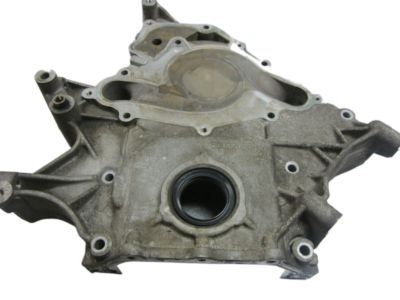
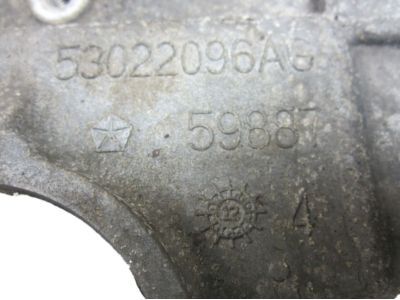
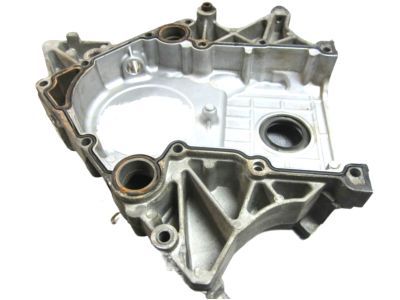
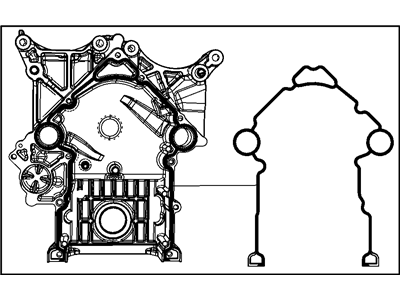
 Product Specifications
- Other Name: Cover Timing Case
- Replaced by: 68444866AA
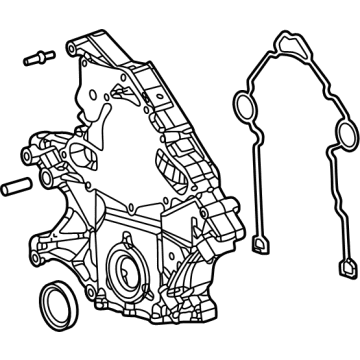
 Product Specifications
- Other Name: COVER-TIMING CASE; Front Cover, Timing Cover
| Page 1 of 5 |Next >
1-20 of 98 Results
Jeep Timing Cover
Welcome to your ultimate destination for affordable OEM Jeep Timing Covers. Here at our website, we not only provide genuine Jeep Timing Covers at unbeatable prices, but also guarantee their quality with the manufacturer's warranty. Coupled with our dedicated customer service and swift delivery, we're confident you won't find a better deal anywhere else.
Jeep Timing Cover Parts Questions & Experts Answers
- Q:How to replace the timing cover and oil pan gasket in a six-cylinder engine on Jeep Cherokee?A:Disconnect the negative cable from the battery. Remove the fan, fan shroud, radiator and water pump pulley. Remove the vibration damper. Unbolt the alternator and bracket assembly. Remove the oil pan-to-timing cover bolts and timing cover-to-engine block bolts. Separate the timing cover from the engine. Cut off the oil pan side gasket end tabs flush with the front face of the engine block. Clean the mating surfaces of the timing cover, oil pan and engine block, removing all traces of oil and old gasket material. Apply RTV sealer to both sides of the new timing cover-to-engine block gasket and position the gasket on the engine. Using the end tabs you cut off as guides, trim the replacement oil pan side gasket ends to the appropriate sizes. Apply cement to the gasket ends and install them on the exposed portions of the oil pan side rails. Using RTV sealant, generously coat the timing cover end tab recesses of the new timing cover-to-oil pan seal. Position the seal on the timing cover. Apply engine oil to the seal-to-oil pan contact surface. Position the timing cover on the engine block. Use the vibration damper to center the timing cover. Be sure the old oil seal is in place. Install the timing cover-to-block and oil pan-to-cover bolts and tighten them to the specified torque. Replace the front crankshaft oil seal. With the key inserted in the crankshaft, install the vibration damper. Reinstall the remaining components in the reverse order of removal. Run the engine and check for oil leaks.
- Q:How to remove and install Timing Chain and Timing Cover in 3.6L V6 engine on Jeep Grand Cherokee?A:Some care must be taken as the timing system is intricate, and errors in this process can be costly, and lead to ultimate engine destruction; anyone attempting this should be very experienced; otherwise professional assistance should be sought. Check all work prior to starting the engine, making sure all data are correct and correct. Valves can get damaged during this process, do not rotate the crank shaft or camshafts during this process. A few specific items are required, so as to make sure they are procured in advance. Start with the removal of the negative battery terminal, evacuation of engine coolant and oil, as well as, the removal of other components such as the drive belt, thermostat housing and power steering pump among others. Lastly, when you have ripped the valve covers, watch out for the magnetic timing wheels as these will now be open to the magnet. Continue to the oil pans and provide the engine mount crossmember to be fitted totally temporarily. With caution screw off the timing cover, thus disposing of the old gaskets. Ensure the crankshaft is tonight at TDC and camshaft phaser marks facing each other. Compact the chain tensioners and youre the timing gear splash, oil pump tensioner and sprocket. Camshaft phaser lock tools are then fitted and the oil control valve is also relieved and the timing chains removed. Check timing chain dampener for wear, clean timing chain and other related parts and in case of any damage the timings should be replaced. The method involves turning the crankshaft before starting the engine to find if the engine will resist rotation. Assemble more installation of new chain guides and cleaner gasket surfaces as well as tensioners. Ensure that the marks on the primary chain and sprockets are right before fuelling up the chain. Fit camshaft phasers and oil control valves and it is necessary to align them. Last but not the least, fit the oil pump timing chain into position and make sure all angular notches or marks will meet in the right positions before tightening remaining bolts which screw the cover back into its place, fill the engine with oil and coolant, and start the engine to check if there are still any signs of leaks.
- Q:How to remove and reinstall the timing cover on a 2.5L four-cylinder engine on Jeep Wrangler?A:Remove the vibration damper, followed by the fan and hub assembly. Take out the air conditioning compressor, if equipped, along with the alternator bracket assembly from the cylinder head and set it aside. Remove the oil pan-to-timing cover bolts and the timing cover-to-block bolts and stud nuts, marking the locations of the studs for correct reassembly. Carefully separate the timing cover from the engine, avoiding damage to the sealing surfaces and not forcing tools between the cover and block. Cut off the oil pan gasket end tabs flush with the front face of the cylinder block and trim the end seal tabs. Clean the cover and all sealing surfaces thoroughly, removing any traces of gasket material, and drive out the old oil seal from the rear of the timing cover, replacing it with a new one, along with the chain guide if necessary. Apply sealing compound to both sides of the new timing cover gasket and position it on the engine block. Trim the end tabs off the new oil pan gaskets to match those cut off the original gasket and attach the new end tabs to the oil pan with cement. Generously coat the timing cover-to-oil pan seal tab recesses with RTV sealant and position the seal onto the timing cover, then apply a film of oil to the seal-to-oil pan contact surface. Position the timing cover on the engine block, install the vibration damper to center it, and secure the cover-to-block nuts and bolts along with the oil pan-to-cover bolts, tightening them to the specified torque while marking the stud locations in the timing cover with paint. Reinstall the remaining parts in reverse order of removal and run the engine to check for oil leaks.
Related Jeep Parts
 Jeep Rocker Arm
 Jeep Cylinder Head Gasket
 Jeep Camshaft
 Jeep Spool Valve
 Jeep Cylinder Head Bolts
 Jeep Cylinder Head
 Jeep Rocker Arm Pivot
Browse by Model
Cherokee Timing Cover Comanche Timing Cover Commander Timing Cover Compass Timing Cover Gladiator Timing Cover Grand Cherokee L Timing Cover Grand Cherokee Timing Cover Grand Cherokee WK Timing Cover Grand Wagoneer L Timing Cover Grand Wagoneer Timing Cover Liberty Timing Cover Patriot Timing Cover Renegade Timing Cover Wagoneer L Timing Cover Wagoneer Timing Cover Wrangler Timing Cover