
My Garage
My Account
Cart
Genuine Jeep Wrangler Canister Purge Valve
Vapor Canister Purge Valve EVAP- Select Vehicle by Model
- Select Vehicle by VIN
Select Vehicle by Model
orMake
Model
Year
Select Vehicle by VIN
For the most accurate results, select vehicle by your VIN (Vehicle Identification Number).
9 Canister Purge Valves found
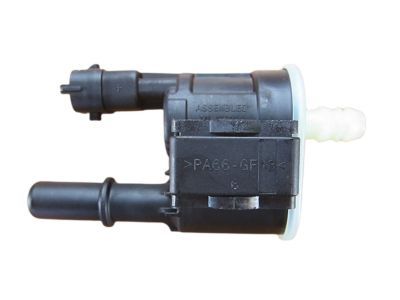
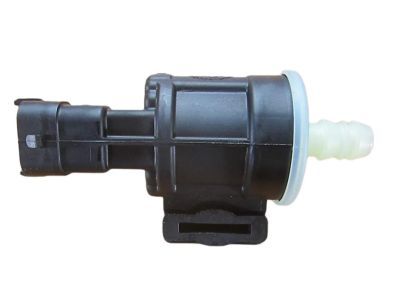
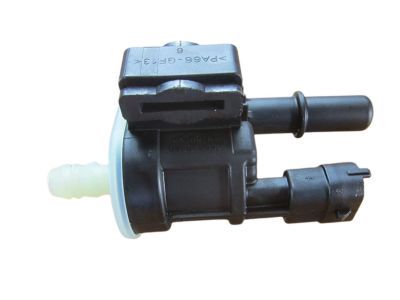
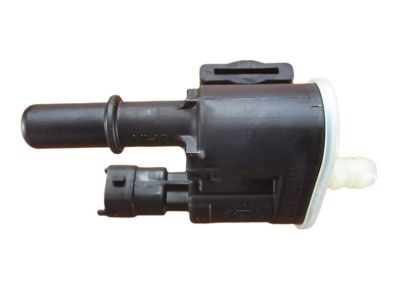
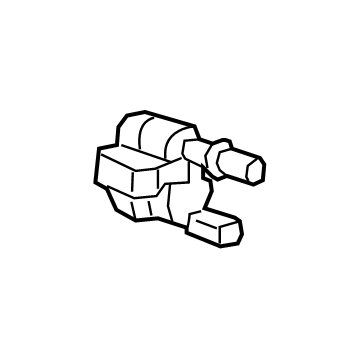
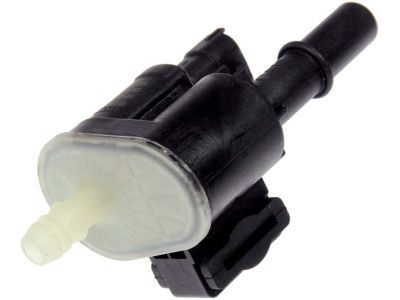
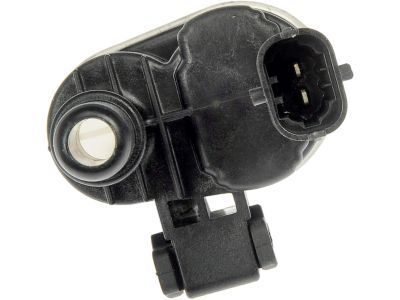
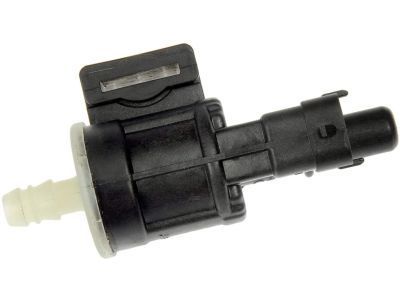
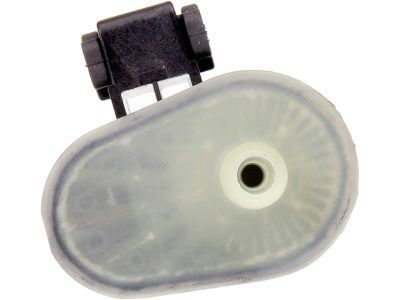
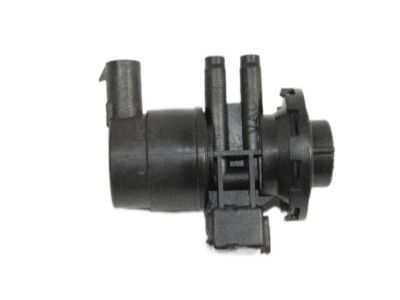
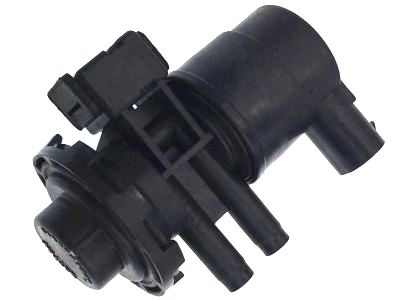
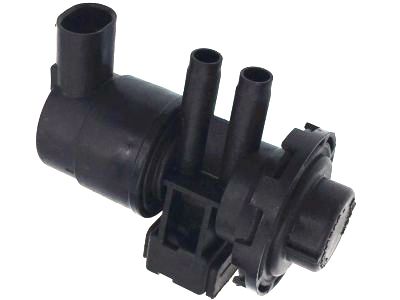
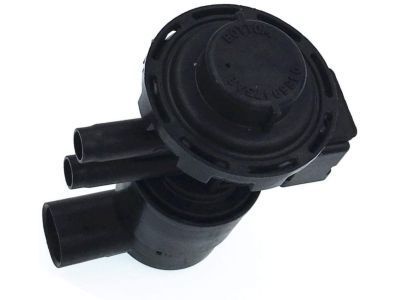
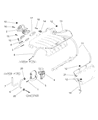
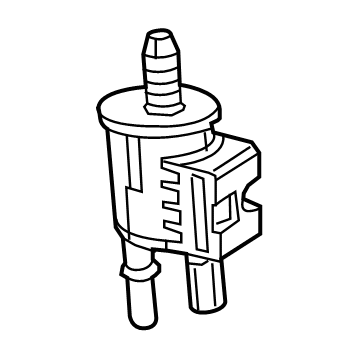
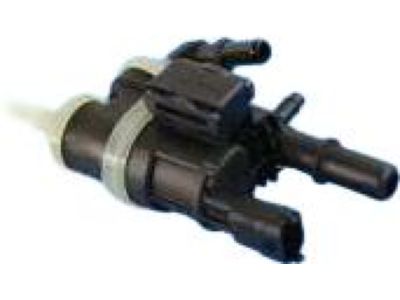
Jeep Wrangler SOLENOID-Duty Cycle PURGE
Part Number: 4669475AB$84.38 MSRP: $125.00You Save: $40.62 (33%)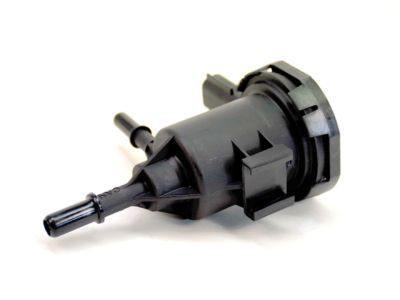
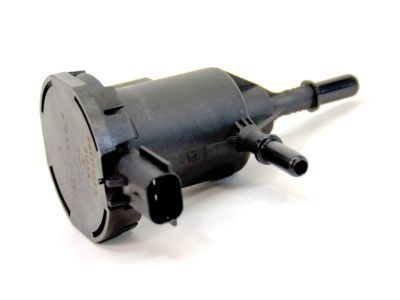
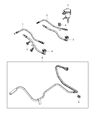
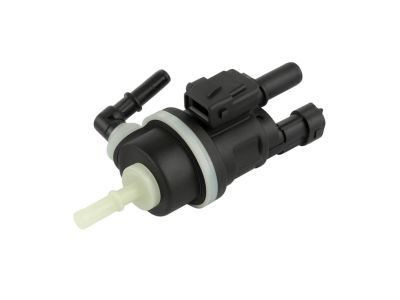
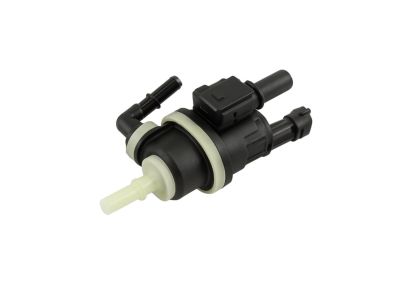
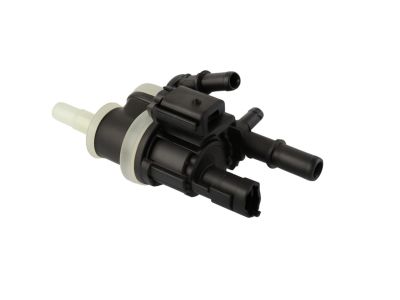
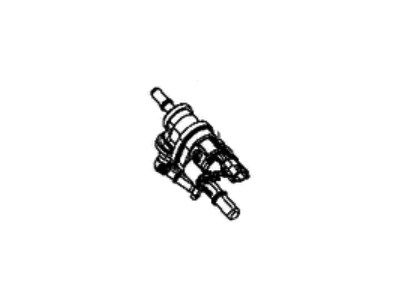
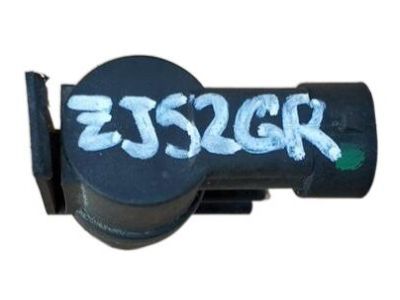
Jeep Wrangler SOLENOID-Duty Cycle PURGE
Part Number: 68337662AC$62.01 MSRP: $103.27You Save: $41.26 (40%)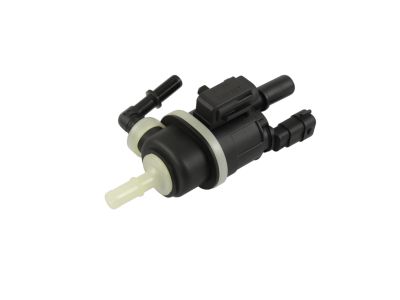
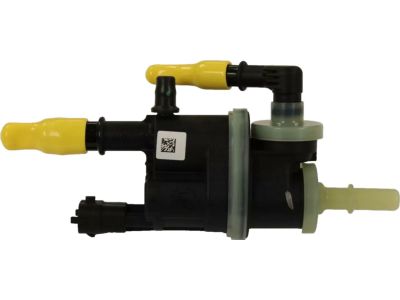
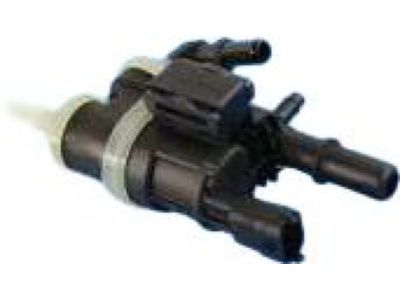
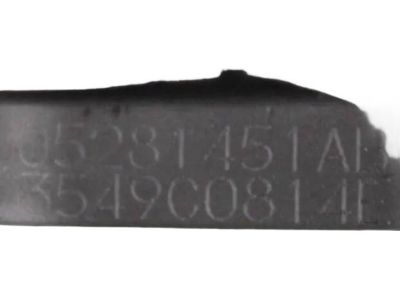
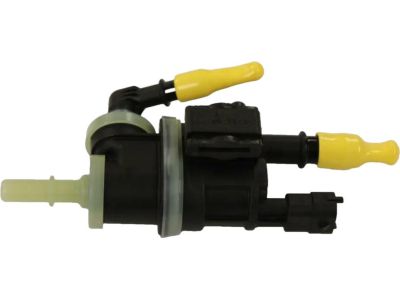
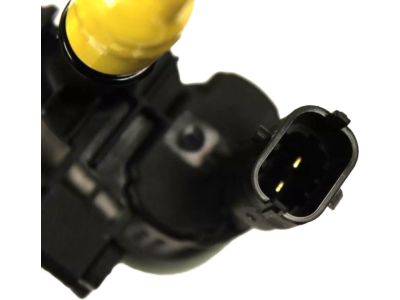
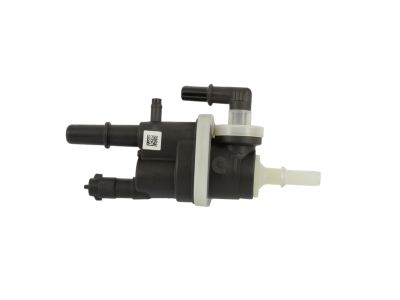
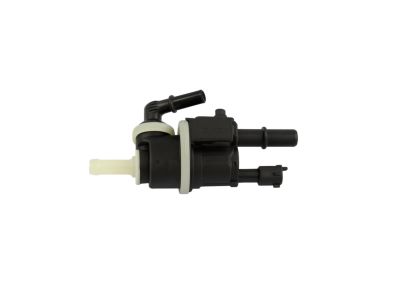
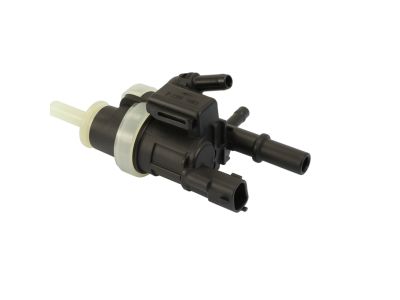
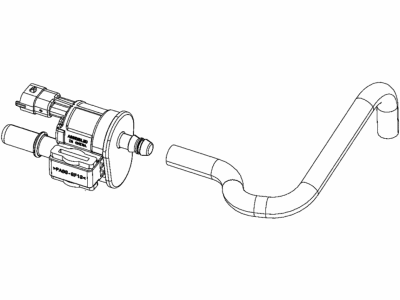
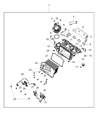
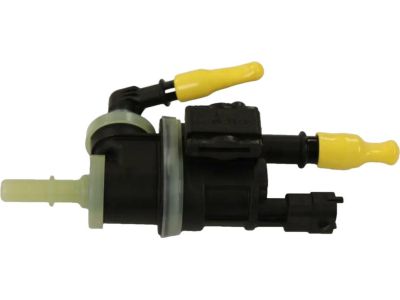
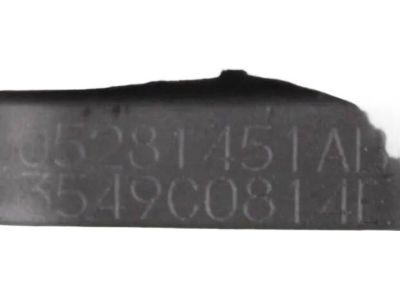
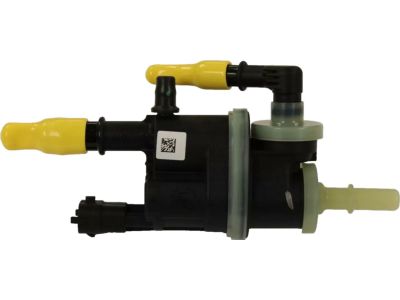
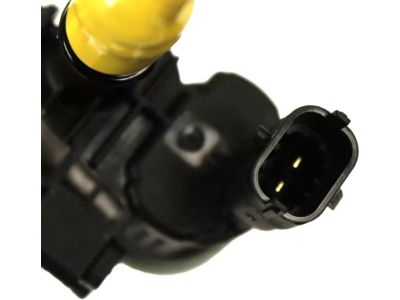
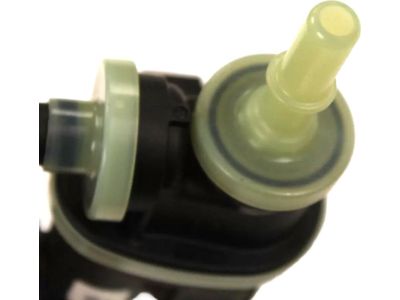
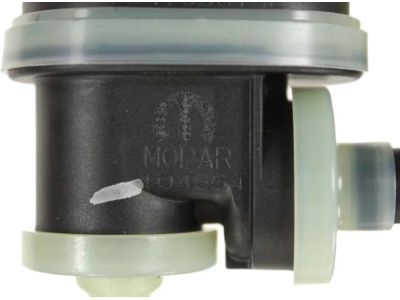
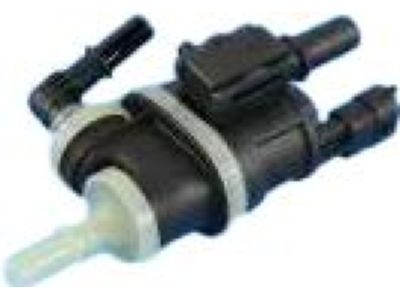
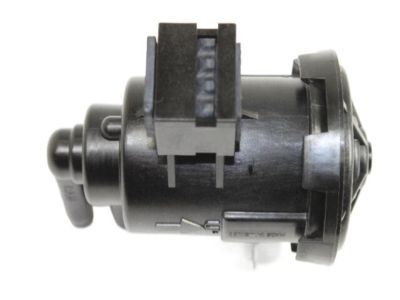
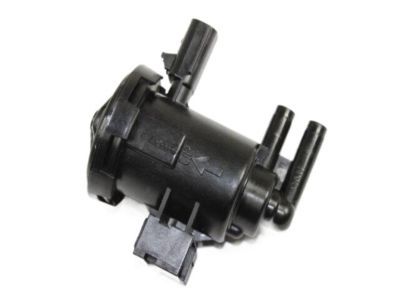
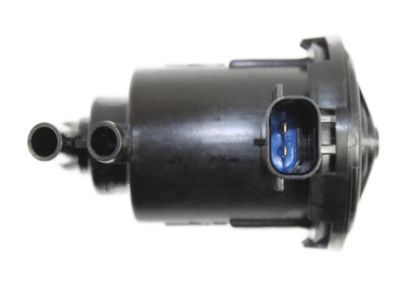
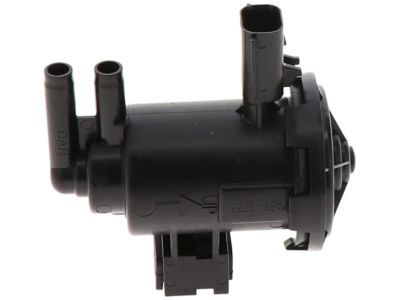

Jeep Wrangler SOLENOID-Proportional PURGE
Part Number: 4669940AB$56.50 MSRP: $80.94You Save: $24.44 (31%)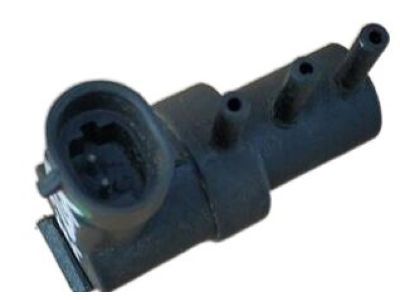
Jeep Wrangler Canister Purge Valve
Fuel vapor is stored by the Jeep Wrangler Canister Purge Valve so it can be burnt rather than vented, preventing the release of smog-inducing hydrocarbons. Located between the charcoal canister and the intake manifold, the Canister Purge Valve opens under engine vacuum to pull in fresh air through the canister and sweep trapped vapor into the combustion chambers. Early Jeep Wrangler models had a basic vacuum-controlled unit. Later Wrangler versions changed to an electronically commanded Canister Purge Valve that the engine computer cycles during self-tests. The electronic style adds wiring, a solenoid, and feedback from a tank pressure sensor so the module can spot leaks and illuminate the check engine lamp if target vacuum never appears. A loose fuel cap often mimics this fault. The modern Jeep Wrangler engines now use a precisely metered Canister Purge Valve to satisfy stricter standards, but the core mission remains the same. Jeep systems seal hoses and caps to enable the Canister Purge Valve to work quietly, which means lower emissions on every drive. Over the years, Jeep owners seldom notice its task.
Looking for affordable and high-quality auto parts? Then you have already arrived at the proper online shop. We offer all Jeep Wrangler Canister Purge Valve at great affordable prices. Moreover, all genuine Jeep Wrangler Canister Purge Valve come with a manufacturer's warranty. In the long run, you would realize you have saved a lot of trouble and money with OEM parts from here.
Jeep Wrangler Canister Purge Valve Parts Questions & Experts Answers
- Q:What is the role of the Canister Purge Valve and Vapor Canister in the fuel evaporation control system on Jeep Wrangler?A:This system is employed to capture and contain fuel that volatilises from the fuelling system in a manner that the volatile hydrocarbons do not leak into the environment. It is made of a canister containing charcoal, a canister purge valve, a rollover or pressure relief valve and other hoses and tubes. In case the fuel tank pressure rises to 3psi, as a result of evaporation, the pressure relief valve opens thus allowing the fuel vapour to be channeled to the evaporative canister where it is absorbed by charcoal. For use, as the engine warms up, these vapors are either led to the intake manifold or the air cleaner for burning. Purge valve of canister depends upon the intake manifold vacuum; some models use coolant temperature switches, or computer controlled solenoids to offer the purge. Vents the fuel filler cap in case of occurrence to excessive pressure or vacuum used by the relief valve. To service the foregoing components as well as the fuel filler cap gasket and inspect the hoses and lines with a view of identifying any signs of damage on them. Signs that indicate problems are foul smells of fuel coming from under the bonnet or from the back of the car. The purge valve is checked with a vacuum pump and the purge solenoid is checked with battery voltage. For replacement, remove the negative battery terminal, get to the correct position and unscrew the canister purge valve or the EVAP canister and for reassembly, assemble them in the reverse manner. On some models, the leak detection pump can be detached from the bracket; on automobiles fitted with Fuel Tank Pressure sensor, remove the battery, release fuel tank pressure, and remove Fuel Tank Pressure sensor; when replumbing, do not forget to check on or lubricate the O-ring on the sensor.
Related Jeep Wrangler Parts
 Jeep Wrangler PCV Valve
 Jeep Wrangler PCV Hose
 Jeep Wrangler EGR Valve
 Jeep Wrangler Vapor Canister
 Jeep Wrangler Vapor Pressure Sensor
Browse by Year
2025 Canister Purge Valve 2024 Canister Purge Valve 2023 Canister Purge Valve 2022 Canister Purge Valve 2021 Canister Purge Valve 2020 Canister Purge Valve 2019 Canister Purge Valve 2018 Canister Purge Valve 2017 Canister Purge Valve 2016 Canister Purge Valve 2015 Canister Purge Valve 2014 Canister Purge Valve 2013 Canister Purge Valve 2012 Canister Purge Valve 2011 Canister Purge Valve 2010 Canister Purge Valve 2009 Canister Purge Valve 2008 Canister Purge Valve 2007 Canister Purge Valve 2006 Canister Purge Valve 2005 Canister Purge Valve 2004 Canister Purge Valve 2003 Canister Purge Valve 2002 Canister Purge Valve 2001 Canister Purge Valve 2000 Canister Purge Valve 1999 Canister Purge Valve 1998 Canister Purge Valve 1997 Canister Purge Valve 1993 Canister Purge Valve 1992 Canister Purge Valve 1991 Canister Purge Valve