
My Garage
My Account
Cart
Genuine Jeep Wrangler Drag Link
Center Link- Select Vehicle by Model
- Select Vehicle by VIN
Select Vehicle by Model
orMake
Model
Year
Select Vehicle by VIN
For the most accurate results, select vehicle by your VIN (Vehicle Identification Number).
31 Drag Links found
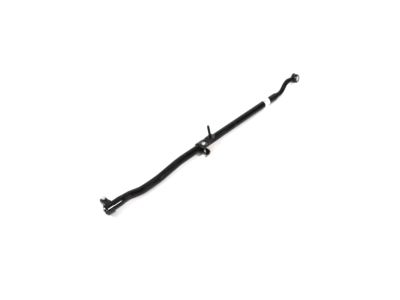
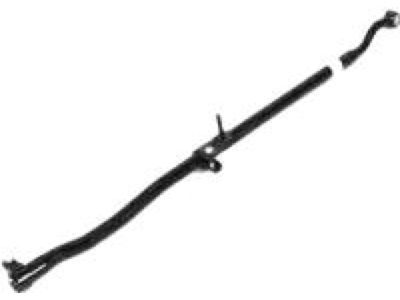
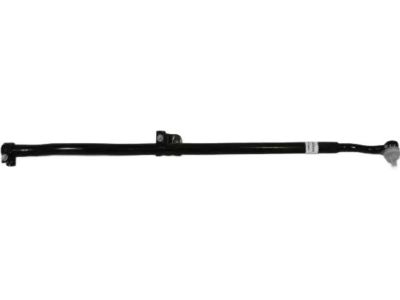
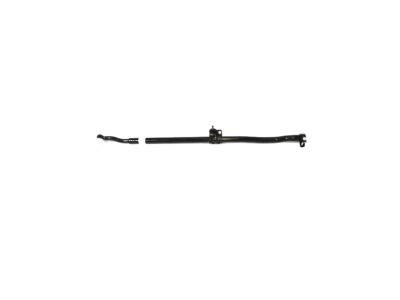
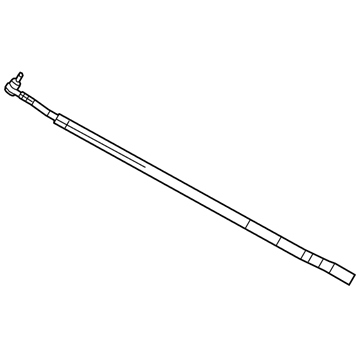
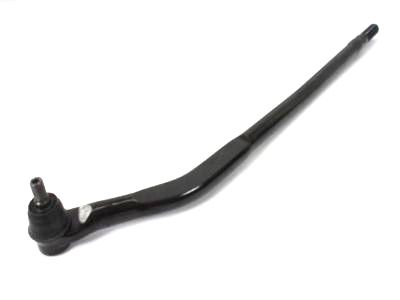
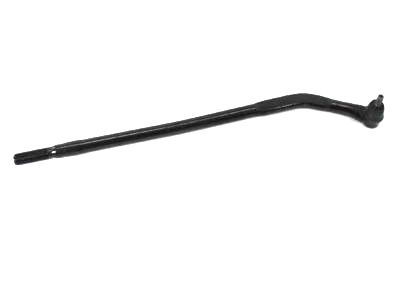
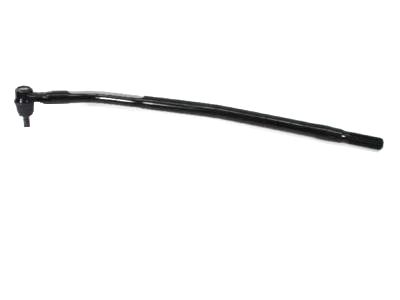
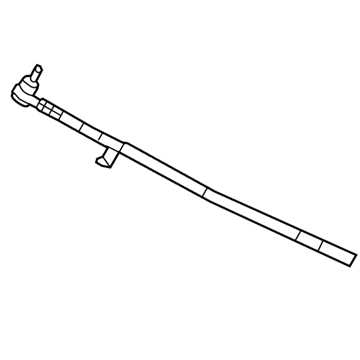
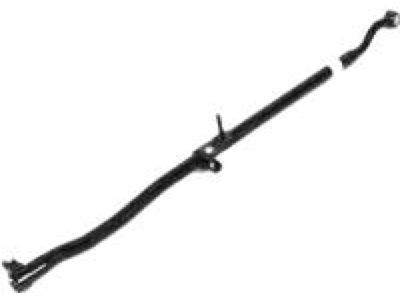
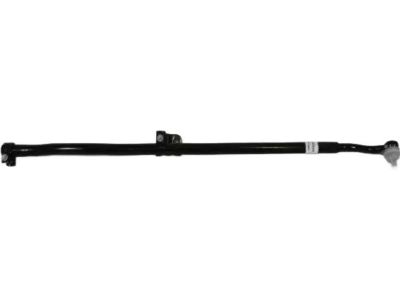
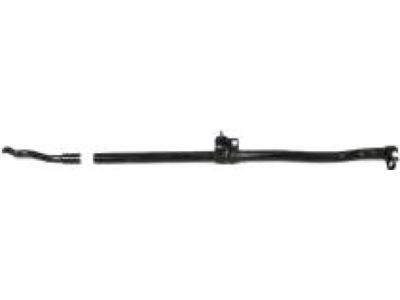
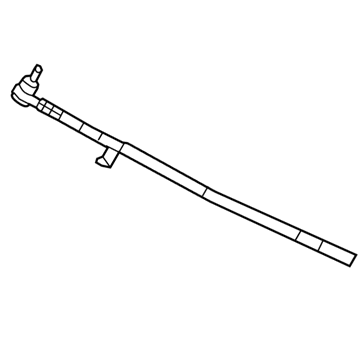
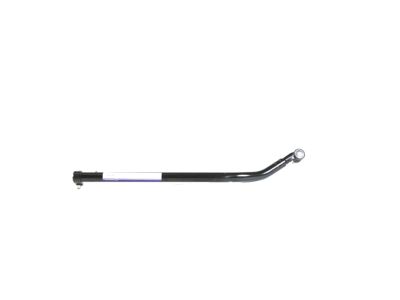
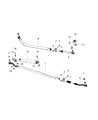
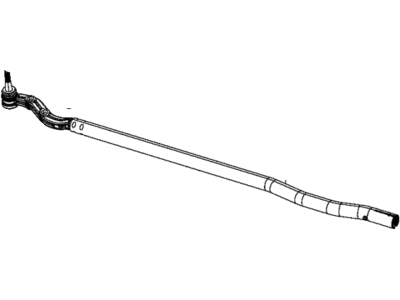
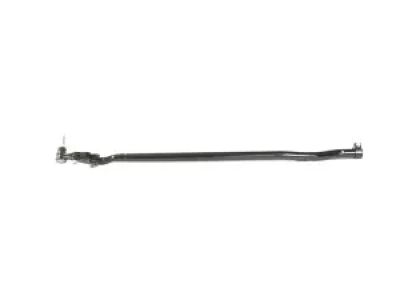
Jeep Wrangler Tie Rod-Drag Link Inner
Part Number: 52060048AD$171.00 MSRP: $256.00You Save: $85.00 (34%)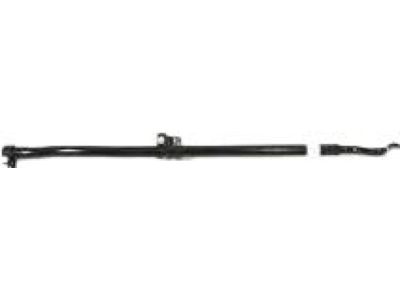
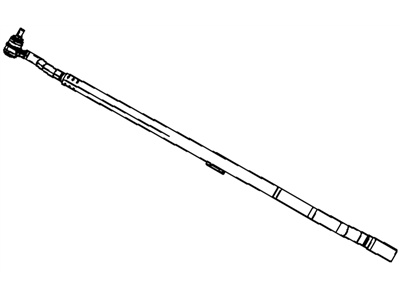
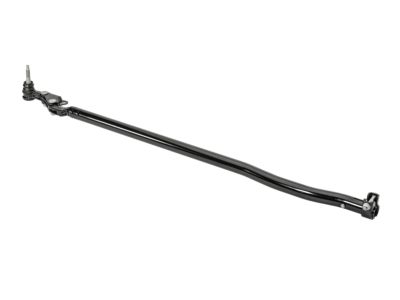
Jeep Wrangler Socket Tie Rod Outer
Part Number: 52060052AE$267.60 MSRP: $404.00You Save: $136.40 (34%)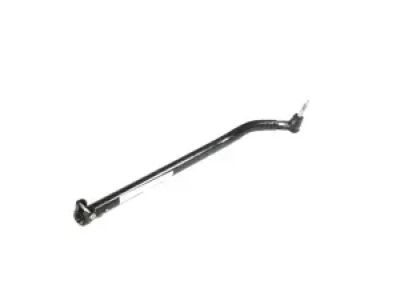
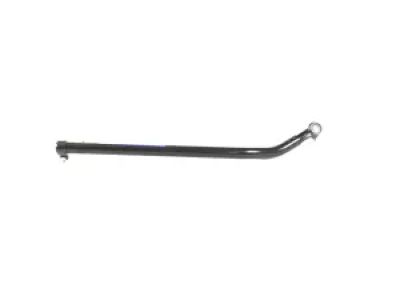
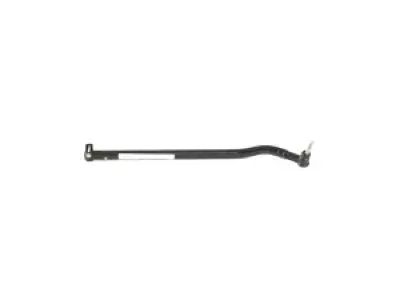
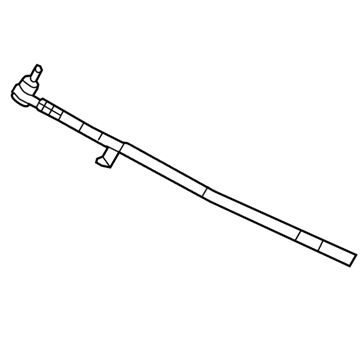
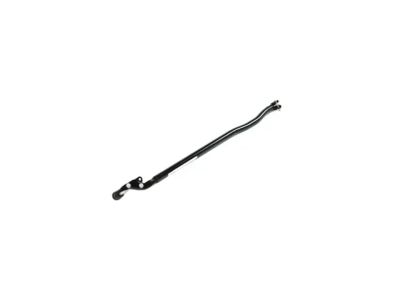
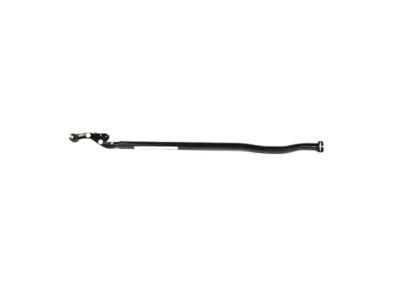
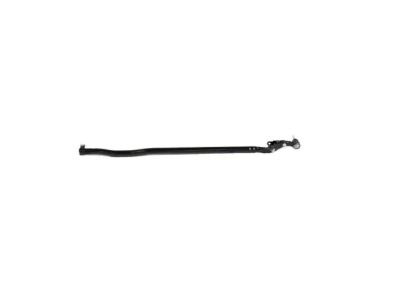
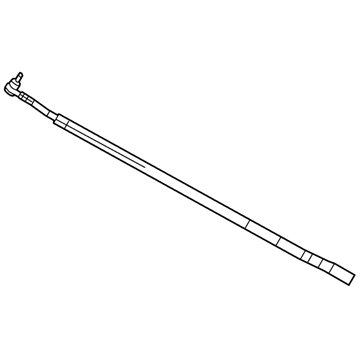
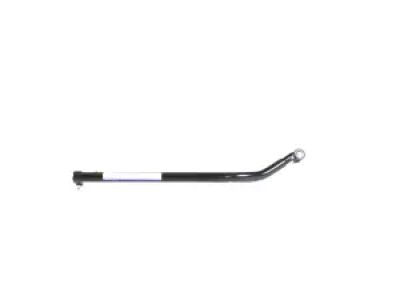
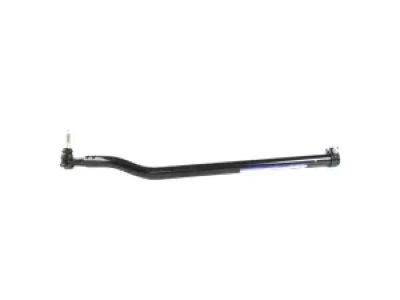
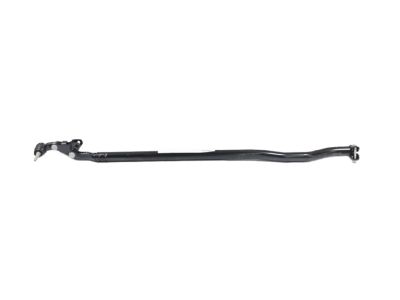
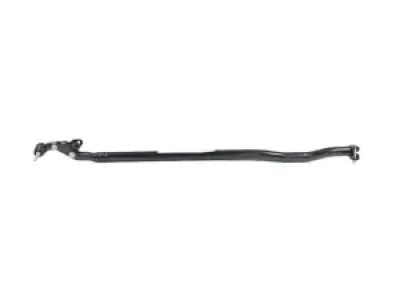
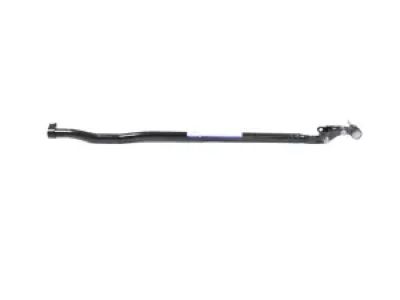
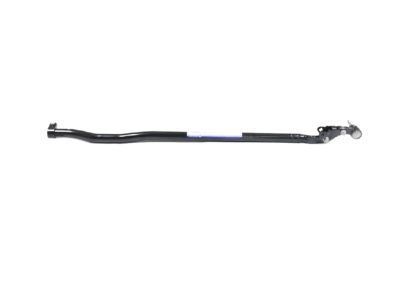
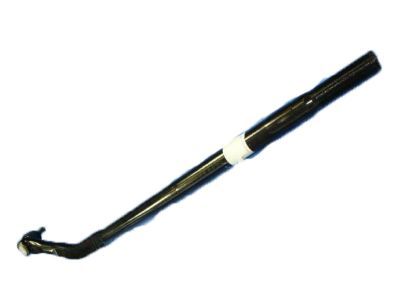
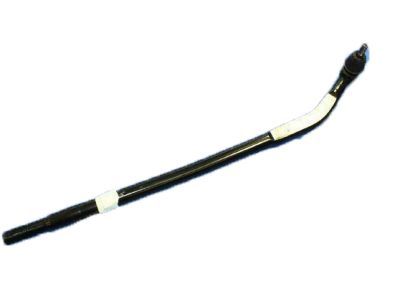
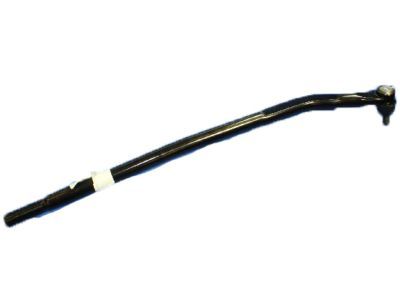
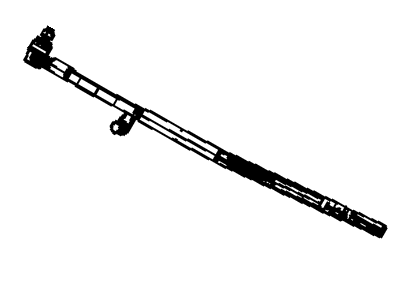
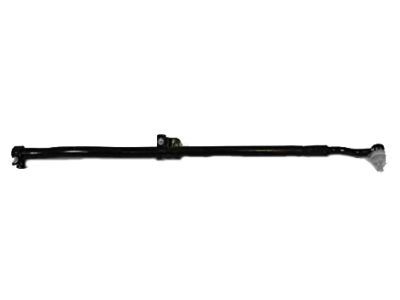
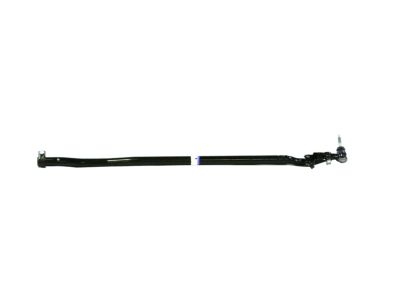
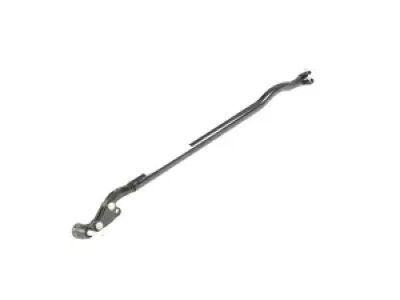
Jeep Wrangler Tie Rod-Drag Link Inner
Part Number: 52126058AD$204.75 MSRP: $308.00You Save: $103.25 (34%)

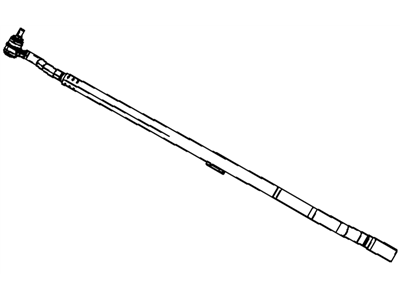
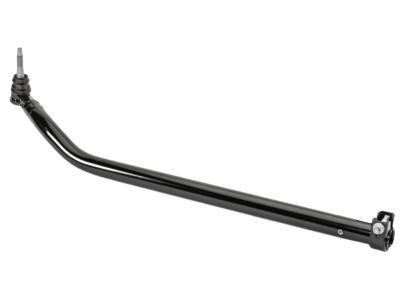
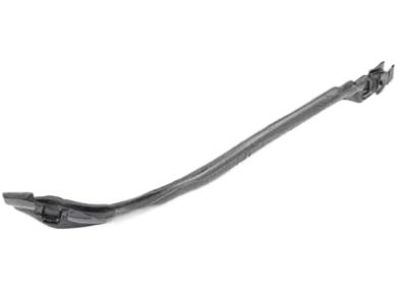
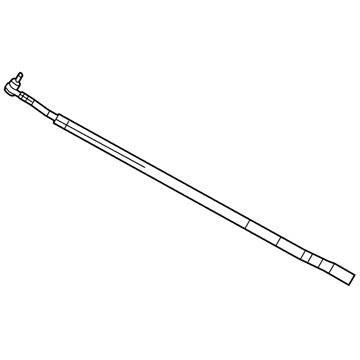
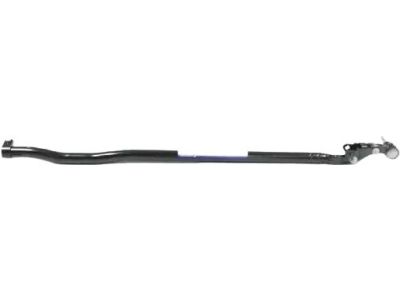
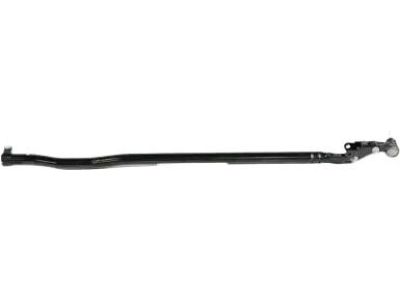
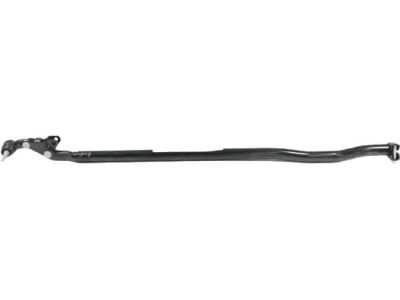
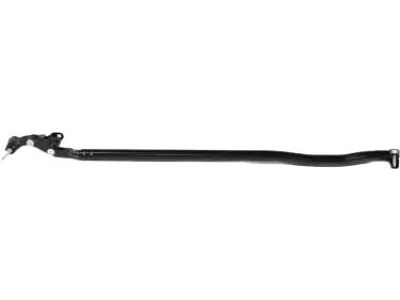
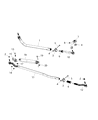
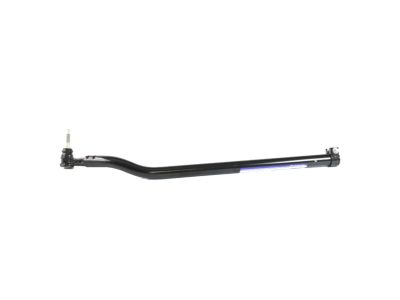
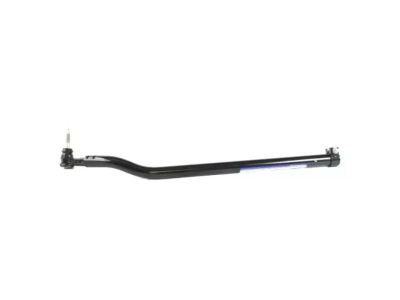
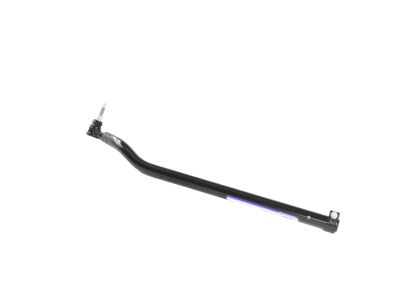
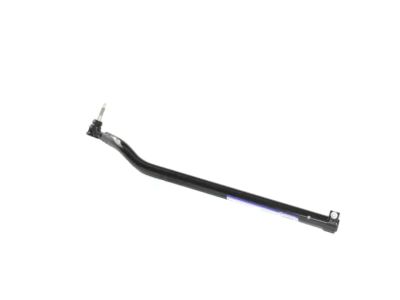
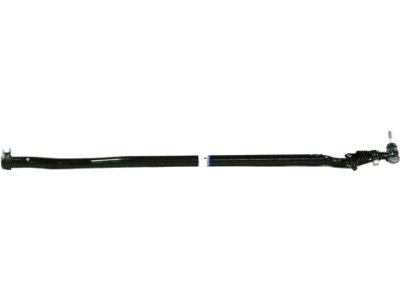
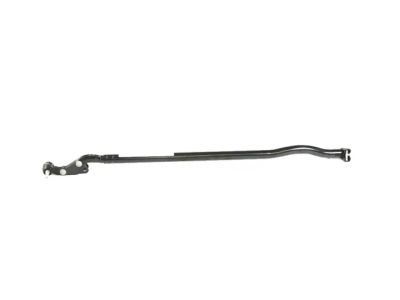
Jeep Wrangler Tie Rod-Drag Link Inner
Part Number: 68309364AB$259.80 MSRP: $392.00You Save: $132.20 (34%)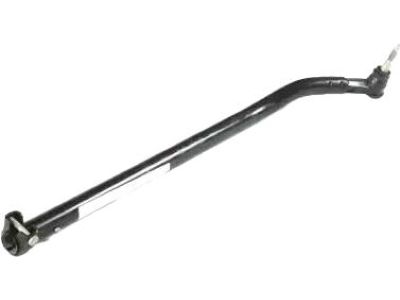
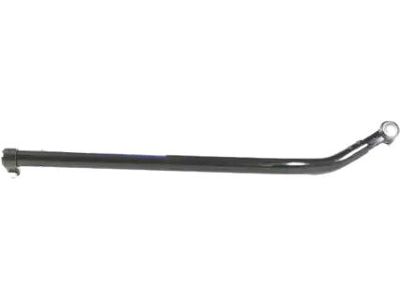
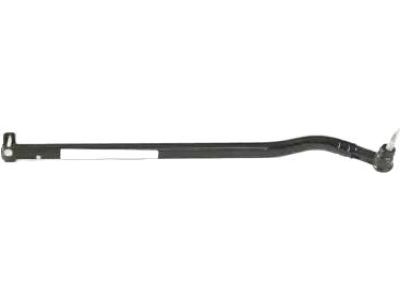
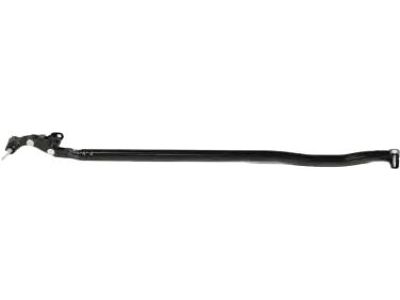
Jeep Wrangler Tie Rod-Drag Link Inner
Part Number: 68258759AA$246.42 MSRP: $372.00You Save: $125.58 (34%)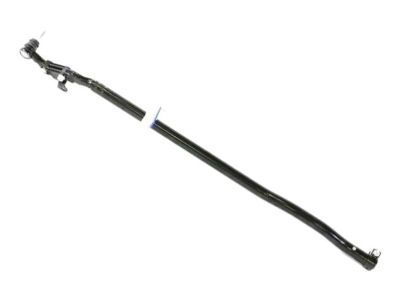
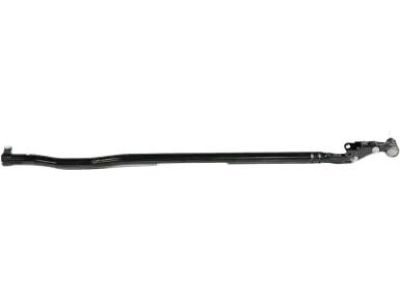
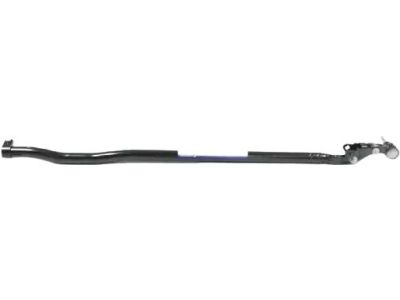
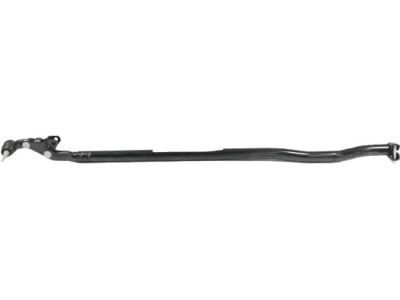
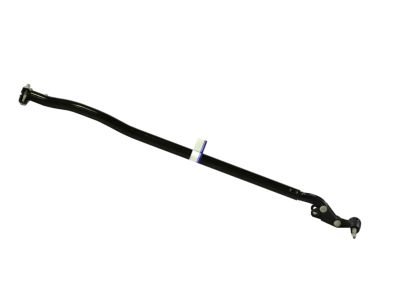
| Page 1 of 2 |Next >
1-20 of 31 Results
Jeep Wrangler Drag Link
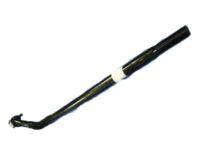
Drag link in Jeep Wrangler automobiles is one of the steering linkages reaching between the steering wheel and the front wheels. Its main role is to translate the rotational motion from the steering into a motion that will help in the rotation of the wheels for a responsive handling. Jeep Wrangler Drag Links are manufactured to be as tough as the roads it is designed to traverse and as versatile as the lifestyle it supports, it can be bought individually, but it is usually sold in a set with other suspension products. Subsequently, Jeep Wrangler Drag Links has been manufactured in stud one piece, and one possessing replaceable ends as well as the adjustable nature. These differences relate to the needs of different models of Wrangler: improve accuracy and increase the durability of the management process. It is also important to periodically service the Drag Link since the wear of its joints may cause some play that will affect the vehicle's steering.
Looking for affordable and high-quality auto parts? Then you have already arrived at the proper online shop. We offer all Jeep Wrangler Drag Link at great affordable prices. Moreover, all genuine Jeep Wrangler Drag Link come with a manufacturer's warranty. In the long run, you would realize you have saved a lot of trouble and money with OEM parts from here.
Jeep Wrangler Drag Link Parts Questions & Experts Answers
- Q:How to inspect, remove, and install the steering linkage, including the tie rod end, drag link, and steering damper on Jeep Wrangler?A:DO NOT employ a 'pickle fork' type balljoint separator as this may compromise the seal of the balljoint. The steering linkage thus links the steering gear with the front wheels so that they are in correct relative position. It comprises the Pitman arm that is connected to the steering gear shaft that move the drag link which in turn transfers the motion to the tie rod that is used to turn the Steering Knuckle. The tie rod is connected to the steering knuckles through ball jnts; the right Ball Joint is in the right tie rod and the left is sealed through an adjustable collar for toeing and steering axis angle. A steering damper diminishes such forces in relation to the steering gear that is not wanted. For the purpose of examination, alignment, lifting one end, and checking for end play which should not be more than 0.108-inch: If excessive play is discovered then examine the linkage pivot points and ball studs. For removal loosen the cotter pins and nuts and use a two-jaw puller to detach the drag link from the tie rod and the Pitman arm. If you have to replace a drag link end, then check the distance to the ball stud centre before you undo it. Installation process is the reverse of assembly, and all components are made to seat and tightened to the required torque. The steering damper can be removed by simply removing the cotter pin and nut of the tie rod and the nut and bolt on the frame bracket. If the damper shaft ball joint is defective then the whole assembly has to be replaced. As for the tie rod, you should first loosen lug nuts and raise the vehicle and, subsequently, it's necessary to remove the wheels. Remove the steering damper, then, in the case of double wishbone toe adjustment provision, remove the cotter pins and slacken the nuts on the toe adjustment knob on the tie rod ball studs. To remove the tie rod, you have to employ a two jaw puller in order to help you remove it from the steering knuckles as well as the drag link. If so required, take the measurements for any replacements, lubricate the new tie rod end and then position it to the measured dimension. Last, turn the nuts to the correct torque, put new cotter pin and ensure the front end is adjusted properly.
Related Jeep Wrangler Parts
 Jeep Wrangler Drive Shaft
 Jeep Wrangler Leaf Spring
 Jeep Wrangler Driveshaft Yokes
 Jeep Wrangler Ignition Lock Cylinder
 Jeep Wrangler Intermediate Shaft
 Jeep Wrangler Lateral Link
 Jeep Wrangler Needle Bearing
 Jeep Wrangler Pinion Bearing
 Jeep Wrangler Leaf Spring Bushing
 Jeep Wrangler Leaf Spring Shackle
Browse by Year
2025 Drag Link 2024 Drag Link 2023 Drag Link 2022 Drag Link 2021 Drag Link 2020 Drag Link 2019 Drag Link 2018 Drag Link 2017 Drag Link 2016 Drag Link 2015 Drag Link 2014 Drag Link 2013 Drag Link 2012 Drag Link 2011 Drag Link 2010 Drag Link 2009 Drag Link 2008 Drag Link 2007 Drag Link 2006 Drag Link 2005 Drag Link 2004 Drag Link 2003 Drag Link 2002 Drag Link 2001 Drag Link 2000 Drag Link 1999 Drag Link 1998 Drag Link 1997 Drag Link 1995 Drag Link 1994 Drag Link 1993 Drag Link 1992 Drag Link 1991 Drag Link 1990 Drag Link 1989 Drag Link 1988 Drag Link 1987 Drag Link 1986 Drag Link 1985 Drag Link 1984 Drag Link