
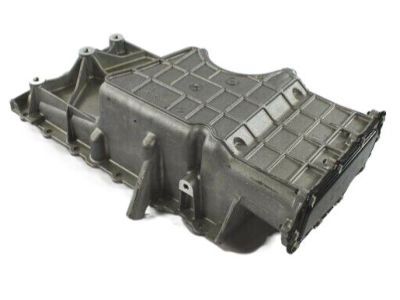
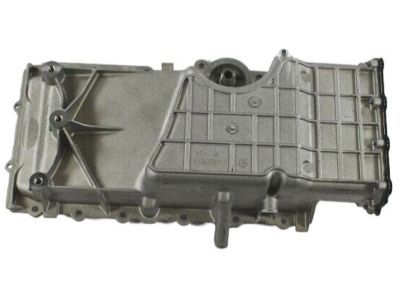
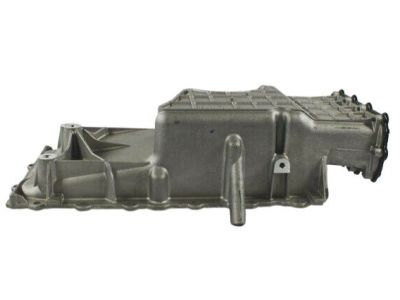
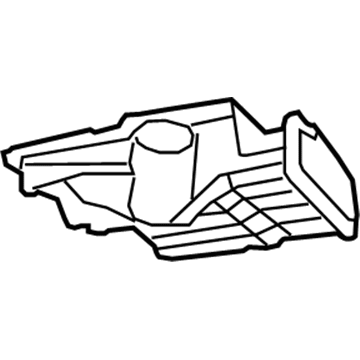
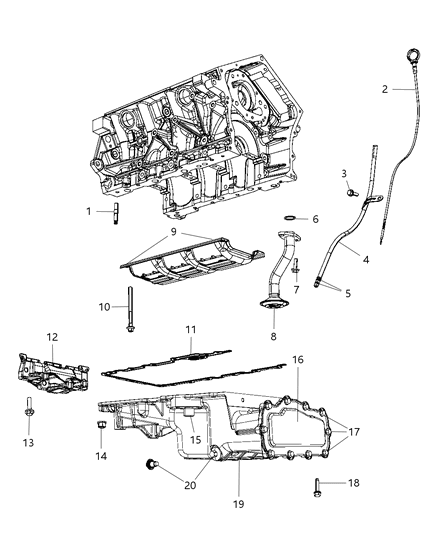

There a few preliminary steps that can be followed in the process of removing the engine oil pan, turn off the ignition and unbolt the negative battery cable from the remote ground terminal. Third, unscrew the engine oil dipstick and the nut of the oil dipstick tube and then, take out the tube from the oil pan. Lift the front of the vehicle and place it on jackstands, engage the parking brake and move the rear wheels so they cannot roll. Place an engine hoist and secure it to the engine and then set the engine splash shield aside. Empty the engine oil and remove the oil filter element. Signal on the hydraulic hoist to lift the engine up but slightly to clear the path of the crossmember; then, remove the front crossmember mounting bolts and cross member. Lose the nuts on the exhaust crossover pipe and the exhaust manifold cast then remove the pipe. Unfasten the four oil pan to bell housing bolts then the oil pan bolts; ease the oil pan off the block w/o prying as this might result into the bell housing gasket being damaged. In installation first, wash it with solvent taken out all the old sealant and gasket material from the mating faces and then look for distortion around the bolt circle. The remaining RTV sealant should be applied to the parting lines in the interface of the engine block and the oil pump housing, then the block gasket should be installed. Fit the oil pan on the block and temporarily fit the bolts inserting them without tightening the nuts to a greater extent with your fingers. Lower the engine and install the engine mount nuts, torque to the following: Next place and alternate tighten the oil pan-to-transaxle bolts to about 12 inch pounds torque, and then finally tighten the oil pan fasteners in a criss-cross manner to the final torque of 17 inch pound torque to the two large bolts and 32 inch pounds torque to the two small Allen bolts at the rear of the pan. Last but not least put back the engine oil, replace the filter and start up the engine and after achieving the normal operating temperature check for signs of leakage.