
My Garage
My Account
Cart
Genuine Chrysler Oil Pan
Oil Drain Pan- Select Vehicle by Model
- Select Vehicle by VIN
Select Vehicle by Model
orMake
Model
Year
Select Vehicle by VIN
For the most accurate results, select vehicle by your VIN (Vehicle Identification Number).
100 Oil Pans found
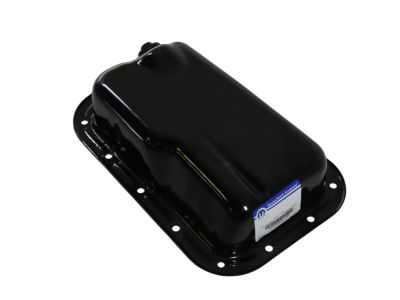
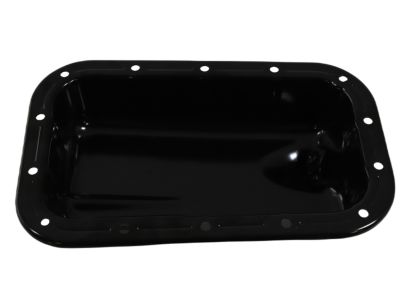
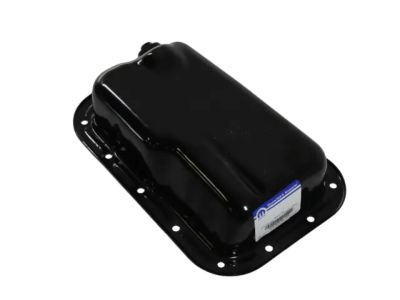
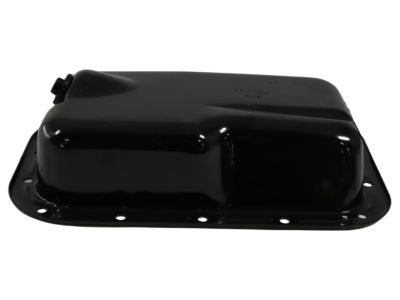
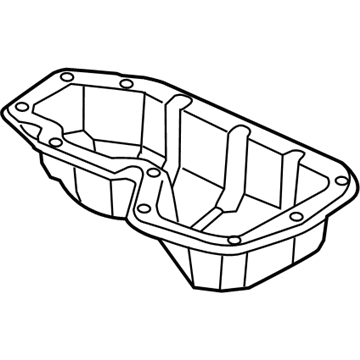
 Product Specifications
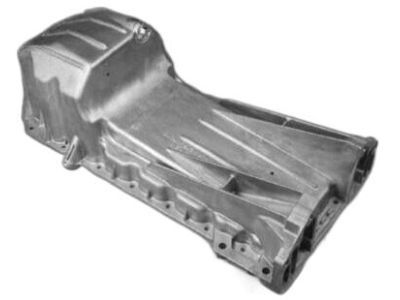
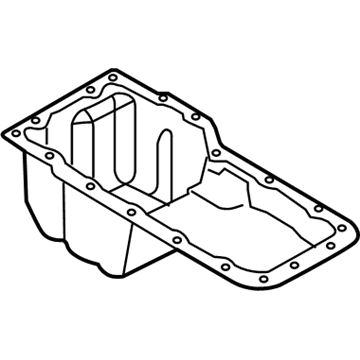
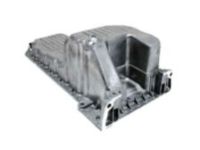
- Other Name: Pan-Engine Oil; Lower Oil Pan, Oil Pan
- Replaces: 5184546AC, 5184546AB, 5184546AA
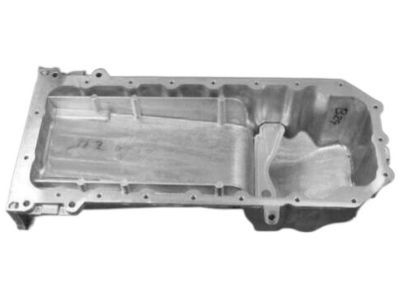
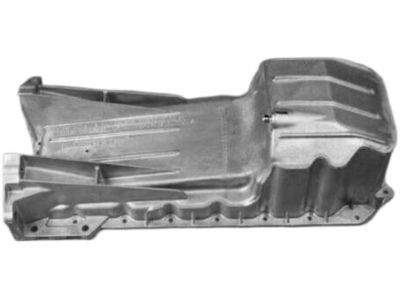
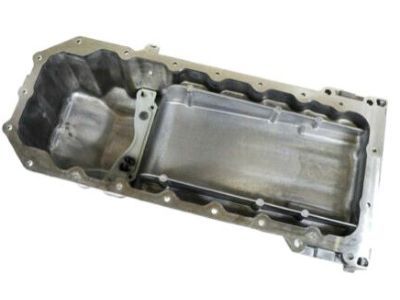
 Product Specifications
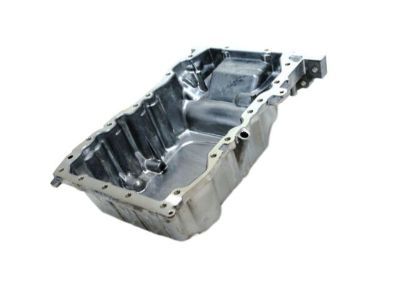
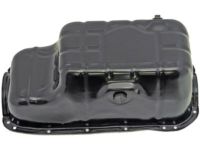
- Other Name: Pan Engine Oil; Oil Pan
- Replaces: 5037634AA, 5037634AB, 4792870AB, 4792870AA
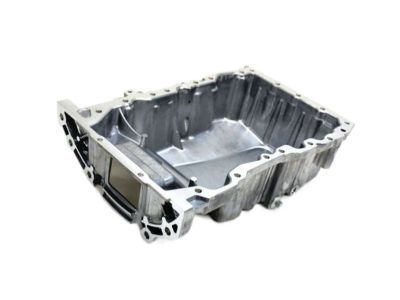
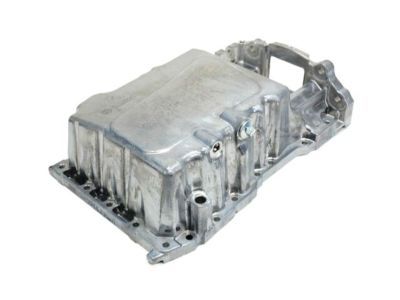
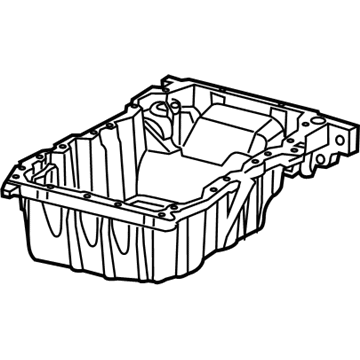
 Product Specifications
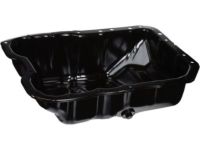
- Other Name: Pan Engine Oil; Oil Pan
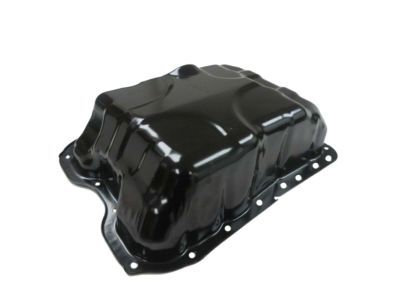
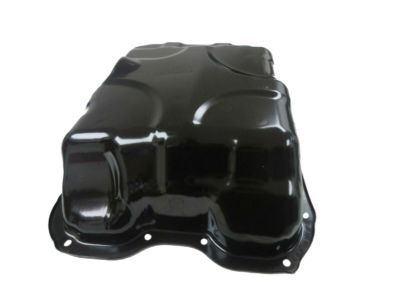
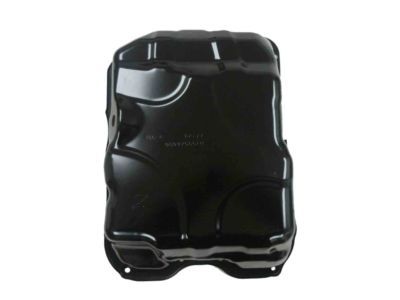
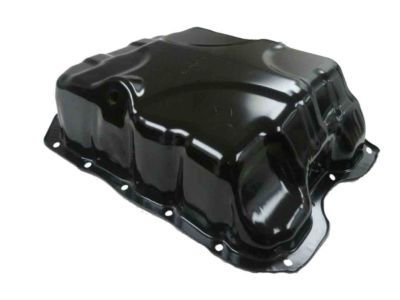
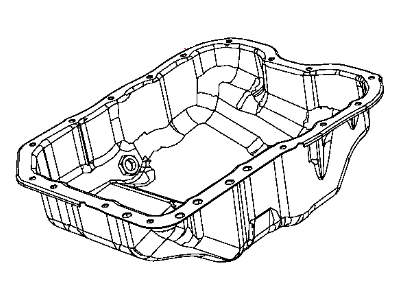
 Product Specifications
- Other Name: Pan Engine Oil
- Replaced by: 5047566AE
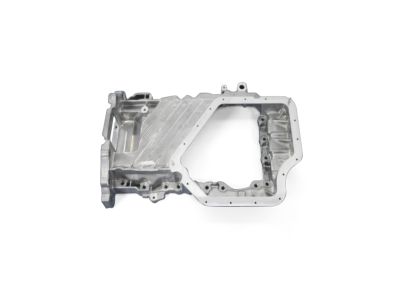
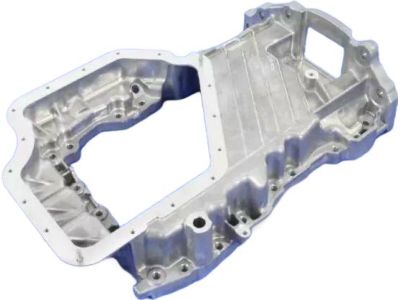
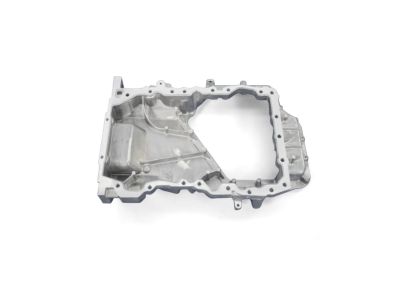
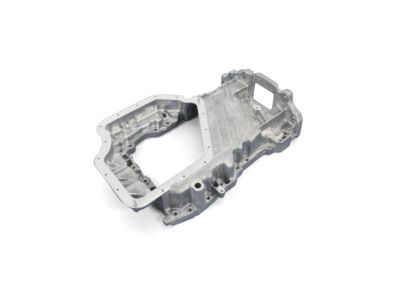
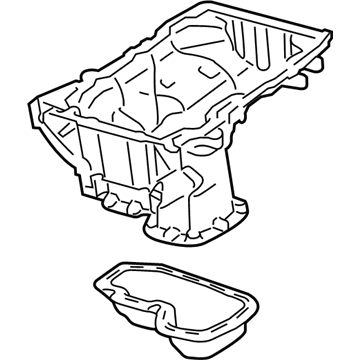
 Product Specifications
- Other Name: Pan Engine Oil; Oil Pan, Upper Oil Pan
- Replaces: 68051597AC, 68051597AB
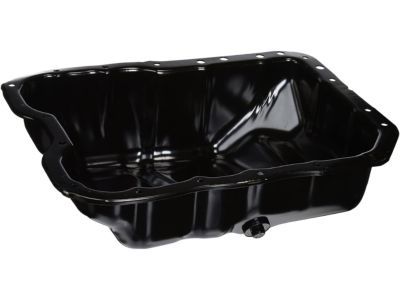
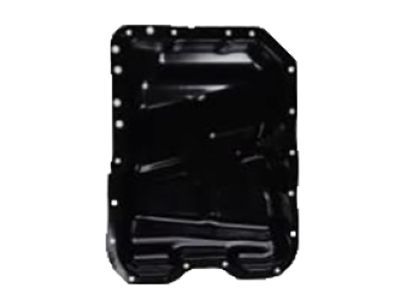
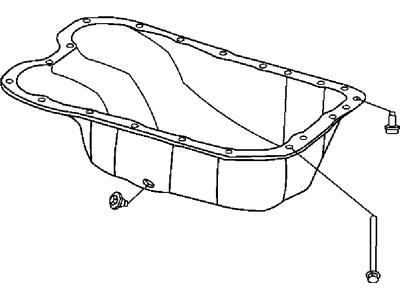
 Product Specifications
- Other Name: Pan Engine Oil
- Replaced by: 4884665AF
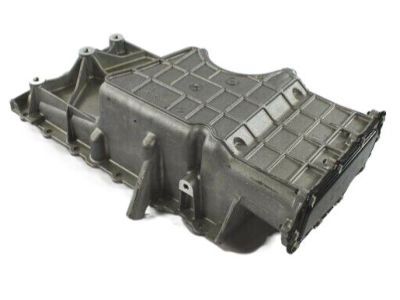
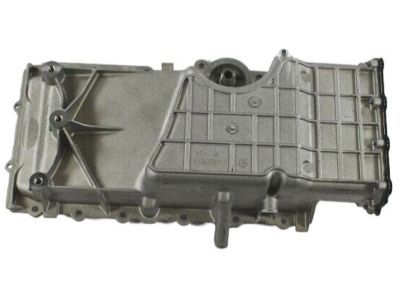
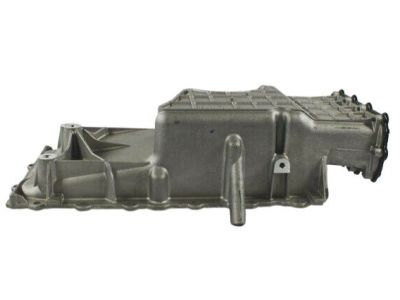
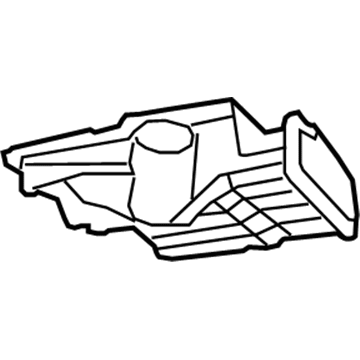
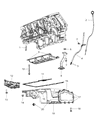 Product Specifications
- Other Name: Pan Oil; Oil Pan
- Replaces: 4892061AB
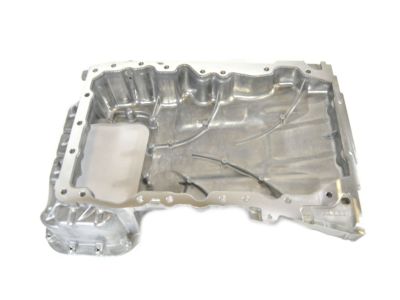
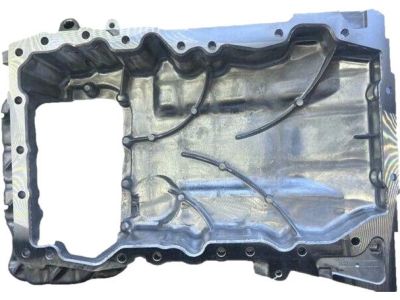
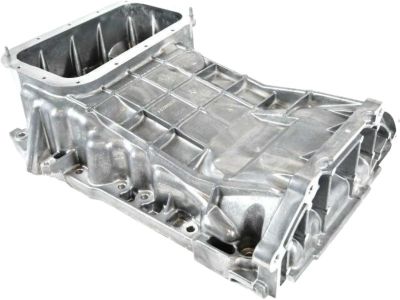
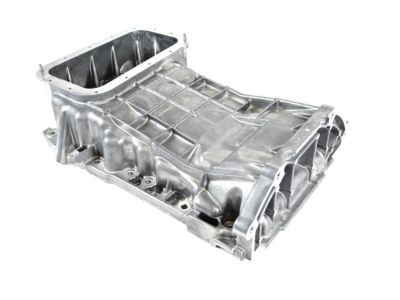
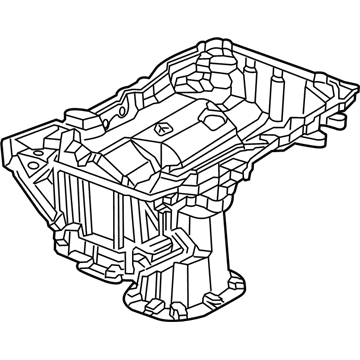
 Product Specifications
- Other Name: Pan Engine Oil; Oil Pan, Upper Oil Pan
- Replaces: 68051599AA, 68051599AD, 68051599AB
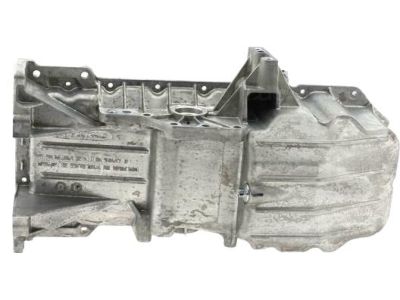
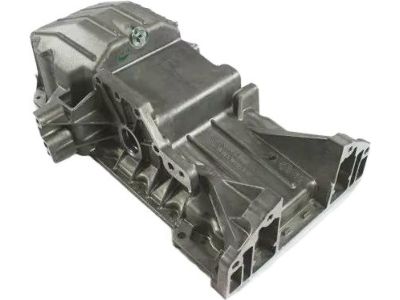
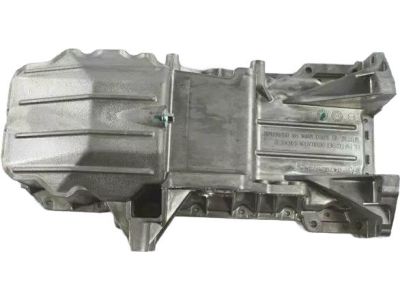
 Product Specifications
- Other Name: Pan Engine Oil; Oil Pan
- Replaces: 4792973AC
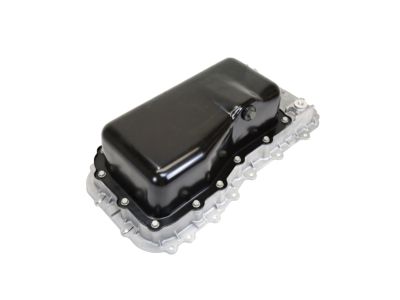
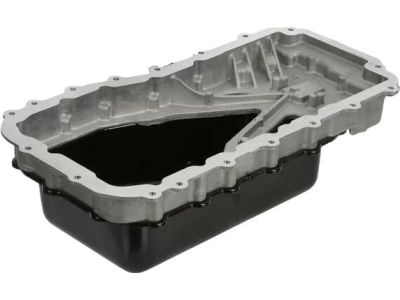
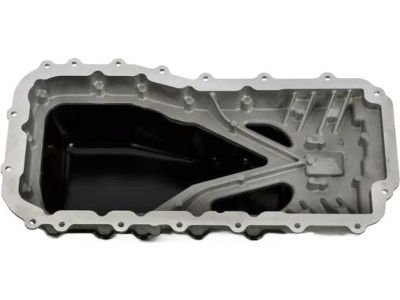
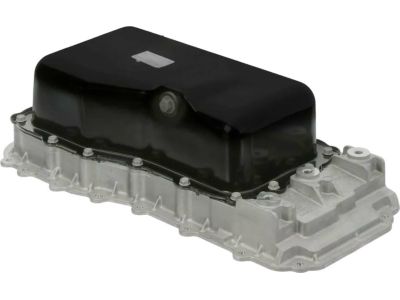
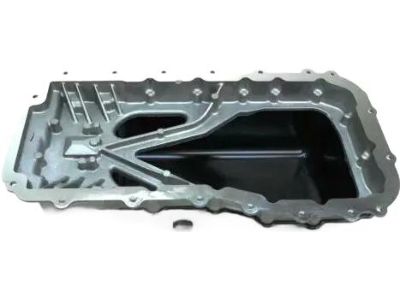
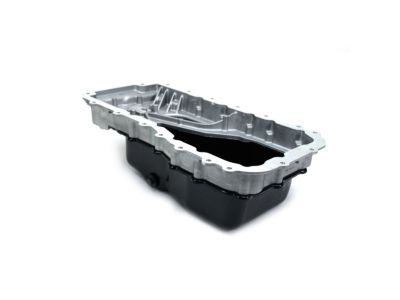
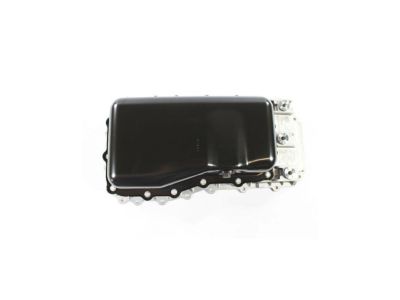
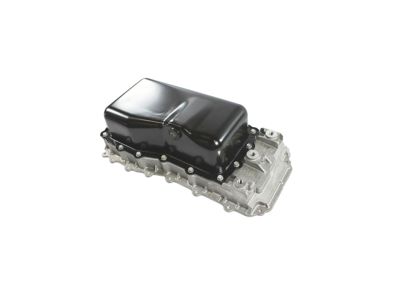
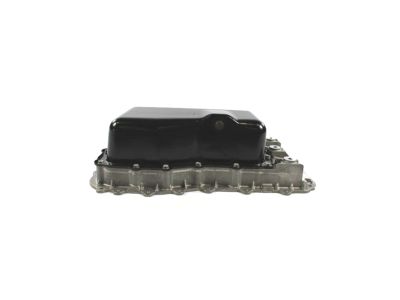
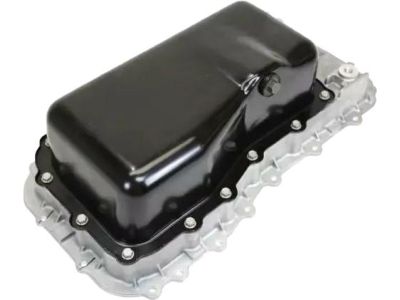
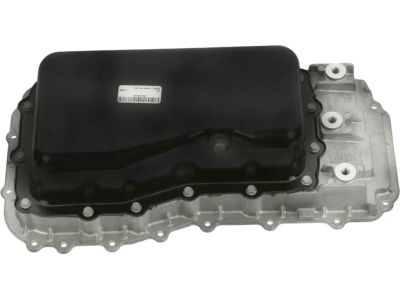
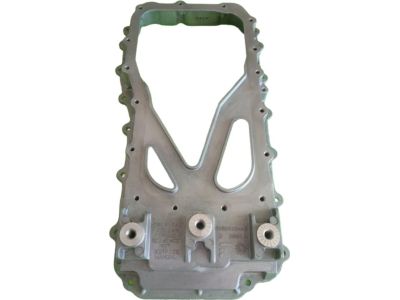
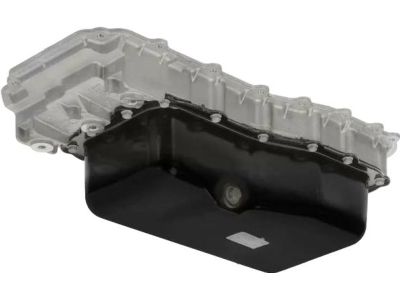
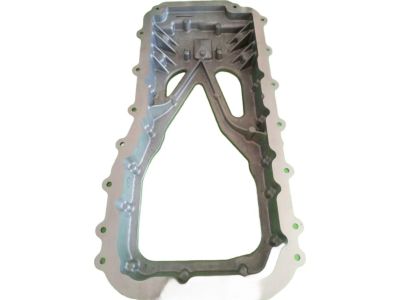
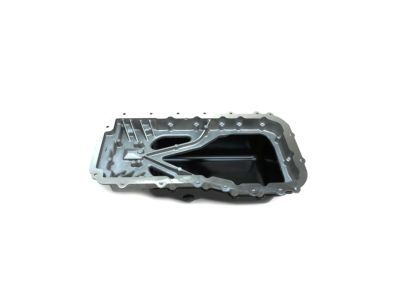
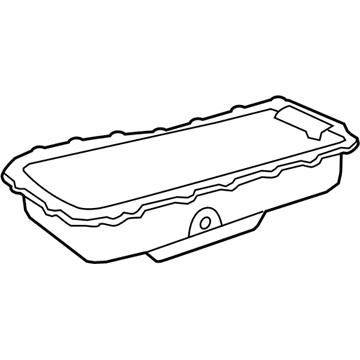
 Product Specifications
- Other Name: Pan Oil; Oil Pan
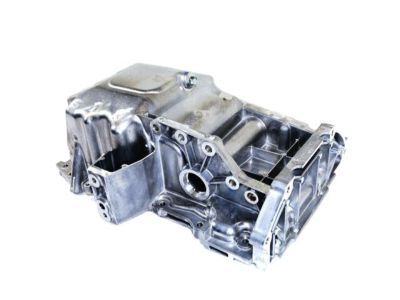
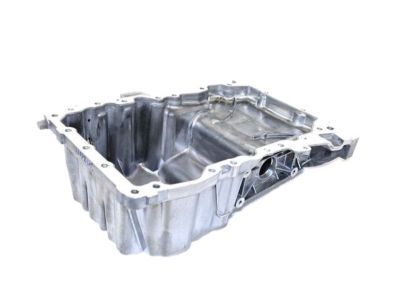
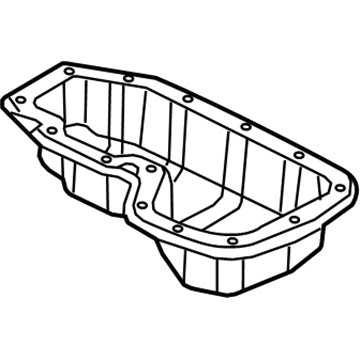 Product Specifications
- Other Name: Pan Engine Oil; Lower Oil Pan, Oil Pan, Upper Oil Pan
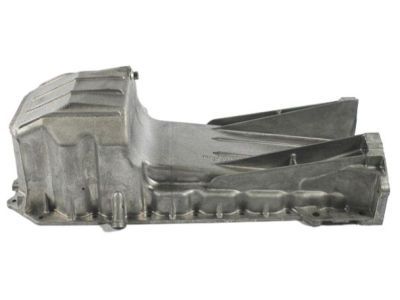
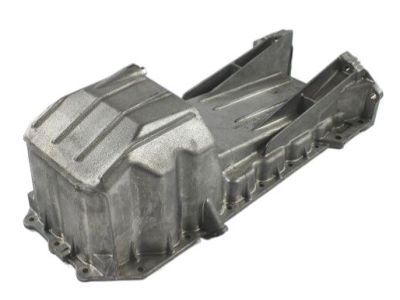
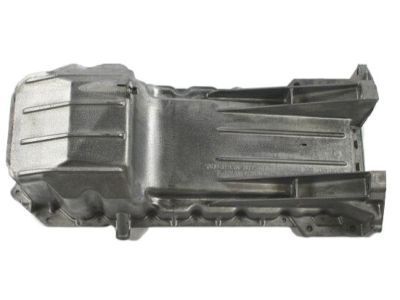
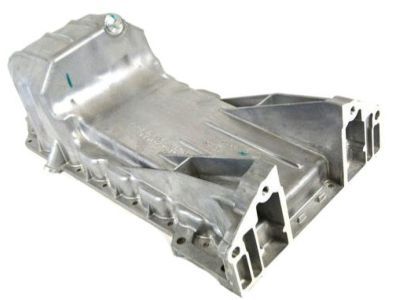
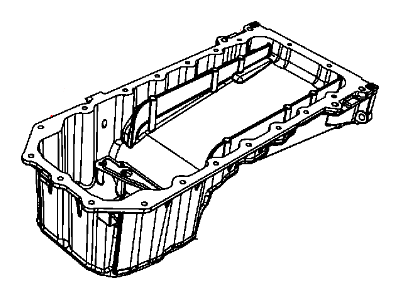
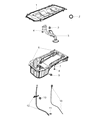 Product Specifications
- Other Name: Pan Engine Oil
- Replaced by: 5037634AC
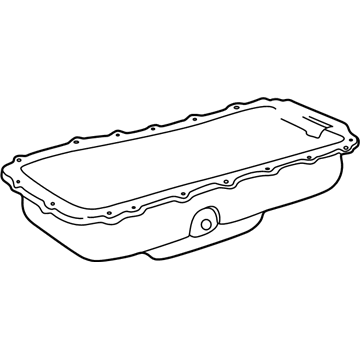
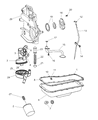 Product Specifications
- Other Name: Pan Engine Oil; Oil Pan
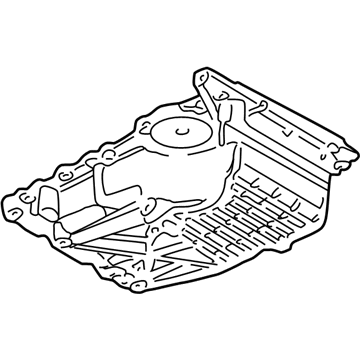
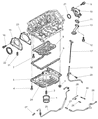 Product Specifications
- Other Name: Pan Oil; Oil Pan
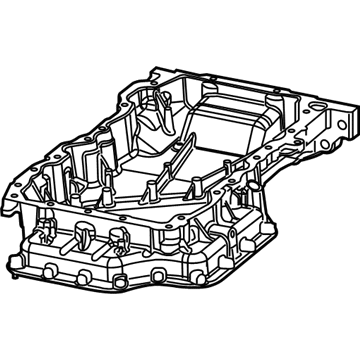
 Product Specifications
- Other Name: Pan-Engine Oil; Oil Pan
- Replaces: 68249488AD, 68249488AC
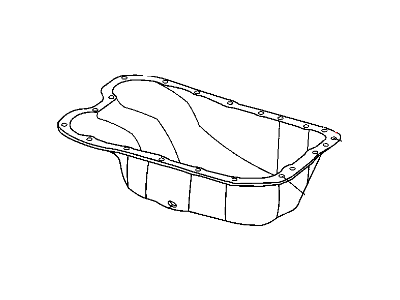
 Product Specifications
- Other Name: Pan Oil
- Replaced by: 4884665AF
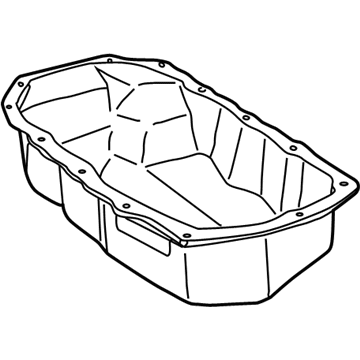
 Product Specifications
- Other Name: Pan Engine Oil; Oil Pan
- Replaces: 4884385AB, 4884385AD
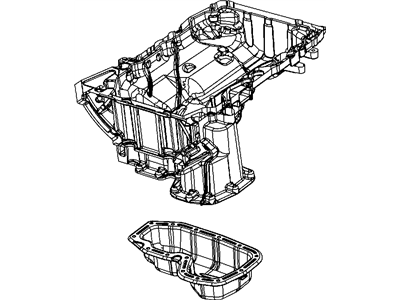
 Product Specifications
- Other Name: Pan Engine Oil
- Replaced by: 68051599AE
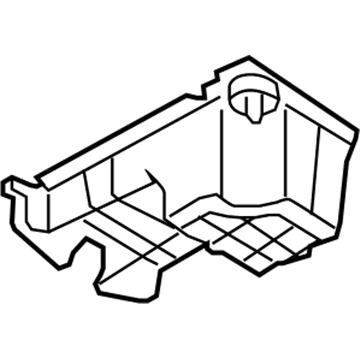
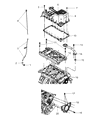 Product Specifications
- Other Name: Pan Oil; Oil Pan
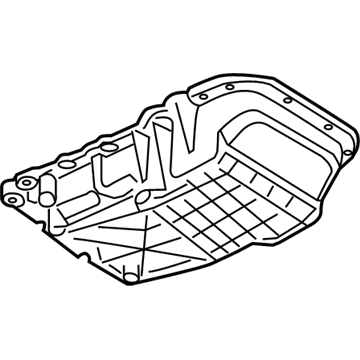
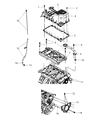 Product Specifications
- Other Name: Pan Oil; Oil Pan
- Replaces: 4792865AC
| Page 1 of 5 |Next >
1-20 of 100 Results
Chrysler Oil Pan
Our website has a huge selection of Chrysler Oil Pans at the optimal prices in the industry. If you need any genuine Chrysler Oil Pans, we ship them to your door step as we offer a fast delivery service. In addition, all OEM parts are backed by the manufacturer's warranty.
Chrysler Oil Pan Parts Questions & Experts Answers
- Q:How to remove and install an oil pan in V8 engine on Chrysler 300?A:The first step is to remove the battery's negative cable. This can be done by draining the coolant and supporting the vehicle using jack stands. To drain the engine oil, replace an oil filter and unscrew the dipstick for engine oil. Following this, take away the engine splash shield and separate exhaust pipes from manifold outlets. Thereafter, do away with cooling fans, shroud of same as well as cross member power steering gear taking care not to disconnect intermediate shaft coupler, tie rod ends or power steering fluid lines. The use of your automotive crane will facilitate easy lifting of the engine in question whereby removal of left-hand side and right hand side engine-to-subframe nuts plus bolts becomes possible. At first it is necessary to consider all bolts on an oil pan before you lower it from an engine; otherwise force will have to be applied. That tray must be replaced while one removes that pan since it is part of blocks' new parts when their pans are taken off. You should begin by installing a new gasket plus windage tray followed by washing out pan using solvent when preparing for reassembly or installation. In cleaning both block surfaces where pan mounts and pan's surface itself from old sealer along with gasket material resort may be had towards cleaner/ thinner lacquer materials in case there is some distortion in that device caused by straightening flange; overall gasket faces ought to be wiped clean with thinner/ acetone solvents so they are ready for assembly operations. After that, RTV sealant must be applied at specified locations through attachment of single-piece oil pan gasket via contact cement type adhesive designed for use on gaskets meant for mounting on upper surfaces of the block directly above crankcases; aside from this alignment studs should now face each other properly within a specific place called block hole having been used prior thereto only because there still remained enough room throughout entire space between cylinder heads under intake manifolds of carburetors which weren't much higher than blocks themselves but still had sufficient clearance concerning each other. You will have to lift pan into its final location making sure not to disturb gasket and put several bolts in place only finger tight while looking out for any portion extending beyond perimeter around block. Finally, install oil pan nuts onto studs by tightening fasteners as per correct torque sequence after all bolts have been placed; meanwhile the remaining reverse procedures of disassembly should be followed until you are through with installation.
- Q:How to disconnect the cable from the negative battery terminal and replace the oil pan in 3.3L and 3.8L V6 engine on Chrysler Imperial?A:Remove the cable from the negative terminal of the battery, now, lift the front part of car and support it with jack stands. Engage the parking brake and jam the rear wheels for security. The process starts with the unscrewing of the lower splash pan and subsequent evacuation of the engine oil before going ahead and unscrewing of the lower flywheel or driveplate cover. next step is to pull out the starter, unbolt and un nut the oil pan from the block by using a soft faced hammer this should pop of the oil pan without causing any dents. Do not attempt to pry between the block and the pan to remove it since this will compromise on sealing surfaces, use pounding on the pan to release the gaskel. We clean the pan with solvent, to get all old sealant and gasket material off the flange surface, and make sure the bolts holes in the block are free. One must check the condition of the oil pan flange and in case of distortion, can be flattened with the help of a hammer on a wooden piece. Use RTV sealant to wet the bottom surface of the timing chain cover and the rear main oil seal retainer ,them install a new gasket to the oil pan flange. Ensure the oil pan fits on the block as you usually fit the nuts and bolts by using a crisscross pattern and tighten then to your desired torque in three progressive steps. Finally, add oil into the engine, start the vehicle and let it warm, and check of there is any signs of leakage.
- Q:How to remove and install an oil pan in 2.7L V6 engine on Chrysler Sebring?A:To change the oil pan, first of all, one has to detach the negative cable of battery from the remote ground terminal. Then, using the wrench, unscrew the oil dipstick and also, unscrew the oil dipstick tube mounting bolt, thereafter pulling out the tube from the oil pan. Lift the front of the vehicle and suppor it safely on jack stands, engage the parking brake and put chocks in front of the rear wheels. Should the provisions exist, pull the under-vehicle splash shield and its right lower counterpart, then emptied the engine oil and take off the filter. Detach the through-bolt at the front of the engine with the front mount and the one between the cross member and longitudinal cross member while at the back, take off the transaxle-to-oil pan support brace at the rear of the pan. There are some through bolts that secure the transaxle oil cooler lines and you should remove them to make way for removing the oil pan, so should you also remove the lower bolt of the air conditioning compressor and the bolt that attaches the alternator bracket to the oil pan. Very gently unbolt the pan and nuts and then take off the oil pan from the block; do not use any force and pry between the two to damage the sealing surfaces; pry on the casting flange at the front end of the pan. For instalation, wash the pan with solvent and having to removed old sealant and gasket deposits from the mating surfaces, having to ensure that bolt airways in block are free as well as checking the oil pan flange for damage. Put RTV sealant on the oil pan rail parting lines and place gasket on the block. Place the oil pan on the block and fit the nuts and bolts; tighten in a staggered sequence as indicated torque measures in three sequences. Steps for tightening the bolts should be also two stepped with the center bolts tightened to some specific torque, then the rest of the bolts to the same torque. Last, add oil into the engine, fit the filter, and start the engine and allow it to warm up to normal temperature then look for oil leaks.
Related Chrysler Parts
 Chrysler Oil Filter
 Chrysler Rod Bearing
 Chrysler Drain Plug
 Chrysler Crankshaft Pulley
 Chrysler Piston Ring Set
 Chrysler Oil Cooler
 Chrysler Oil Pressure Switch
 Chrysler Dipstick
 Chrysler Dipstick Tube
 Chrysler Drain Plug Washer
 Chrysler Oil Pump
 Chrysler Crankshaft Thrust Washer Set
Browse by Model
200 Oil Pan 300 Oil Pan 300M Oil Pan Aspen Oil Pan Cirrus Oil Pan Concorde Oil Pan Conquest Oil Pan Crossfire Oil Pan Grand Voyager Oil Pan Imperial Oil Pan Laser Oil Pan LeBaron Oil Pan LHS Oil Pan New Yorker Oil Pan Pacifica Oil Pan Prowler Oil Pan PT Cruiser Oil Pan Sebring Oil Pan TC Maserati Oil Pan Town & Country Oil Pan Voyager Oil Pan