
My Garage
My Account
Cart
Genuine 2013 Chrysler 200 Crankshaft Seal
- Select Vehicle by Model
- Select Vehicle by VIN
Select Vehicle by Model
orMake
Model
Year
Select Vehicle by VIN
For the most accurate results, select vehicle by your VIN (Vehicle Identification Number).
4 Crankshaft Seals found
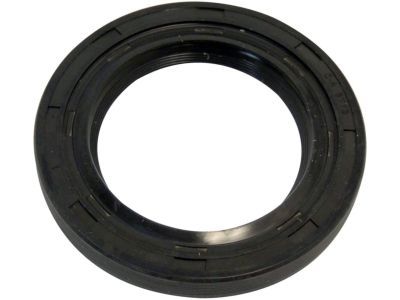
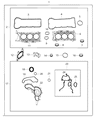
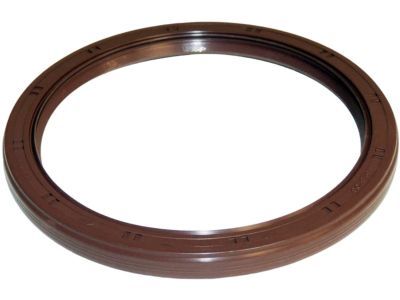
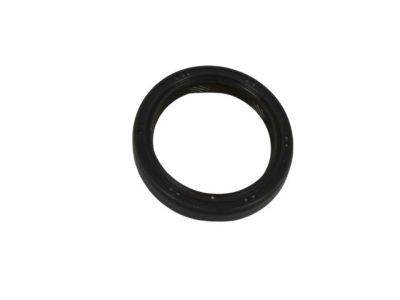
2013 Chrysler 200 Crankshaft Oil Seal
Part Number: 68079589AA$19.81 MSRP: $28.35You Save: $8.54 (31%)Product Specifications- Other Name: Seal Crankshaft Oil Front
- Replaces: 5184541AB
- Item Weight: 0.30 Pounds
- Item Dimensions: 0.6 x 2.9 x 2.9 inches
- Condition: New
- Fitment Type: Direct Replacement
- SKU: 68079589AA
- Warranty: This genuine part is guaranteed by Mopar's factory warranty.
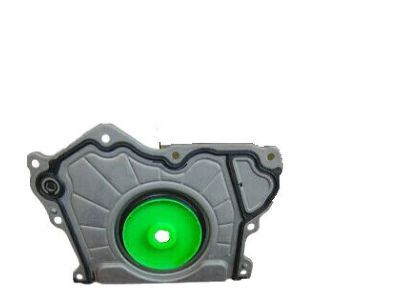
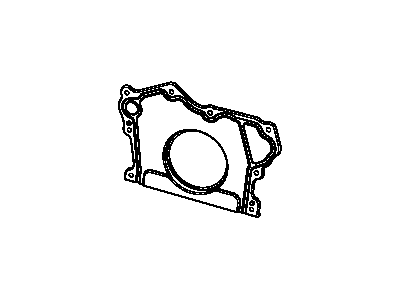
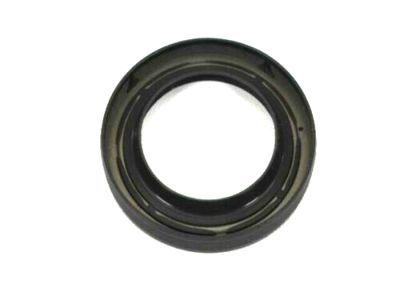
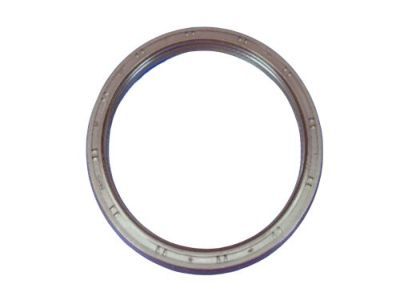
2013 Chrysler 200 Cover-CRANKSHAFT Rear Oil
Part Number: 5184285AG$64.13 MSRP: $95.00You Save: $30.87 (33%)Product Specifications- Other Name: RETAINER And Seal Crankshaft Rear Oil
- Position: Rear
- Replaced by: 68433335AA
- Item Weight: 1.60 Pounds
- Item Dimensions: 4.4 x 8.2 x 10.8 inches
- Condition: New
- Fitment Type: Direct Replacement
- SKU: 5184285AG
- Warranty: This genuine part is guaranteed by Mopar's factory warranty.
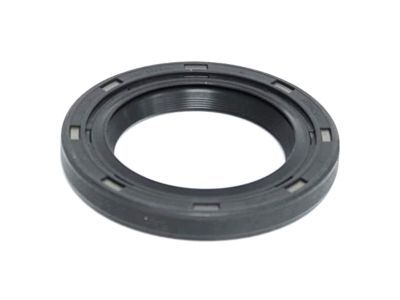
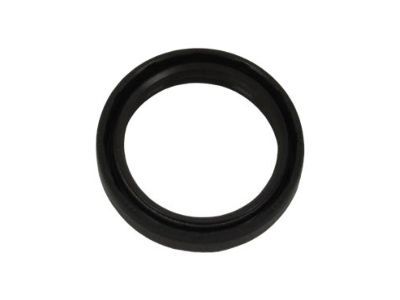
2013 Chrysler 200 Crankshaft Oil Seal
Part Number: 5047167AA$24.76 MSRP: $35.43You Save: $10.67 (31%)Product Specifications- Other Name: Seal Crankshaft Oil Rear; Rear Main Seal, Rear Seal
- Replaces: 2144325000
- Item Weight: 0.40 Pounds
- Item Dimensions: 0.7 x 4.6 x 4.5 inches
- Condition: New
- Fitment Type: Direct Replacement
- SKU: 5047167AA
- Warranty: This genuine part is guaranteed by Mopar's factory warranty.
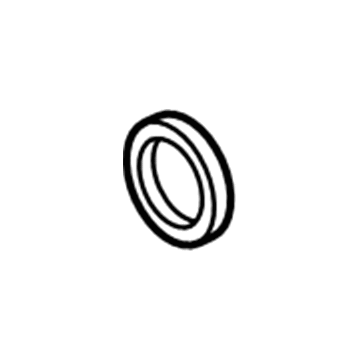
 Product Specifications
- Other Name: Seal Crankshaft Oil Front
- Item Weight: 0.30 Pounds
- Item Dimensions: 0.5 x 2.4 x 2.5 inches
- Condition: New
- SKU: 2142125000
- Warranty: This genuine part is guaranteed by Mopar's factory warranty.
2013 Chrysler 200 Crankshaft Seal
On our website, we proudly offer genuine 2013 Chrysler 200 Crankshaft Seal at the market's great competitive prices. We are confident that choosing brand new OEM 2013 Chrysler 200 Crankshaft Seal from our site will save you both trouble and money.
2013 Chrysler 200 Crankshaft Seal Parts Questions & Experts Answers
- Q:How to remove and install a crankshaft seal in 2.7L V6 engine on 2013 Chrysler 200?A:To access the crankshaft sprocket remove the crankshaft pulley from the engine. Remove the seal with a seal removal tool, or a large screwdriver, enlarging the area around the seal bore and the crankshaft without damaging them. Seal or interface with the oil should not be scratched, gaoed or otherwise altered in a way that will hinder proper fitting. Scrape out the bore to remove any remnants of the seal material and rust or any other form of corrosion and then place the new seal in the bore of the shaft such that the side of the seal that contains the spring is placed towards the interior of the engine. The use of a small quantity of oil in the outer circumference of the new seal aids installation, although it is not advisable to use considerable amount of oil. Place a seal driver or a large socket over the seal and forcefully hit it with a hammer until the seal is forced into the bore and bottoms on the cover flange while the socket goes around the outside diameter of the seal. Oil the seal lips with the engine oil and then replace the crankshaft pulley. The residual installation steps are done in the reverse manner to the removal process and then a test of the engine should be conducted in order to check the oil leakage.
Related 2013 Chrysler 200 Parts
 2013 Chrysler 200 Cylinder Head Gasket
 2013 Chrysler 200 Cylinder Head
 2013 Chrysler 200 Dipstick
 2013 Chrysler 200 Crankshaft Pulley
 2013 Chrysler 200 Crankshaft
 2013 Chrysler 200 Crankcase Breather Hose
 2013 Chrysler 200 Dipstick Tube
 2013 Chrysler 200 Crankshaft Thrust Washer Set
 2013 Chrysler 200 Crankshaft Timing Gear
 2013 Chrysler 200 Differential Bearing