
My Garage
My Account
Cart
Genuine 2013 Dodge Challenger Camshaft
Cam- Select Vehicle by Model
- Select Vehicle by VIN
Select Vehicle by Model
orMake
Model
Year
Select Vehicle by VIN
For the most accurate results, select vehicle by your VIN (Vehicle Identification Number).
8 Camshafts found
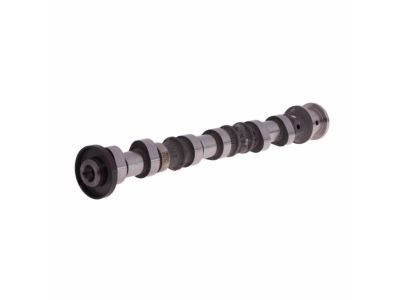
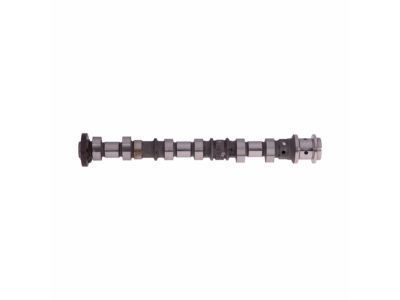
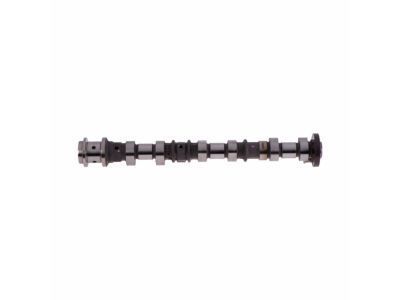
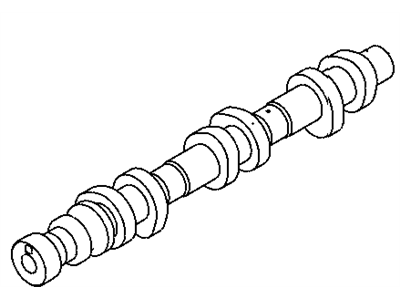
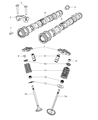
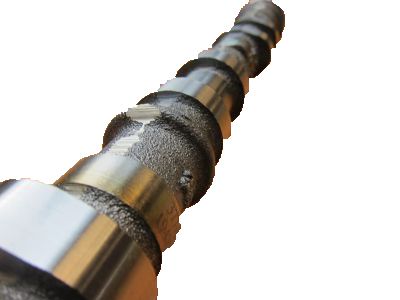
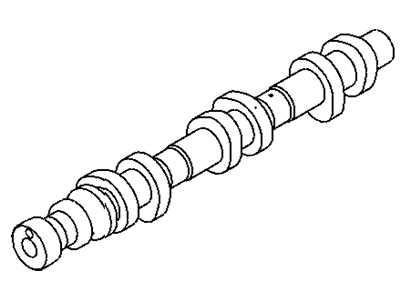
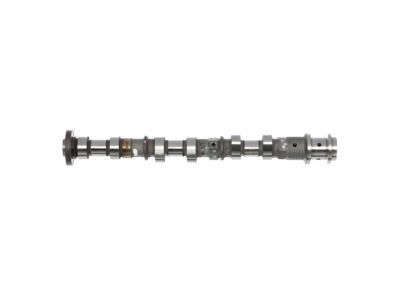
2013 Dodge Challenger Engine Intake Camshaft
Part Number: 5184380AF$353.10 MSRP: $541.00You Save: $187.90 (35%)Product Specifications- Other Name: Camshaft-Intake
- Replaced by: 5184380AH
- Item Weight: 5.20 Pounds
- Item Dimensions: 24.9 x 6.1 x 6.0 inches
- Condition: New
- Fitment Type: Direct Replacement
- SKU: 5184380AF
- Warranty: This genuine part is guaranteed by Mopar's factory warranty.
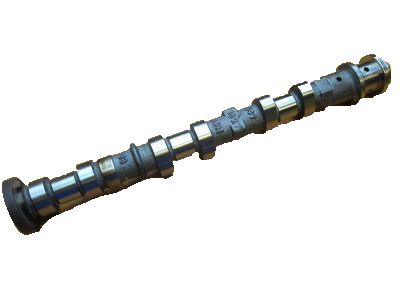
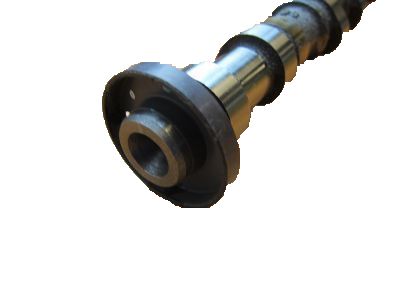
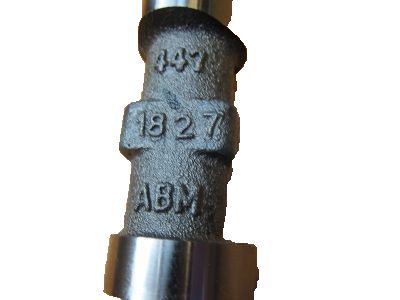
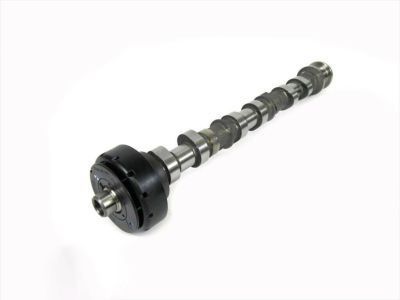
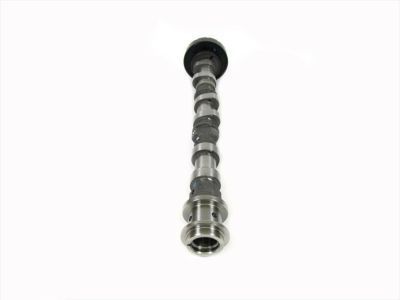
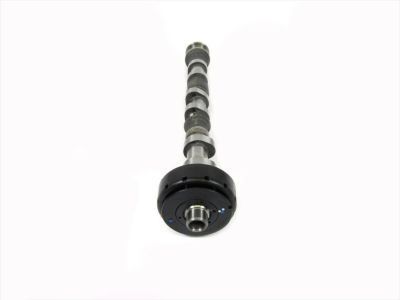
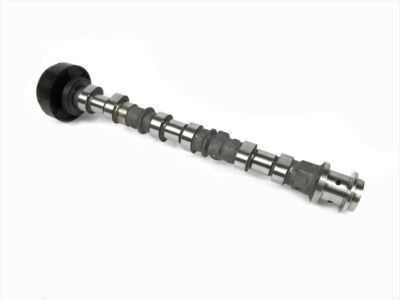
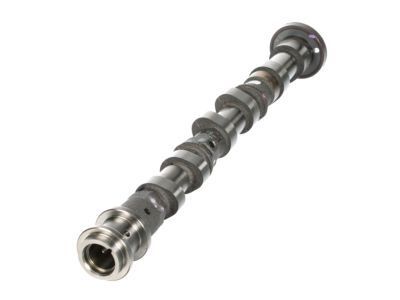
2013 Dodge Challenger Engine Exhaust Camshaft
Part Number: 5184377AF$361.90 MSRP: $553.00You Save: $191.10 (35%)Product Specifications- Other Name: Camshaft-Exhaust
- Replaced by: 5184377AH
- Item Weight: 4.80 Pounds
- Item Dimensions: 6.1 x 4.0 x 21.8 inches
- Condition: New
- Fitment Type: Direct Replacement
- SKU: 5184377AF
- Warranty: This genuine part is guaranteed by Mopar's factory warranty.
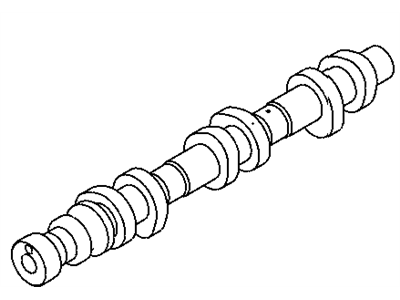
2013 Dodge Challenger Engine Exhaust Camshaft Right
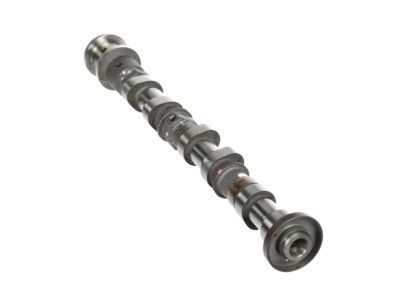
Part Number: 5184378AF$353.10 MSRP: $541.00You Save: $187.90 (35%)Product Specifications- Other Name: Camshaft-Exhaust
- Position: Passenger Side
- Replaced by: 5184378AH
- Item Weight: 4.20 Pounds
- Item Dimensions: 5.9 x 4.1 x 21.6 inches
- Condition: New
- Fitment Type: Direct Replacement
- SKU: 5184378AF
- Warranty: This genuine part is guaranteed by Mopar's factory warranty.
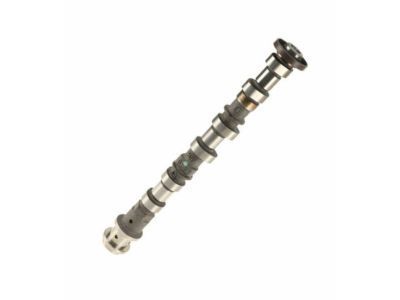
2013 Dodge Challenger Engine Intake Camshaft
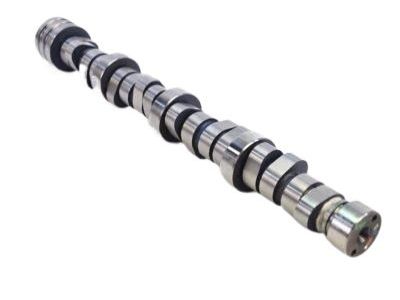
Part Number: 5184379AF$353.10 MSRP: $541.00You Save: $187.90 (35%)Product Specifications- Other Name: Camshaft-Intake
- Replaced by: 5184379AH
- Item Weight: 4.70 Pounds
- Item Dimensions: 6.0 x 4.0 x 22.2 inches
- Condition: New
- Fitment Type: Direct Replacement
- SKU: 5184379AF
- Warranty: This genuine part is guaranteed by Mopar's factory warranty.
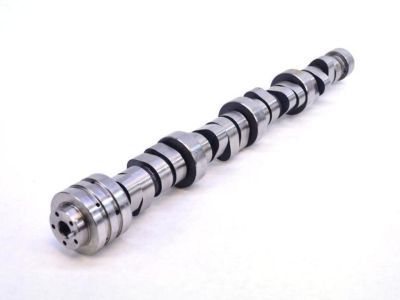
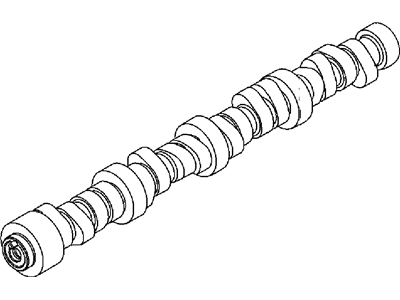
2013 Dodge Challenger Engine Camshaft
Part Number: 5038419AB$318.43 MSRP: $542.00You Save: $223.57 (42%)Product Specifications- Other Name: Camshaft-Engine; Camshaft
- Item Weight: 14.10 Pounds
- Item Dimensions: 23.1 x 7.2 x 5.1 inches
- Condition: New
- Fitment Type: Direct Replacement
- SKU: 5038419AB
- Warranty: This genuine part is guaranteed by Mopar's factory warranty.
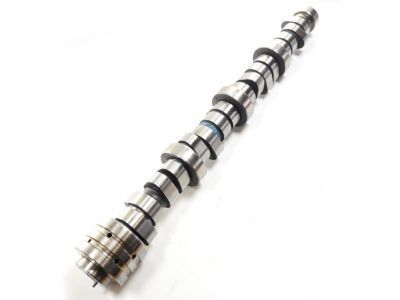
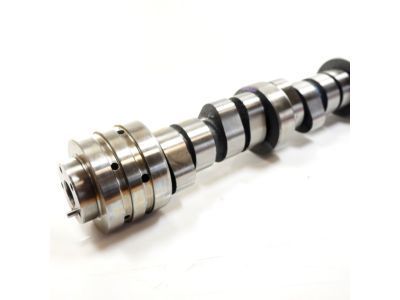
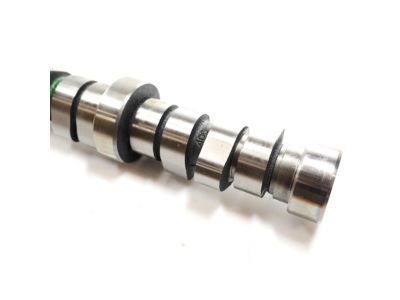
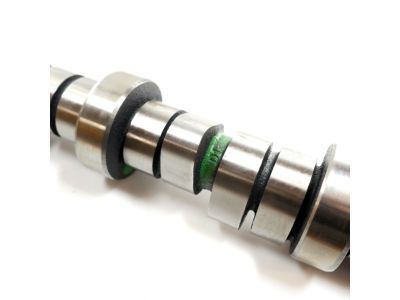
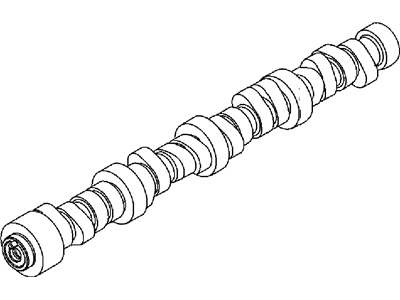
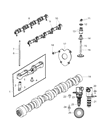
2013 Dodge Challenger Engine Camshaft
Part Number: 53022372AA$462.84 MSRP: $681.18You Save: $218.34 (33%)Product Specifications- Other Name: Camshaft-Engine; Camshaft
- Item Weight: 12.60 Pounds
- Item Dimensions: 6.1 x 4.1 x 22.0 inches
- Condition: New
- Fitment Type: Direct Replacement
- SKU: 53022372AA
- Warranty: This genuine part is guaranteed by Mopar's factory warranty.
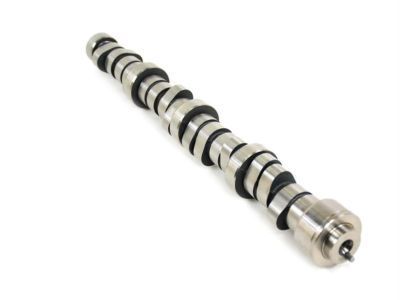
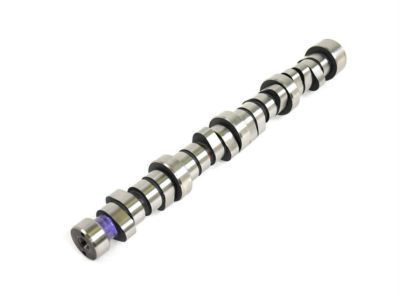
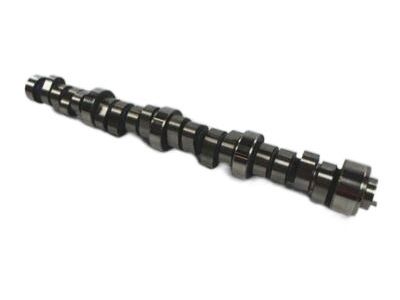
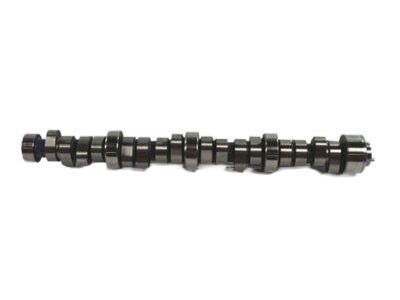
2013 Dodge Challenger Engine Camshaft
Part Number: 5037379BC$372.78 MSRP: $545.00You Save: $172.22 (32%)Product Specifications- Other Name: Camshaft-Engine; Camshaft
- Item Weight: 13.00 Pounds
- Item Dimensions: 25.4 x 6.2 x 6.2 inches
- Condition: New
- Fitment Type: Direct Replacement
- SKU: 5037379BC
- Warranty: This genuine part is guaranteed by Mopar's factory warranty.
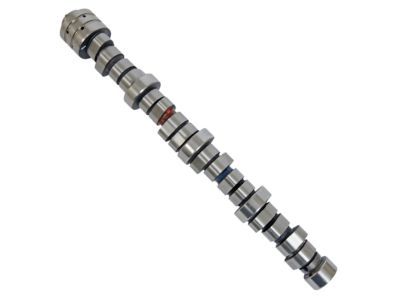
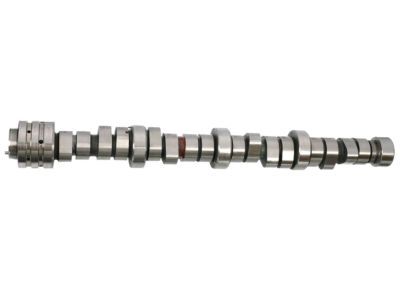
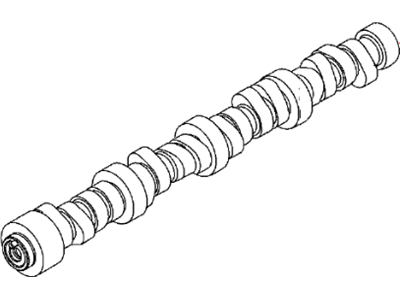
2013 Dodge Challenger Engine Camshaft
Part Number: 53022064BD$417.24 MSRP: $609.00You Save: $191.76 (32%)Product Specifications- Other Name: Camshaft-Engine; Camshaft
- Item Weight: 12.40 Pounds
- Item Dimensions: 22.4 x 4.0 x 6.0 inches
- Condition: New
- Fitment Type: Direct Replacement
- SKU: 53022064BD
- Warranty: This genuine part is guaranteed by Mopar's factory warranty.
2013 Dodge Challenger Camshaft
On our website, we proudly offer genuine 2013 Dodge Challenger Camshaft at the market's great competitive prices. We are confident that choosing brand new OEM 2013 Dodge Challenger Camshaft from our site will save you both trouble and money.
2013 Dodge Challenger Camshaft Parts Questions & Experts Answers
- Q:What are the steps involved in removing and inspecting camshafts in 3.5L V6 engine on 2013 Dodge Challenger?A:Prior to camshaft withdrawal, the cylinder head(s) have to be unbolted; the camshaft thrust plate as well as the O-ring seal removing them carefully while making sure that the cam bearings or journals are not damaged in the process and in addition, the camshaft oil seal has also to be removed. After the camshaft has been removed it should be washed in solvent and dried Turning now to the bearing journals, camshaft should be inspected for signs of wear, pitting and seizing presence, If the journals are pitted or seized then the cylinder head should also be checked. A micrometer should be used to measure the bearing journals and determine if they have worn out or if the bearing journals are out-of-round, against the standard measurements that are acceptable. The lobe height of each cam lobe on the intake camshaft should be measured and close tolerances should be checked with those of a standard which is 0.001 inch (0.025 mm); if set variations are higher than 0.010 inch (0.254 mm) then the camshaft should be changed. In case of the exhaust camshaft which has intake and exhaust lobes it is also measured in the same process to avoid making comparison between the two. Also, the camshaft lobes should then be thoroughly scrutinized for signs of heat distortion, scored marks, chipped regions, pits and surface-rust and wear, and if the scoring is heavily exaggerated then the camshaft should be replaced. If lobes of the camshaft are in good condition, in addition to the fact that the measurements of the lobe lift variation are within the predefined limits, the camshaft can be reused. For installation, apply camshaft installation lube on the camshaft bearing journals and the cam lobes before starting to push in the camshaft into the cylinder head; a new seal has to be installed at the front of the camshaft, and this can be done using a seal driver or deep socket to tap the seal into place. The camshaft cover should then be fitted to the head at the back, and a new O-ring should be used together with the following installation process being the reverse of the removal process.
Related 2013 Dodge Challenger Parts
 2013 Dodge Challenger Cylinder Head Gasket
 2013 Dodge Challenger Rocker Arm
 2013 Dodge Challenger Timing Cover
 2013 Dodge Challenger Crankshaft Pulley
 2013 Dodge Challenger Cylinder Head
 2013 Dodge Challenger Crankshaft
 2013 Dodge Challenger Cam Gear
 2013 Dodge Challenger Spool Valve