
My Garage
My Account
Cart
Genuine Chrysler Timing Belt
Engine Timing Belt- Select Vehicle by Model
- Select Vehicle by VIN
Select Vehicle by Model
orMake
Model
Year
Select Vehicle by VIN
For the most accurate results, select vehicle by your VIN (Vehicle Identification Number).
30 Timing Belts found
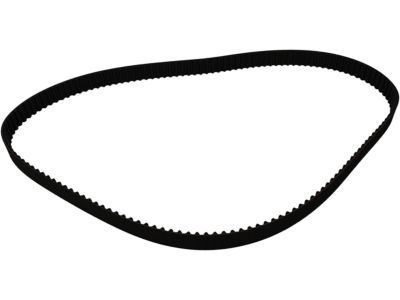
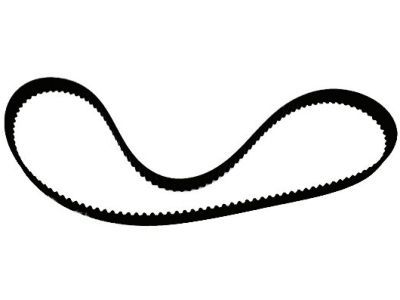
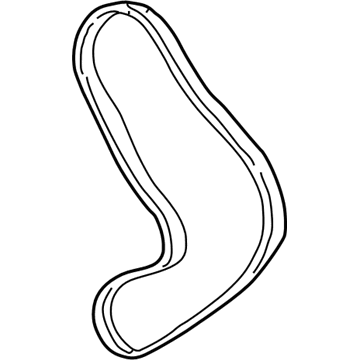
 Product Specifications
- Other Name: Belt Timing; Timing Belt
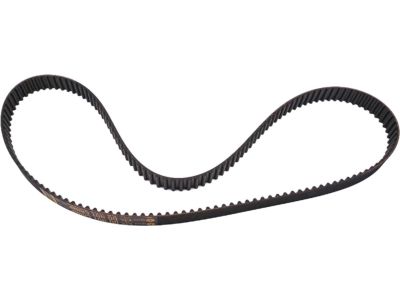
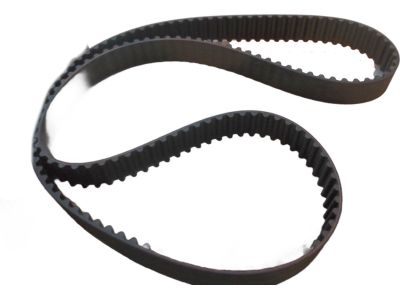
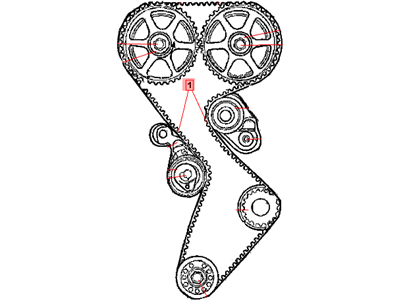 Product Specifications
- Other Name: Belt Timing
- Replaced by: TB000265AB
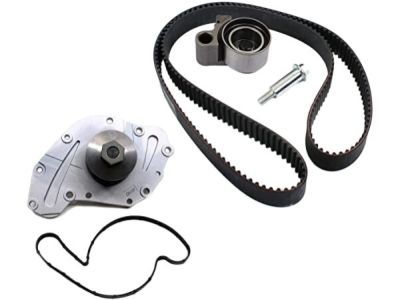
 Product Specifications
- Other Name: Belt, Timing
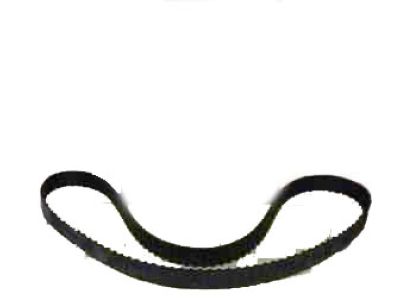
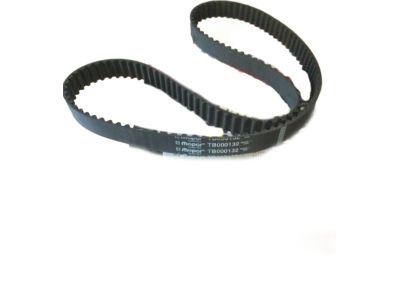
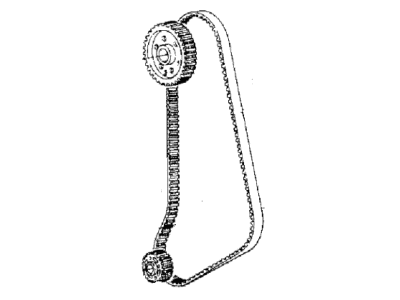
 Product Specifications
- Other Name: Belt, Timing; Timing Belt
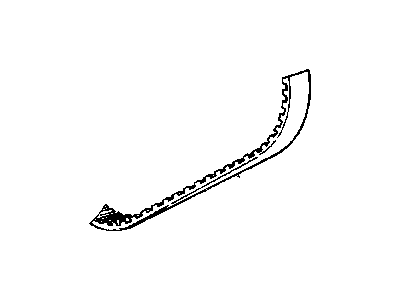
 Product Specifications
- Other Name: Belt, Timing
- Replaced by: 4663598
 Product Specifications
- Other Name: Belt Kit Timing
 Product Specifications
- Other Name: Belt, Timing; Timing Belt
- Replaces: TB000255, TB000255AB
 Product Specifications
- Other Name: Belt, Timing; Timing Belt
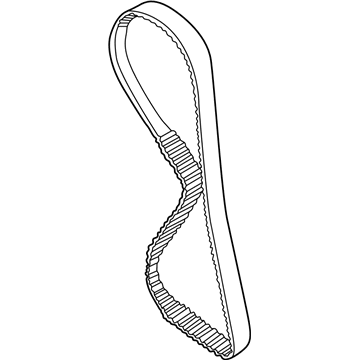
 Product Specifications
- Other Name: Belt Timing; Timing Belt
 Product Specifications
- Other Name: Belt, Timing; Belt, Tension Pulley, Timing Belt
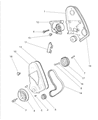 Product Specifications
- Other Name: Belt Timing
- Product Specifications
- Other Name: Belt, Timing
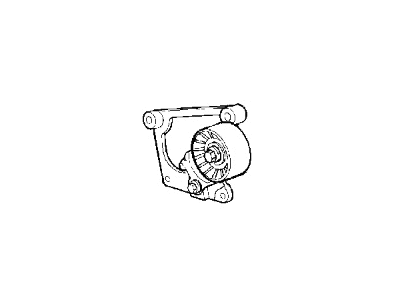
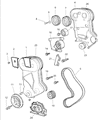 Product Specifications
- Other Name: Bracket Tensioner
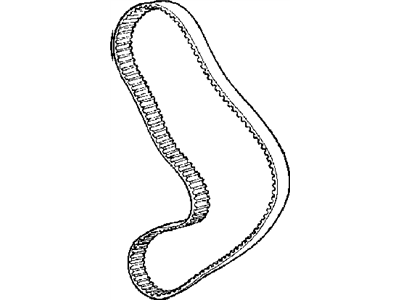
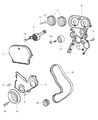 Product Specifications
- Other Name: Belt Timing
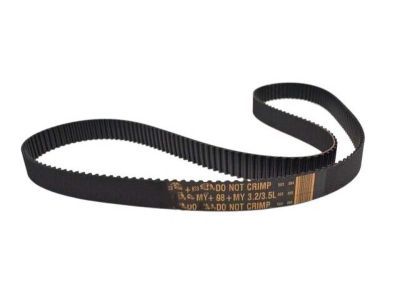

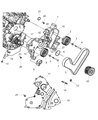 Product Specifications
- Other Name: Belt Timing; Timing Belt
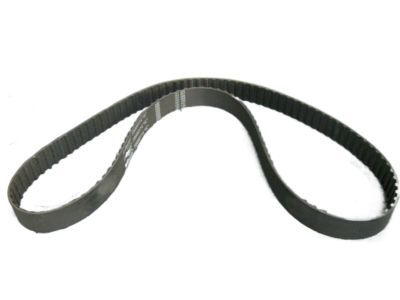
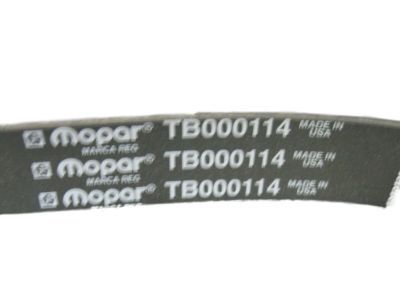
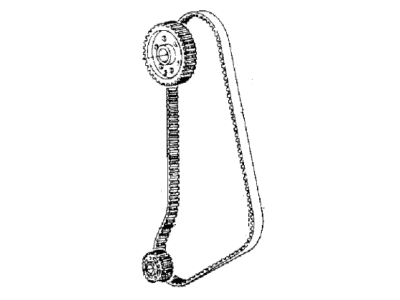
 Product Specifications
- Other Name: Belt, Timing; Belt, Timing Belt
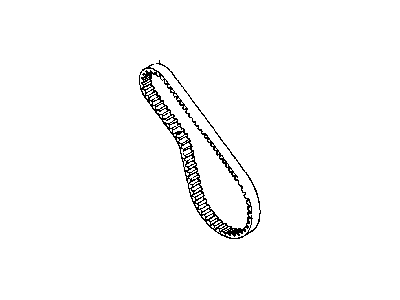
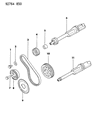 Product Specifications
- Other Name: Belt Timing
- Replaced by: MR984778
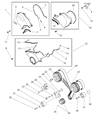 Product Specifications
- Other Name: Belt Timing
- Product Specifications
- Other Name: Belt, Timing
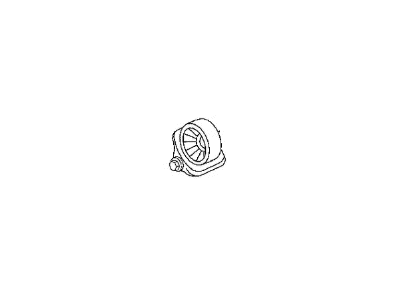 Product Specifications
- Other Name: PULLEY Assembly, Tensioner, w/Arm
| Page 1 of 2 |Next >
1-20 of 30 Results
Chrysler Timing Belt
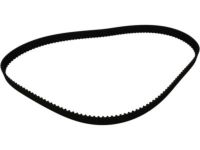
Our website has a huge selection of Chrysler Timing Belts at the optimal prices in the industry. If you need any genuine Chrysler Timing Belts, we ship them to your door step as we offer a fast delivery service. In addition, all OEM parts are backed by the manufacturer's warranty.
Chrysler Timing Belt Parts Questions & Experts Answers
- Q:What precautions should be taken when replacing a timing belt to avoid engine damage in V6 engine on Chrysler Cirrus?A:Some care is recommended as a timing belt may fail while the engine is on, which may lead to destruction of valves; an engine compression test should be conducted after the belt has been replaced to ascertain any extensive harm. Seat the piston closest to the timing belt sprocket when the timing belt has been removed, in order to avoid valve bending as a result of contact with the pistons if the crankshaft and cams are turned. For correct timing belt tensioning, the tool of MD 998767 is required, which is available in a dealership or from the Miller Special Tools. Start with the number one piston at the Top Dead Center, then, remove the negative terminal of the battery, and final drive belts. Realize and depart the crankshaft damper/pulley bolt one other and reinstall the crankshaft bolt for a turn with a spacer used after. Erase the upper left and lower timing belt shield, unbolt the power steering pump bracket and take off the upper-right timing belt shield. Remove the correct engine mount and make certain the engine is steady. Before removing the timing belt, position the timing marks on the crankshaft and camshaft sprockets and, if reinstalling the belt, indicate its direction of rotation. Unbolt and take out the timing belt tensioner and then ease off the timing belt, while avoiding to make contact with oil or water. The front crankshaft as well as the camshaft seals should be checked for signs of leakage, the water pump for leakage and the condition of the bearing and the tensioner and idler pulleys should be rotated to check for their roughness, while inspection of all the timing belt sprockets should be made to establish whether there is any damage to them. Check both the timing belt and the tensioner for cracks, signs of wear, or contamination and replace the belt if required; examine the tensioner unit for signs of leakage. For the installation check for proper alignment of the timing marks on both of the camshaft sprockets if misaligned correct, and ensure that the crankshaft sprocket is well aligned. Fit the timing belt at the right side of the right camshaft sprocket and over the water pump pulley on the left camshaft sprocket, and the idler pulley, then round the crankshaft sprocket within tension of the tensioner pulley. Screw the tensioner piston and fasten using an Allen wrench or drill bit, torque the tensioner pulley using the special tool. Place the tensioner assembly using the timing marks aligned and rotate the crankshaft two full cycles, feeling for the typical counter recoil that tells that the valves are developed an interference condition. Check the tension and alignment of the timing belt and if required adjust the same, ensure to reestablish the initial position and tighten the bolt of crankshaft damper/pulley.
Related Chrysler Parts
 Chrysler Lash Adjuster
 Chrysler Cylinder Head Gasket
 Chrysler Camshaft
 Chrysler Cylinder Head Bolts
 Chrysler Camshaft Seal
 Chrysler Cylinder Head
 Chrysler Timing Cover Gasket
 Chrysler Spool Valve
 Chrysler Crankshaft
 Chrysler Timing Chain
 Chrysler Cam Gear
 Chrysler Crankshaft Thrust Washer Set
Browse by Model
300 Timing Belt 300M Timing Belt Cirrus Timing Belt Concorde Timing Belt Grand Voyager Timing Belt Imperial Timing Belt Laser Timing Belt LeBaron Timing Belt LHS Timing Belt New Yorker Timing Belt Pacifica Timing Belt Prowler Timing Belt PT Cruiser Timing Belt Sebring Timing Belt TC Maserati Timing Belt Town & Country Timing Belt Voyager Timing Belt