
My Garage
My Account
Cart
Genuine Dodge Drive Shaft
Axle Shaft- Select Vehicle by Model
- Select Vehicle by VIN
Select Vehicle by Model
orMake
Model
Year
Select Vehicle by VIN
For the most accurate results, select vehicle by your VIN (Vehicle Identification Number).
629 Drive Shafts found
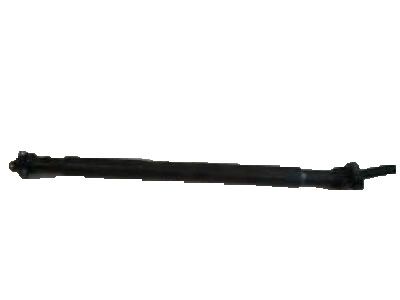
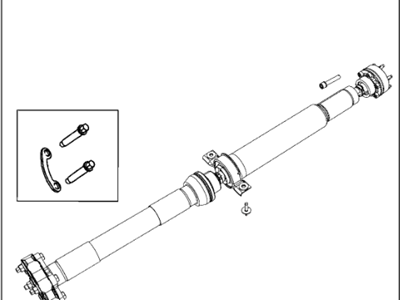
 Product Specifications
- Other Name: Shaft Drive Rear 2-Piece
- Replaced by: 52123633AD
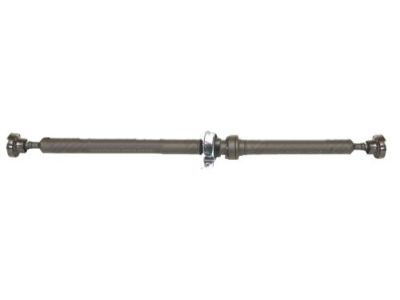
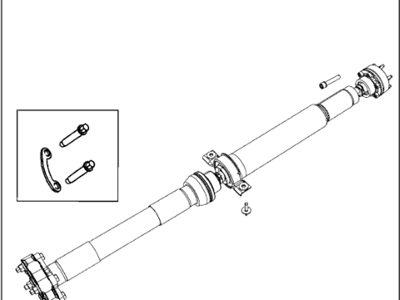
 Product Specifications
- Other Name: Shaft Drive Rear 2-Piece
- Position: Rear
- Replaced by: 52123799AC
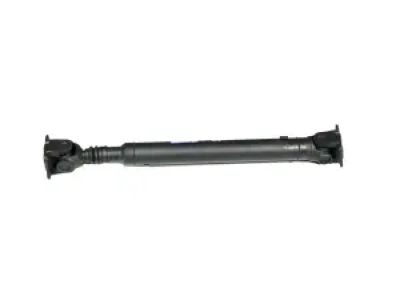
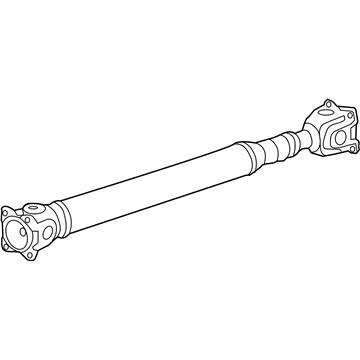
 Product Specifications
- Other Name: Drive Shaft, Drive Shaft Assembly
- Replaces: 68200149AB, 68200149AC, 68200149AA, 68200149AD
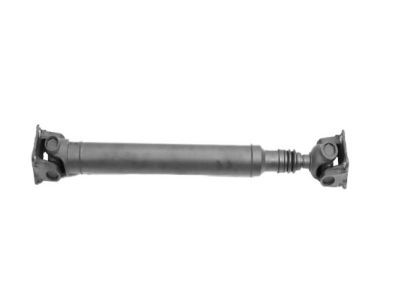
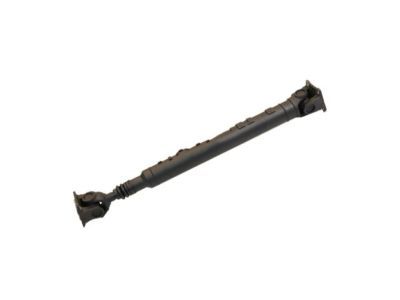
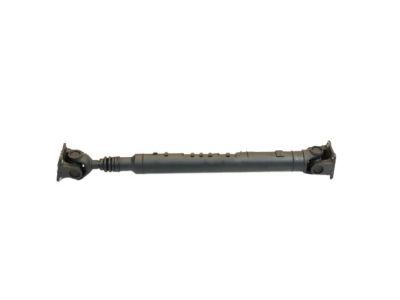
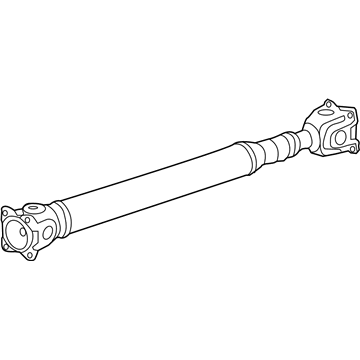
 Product Specifications
- Other Name: Shaft-Drive
- Replaced by: 68200149AE
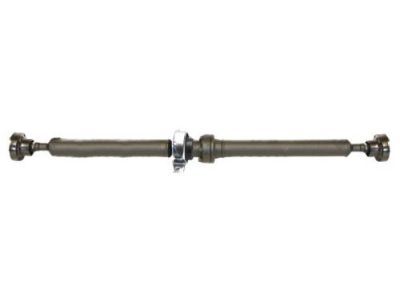
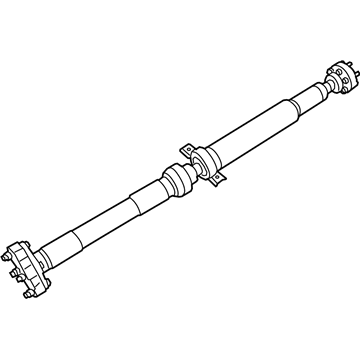
 Product Specifications
- Other Name: Shaft-Drive
- Replaced by: 52123633AD
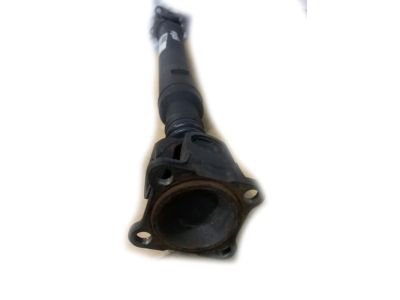
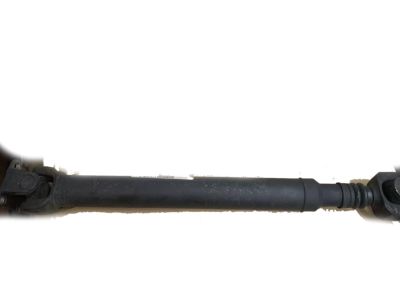
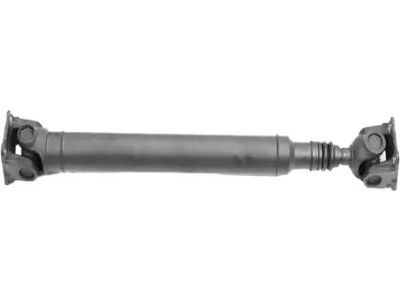
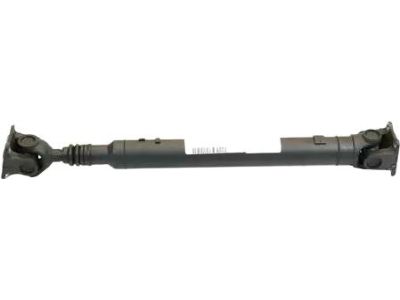
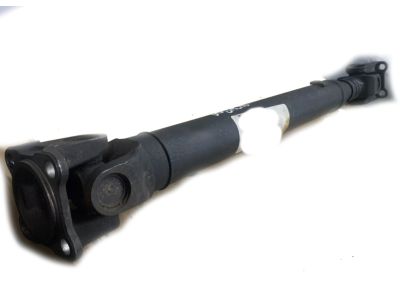
 Product Specifications
- Other Name: Shaft-Drive
- Replaced by: 68200149AE
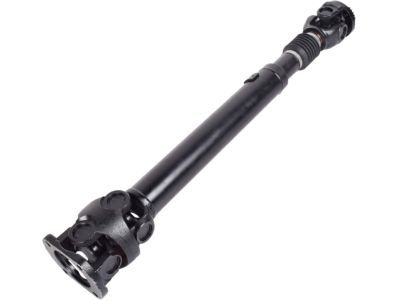
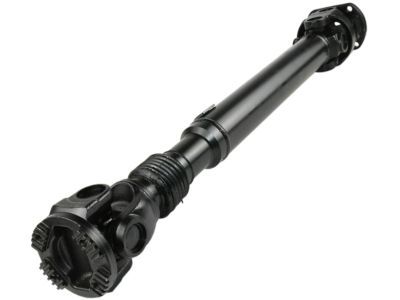
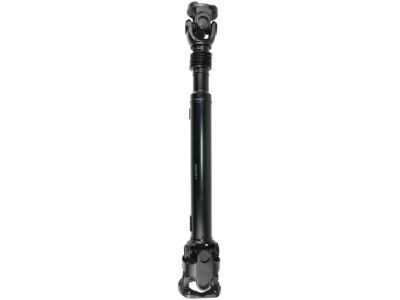
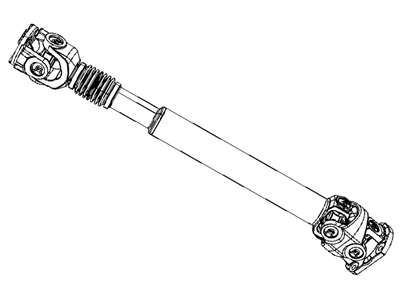
 Product Specifications
- Other Name: Shaft-Drive
- Position: Front
- Replaced by: 52123326AD
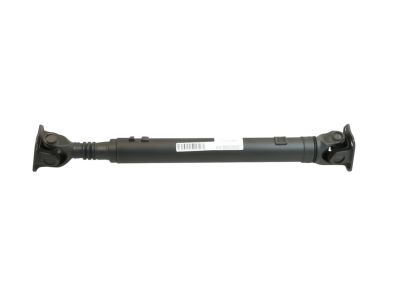
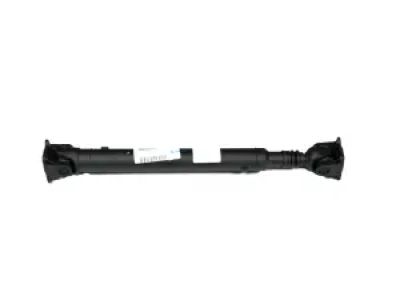
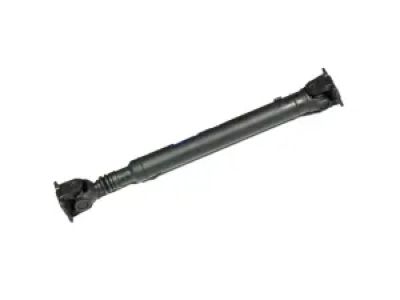
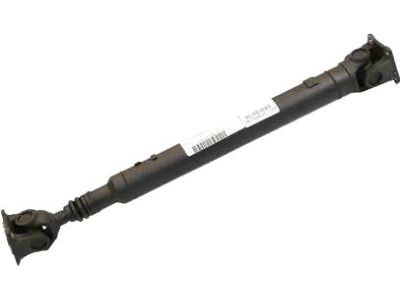
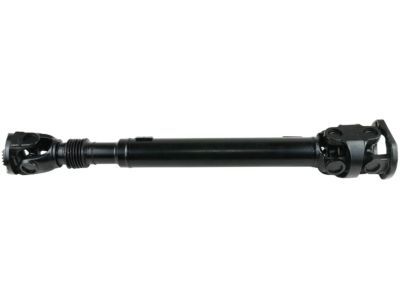
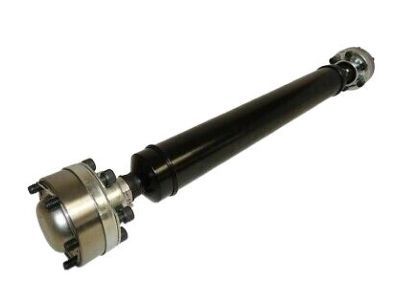
Dodge Front Drive Shaft Assembly
Part Number: 68200149AC$568.70 MSRP: $867.00You Save: $298.30 (35%)Product Specifications- Other Name: Shaft-Drive
- Position: Front
- Replaced by: 68200149AE
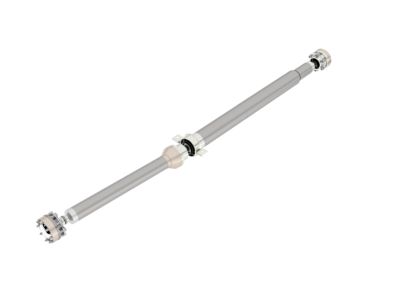
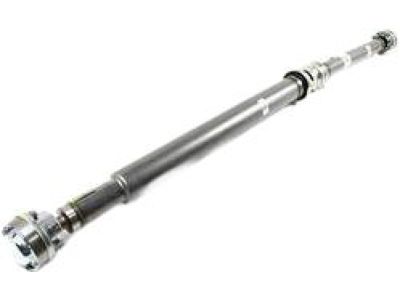
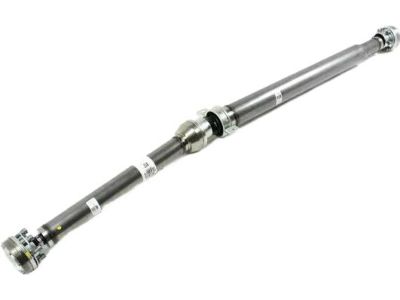
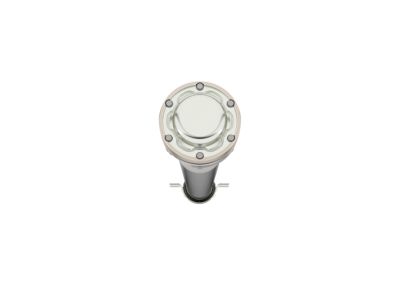
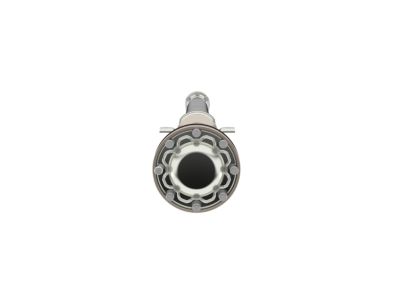
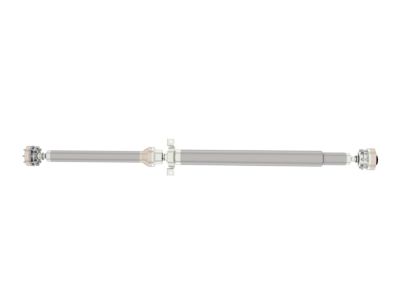
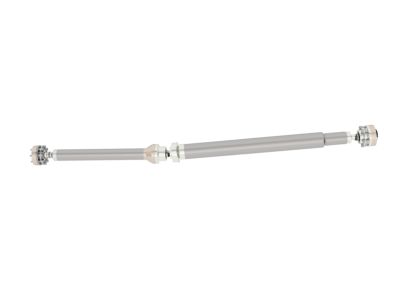 Product Specifications
- Other Name: Shaft-Drive
- Replaced by: 52123812AC
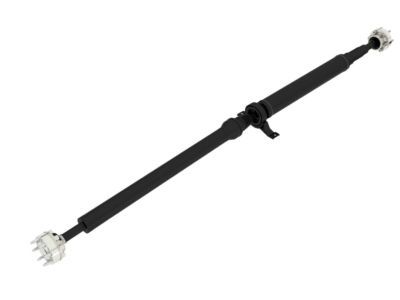
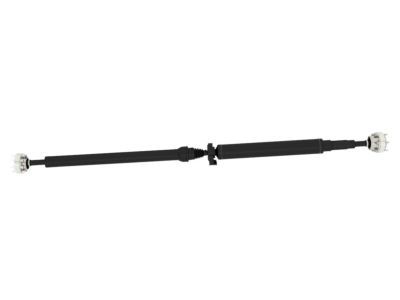
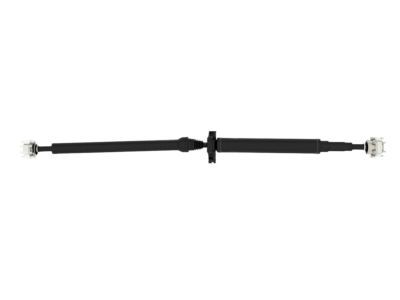
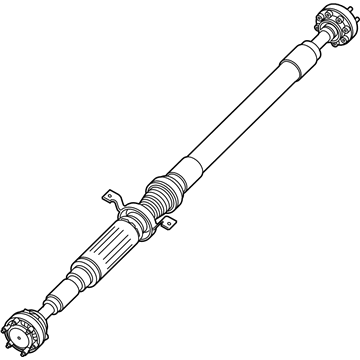
 Product Specifications
- Other Name: Shaft-Drive
- Replaced by: 52123973AI
- Replaces: 52123973AF, 52123973AC, 52123973AD, 52123973AE, 52123973AB, 52123973AG
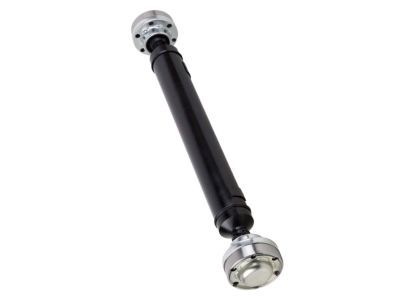
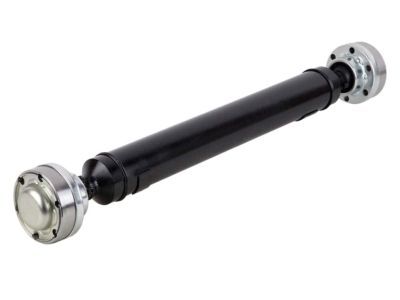
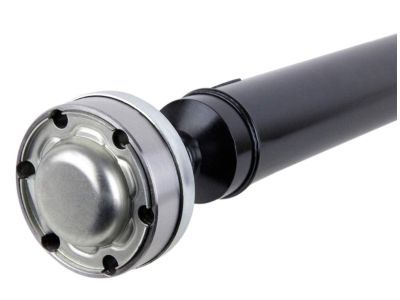
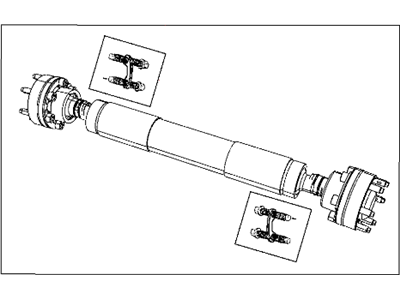
 Product Specifications
- Other Name: Shaft-Drive
- Replaced by: 52853641AF
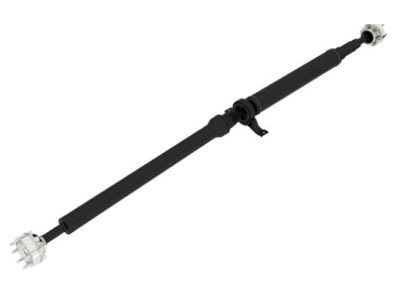
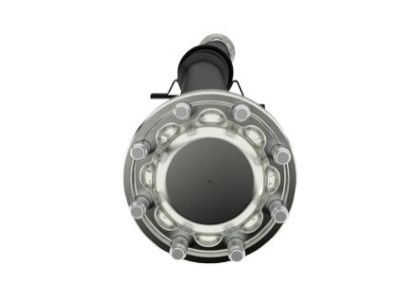
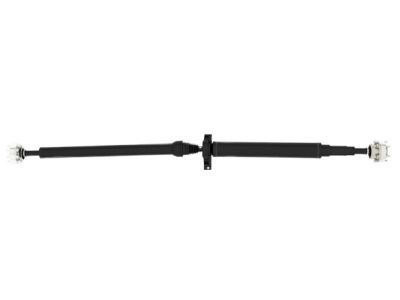
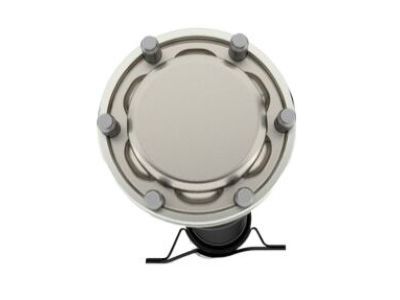
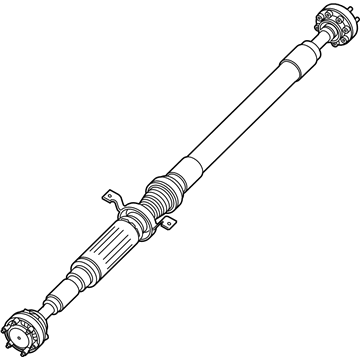
 Product Specifications
- Other Name: Shaft-Drive
- Replaced by: 52123973AI
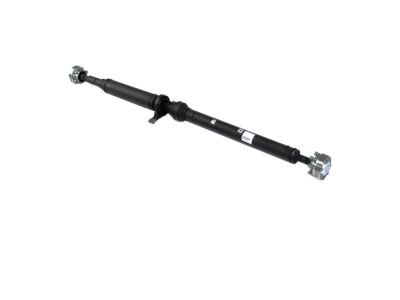
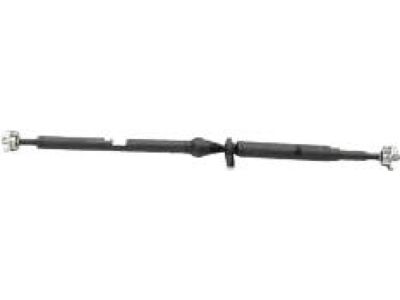
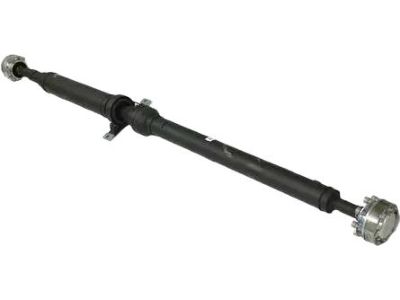
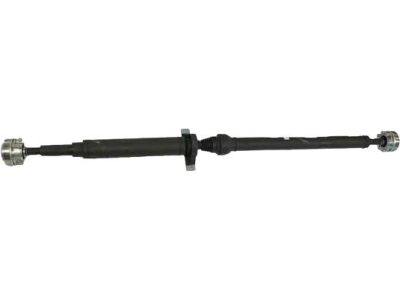
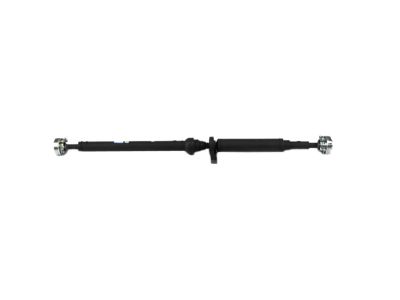
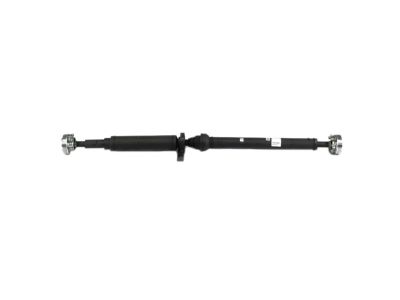
 Product Specifications
- Other Name: Shaft-Drive; Drive Shaft
- Replaced by: 68428040AC
- Replaces: 68277442AC, 68277442AB, 68277442AD, 68277442AA
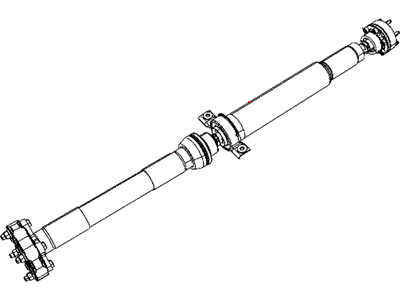
 Product Specifications
- Other Name: Shaft Drive Rear 2-Piece; Drive Shaft
- Position: Rear
- Replaces: 52123472AC, 52123472AE
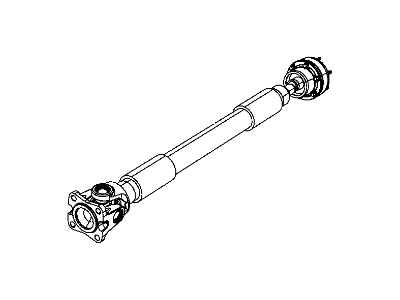
 Product Specifications
- Other Name: Shaft-Drive; Drive Shaft
- Replaces: 52853363AE, 52853363AC, 52853363AD, 52853363AB
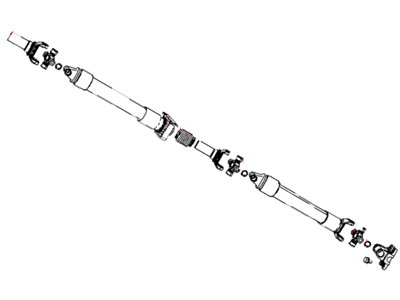
 Product Specifications
- Other Name: Shaft Drive Rear 2-Piece
- Position: Rear
- Replaced by: 52123940AB
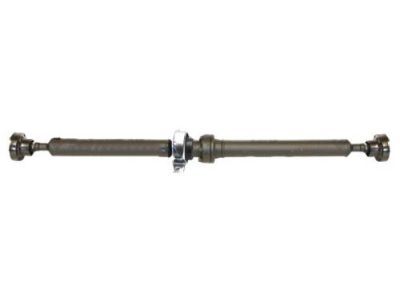
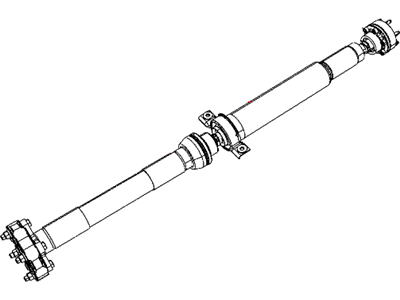
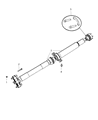 Product Specifications
- Other Name: Shaft Drive Rear 2-Piece
- Replaced by: 52123634AD
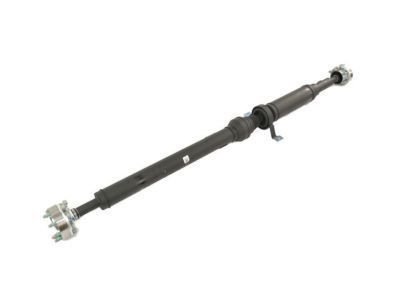
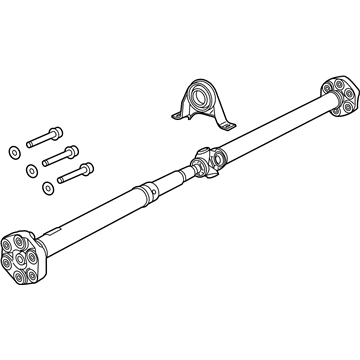
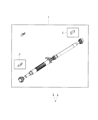 Product Specifications
- Other Name: Shaft-Drive
- Replaced by: 68272626AE
- Replaces: 52123980AE, 52123980AF, 52123980AD, 52123980AG, 52123980AC, 68272626AA, 68272626AB, 68272626AC
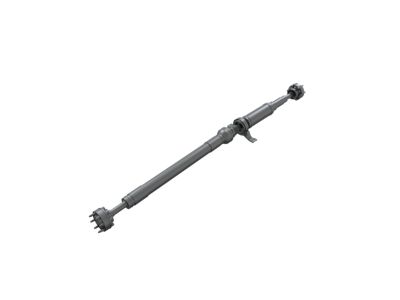
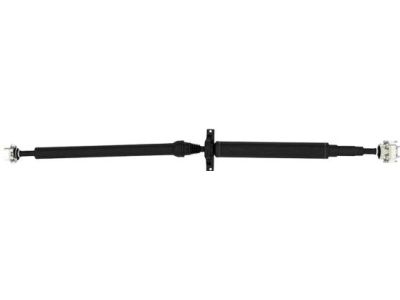
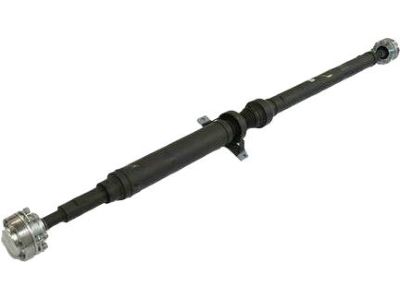
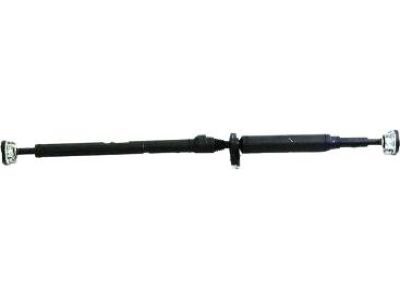
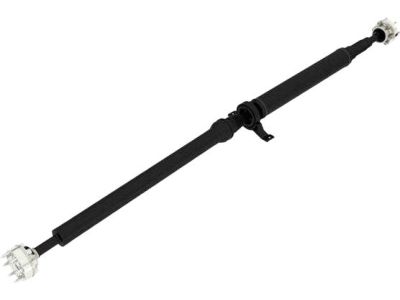
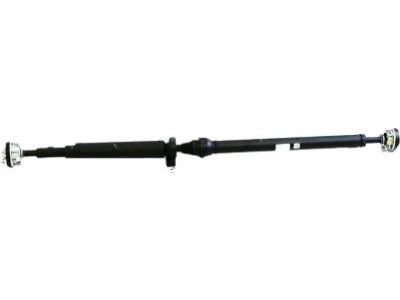
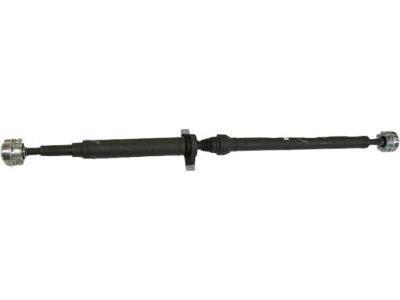
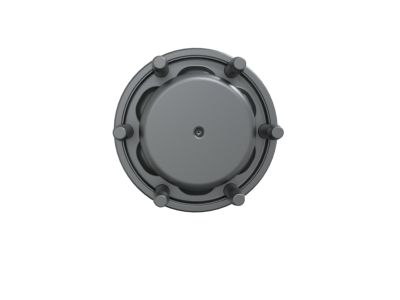
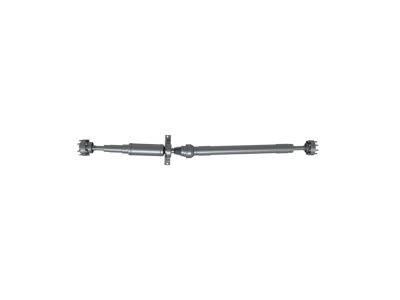 Product Specifications
- Other Name: Shaft-Drive
- Replaced by: 68261528AF
- Replaces: 68261528AA, 68261528AC, 68212031AD, 68212031AC, 68212031AB, 68261528AB
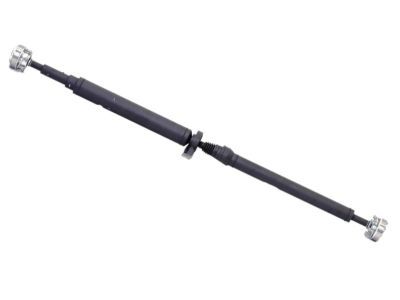 Product Specifications
- Other Name: Shaft-Drive
- Replaces: 53010735AE, 53010735AA, 53010735AD, 53010735AB, 53010735AC
| Page 1 of 32 |Next >
1-20 of 629 Results
Dodge Drive Shaft
Our website provides genuine Dodge Drive Shafts at competitive prices in the market. All of our OEM Dodge Drive Shafts come with the assurance of the manufacturer's warranty, a stress-free return policy, and speedy delivery service. So, you can shop with confidence.
Dodge Drive Shaft Parts Questions & Experts Answers
- Q:How is a Drive Shaft Constructed and Attached on Dodge Dakota?A:The driveshaft is of tubular construction and may be of a one or two-section type. The front driveshaft on 4WD models is bolted to a flange at the front axle pinion, while attachment to the transfer case may include a bolted flange or a splined sliding sleeve connecting it to the output shaft. The attachment of the rear driveshaft to the rear axle pinion flange is connected by bolted flange, while attachment to the transmission or transfer case may include a bolted flange or a splined sliding sleeve connecting it to the output shaft. The type of connection used depends on the transmission type. Where a two-section shaft is used, the shaft is supported near its forward end on a ball bearing which is flexibly mounted in a bracket attached to the frame cross member. The driveshaft is finely balanced during manufacture and it is recommended that care be used when universal joints are replaced to help maintain this balance. It is sometimes better to have the universal joints replaced by a dealership or shop specializing in this type of work. If you replace the joints yourself, mark each yoke in relation to the one opposite in order to maintain the balance. Do not drop the assembly during servicing operations.
Related Dodge Parts
 Dodge Torque Converter
 Dodge Shift Cable
 Dodge Axle Shaft
 Dodge Lug Nuts
 Dodge Transfer Case
 Dodge Wheel Bearing
 Dodge Flywheel
 Dodge Wheel Stud
 Dodge Valve Body
 Dodge Wheel Hub
 Dodge Shift Indicator
 Dodge Speedometer Cable
Browse by Model
Avenger Drive Shaft Caliber Drive Shaft Challenger Drive Shaft Charger Drive Shaft Dakota Drive Shaft Durango Drive Shaft Grand Caravan Drive Shaft Hornet Drive Shaft Journey Drive Shaft Magnum Drive Shaft Nitro Drive Shaft Ram 1500 Drive Shaft Ram 2500 Drive Shaft Ram 3500 Drive Shaft Ram 4500 Drive Shaft Ram 5500 Drive Shaft Ram Van Drive Shaft Ram Wagon Drive Shaft Sprinter 2500 Drive Shaft Sprinter 3500 Drive Shaft Viper Drive Shaft