
My Garage
My Account
Cart
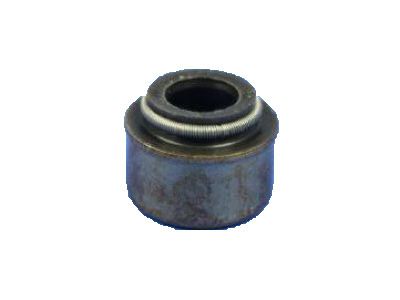
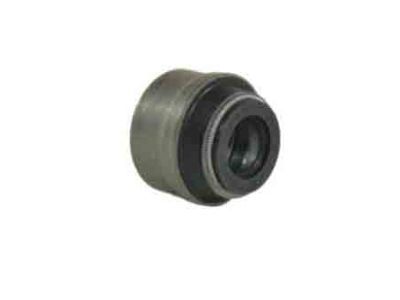
Genuine Jeep Valve Stem Seal
Engine Valve Seal- Select Vehicle by Model
- Select Vehicle by VIN
Select Vehicle by Model
orMake
Model
Year
Select Vehicle by VIN
For the most accurate results, select vehicle by your VIN (Vehicle Identification Number).
39 Valve Stem Seals found
 Product Specifications
- Other Name: Seal Valve Guide; Valve Seal
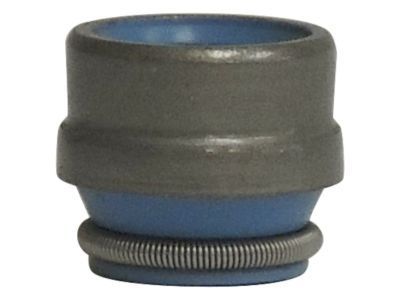
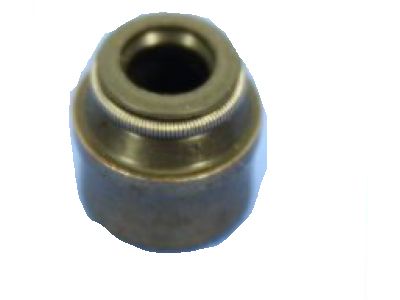

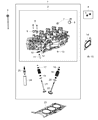 Product Specifications
- Other Name: Seal Valve Guide; Valve Seal
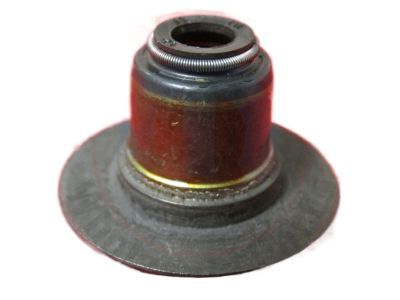
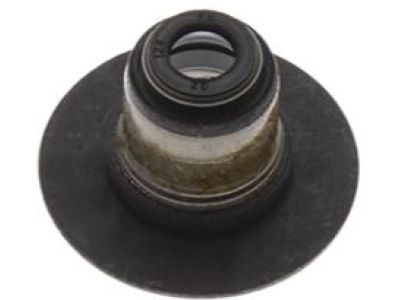
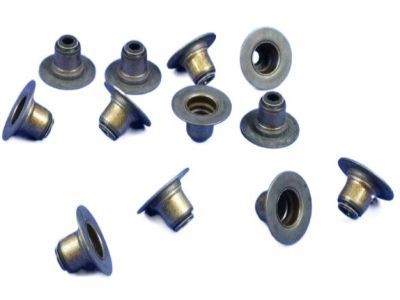
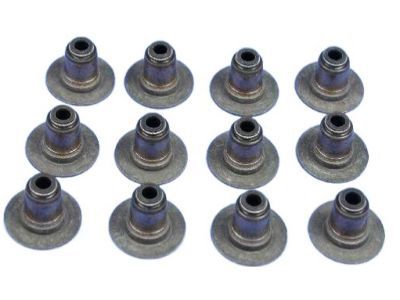
 Product Specifications
- Other Name: Seal Valve Guide; Valve Seal
- Replaces: 53020752AD
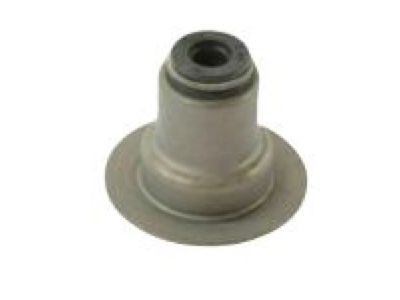
 Product Specifications
- Other Name: Seal-Valve Guide; Valve Seal
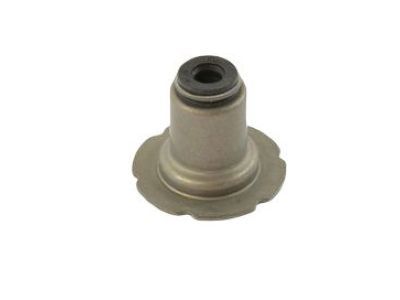
 Product Specifications
- Other Name: Seal-Valve Guide; Valve Seal
 Product Specifications
- Other Name: Seal Valve Guide; Valve Seal
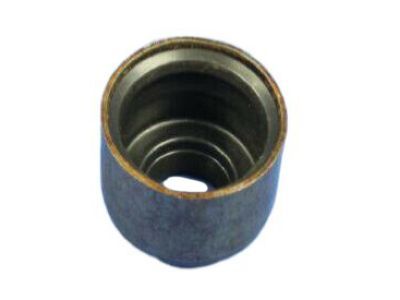
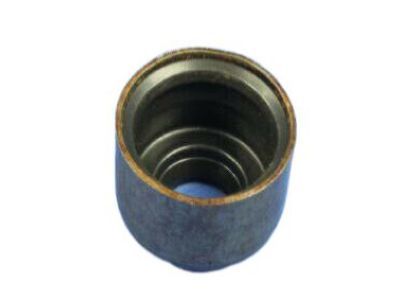
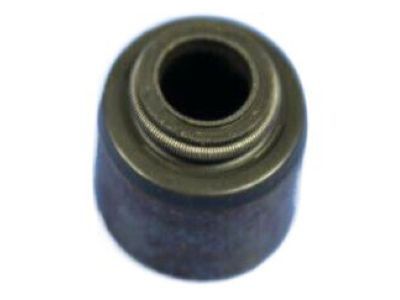
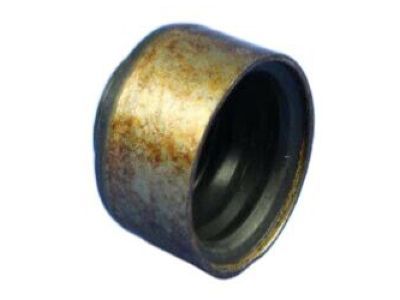
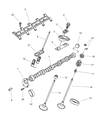 Product Specifications
- Other Name: Seal Valve Guide; Exhaust Valve Seal, Intake Valve Seal, Valve Seal
- Replaces: 33002729
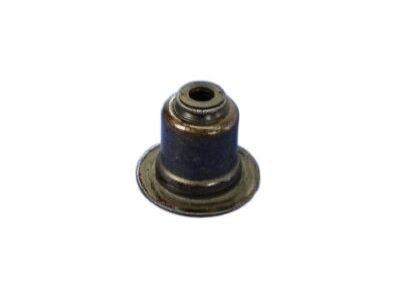
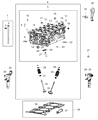 Product Specifications
- Other Name: Seal Valve Guide; Valve Seal
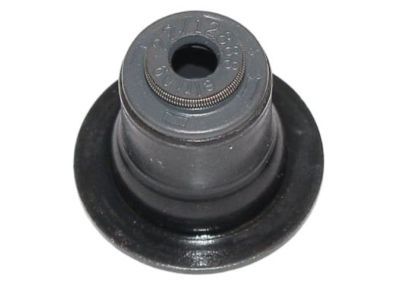
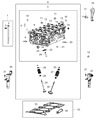 Product Specifications
- Other Name: Seal Valve Guide; Valve Seal
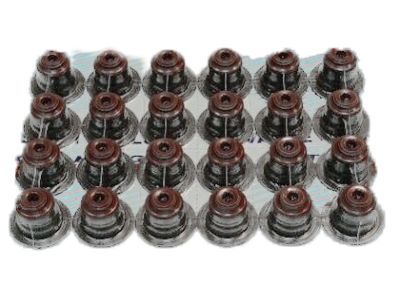
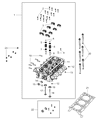 Product Specifications
- Other Name: Seal Valve Guide; Valve Seal
- Replaced by: 68093294AA
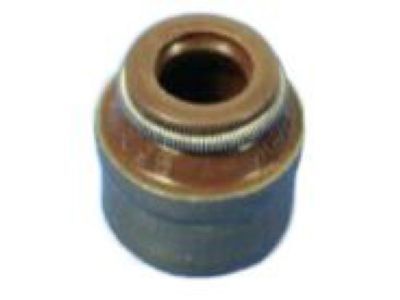
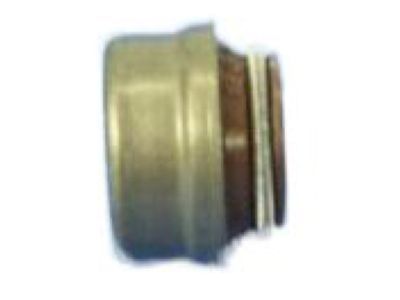
 Product Specifications
- Other Name: Seal Valve Guide; Valve Guide, Valve Seal
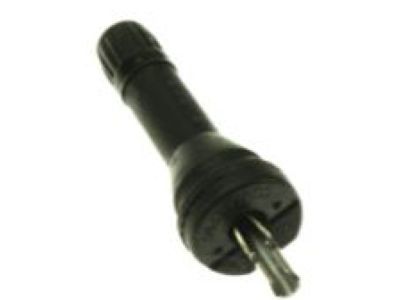

 Product Specifications
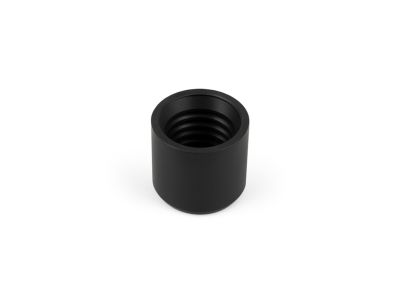
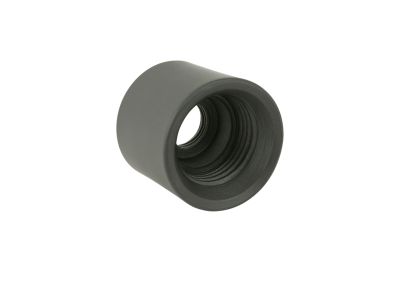
- Other Name: Valve Stem Kit; TPMS Sensor Cap
- Replaces: 68193587AA, 68193587AB
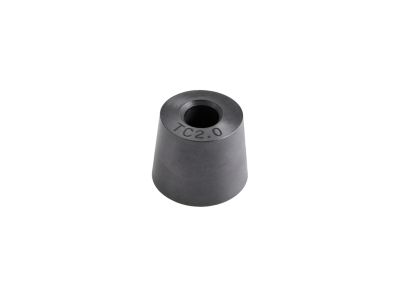
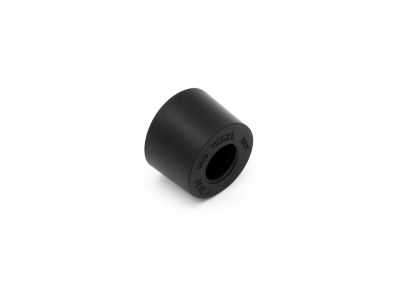
 Product Specifications
- Other Name: Seal Valve Guide; Valve Seal
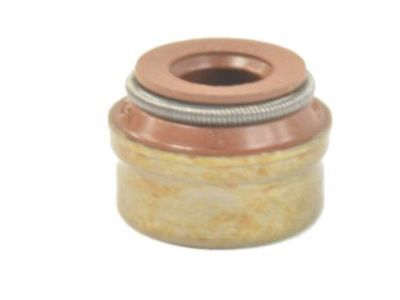
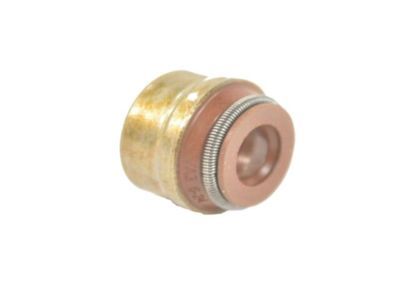

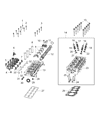 Product Specifications
- Other Name: Seal Valve Guide; Valve Seal
- Replaces: 68337513AA, 4892674AA
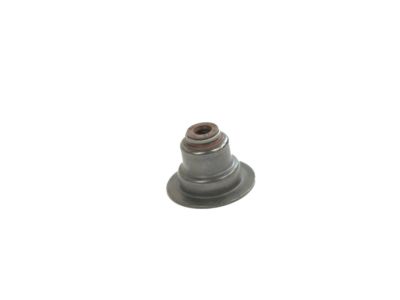
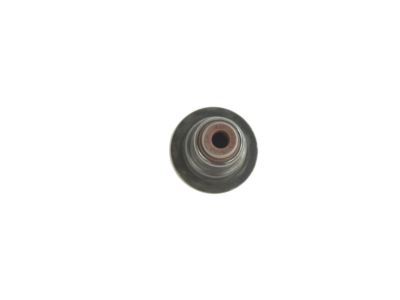
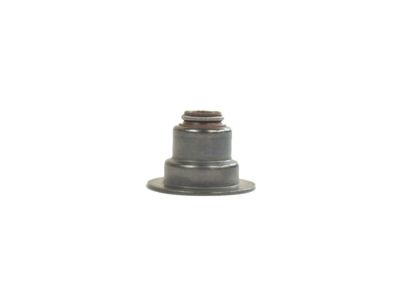
 Product Specifications
- Other Name: Seal Valve Guide; Valve Seal

 Product Specifications
- Other Name: Seal-Valve Guide; Valve Seal
- Product Specifications
- Other Name: Seal-Valve Guide; Valve Seal
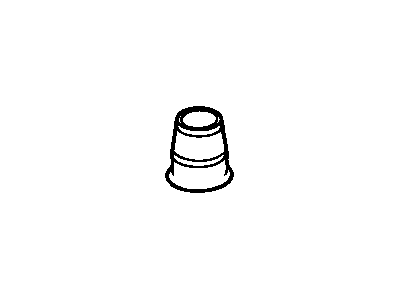
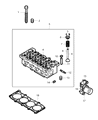 Product Specifications
- Other Name: Seal Valve Guide; Valve Seal
- Replaces: 68147262AA
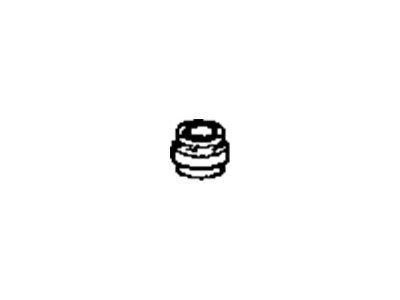
 Product Specifications
- Other Name: Seal Valve Guide
Jeep Seal-Engine Intake Valve STM Oil(Std,+.)
Part Number: 33002729$6.17 MSRP: $8.95You Save: $2.78 (32%)Product Specifications- Other Name: Seal, Intake Valve
- Replaced by: 53009886
| Page 1 of 2 |Next >
1-20 of 39 Results
Jeep Valve Stem Seal
Welcome to your ultimate destination for affordable OEM Jeep Valve Stem Seals. Here at our website, we not only provide genuine Jeep Valve Stem Seals at unbeatable prices, but also guarantee their quality with the manufacturer's warranty. Coupled with our dedicated customer service and swift delivery, we're confident you won't find a better deal anywhere else.
Jeep Valve Stem Seal Parts Questions & Experts Answers
- Q:How to replace valve stem seals in 2.5L four cylinder engine on Jeep Wrangler?A:Starting with the cylinder which is housing the defective part remove the valve cover and the spark plug; if valve stem seals are all being replaced, all spark plugs should be removed. Thread the crankshaft until the piston of the cylinder to be worked for the purpose reaches the top dead position on the compression stroke if all the valve stem seals of the engine are to be changed, beginning from cylinder no 1 in case of progressing in firing order. Insert an adapter into the hole of spark plug and attach an air hose to a container with compressed air; usually one can find this at auto part shops. Screw out the rocker arm and pivot for the valve with the damaged component, pull out the pushrod and use compressed air to hold the valves since their gaps are filled with air. In case the valve faces or seats get worn or damaged the application of air-pressure to retain the valves may not work. If compressed air is not available, place the piston just prior to TDC on the compression stroke, insert a long piece of nylon rope through the spark plug hole and with the business end submerged in the fuel, crank the engine until there is mild resistance felt. Push shop rags into the cylinder head holes so that parts do not fall in the engine, use a valve spring compressor or an ordinary screw driver to compress the spring and then remove the keepers by twisting them with the small pliers or a magnet. If the pressure of the air does not close the valve then the face or the seat of the valve is likely to be worn and this could only be rectified by removing the cylinder head. Twist around a rubber band or some tape round the top of the stem so that it does not fall into the combustion chamber, then deflate the pressure gauge and have a look at the stem for damage, especially, if it is bent it will show eccentricity. Check that the valve floats freely in the guide ; if the valve gets stuck the valve or guide must be refitted and the head has to be removed. Just apply some normal pressure to operate the valve to close and then remove the tape or rubber band. coat the valve stem with the engine oil/fit a new guide seal then the spring and the shield over the valve. Place the valve spring retainer down on the valve stem, compress the spring and capture the keepers into the groove put a little grease on the keepers to hold them in place. Take weight off the spring tool and check that the keepers are seated, finally shut off the air hose and withdraw the spark plug hole adapter and the rope if used. Last, the rocker arms and pushrods, spark plugs and wires must be remounted, the valve cover replaced, the engine started, and if the car produces oil leak and other sounds originating in the valve cover area.

Related Jeep Parts

Browse by Model
Cherokee Valve Stem Seal Comanche Valve Stem Seal Commander Valve Stem Seal Compass Valve Stem Seal Gladiator Valve Stem Seal Grand Cherokee L Valve Stem Seal Grand Cherokee Valve Stem Seal Grand Wagoneer L Valve Stem Seal Grand Wagoneer Valve Stem Seal J10 Valve Stem Seal J20 Valve Stem Seal Liberty Valve Stem Seal Patriot Valve Stem Seal Renegade Valve Stem Seal Wagoneer L Valve Stem Seal Wagoneer Valve Stem Seal Wrangler Valve Stem Seal