
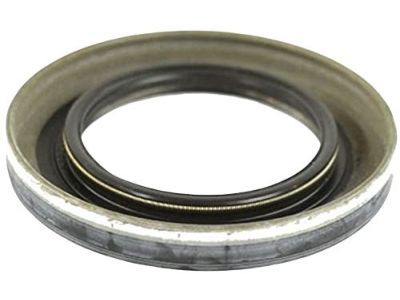
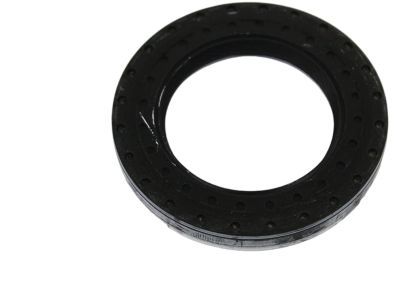

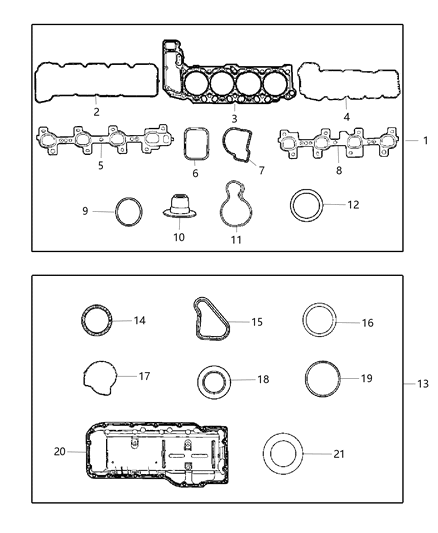
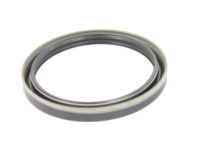
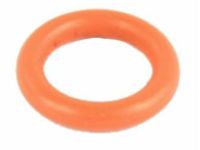
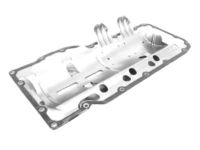
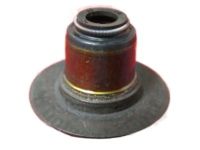
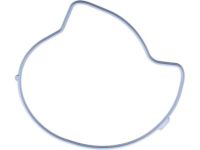
To ensure reliability, purchase Mopar part # 53021313AA Crankshaft Oil Seal. It is sometimes referred to as Crankshaft Seal. The OEM parts should be used when the Mopar owners want to maximize their driving experience. The high-tech factories that produce these parts utilize sophisticated technology specifically designed to meet stringent factory requirements. Additionally, they are thoroughly tested and can thus be used with reliability by Mopar owners. This part fits specific Chrysler Aspen models.
MoparPartsGiant.com is a leading supplier of genuine Mopar parts and accessories such as 53021313AA Crankshaft Oil Seal. Wondering where to find exceptional quality and affordable OEM Mopar parts? You have already come to the right place. Our website boasts a huge selection of genuine Mopar parts at attractive prices. Further, all parts come with a manufacturer's warranty. For detailed Chrysler parts information, click here.