
My Garage
My Account
Cart
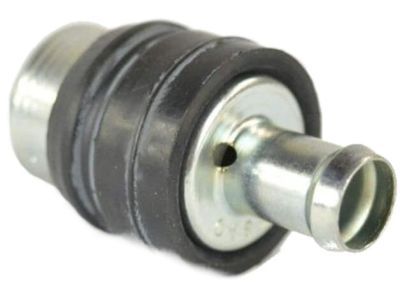
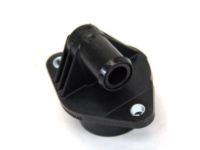
Genuine Dodge PCV Valve
Position Crank Ventilation Valve- Select Vehicle by Model
- Select Vehicle by VIN
Select Vehicle by Model
orMake
Model
Year
Select Vehicle by VIN
For the most accurate results, select vehicle by your VIN (Vehicle Identification Number).
48 PCV Valves found
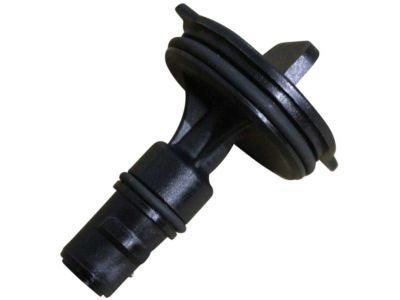
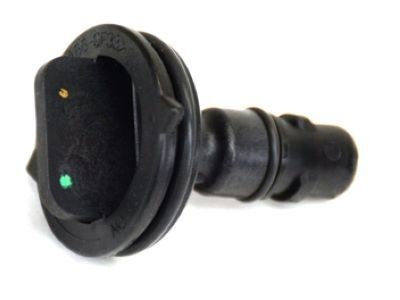
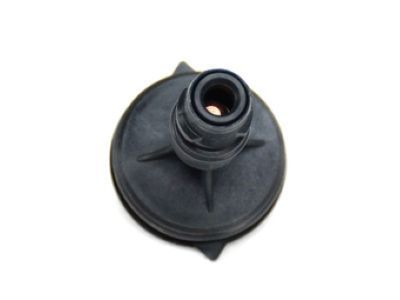
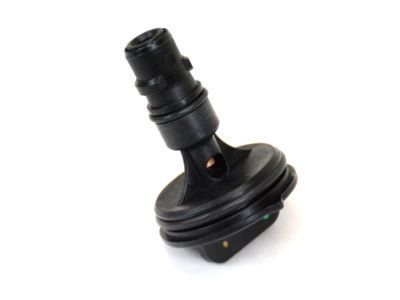
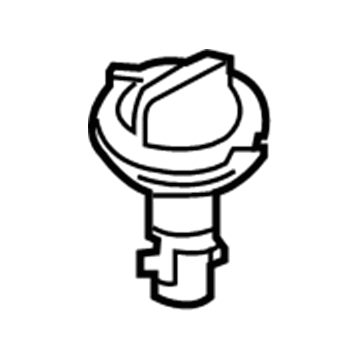
 Product Specifications
- Other Name: Valve Crankcase Vent; PCV Valve, Vent Valve
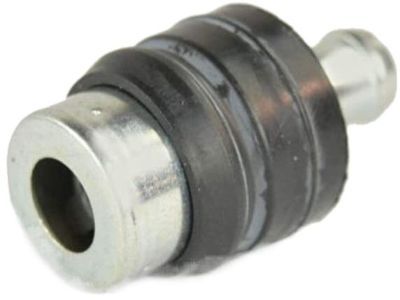
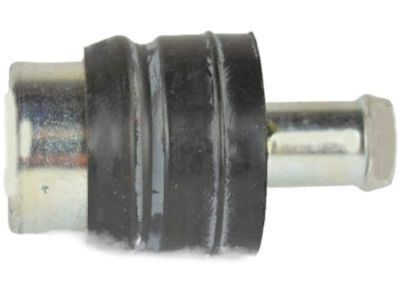
 Product Specifications
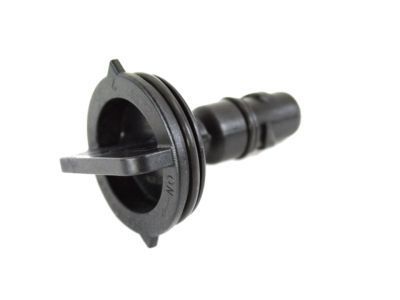
- Other Name: Valve PCV
- Replaced by: 4648973AD
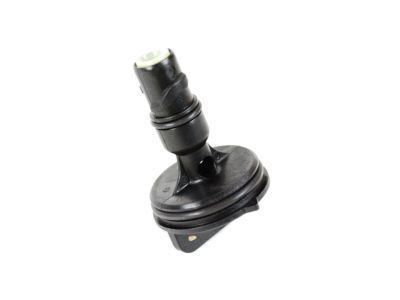
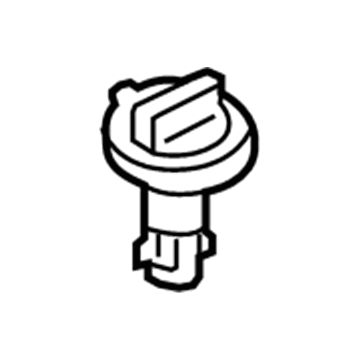
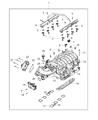 Product Specifications
- Other Name: Valve PCV; PCV Valve, Vent Valve
- Replaces: 53032940AA
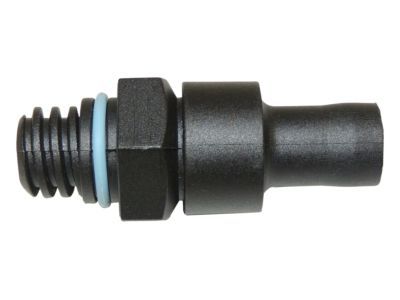
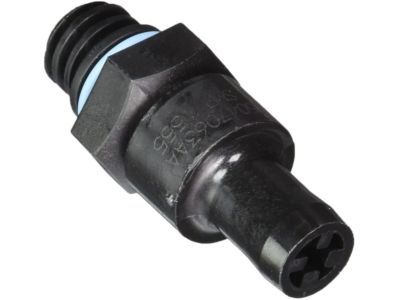
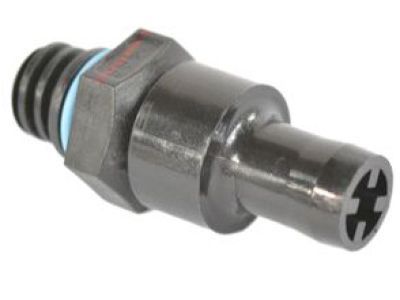
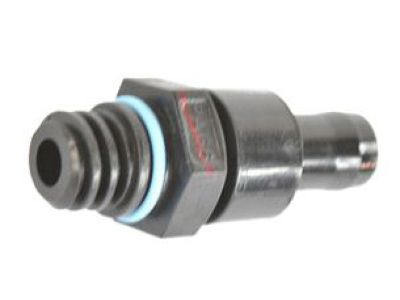
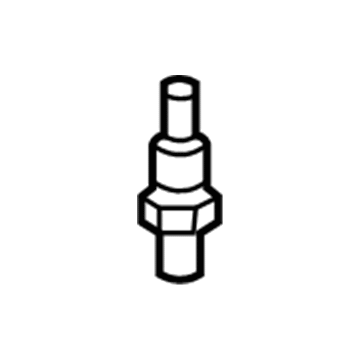
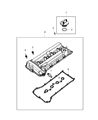 Product Specifications
- Other Name: Valve PCV; PCV Valve
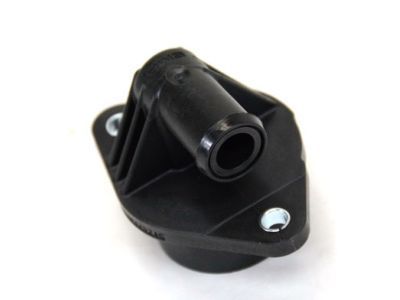
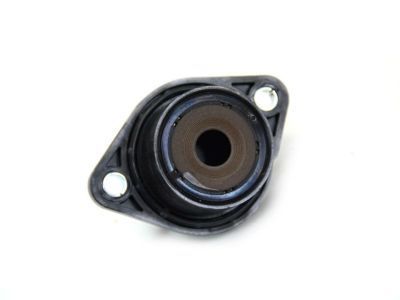
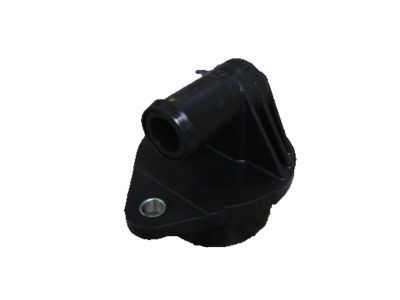
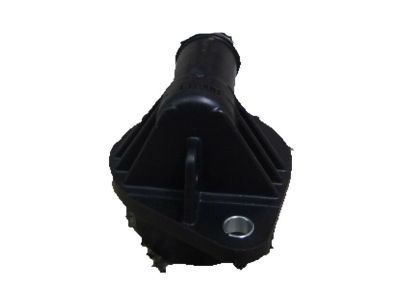
 Product Specifications
- Other Name: Valve PCV
- Replaced by: 68083202AC
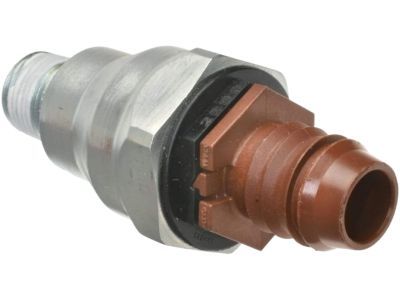
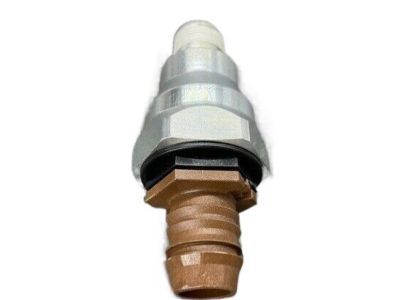
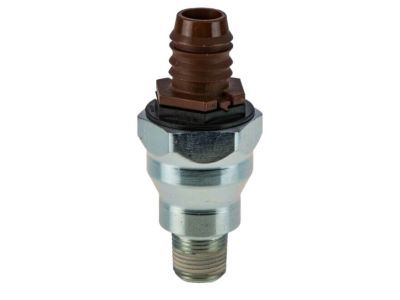
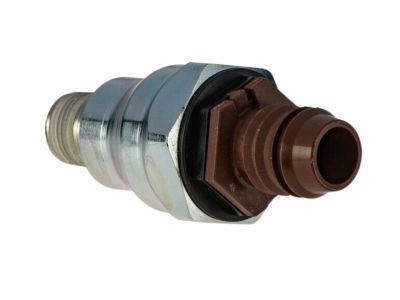
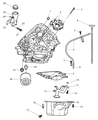 Product Specifications
- Other Name: Valve Crankcase Vent; Filler Assembly Valve, Housing Valve, PCV Valve
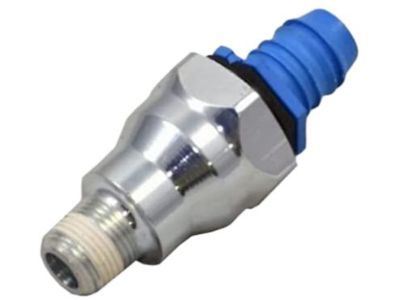
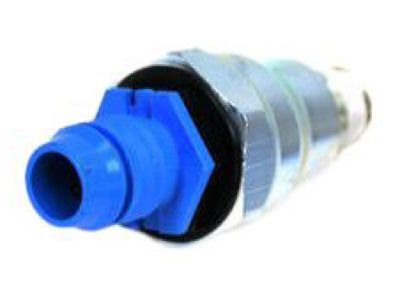
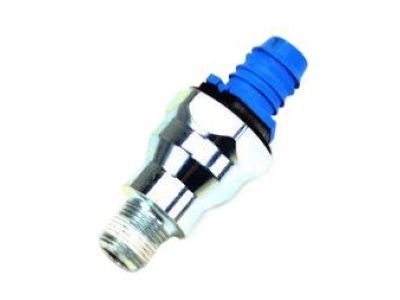
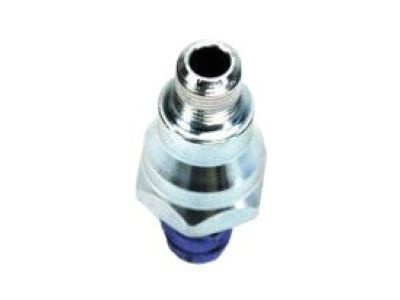
 Product Specifications
- Other Name: Valve PCV; PCV Valve
- Replaces: 53032924AA, 53032925AA, 53032925AB
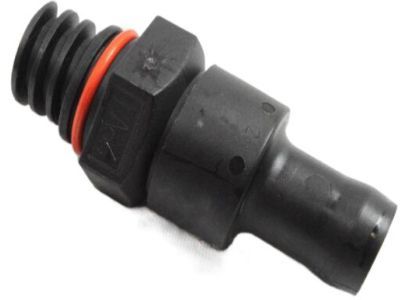
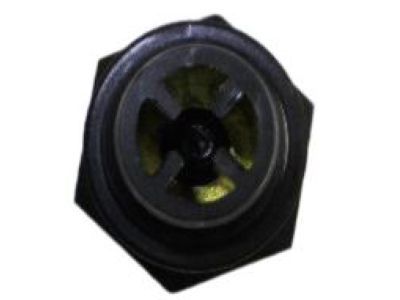
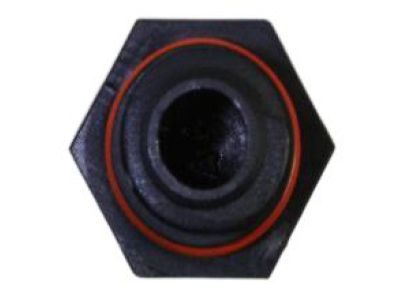
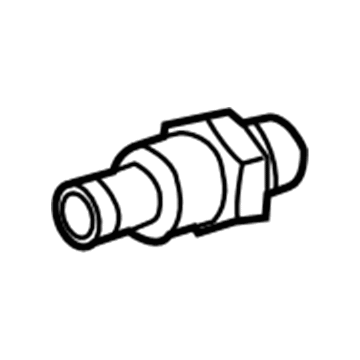
 Product Specifications
- Other Name: Valve PCV; PCV Valve
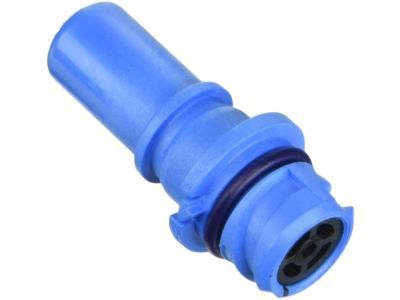
 Product Specifications
- Other Name: Valve PCV; PCV Valve
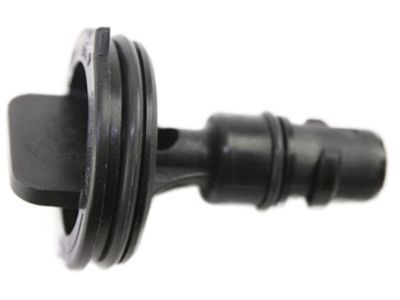
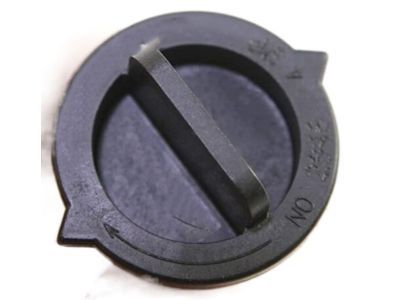
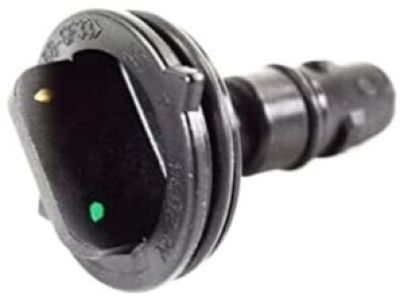
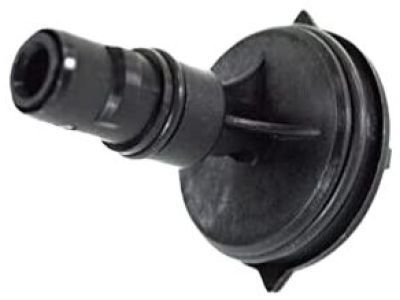
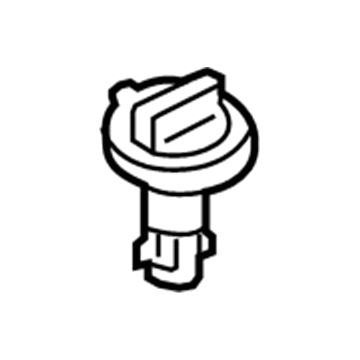
 Product Specifications
- Other Name: Valve PCV; PCV Valve
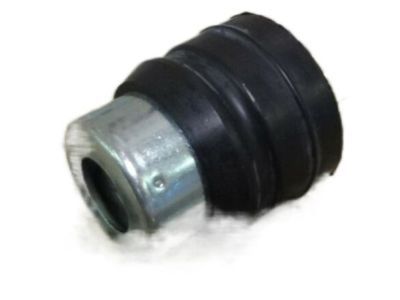
 Product Specifications
- Other Name: Valve PCV
- Replaced by: 4648973AD
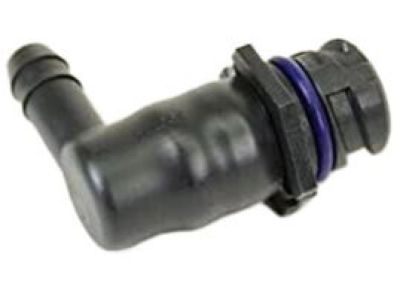
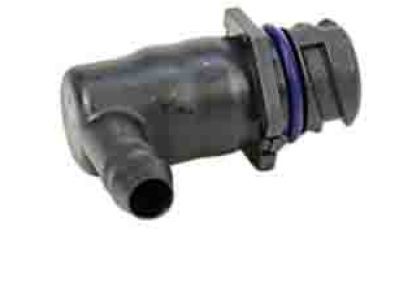
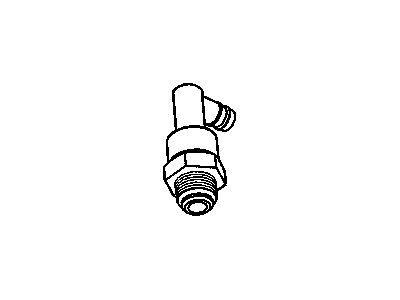
 Product Specifications
- Other Name: Valve PCV; PCV Valve
- Replaces: 4884479AA
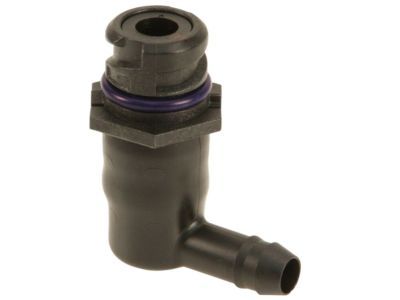
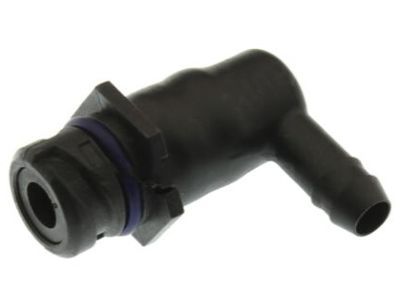
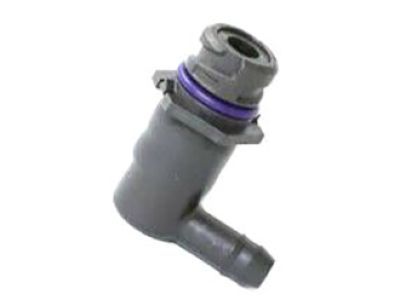
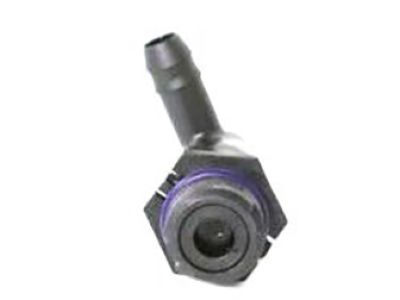
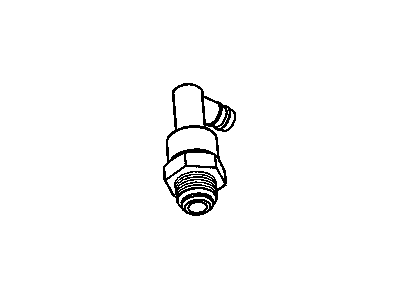
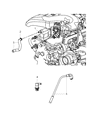 Product Specifications
- Other Name: Valve PCV
- Replaced by: 4884479AB
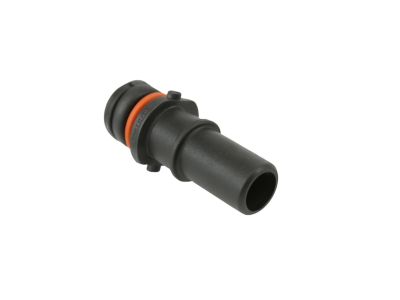
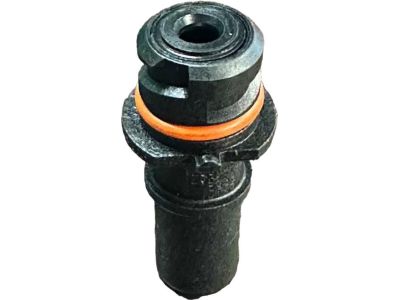
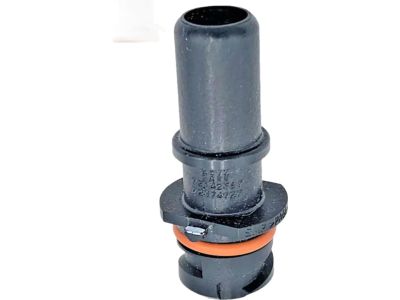
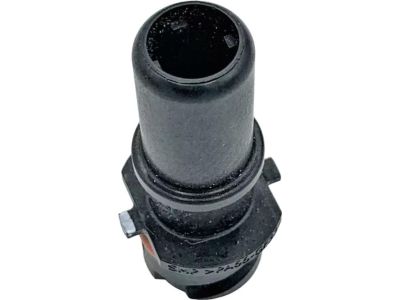
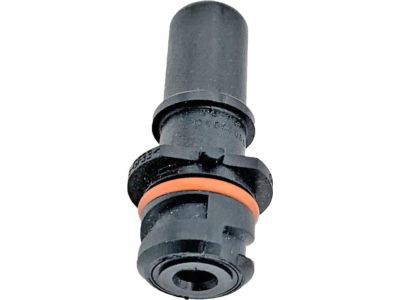
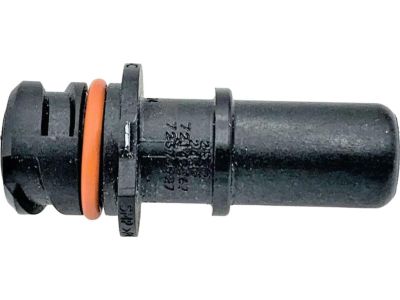
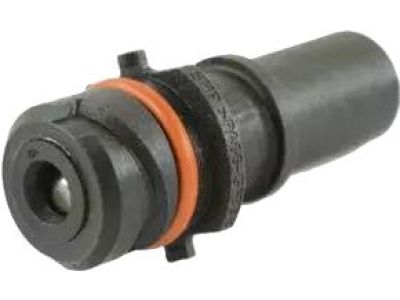
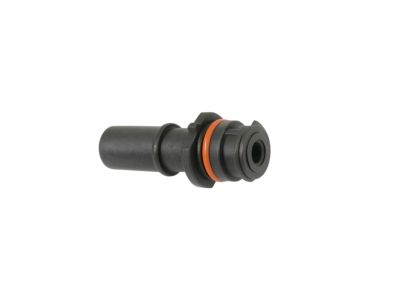
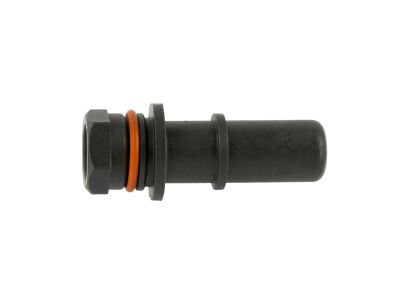
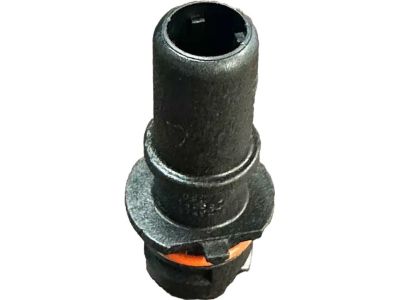
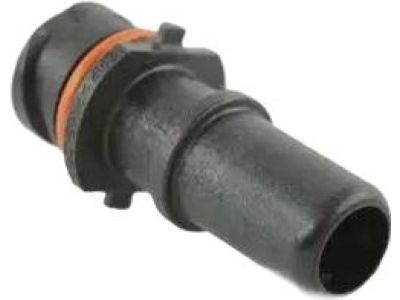
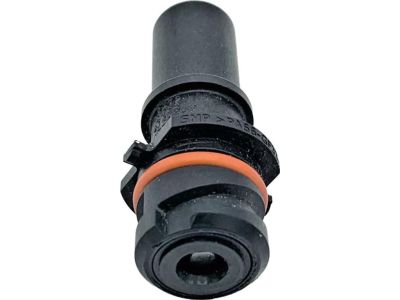
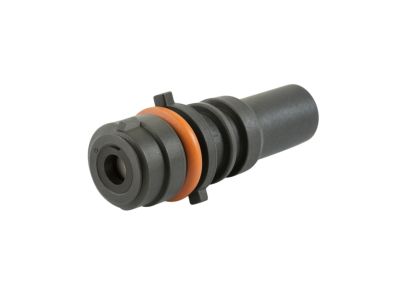
 Product Specifications
- Other Name: Valve-PCV; PCV Valve
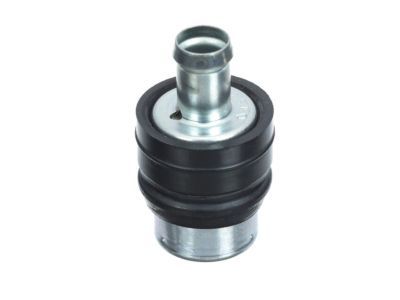
 Product Specifications
- Other Name: Valve PCV
- Replaced by: 4648973AD

 Product Specifications
- Other Name: VALVE-PCV; PCV Valve
- Replaces: 68548886AB, 68548886AA
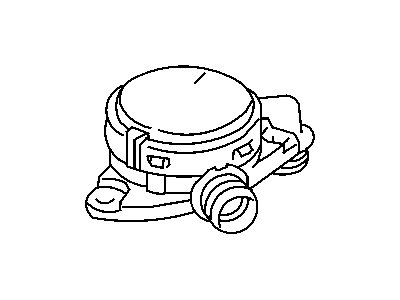
 Product Specifications
- Other Name: Valve PCV
- Replaced by: 68048205AB
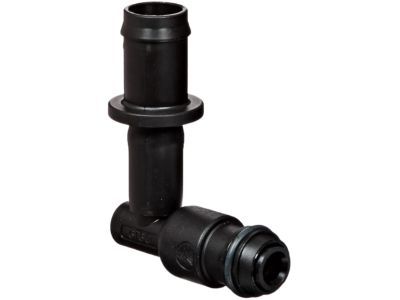
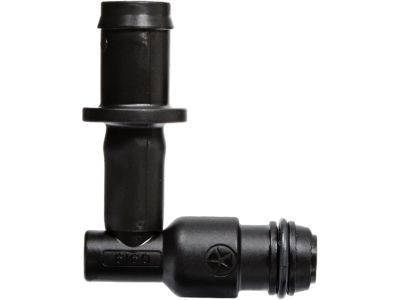
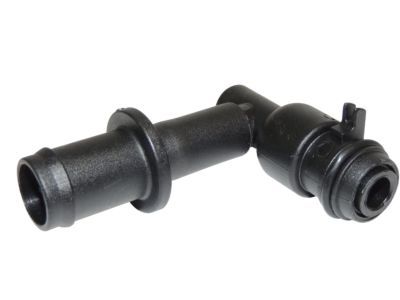
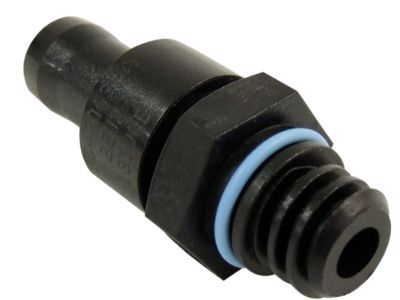
 Product Specifications
- Other Name: Valve Crankcase Vent; Filler Assembly Valve, Housing Valve, PCV Valve
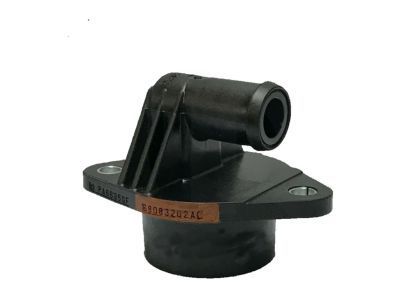
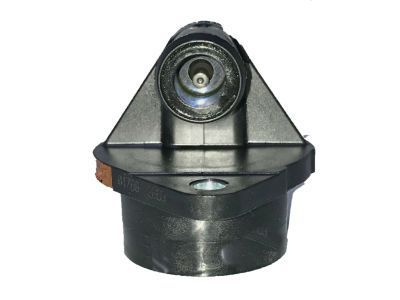
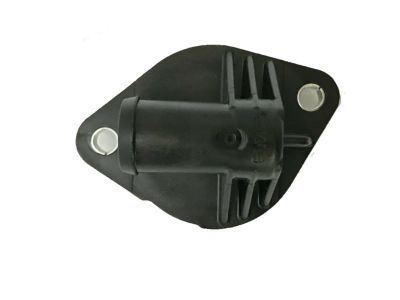
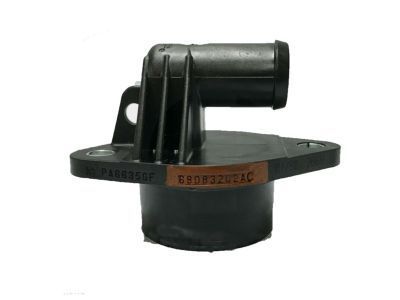

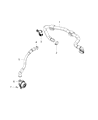 Product Specifications
- Other Name: Valve PCV; PCV Valve
- Replaces: 68083202AB
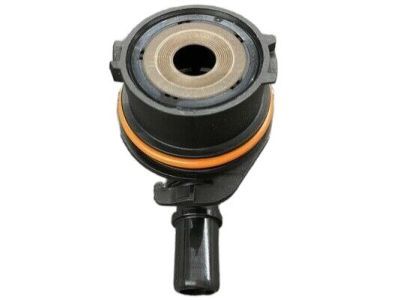
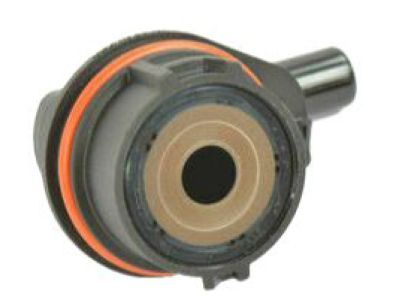
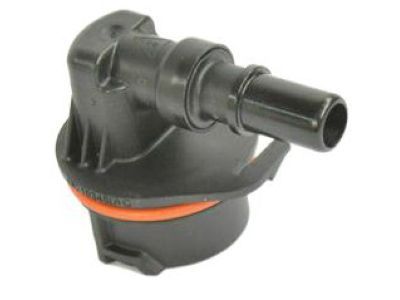
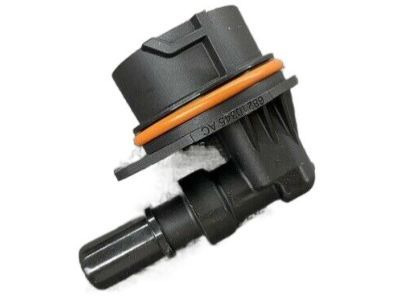
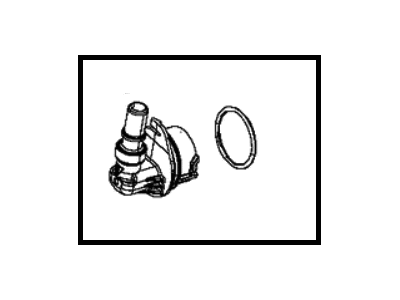
 Product Specifications
- Other Name: Valve PCV; PCV Valve
- Replaced by: 68609110AB
- Replaces: 68210345AA
| Page 1 of 3 |Next >
1-20 of 48 Results
Dodge PCV Valve
Our website provides genuine Dodge PCV Valves at competitive prices in the market. All of our OEM Dodge PCV Valves come with the assurance of the manufacturer's warranty, a stress-free return policy, and speedy delivery service. So, you can shop with confidence.
Dodge PCV Valve Parts Questions & Experts Answers
- Q:What role does the Positive Crankcase Ventilation system and PCV Valve play in reducing hydrocarbon emissions, and how does it function on Dodge Challenger?A:Positive Crankcase Ventilation (PCV) system has a significant importance of diminishing the emission of hydrocarbon because it draws crankcase vapor full of unburned hydrocarbon and works with the help of PCV valve that controls the rate of gas flowing to the intake manifold depending on the intake vacuum level. In V6 engines, the system's components are made from a fresh air inlet hose joining the air filter housing to a pipe that is on the left valve cover, PCV valve positioned at the rear of the right valve cover, and a crankcase ventilation hose linking the valve to the intake manifold. V8 engines have the same configuration, fresh air inlet hose can be connected from the air filter housing to the oil filter housing or filler neck on the left side of the V8 valve cover and the PCV valve is installed on the right side of the intake manifold. The maintenance of the PCV system is critical since a faulty PCV system can cause immense harm to the engine; PCV hoses should be inspected for crack or blockage and any discovered should be fixed. Some of the signs of a plugged or leaking PCV hose include rough running, stalling, or excess oil leakage, and this is tell-tale signs that some repair or replacement is due. A functional check consists of removing the crankcase ventilation hose, starting the engine, and checking for vacuum; high crankcase pressure may be an indication of some other problem. For replacement, the location of the PCV valve differs according to the type of the engine; there are specific instructions of how to remove and how to reinstall the PCV valve, depending on the type of the engine and to guarantee that it is well fit to function in order to enhance the performance of the car engine.
- Q:Where is the PCV valve located and How to replace it on Dodge Grand Caravan?A:The PCV valve is located in the rubber hose connected to the valve cover. With the engine idling at normal operating temperature, pull the valve (with the hose attached) from the rubber fitting. On V6 models, detach the hose, unscrew the valve, then reconnect the hose. Place your finger over the valve opening. If there's no vacuum at the valve, check for a plugged hose, manifold port or valve. Replace any plugged or deteriorated hoses. Turn off the engine and shake the PCV valve, listening for a rattle. If the valve doesn't rattle, replace it with a new one. To replace the valve, pull it from the end of the hose, noting its installed position and direction. When purchasing a replacement PCV valve, make sure it's for your particular vehicle and engine size. Compare the old valve with the new one to make sure they're the same. Push the valve into the end of the hose until it's seated. Inspect the rubber fitting for damage and replace it with a new one if necessary. Push the PCV valve and hose securely into position.
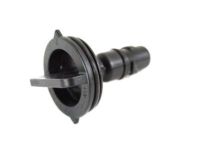
Related Dodge Parts
 Dodge Oil Filter
 Dodge Air Filter
 Dodge Oxygen Sensor
 Dodge Fuel Pump
 Dodge Alternator
 Dodge Water Pump
 Dodge Wiper Blade
 Dodge Catalytic Converter
 Dodge Drive Belt
 Dodge Ignition Switch
 Dodge Cabin Air Filter
 Dodge Timing Belt
Browse by Model
600 PCV Valve Aries PCV Valve Avenger PCV Valve Caliber PCV Valve Caravan PCV Valve Challenger PCV Valve Charger PCV Valve Colt PCV Valve Conquest PCV Valve Dakota PCV Valve Dart PCV Valve Daytona PCV Valve Durango PCV Valve Dynasty PCV Valve Grand Caravan PCV Valve Hornet PCV Valve Intrepid PCV Valve Journey PCV Valve Lancer PCV Valve Magnum PCV Valve Neon PCV Valve Nitro PCV Valve Omni PCV Valve Raider PCV Valve Ram 1500 PCV Valve Ram 2500 PCV Valve Ram 3500 PCV Valve Ram 50 PCV Valve Ram Van PCV Valve Ram Wagon PCV Valve Shadow PCV Valve Spirit PCV Valve Sprinter 2500 PCV Valve Sprinter 3500 PCV Valve Stealth PCV Valve Stratus PCV Valve Viper PCV Valve