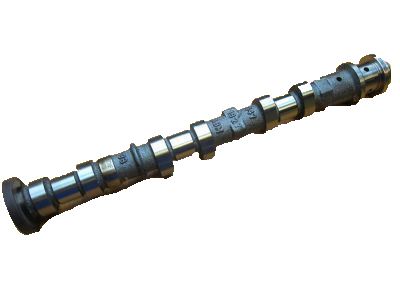
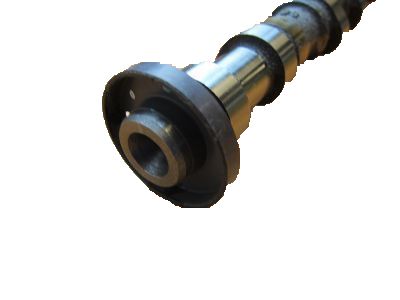
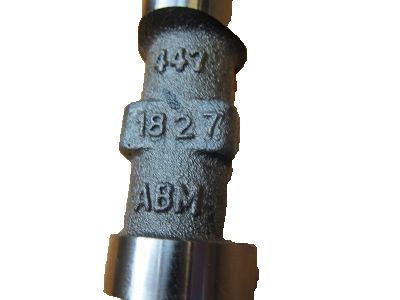
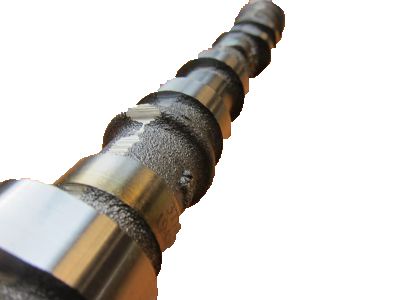
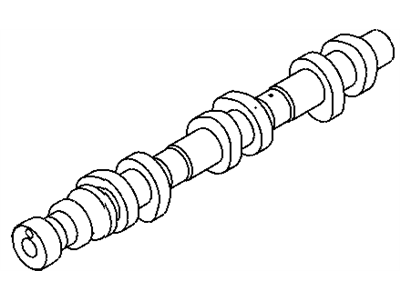
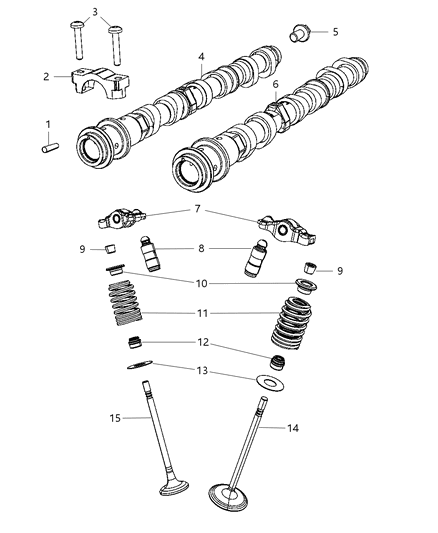
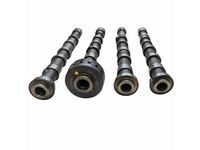
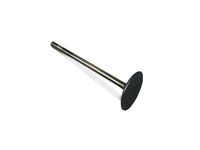
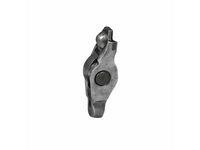
Precautions are called for at this stage because the timing system is intricate and a simple error can result in engine blow up; it is cautioned that only experts should attempt this process and any doubts throw out to an expert. One must always be very careful and cross-check all work before starting of the engine. When the valve covers are off, the magnetic timing wheels can be seen and must not come in contact with other magnets or magnetic fields which will require replacement. Starting with the removal of the bad connection begin by removing the negative battery terminal and that on the 2015 and later that has the Intelligent Battery Sensor the IBS should be disconnected first. Lift the car well on the jackstands, drain the engine oil and coolant, and take of the drive belt, air cleaner housing, resonator, intake manifolds, exhaust system and head(s). All wires and vacuum hoses connected to the cylinder heads should be disconnected and then removed and labeled, the ignition coils and the spark plugs should also be removed and the coils labeled. Once the valve covers have been removed turn the crankshaft until the #1 piston is positioned at TDC on the exhaust side and the marks on the camshaft phaser are properly aligned. Identify the timing of the camshaft phasers and remove them from the engine for the reassembly, and by using special tools it is possible to hold the tensioner while the camshaft phasers are out without having to dismantled. Swivel both camshafts in anti-clockwise direction to a nominal position and unscrew and remove the cam bearing caps and take out the camshafts out of the head by lifting off action. Remove and refit the rocker arms and hydraulic lash adjusters and examine the surfaces of the camshaft bearing journals and lobe for damage and wear including the rocker's arms for signs of wear. When the technician is ready to start the engine, he or she must turn the crankshaft manually to look for some kind of opposition to rotation, which may cause problems. Hydraulic lash adjusters and rocker arms to be lubricated, and the cams to be fitted to the cylinder head carefully and the bearing caps to be bolted and tightened in a specific pattern. Check the position of the camshafts then fit the phasers and oil control valves in the right proper way properly torqued. Last but not the least, turn the engine to ensure that the alignment of marks is perfect and fix the vehicle in the reverse order to the removal process.