
My Garage
My Account
Cart
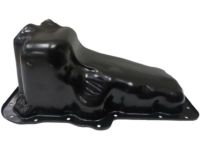
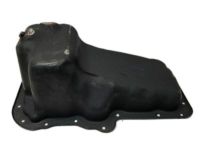
Genuine Dodge Oil Pan
Oil Drain Pan- Select Vehicle by Model
- Select Vehicle by VIN
Select Vehicle by Model
orMake
Model
Year
Select Vehicle by VIN
For the most accurate results, select vehicle by your VIN (Vehicle Identification Number).
172 Oil Pans found
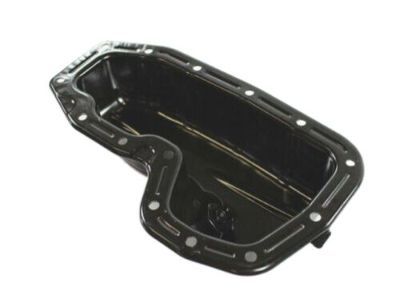
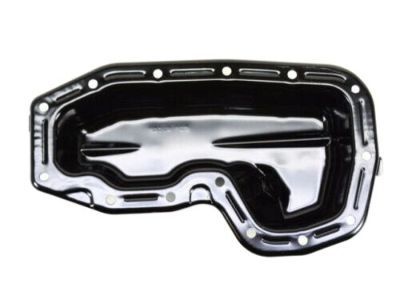
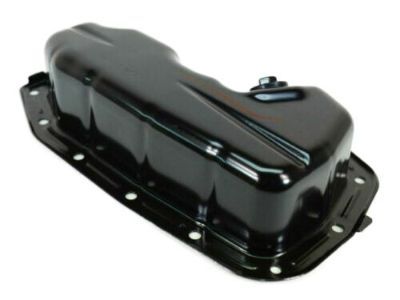
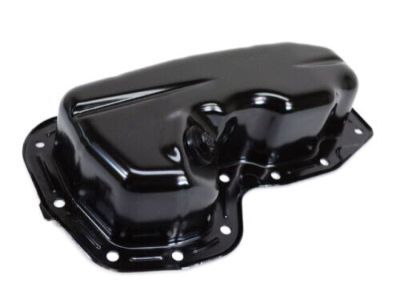
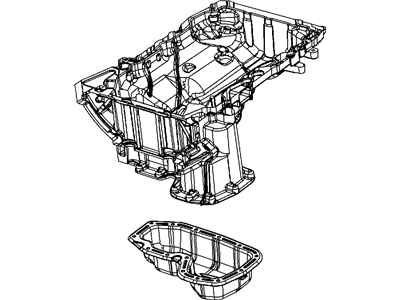
 Product Specifications
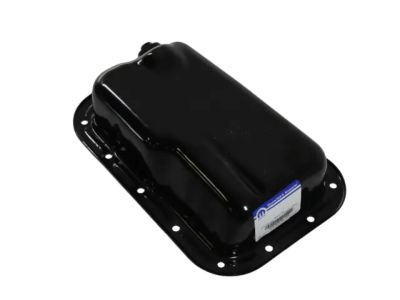
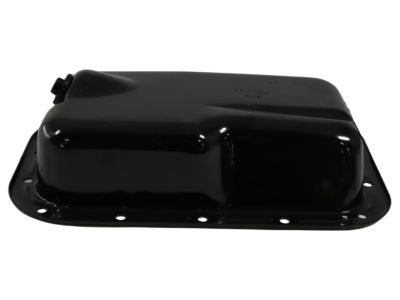
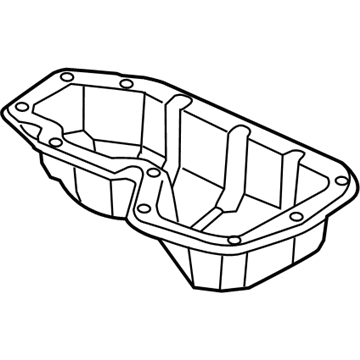
- Other Name: Pan Engine Oil; Lower Oil Pan, Oil Pan
- Replaced by: 5184407AG
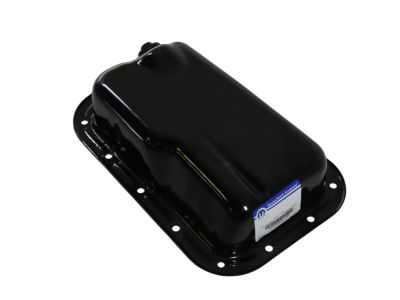
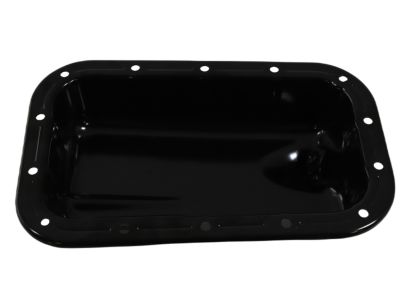
 Product Specifications
- Other Name: Pan-Engine Oil; Lower Oil Pan, Oil Pan
- Replaces: 5184546AC, 5184546AB, 5184546AA
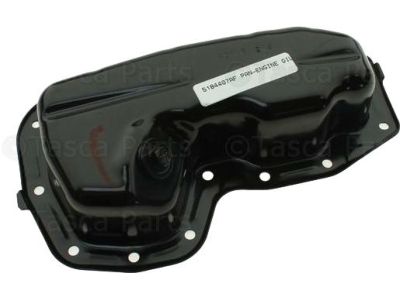
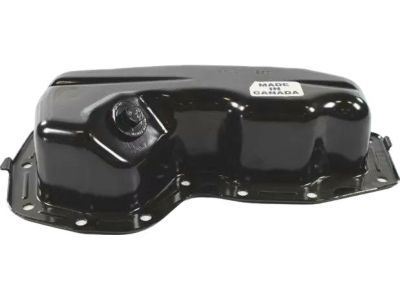
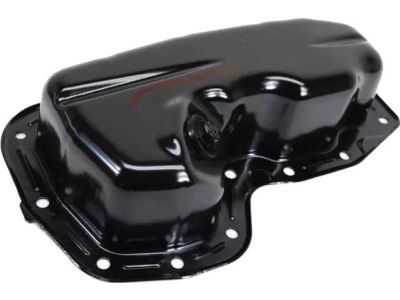
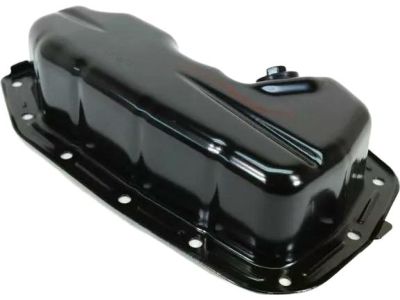
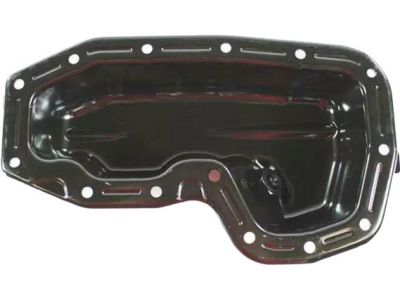
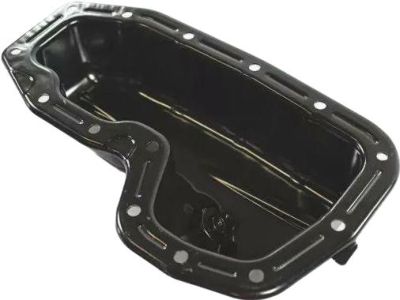
 Product Specifications
- Other Name: Pan-Engine Oil; Lower Oil Pan, Oil Pan
- Replaces: 5184407AE, 5184407AF
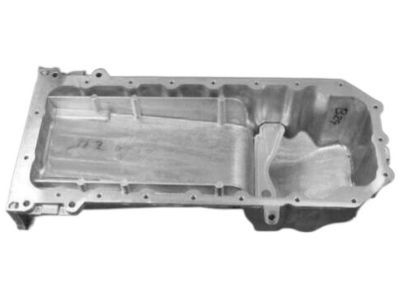
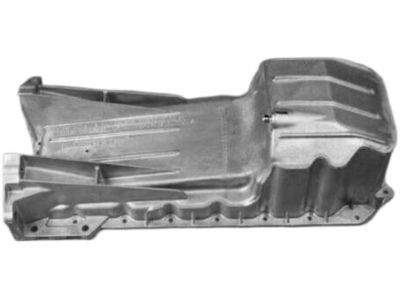
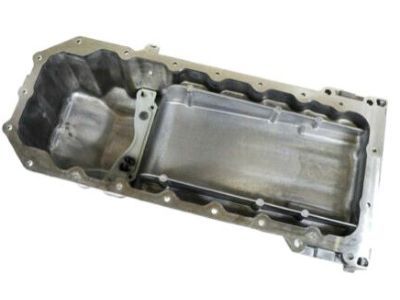
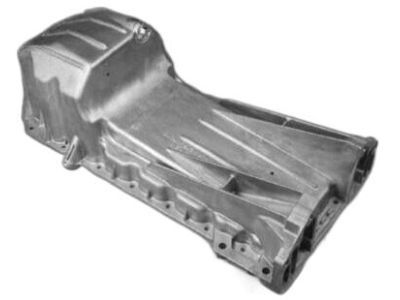
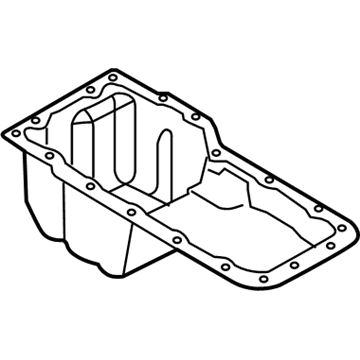
 Product Specifications
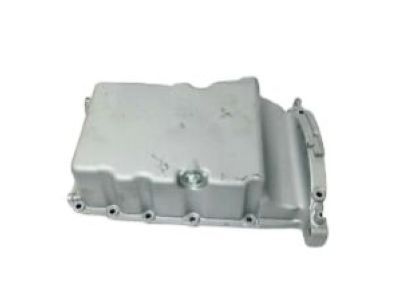
- Other Name: Pan Engine Oil; Oil Pan
- Replaces: 5037634AA, 5037634AB, 4792870AB, 4792870AA
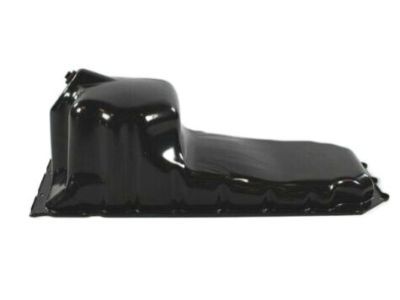
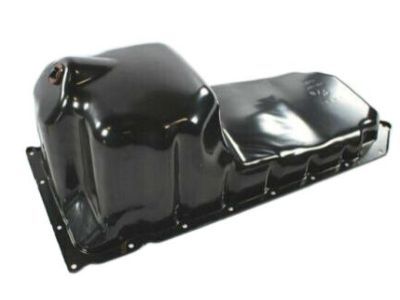
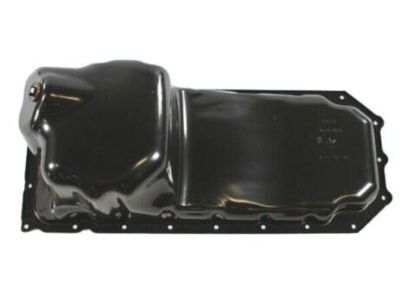
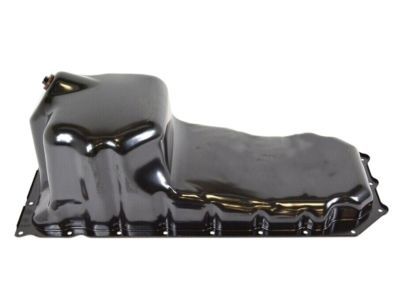
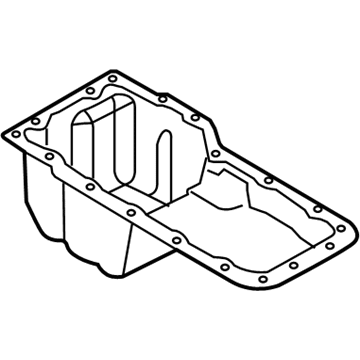
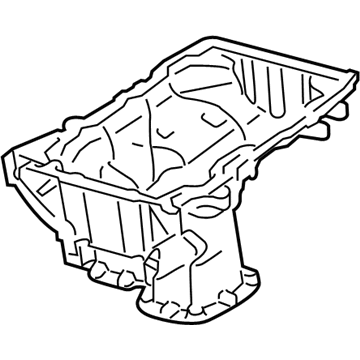
 Product Specifications
- Other Name: Pan Engine Oil; Oil Pan
 Product Specifications
- Other Name: Pan Oil Upper; Oil Pan, Upper Oil Pan
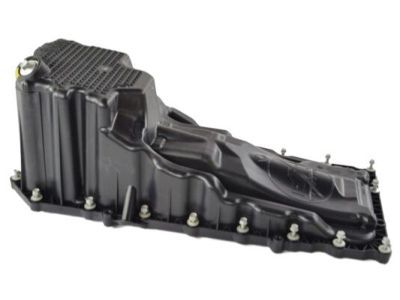
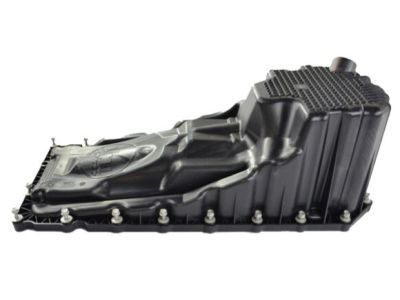
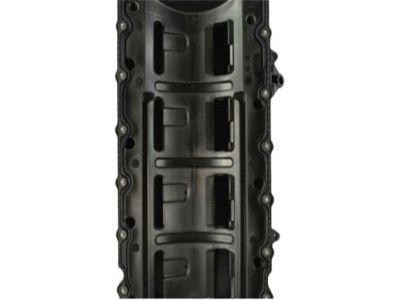
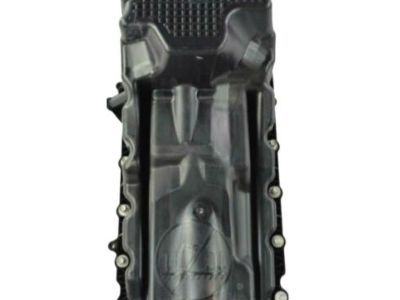
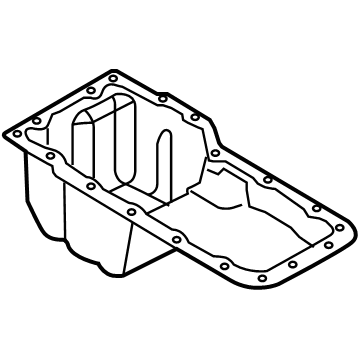
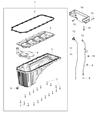 Product Specifications
- Other Name: Pan-Engine Oil; Oil Pan
- Replaces: 68160481AA, 68160481AB
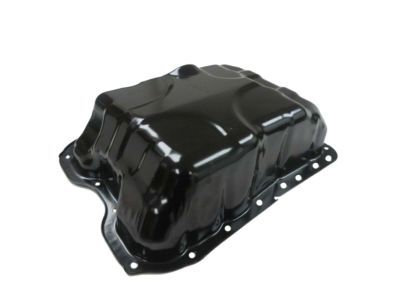
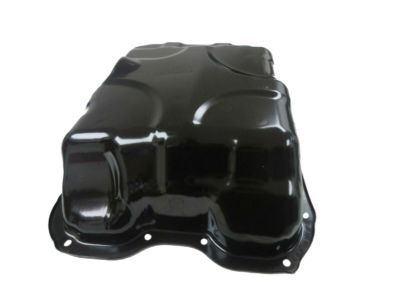
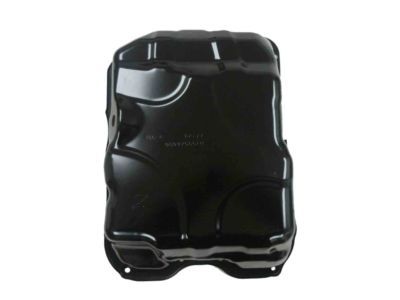
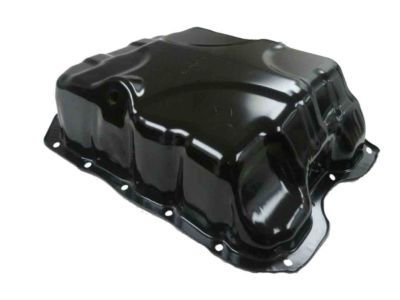
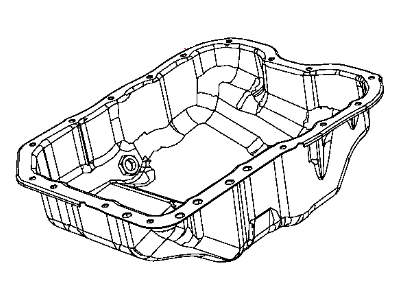
 Product Specifications
- Other Name: Pan Engine Oil
- Replaced by: 5047566AE
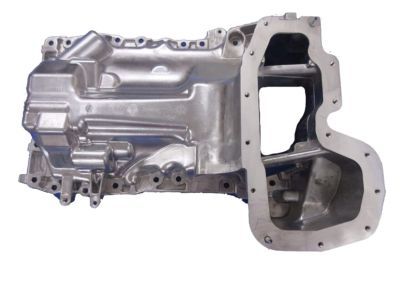
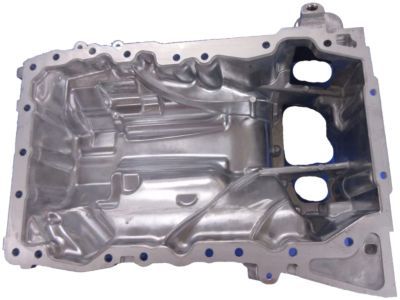
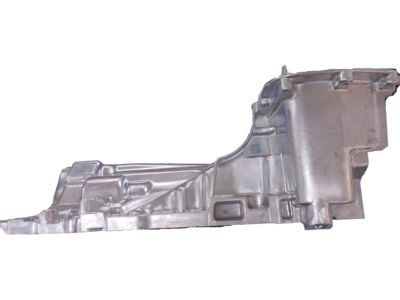
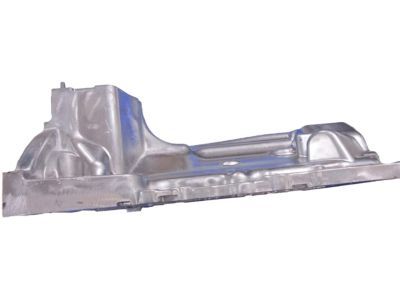 Product Specifications
- Other Name: Pan Engine Oil; Oil Pan, Upper Oil Pan
- Replaces: 68051598AB, 68051598AA
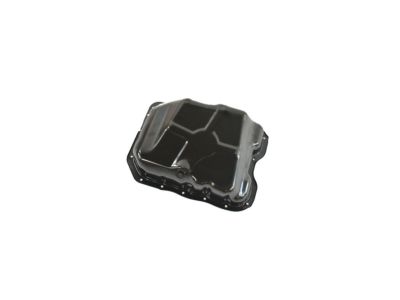
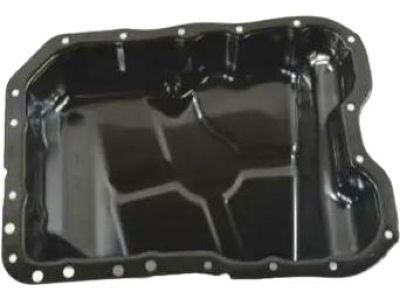
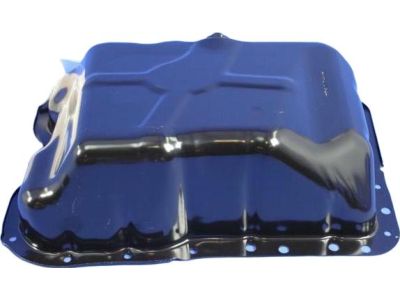
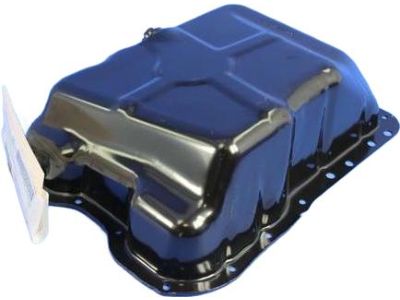
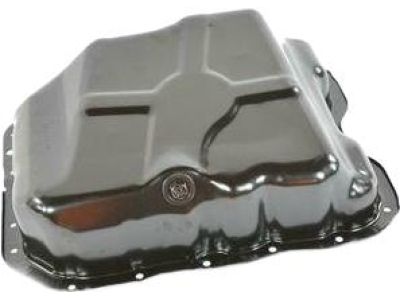
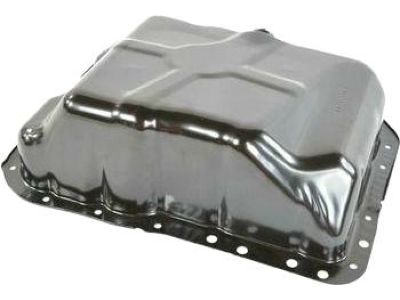
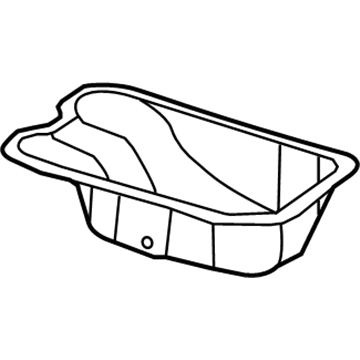
 Product Specifications
- Other Name: Pan-Engine Oil; Oil Pan
- Replaces: 4884665AE, 4884665AC, 4884665AD
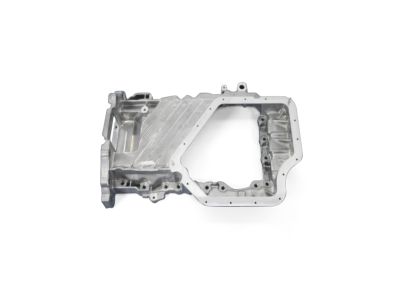
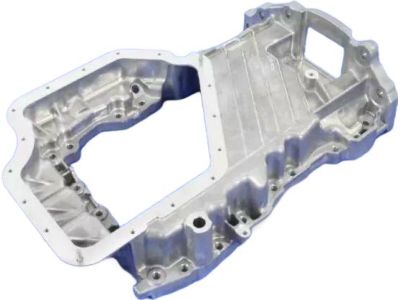
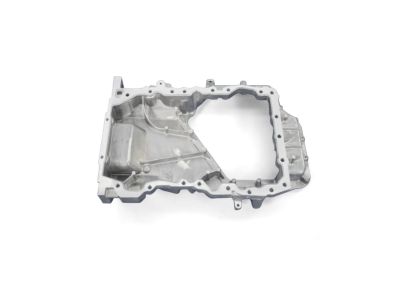
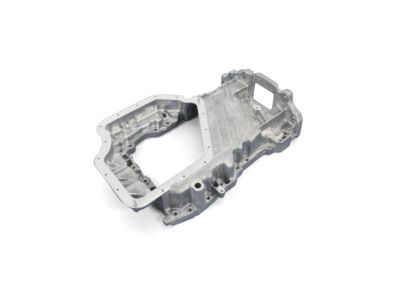
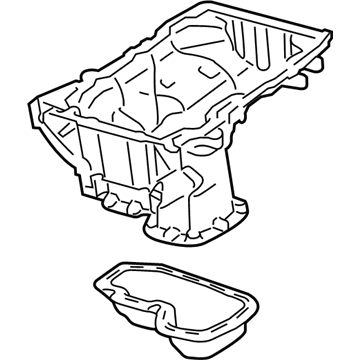
 Product Specifications
- Other Name: Pan Engine Oil; Oil Pan, Upper Oil Pan
- Replaces: 68051597AC, 68051597AB
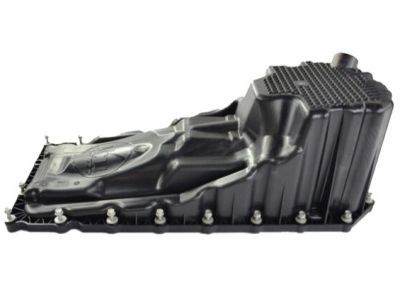
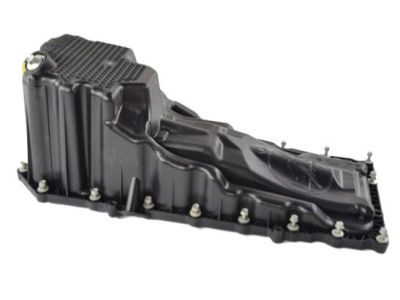
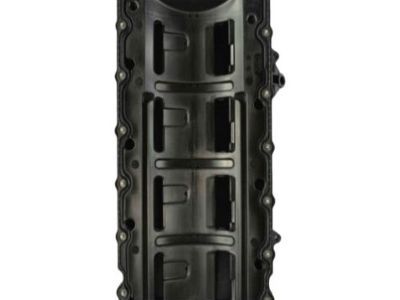
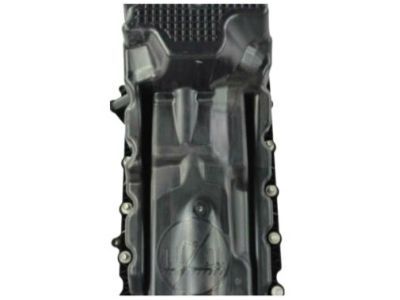
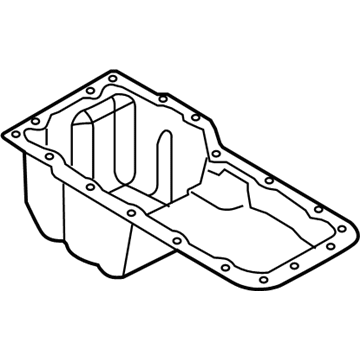
 Product Specifications
- Other Name: Pan Engine Oil
- Replaced by: 68160481AC
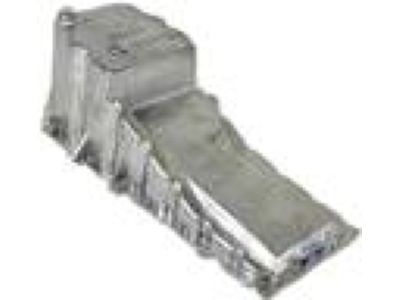
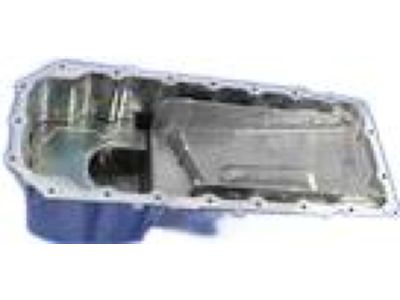
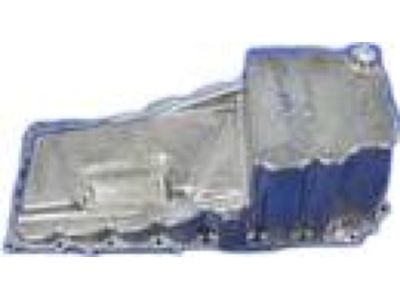
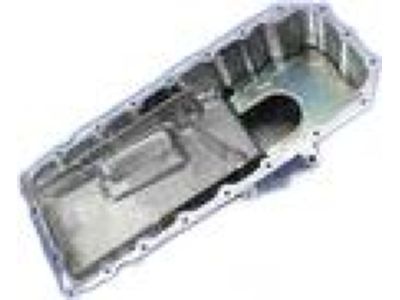
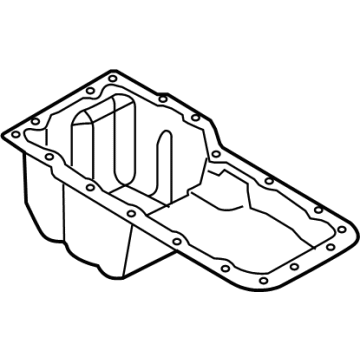
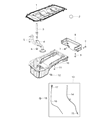 Product Specifications
- Other Name: Pan Engine Oil; Oil Pan
- Replaces: 68191408AA
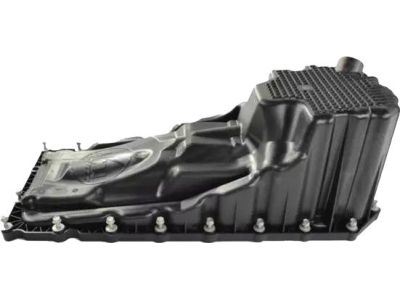
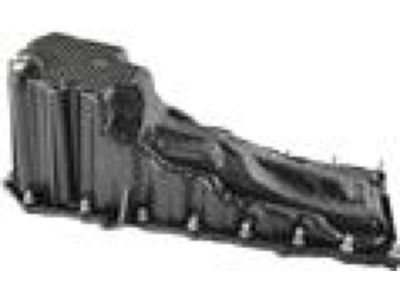
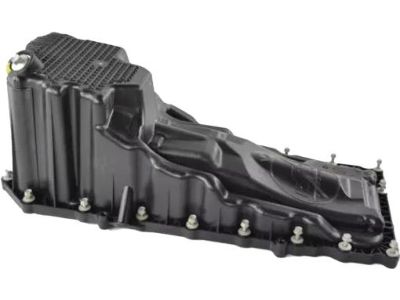
 Product Specifications
- Other Name: Pan-Engine Oil
- Replaced by: 68160481AC
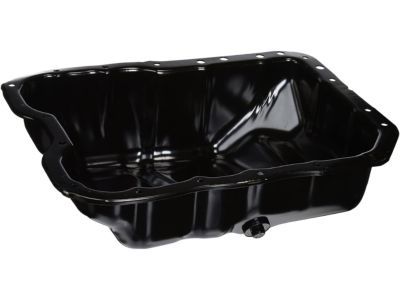
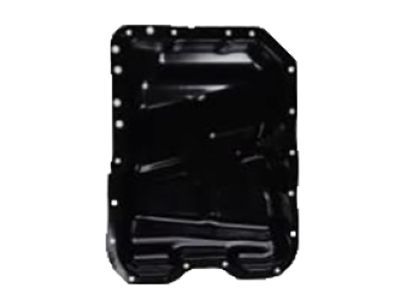
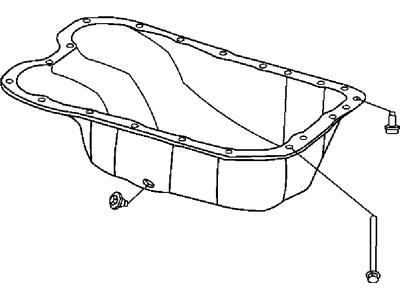
 Product Specifications
- Other Name: Pan Engine Oil
- Replaced by: 4884665AF
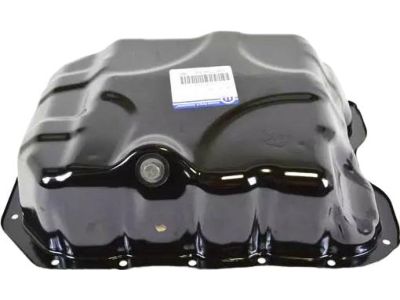
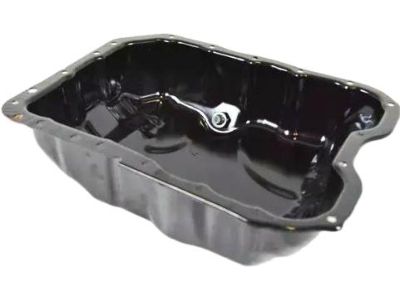
 Product Specifications
- Other Name: Pan Engine Oil
- Replaced by: 5047566AE
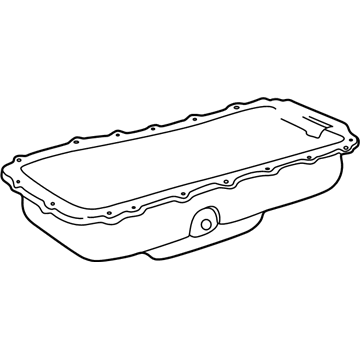
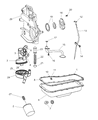 Product Specifications
- Other Name: Pan Engine Oil; Oil Pan
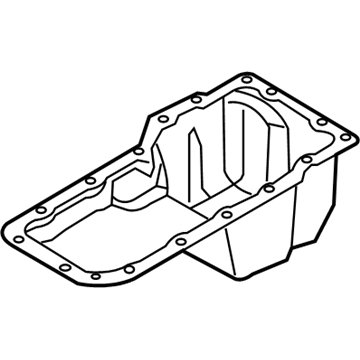
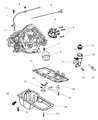 Product Specifications
- Other Name: Pan Engine Oil; Oil Pan
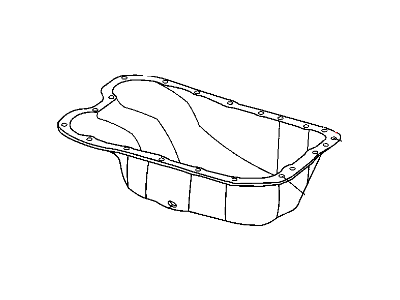
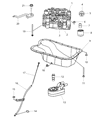 Product Specifications
- Other Name: Pan Oil
- Replaced by: 4884665AF
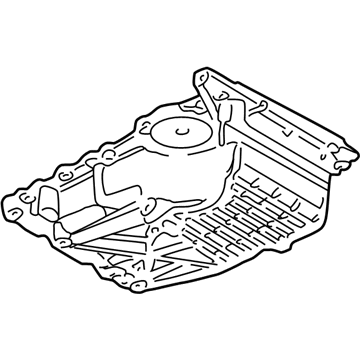
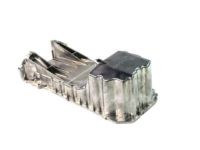
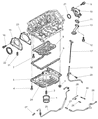 Product Specifications
- Other Name: Pan Oil; Oil Pan
| Page 1 of 9 |Next >
1-20 of 172 Results
Dodge Oil Pan
Our website provides genuine Dodge Oil Pans at competitive prices in the market. All of our OEM Dodge Oil Pans come with the assurance of the manufacturer's warranty, a stress-free return policy, and speedy delivery service. So, you can shop with confidence.
Dodge Oil Pan Parts Questions & Experts Answers
- Q:How to remove and install the oil pan in 2.7L V6 engine on Dodge Challenger?A:To remove the oil pan, first disconnect the cable from the negative terminal of the battery and remove the engine oil dipstick. Apply the parking brake, block the rear wheels, raise the front of the vehicle securely on jackstands, and remove the engine middle splash shield. Drain the engine oil and remove the oil filter. Next, remove the intermediate shaft coupler at the steering gear and separate the steering gear input shaft from the coupler. Disconnect the power steering pressure switch and remove the power steering gear mounting bolts, then remove the power steering fluid line bracket and position the power steering gear off to the side. Detach any clips securing the transmission oil cooler lines that would interfere with the oil pan removal, and also remove the lower bolt securing the air conditioning compressor to the oil pan and the bolt securing the alternator bracket to the oil pan. Remove the bolts and nuts, then carefully separate the oil pan from the block, prying at the casting protrusion at the front of the pan to avoid damaging the sealing surfaces. For installation, clean the pan with solvent, removing all old sealant and gasket material from the block and pan mating surfaces, and ensure the bolt holes in the block are clear. Apply a bead of RTV sealant to the oil pan rail parting lines and install the gasket on the block. Place the oil pan in position on the block and install the nuts/bolts, tightening them in a criss-cross pattern to the specified torque in three steps. Position the transmission-to-oil pan support brace and install the support brace-to-oil pan bolts, torquing them to 10 in-lbs, followed by the support brace-to-transmission bolts at 40 ft-lbs, then re-torque the support brace-to-oil pan bolts to 40 ft-lbs. Install the power steering gear, and complete the remaining steps in reverse order of removal. Finally, refill the engine with oil, replace the filter, run the engine until it reaches normal operating temperature, and check for leaks.
- Q:How to remove and install the oil pan in 3.7L V6 and 4.7L V8 engine on Dodge Dakota?A:First, to dismantle the oil pan, shut down the car's negative terminal, apply the parking brake, put a block to the rear wheels and then use the jackstands to lift the front of the car. Siphon out the engine oil, unbolt the skid plate if there is one and also remove the trans-to-oil pan support bar at the back of the pan. Then, unlock the transmission oil cooler line and the front cross member, peel off the cowl and its support brace and the wiper motor support bracket. You must first unbolt and take out the fan and shroud, next, secure an engine hoist to the lifting eyes on the engine, then lift the engine slightly to get the weight off the engine mounts before popping off the through bolts of the mount. If necessary, for clearance, take off the intake manifold and lift the engine slightly upward. Again for 4WD 4.7L: Disconnect the front axle. Next, undo the bolts and nuts on the oil pan then gently pry the oil pan away from the block with out distorting the shape. If the oil pan is stuck, the side should be gently hit with a rubber mallet. Take out the nuts and bolts that fasten the oil pump pick-up tube and windage tray and let the pick-up tube fall down into the oil pan, and thereafter take out all these parts together. For installation, the oil pan and mating surfaces should be clean along with the oil pan gasket that is a one piece with the windage tray since they are damaged during the removal process. Insert the pick-up tube and the oil pan gasket/windage tray into the oil pan and fit the oil pan on the engine being sure to use a new O-ring for the pick-up tube. When the fasteners are installed the bolts should be tightened in a scallop fashion to the required torque figure. Replace the transmission to oil pan support brace and tighten the bolts to the recommended torque. Last but not the least, the steps are removal, refilling of the engine oil, changing the oil filter, and carrying a leakage test by revving up the engine.
- Q:How to remove and reinstall the oil pan in four cylinder engine on Dodge Nitro?A:To remove the oil pan, it is necessary to disconnect the clamp from the negative terminal of the battery and to take out the air filler housing. Lift the car using a jack and support it using jackstands and thenOne should drain the engine oil out of the vehicle. Remove the fastener from both the exhaust manifold and the structural collar that connects the rear of the engine oil pan to the front of the transmission bell, housing. For 4WD models, place the front axle assembly on the floor jack and then unbolt the mounting bolts and lower the axle housing to the lowest point that is possible. Relax the engine mount through-bolts/nuts and set the hoist in position on the engine from above to relieve the weight on the engine mount then remove the through-bolts. Lift the engine high enough to permit the easy installation of oil pan then remove the mounting bolts and slowly lower the oil pan off the vehicle with the loosening and removal of bolts being done in criss-cross pattern. Heat the pan for some time and if it is stuck, gently hit it with the soft-face hammer or a wooden block. Do not mar the gasket surfaces, or their contact areas with other metal components. Then, take out the oil pan pickup tube and screen followed by the cleaning of both of them and replacement with a new seal followed by the reinstallation of the same. The oil pan should be cleaned and all the sealing surfaces on the block and on the pan have to be cleared of all the gasket materials and it is also very important to check the blocks for any indication of distortion. For installation use 1/8-inch of RTV sealant at the cylinder block-to-oil pump assembly joint and a new oil pan gasket. Put the oil pan into the right place and screw the bolts loosely; after that, tighten it according to the torque. Drop the engine and the through bolts in the engine mounts must be tightened properly. Screw the structural collar into place in the location of the transmission and at the oil pan level with the use of hand before tightening the bolts. The rest of the removal process is an inverse replica of this installation. Last of it, add the right amount and type of oil in the crankcase, start the car and check if there is any sign of leakage, and last do a road test to check for leakage.
Related Dodge Parts
 Dodge Oil Filter
 Dodge Rod Bearing
 Dodge Crankshaft Pulley
 Dodge Piston Ring Set
 Dodge Dipstick
 Dodge Drain Plug
 Dodge Oil Pressure Switch
 Dodge Oil Cooler
 Dodge Dipstick Tube
 Dodge Drain Plug Washer
 Dodge Oil Pump
 Dodge Crankshaft Thrust Washer Set
Browse by Model
600 Oil Pan Aries Oil Pan Avenger Oil Pan Caliber Oil Pan Caravan Oil Pan Challenger Oil Pan Charger Oil Pan Colt Oil Pan D150 Oil Pan D250 Oil Pan D350 Oil Pan Dakota Oil Pan Dart Oil Pan Daytona Oil Pan Durango Oil Pan Dynasty Oil Pan Grand Caravan Oil Pan Hornet Oil Pan Intrepid Oil Pan Journey Oil Pan Lancer Oil Pan Magnum Oil Pan Neon Oil Pan Nitro Oil Pan Omni Oil Pan Ram 1500 Oil Pan Ram 2500 Oil Pan Ram 3500 Oil Pan Ram 4500 Oil Pan Ram 5500 Oil Pan Ram Van Oil Pan Ram Wagon Oil Pan Ramcharger Oil Pan Shadow Oil Pan Spirit Oil Pan Sprinter 2500 Oil Pan Sprinter 3500 Oil Pan Stealth Oil Pan Stratus Oil Pan Viper Oil Pan W150 Oil Pan W250 Oil Pan W350 Oil Pan